
You buy organic. You buy fair trade. Here’s why.
The Bottom Line (Direct Answer): Regenerative Coffee Trend is grown using farming methods that actively restore soil health and sequester carbon, rather than just doing “less harm” like traditional organic farming. While organic farming prohibits chemicals, regenerative farming uses cover crops, composting, and biodiversity to reverse climate change and produce a more nutrient-dense bean.
Table of Contents
The Core Difference: Organic vs. Regenerative
Most people think “Organic” is the ceiling. It’s not—it’s the floor.
| Feature | Organic Coffee | Regenerative Coffee |
|---|---|---|
| Goal | Do no harm (Sustainability) | Heal the planet (Restoration) |
| Chemicals | Prohibited | Prohibited |
| Soil Health | Maintained | Actively Improved |
| Carbon | Neutral impact | Sequesters Carbon (Negative) |
| Biodiversity | Encouraged | Mandatory (Agroforestry) |
Why You Should Care (Beyond the Buzzword)
1. It Actually Tastes Better
Healthy soil is teeming with microbes and nutrients. Just like a tomato from your garden tastes better than one from a factory farm, coffee grown in nutrient-dense, regenerative soil develops a more complex flavor profile. You get higher acidity, deeper sweetness, and more “terroir.”
2. It Fights Climate Change
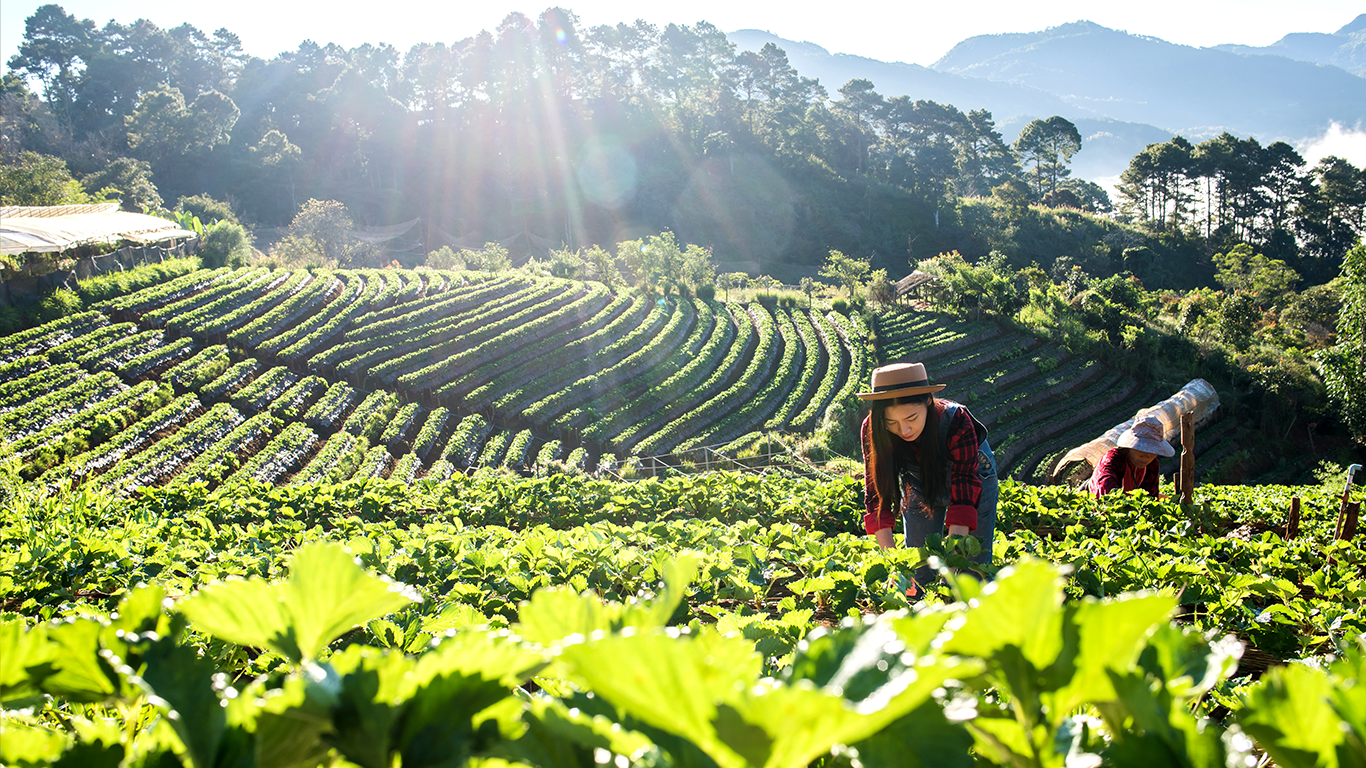
Traditional coffee farming can strip soil and release carbon. Regenerative farms act as carbon sinks. By using shade trees (agroforestry) and cover crops, these farms pull CO2 out of the atmosphere and lock it into the ground.
3. It Saves Farmers
Climate change is killing coffee farms. Rising temperatures and unpredictable rain are causing “coffee rust” and crop failures. Regenerative soil is more resilient—it holds water better during droughts and drains better during floods, securing the farmer’s livelihood for decades.
Top Regenerative Certifications to Look For
Don’t just trust the marketing. Look for these seals on the bag:
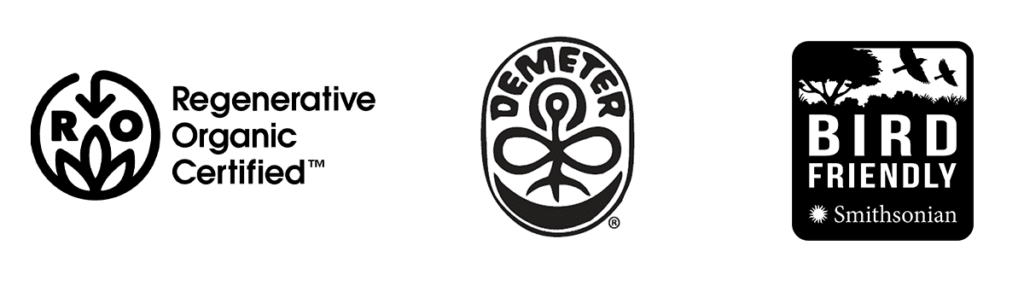
- Regenerative Organic Certified™ (ROC): The highest standard. Requires USDA Organic certification plus rigorous soil health and animal welfare pillars.
- Demeter Biodynamic: The oldest ecological certification. It treats the farm as a self-sustaining living organism.
- Bird-Friendly (Smithsonian): Guarantees shade-grown coffee that preserves habitat for migratory birds.
3 Brands Leading the Charge in 2025
If you want to switch your morning brew to something that heals the planet, start here.
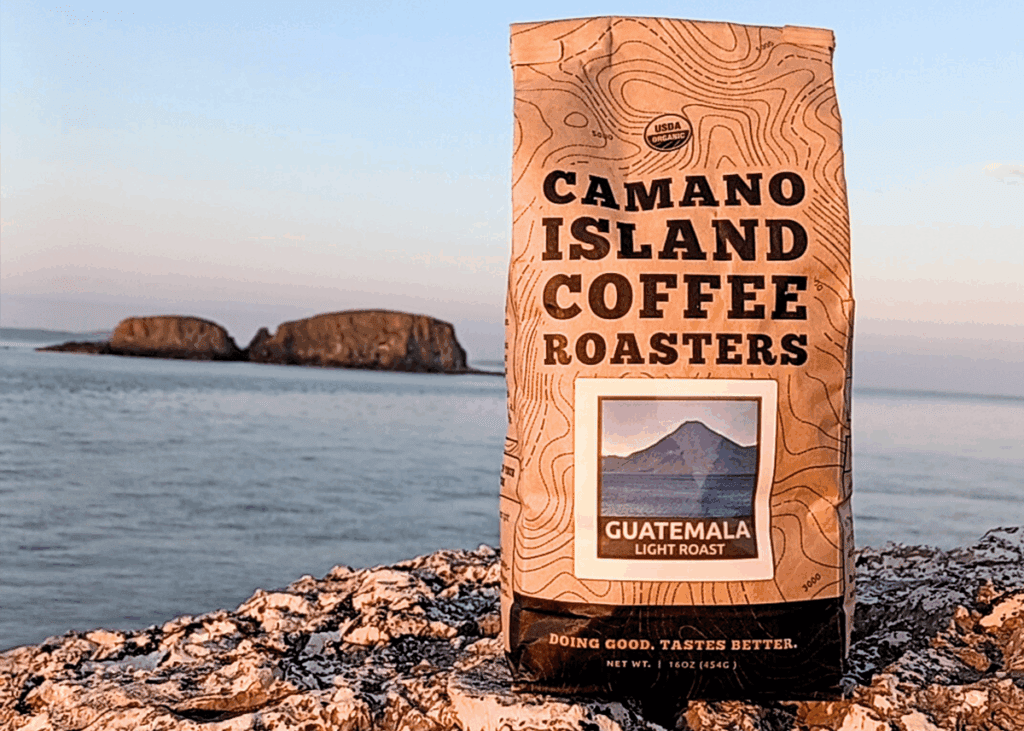
1. Camano Island Coffee Roasters (The Organic Purist)
Best For: Health optimization and ethical sourcing. Camano Island only sells USDA Organic and Shade-Grown coffee. They are obsessed with fairness—paying farmers well above fair trade prices. Their “Coffee Lovers Club” ensures you never run out of clean, toxin-free beans. Shop Camano Island
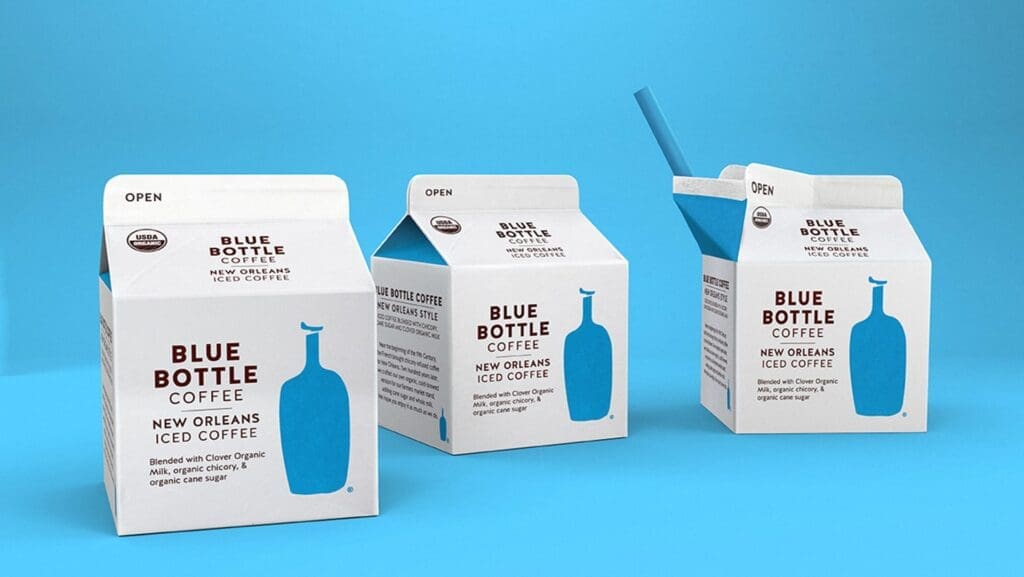
2. Blue Bottle Coffee (The Freshness Obsessed)
Best For: Pour-over connoisseurs. Blue Bottle is a giant, but they are investing heavily in carbon-neutral and regenerative farming. Their beans are shipped within 48 hours of roasting, meaning you get the freshest bloom possible. It’s high-end, sustainable luxury. Shop Blue Bottle
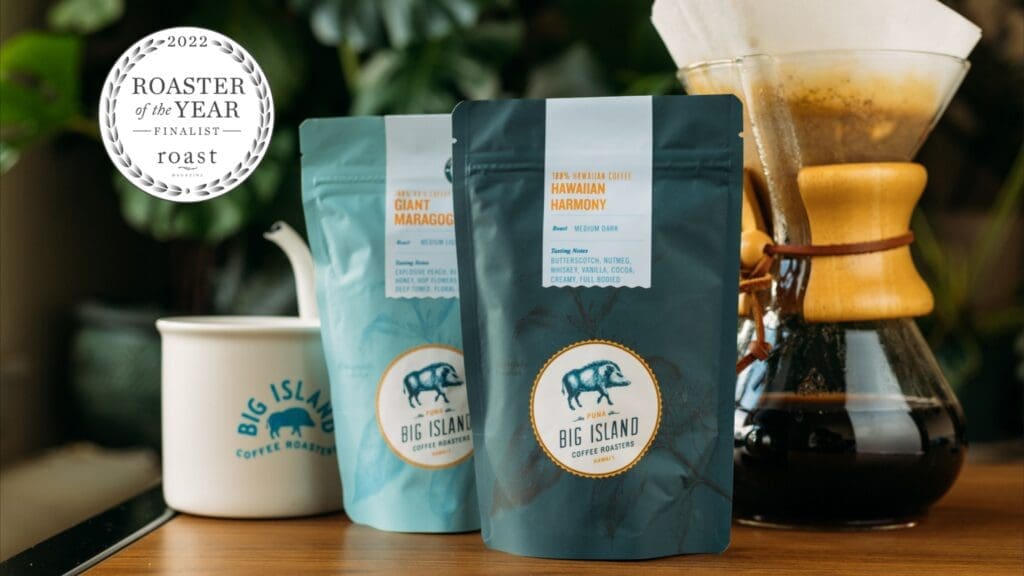
3. Big Island Coffee Roasters (The Local Hero)
Best For: Exotic flavors and US-grown coffee. Based in Hawaii, Big Island focuses on small-batch, sustainable coffee that supports the local ecosystem. If you want to support US farmers and taste some of the most unique, award-winning roasts in the world, this is it. Shop Big Island
FAQ
Is regenerative coffee more expensive?
Slightly. You are paying for the extra labor required to maintain soil health (composting, pruning, planting trees) rather than just spraying cheap chemicals. Expect to pay $1.50–$2.00 per cup at home.
Can I find this at the grocery store?
It’s getting easier. Whole Foods and Sprouts now carry brands like Groundwork and Dr. Bronner’s (yes, the soap company makes regenerative chocolate and supports regenerative coffee!).
Does it have less caffeine?
No. The caffeine content depends on the roast and bean variety (Arabica vs. Robusta), not the farming method.
Disclaimer: I am not a scientist, but I trust the soil. This content is for informational purposes only.
Continue Into the Sustainable Sourcing Hub
Regenerative farming is now one support page inside a broader sourcing cluster. Use these links to connect it to the new parent hub and the Liberica/climate-resilience angle.
