


For decades, the coffee world has been a duopoly: Arabica for flavor, Robusta for caffeine (and tires).
But as global temperatures rise, Arabica—the delicate, high-altitude princess of coffee—is under siege. The industry is frantically searching for a savior. They may have found it in the forgotten giants of the genus Coffea: Liberica and its subspecies, Excelsa.
These aren’t just “Plan B.” They are distinct species with root systems that drill deep into the earth and flavor profiles that challenge everything we know about coffee.
1. The Climate Reality Check
Arabica coffee requires specific conditions: cool temperatures (18-21°C) and consistent rainfall. By 2050, half of the land currently used for Arabica could be unsuitable. Coffea liberica, however, is a tank.
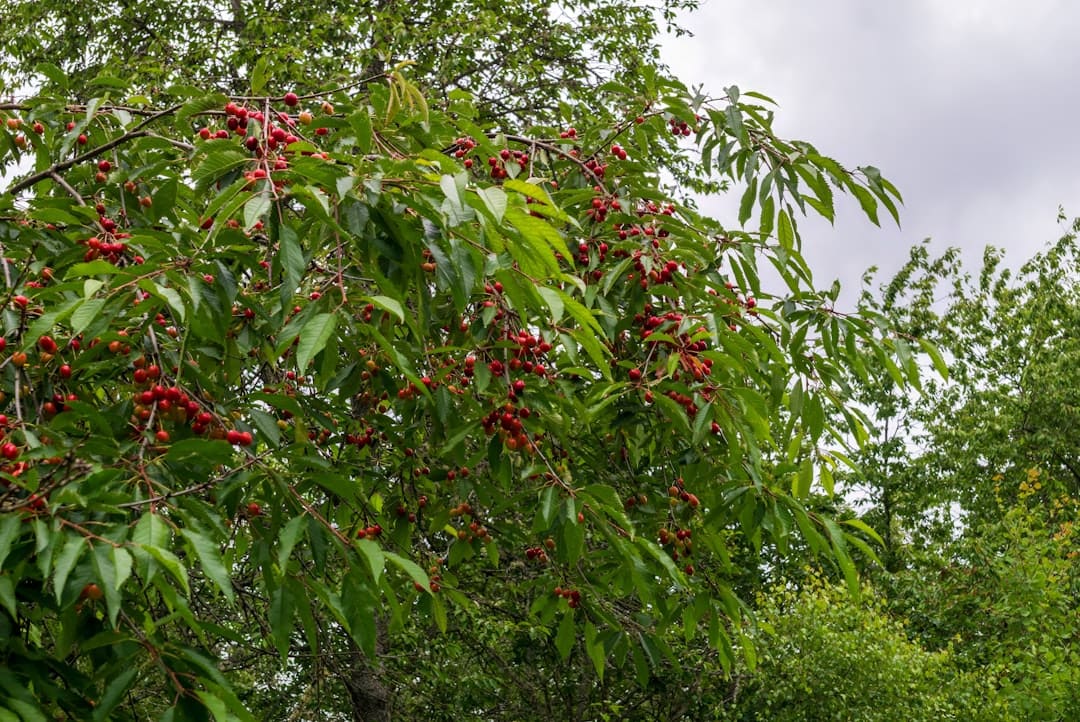
Native to Western and Central Africa, Liberica trees can grow up to 20 meters tall (compared to Arabica’s 5 meters). Their massive root systems and broad, leathery leaves allow them to thrive in hotter, drier lowlands where Arabica would perish. A study in Nature Plants confirmed that re-integrating Liberica into the supply chain is one of the most viable strategies for climate adaptation [1].
2. Liberica: The Smoky Giant
True Liberica (not to be confused with Excelsa) creates a polarizing cup. Historically, it was consumed primarily in the Philippines (known as Barako) and Malaysia. Its beans are often asymmetrical and significantly larger than Arabica.
Flavor Profile
If Arabica is white wine, Liberica is Mezcal. It is famous for its intense, woody, and smoky notes. But when processed carefully (using modern anaerobic or honey methods), it reveals layers of dried jackfruit, chorizo (yes, really), and dark chocolate. It has a heavy, syrupy body that lingers on the palate long after the sip.
3. Excelsa: The Tart, Fruity Wildcard
Often misclassified as a separate species, Excelsa is technically a variety of Liberica, but its flavor is entirely unique. While Arabica is known for citric acidity (lemon/lime), Excelsa is prized for Tartaric acidity.
Think of the difference between biting into a lemon versus a tamarind or a dark cherry. Excelsa offers a pungent, fruity, and sometimes “jackfruit-like” sweetness that adds incredible complexity to blends. It has the body of a Robusta but the aromatic complexity of a high-end Arabica.
Why You Haven’t Drunk It (Yet)
Historically, Liberica and Excelsa made up less than 2% of the global market. They were difficult to process due to the thickness of their cherry skins and the height of the trees (making harvest difficult). But modern processing methods are turning these “weeds” into specialty-grade lots.
4. Starmaya: The Hybrid Hope
Beyond wild species, breeders are creating F1 Hybrids. Starmaya is the first F1 hybrid propagated by seed rather than expensive cloning. It combines the rust resistance of Robusta genetics with the cup quality of top-tier Arabica.
Scientific Milestone
“Starmaya marks a potential sea change in accessible coffee breeding, offering high yields and high cup scores at a fraction of the cost of traditional hybrids.” — World Coffee Research [2]
5. How to Brew Rare Species
These beans behave differently in the grinder and the brewer. Because they are often less dense than high-altitude Arabica (or have thicker cell walls in the case of Liberica), they extract differently.
- Grind Size: Go slightly coarser for Liberica. Its high mucilage content can clog filters if ground too fine.
- Temperature: You can push the temperature higher (near boiling) to extract the stubborn sugars in Liberica, or drop it lower (195°F) for Excelsa to tame the tartness.
- Rest Time: These beans often need longer degassing periods post-roast—sometimes up to 4 weeks—to reach peak flavor.
Taste the Rare & Resilient
You don’t have to wait for the climate apocalypse to taste diversity. Innovative roasters are already sourcing these rare varietals.
Big Island Coffee Roasters is one of the few outfits in the US experimenting with rare Hawaiian varietals and processing methods that mirror the complexity of these emerging species. If you want to expand your palate beyond the standard “Colombian Mild,” start here.
Explore Rare Varietals
From Kona Typica to exotic mutants, taste the biodiversity of the Pacific.
References
- Davis, A.P., et al. (2022). “Re-evaluating Coffea liberica… for climate adaptation”. Nature Plants. Link.
- Georget, F., et al. (2019). “Starmaya: The First Arabica F1 Coffee Hybrid…”. Frontiers in Plant Science. Link.
Continue Into the Sustainable Sourcing Hub
This species-shift trend piece now feeds into the broader sustainable sourcing cluster. Use the links below to move into the new parent hub and the dedicated Liberica guide.
