
10 min read
The espresso martini is one of the few modern cocktails where technique matters almost as much as the ingredient list. Get the ratios right and you get a cold, glossy coffee cocktail with a dry finish and a stable cap of foam. Get them wrong and it turns into a sugary, flat drink that tastes more like leftover iced coffee with liquor.
This page is the main guide to what an espresso martini is, how to make the classic version, how to get better foam, which vodka works best, and when gin, tequila, Baileys, or cold brew versions make more sense.
Quick Takeaways
- A classic espresso martini is built on vodka, fresh espresso, coffee liqueur, and a small amount of sugar or syrup.
- Fresh espresso and a hard shake matter more for the signature foam than a fancy garnish.
- A clean, neutral vodka is the safest choice for the classic version. Overly sweet or flavored vodka usually muddies the coffee.
- Tequila and gin can work as intentional variations. Baileys is better treated as a separate creamy branch, not the default recipe.
- Cold brew martinis are related, but they behave differently from a classic espresso martini because cold brew changes texture, aroma, and foam.
What an Espresso Martini Actually Is
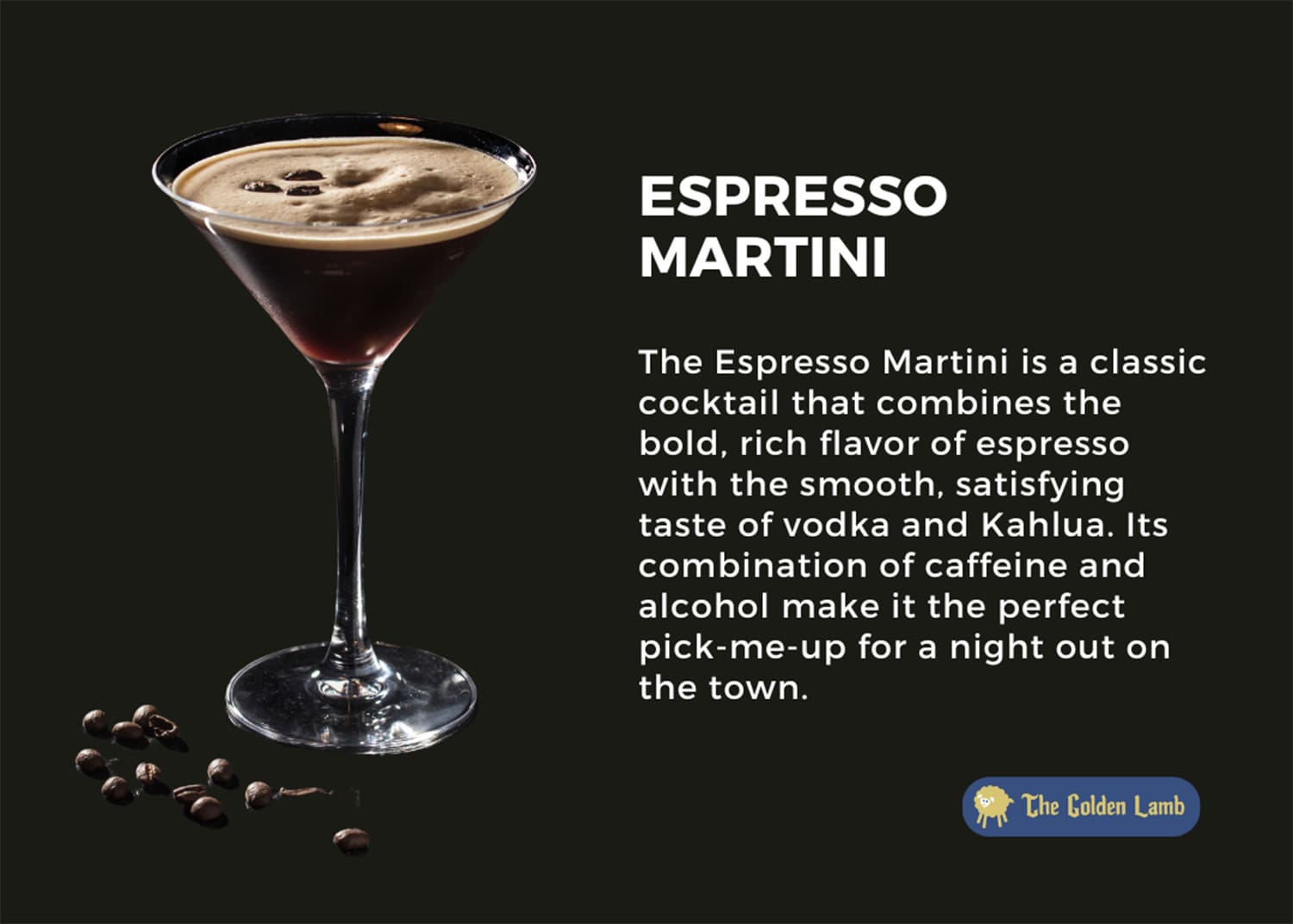
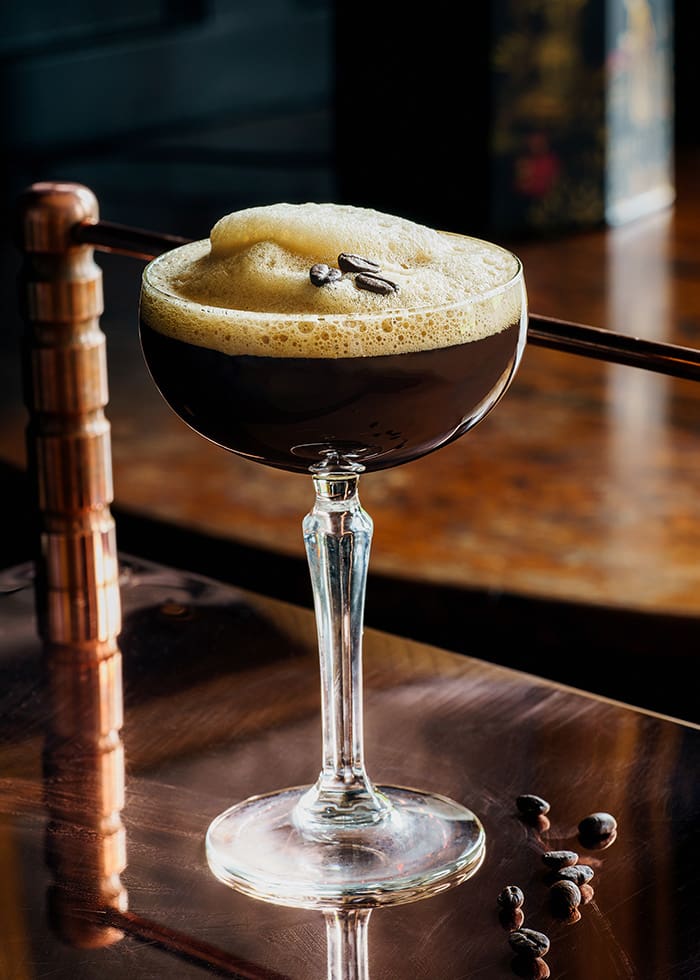
An espresso martini is a shaken coffee cocktail made from espresso, vodka, coffee liqueur, and sugar. It is not a true martini in the classic gin-and-vermouth sense. The name mostly describes the glassware and the style: cold, strained, elegant, and served up.
The best versions taste like coffee first, not vodka first. You should get bitterness from the espresso, round sweetness from the liqueur, and enough dilution from the shake to make the drink silky instead of sharp. Modern bars usually garnish it with three coffee beans, not because the beans change the flavor much, but because the look has become part of the drink.
Origins
The drink is usually traced back to Dick Bradsell in late-1980s London. The popular retelling is that a customer asked for something that would wake her up and then hit harder than a normal cocktail. Bradsell combined vodka, fresh espresso, coffee liqueur, and sugar, and the result stuck because it felt both modern and familiar.
That origin still explains why the drink works: it sits exactly between an after-dinner cocktail and a late-night caffeine hit. It is richer than a vodka soda, cleaner than a White Russian, and sharper than dessert-style coffee cocktails that lean too hard on cream.
Classic Espresso Martini Recipe
If you want the version most bars are aiming for, start here. This is the classic balance point before you start pushing it sweeter, creamier, smokier, or more botanical.
| Ingredient | Typical amount | Why it is there |
|---|---|---|
| Vodka | 2 oz | Provides structure and alcohol without burying the coffee. |
| Fresh espresso | 1 oz | Gives bitterness, aroma, and the gas that helps create foam. |
| Coffee liqueur | 1/2 oz to 3/4 oz | Adds sweetness, coffee depth, and body. |
| Simple syrup | 1/4 oz to 1/2 oz | Lets you tune sweetness depending on your liqueur and espresso. |
| Coffee beans | 3 beans | Classic garnish. Optional, but visually traditional. |
How to Make It
- Chill a coupe or martini glass while you build the drink.
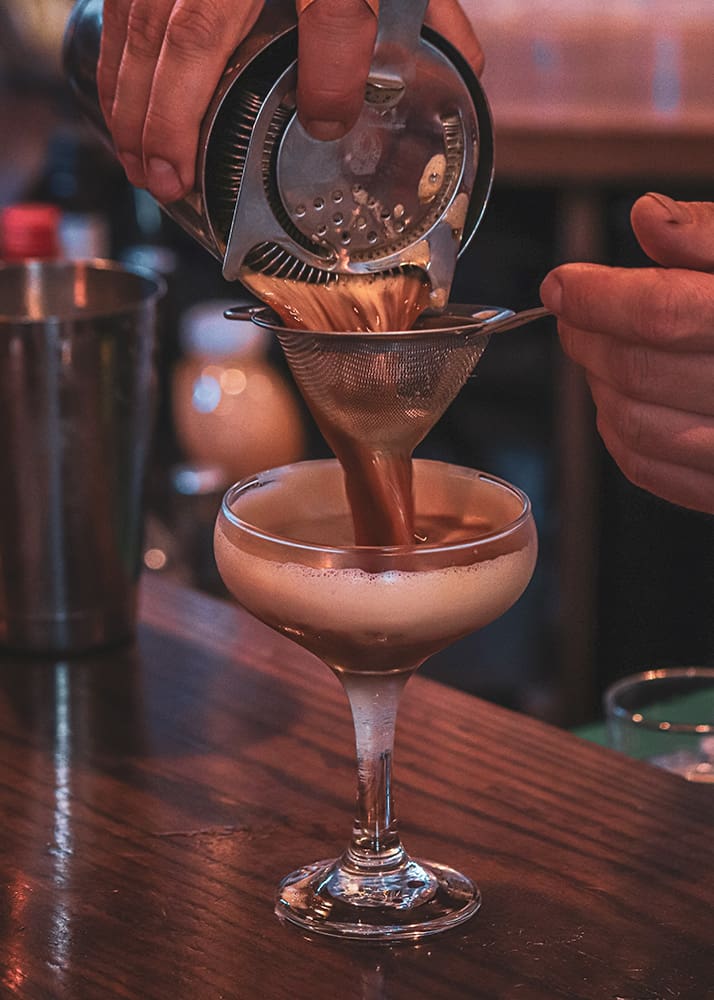
- Add vodka, fresh espresso, coffee liqueur, and simple syrup to a shaker.
- Fill the shaker with ice and shake hard for about 12 to 15 seconds. You want force here, not a gentle stir-and-rattle.
- Double strain into the chilled glass so the drink lands smooth while the foam stays neat on top.
- Garnish with three coffee beans if you want the classic presentation.
If your coffee liqueur is especially sweet, pull the syrup back. If your espresso is very dark and bitter, you may want the higher syrup end. The right ratio is the one that still tastes like a cocktail, not a melted dessert.
How to Get the Signature Foam
The foam is not magic and it is not just decoration. It comes from a mix of trapped gas, dissolved solids, sugar, and the violence of the shake. Fresh espresso helps because it still carries carbon dioxide from the brewing process. Coffee liqueur and syrup help because they add viscosity. Ice gives you the agitation and dilution that turn all of that into a stable top layer.
- Use fresh espresso instead of old coffee sitting in the fridge.
- Shake hard enough to build aeration. A lazy shake usually gives lazy foam.
- Do not strip out all the sugar. Bone-dry builds tend to lose the plush texture people expect.
- Serve immediately. Foam falls apart fastest when the drink sits warm or over-dilutes.
If you want the deeper explanation of gas retention, temperature shock, and why shaking style matters, read What Makes Espresso Martini Foam So Stable?.

Best Vodka for an Espresso Martini
The safest vodka for a classic espresso martini is one that stays out of the way. You want a clean, neutral spirit with a smooth finish, not a vodka that tastes aggressively peppery, candy-like, or artificially flavored. The coffee already brings bitterness and roast. The liqueur already brings sweetness. Your vodka should carry the drink, not hijack it.
- Neutral mid-tier vodka is usually enough. You do not need the most expensive bottle on the shelf for the drink to work.
- Avoid dessert-flavored vodka in the classic build unless you are intentionally making a sweeter variation.
- If the vodka drinks hot on its own, it will usually drink hot in the cocktail too.
For bottle-by-bottle guidance, read Best Vodka for an Espresso Martini. That page goes deeper into ethanol bite, congeners, and why some vodkas disappear more gracefully into coffee than others.
Espresso Martini Variations
Once the classic version is dialed in, variations make more sense. The key is knowing whether you are changing the spirit, the texture, or the coffee base. Some variations feel like small stylistic moves. Others create a genuinely different drink.
Tequila Espresso Martini
A tequila espresso martini works best when you want more brightness and lift. Blanco tequila gives you the clearest agave expression and usually pairs best with chocolatey, medium-roast espresso. Reposado can work too, but only when the oak is light enough to soften into the coffee instead of taking over the drink.
- Best starting point: blanco tequila for the sharpest citrus-and-agave lift.
- Good second option: lightly aged reposado if you want a rounder, richer version.
- Usually too much: heavily oaked anejo, which tends to pull the drink toward whiskey territory.
- Smoke variation: if you want mezcal character, start with a split base instead of a full mezcal swap so the smoke does not flatten the espresso.
Gin Espresso Martini
Gin changes the drink more dramatically because botanicals actively reshape the aroma profile instead of just carrying the alcohol. Juniper, citrus peel, and other botanical oils can make the drink feel brighter and more perfumed, but they also make the margin for error smaller than it is with vodka.
- Best starting point: London Dry gin with medium-roast espresso, which keeps the juniper clear without burying the coffee.
- Can work: contemporary citrus-forward gin, but only when the coffee is strong enough to anchor the drink.
- Usually not worth it: navy-strength gin, which tends to overwhelm both the espresso aromatics and the foam.
- Technique note: gin versions often produce a thinner but more aromatic foam, so a shorter, harder shake usually works better than over-shaking.
Baileys Espresso Martini
Baileys is not just a sweetness tweak. It changes texture, temperature behavior, and the risk of separation because dairy, sugar, coffee, and alcohol are all pushing against each other. That is why it makes sense as its own creamy dessert branch. If that is the version you want, start with How to Make a Baileys Espresso Martini That Actually Works.
Cold Brew Martini
Cold brew martinis are related, but they are not perfect substitutes for a classic espresso martini. Cold brew gives you smoother coffee flavor and lower perceived acidity, but usually less aroma and weaker foam. If you want that style specifically, see What Is a Cold Brew Martini and How Do You Make It?.
Espresso Martini vs. Other Coffee Cocktails
Espresso Martini vs. Black Russian
A Black Russian is vodka and coffee liqueur over ice. It is simpler, heavier, and sweeter, with no fresh espresso to sharpen the drink or build foam. If you want a colder, more aromatic, more coffee-forward cocktail, the espresso martini is the better fit.
Espresso Martini vs. Carajillo
A carajillo usually leans on espresso and Licor 43, which gives it a warmer vanilla-citrus profile than the darker coffee-liquor shape of an espresso martini. It can feel more aromatic and liqueur-driven, while the espresso martini usually reads cleaner and more neutral. If you want to compare them directly, read The Carajillo Licor 43 guide.
FAQ
What is in a classic espresso martini?
A classic espresso martini usually contains vodka, fresh espresso, coffee liqueur, and a small amount of simple syrup. Some recipes lean sweeter, but the core build is spirit, coffee, coffee liqueur, and dilution from shaking with ice.
How do you get thick foam on top of an espresso martini?
Use fresh espresso, shake hard with plenty of ice, and do not skip the sweetener entirely. Fresh coffee holds more gas, sugar improves texture, and an aggressive shake helps create the stable foam layer people want.
What vodka is best for an espresso martini?
A clean, neutral vodka with a smooth finish is usually best. You want the espresso and coffee liqueur to lead. Peppery, candy-like, or strongly flavored vodka tends to pull the drink off balance.
Can you make an espresso martini with cold brew instead of espresso?
Yes, but it becomes a slightly different drink. Cold brew is smoother and less aromatic, and it usually will not produce the same dramatic foam as freshly pulled espresso. That is why many bartenders treat a cold brew martini as its own variation.
Can espresso martinis keep you awake?
They can. The exact caffeine level depends on the espresso shot, but you are still combining alcohol with a real coffee dose. If you are sensitive to caffeine, an espresso martini late at night may affect sleep.
How many calories are in an espresso martini?
A typical espresso martini often lands somewhere around 180 to 240 calories, depending on the pour size, the sweetness of the coffee liqueur, and how much syrup is added.
Related Espresso Martini Guides
- Best Vodka for an Espresso Martini
- What Makes Espresso Martini Foam So Stable?
- How to Make a Baileys Espresso Martini That Actually Works
- What Is a Cold Brew Martini and How Do You Make It?
If you are only making one version, start with the classic recipe on this page. Once that build tastes right to you, the tequila, gin, Baileys, and cold brew branches become much easier to judge on purpose instead of by accident. The gin and tequila guidance is now built directly into this main page so the variation decision stays in one place.
