
10 min read
The Golden Lamb Coffee · Coffee Syrups
Lavender
Coffee Syrup
Floral, Fragrant, Ready in 15 Minutes
Three ingredients and a gentle simmer. The kind of syrup that turns a regular latte into something you’d pay $7 for.
A lavender latte from a coffee shop costs you $7 and tastes like whoever made it that day. This syrup costs about $3 to make and tastes like you.
The whole recipe is three ingredients — water, sugar, and dried culinary lavender buds. The only technique that matters is knowing when to stop. Ten minutes at a gentle simmer, then strain immediately — that’s the difference between a delicate floral syrup and something that tastes like soap.
A splash of vanilla at the end is optional but worth it. It rounds out the floral edge and makes the syrup feel a little more complex. The whole thing takes 15 minutes and keeps for a month in the fridge.
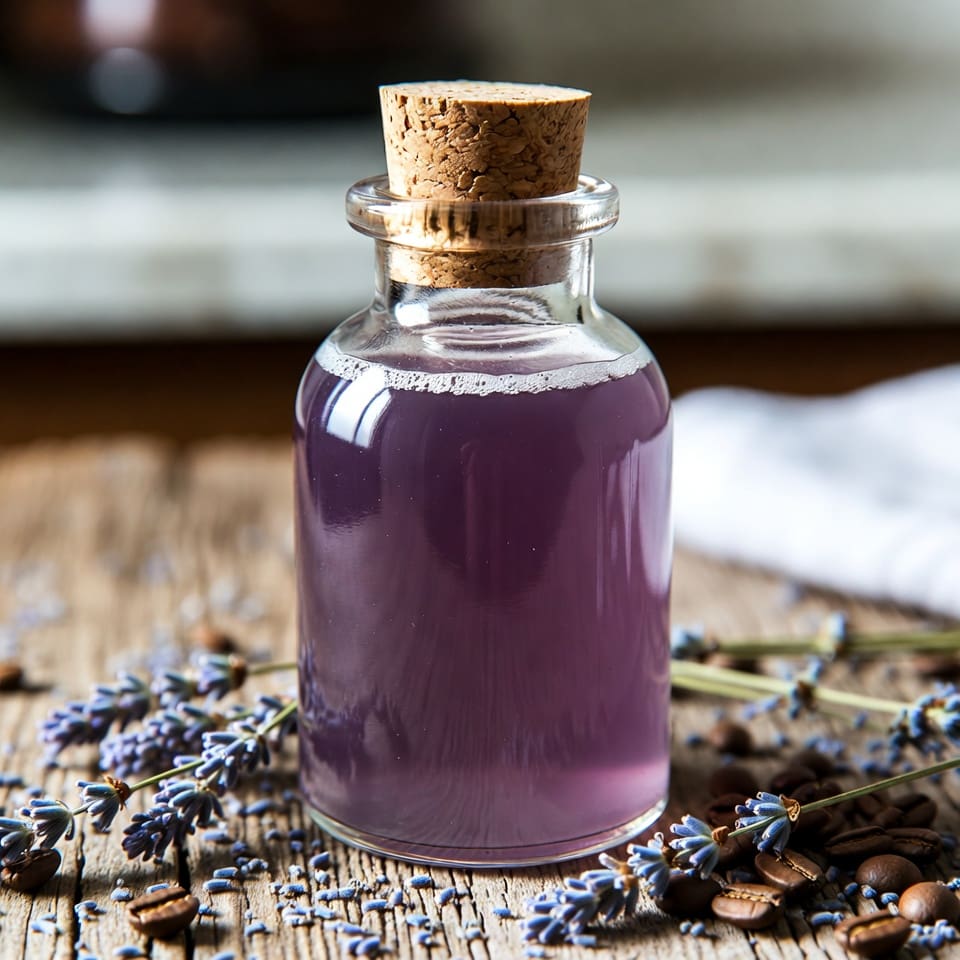
Dissolve 1 cup sugar in 1 cup water. Add 2 tbsp culinary lavender buds. Simmer gently for 10 minutes on low. Strain immediately — don’t leave the buds in or it will go bitter. Cool, add vanilla if you want, bottle, and refrigerate. Add 1–2 tbsp per latte. Keeps one month.
What You’ll Need
Three ingredients — but the lavender type is the one you can’t substitute casually.
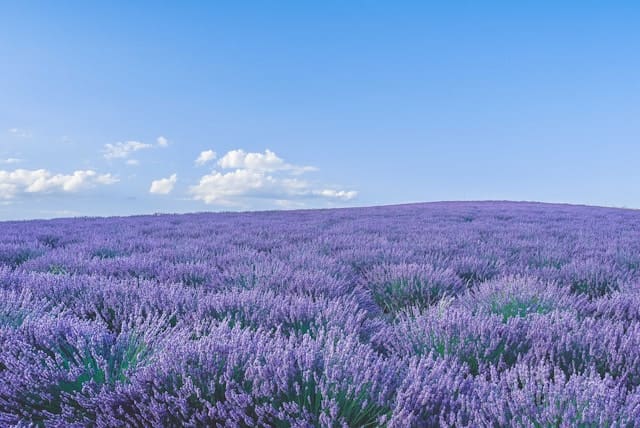
Culinary-grade only. Garden lavender or decorative bunches may be treated with pesticides and often have a bitter, piney edge that carries straight into the syrup. Dried culinary buds from a spice shop or health food store are exactly what you want — look for Lavandula angustifolia (English lavender) for the best flavor.
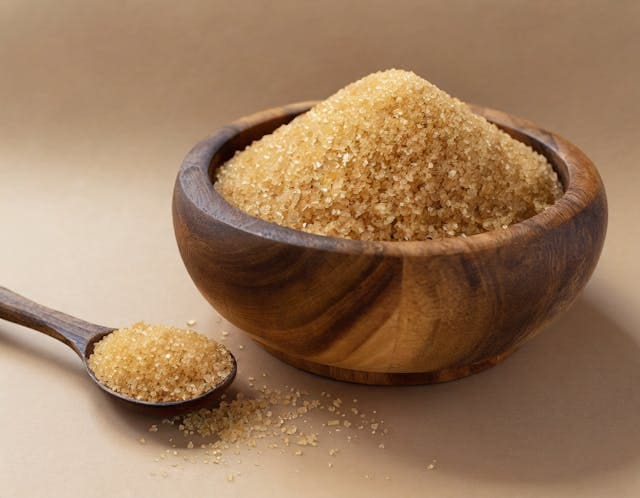
Plain white sugar is right here — its neutral flavor lets the lavender come through clearly. Brown sugar would add a caramel note that competes with the floral character. The standard 1:1 sugar-to-water ratio gives you a well-bodied syrup; you can dial it back slightly if you want less sweetness and more floral.
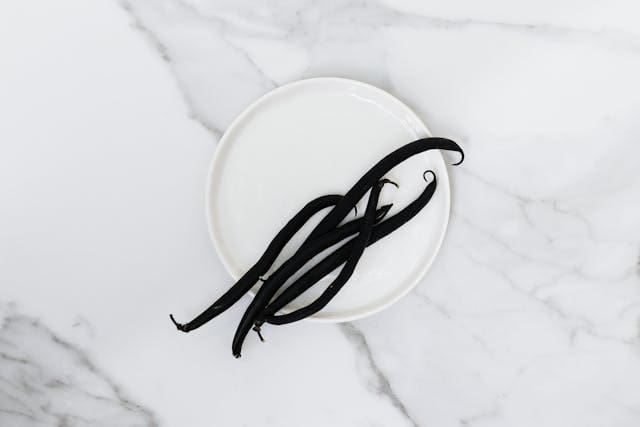
Half a teaspoon of pure vanilla extract stirred in off the heat rounds out the floral sharpness and adds depth without competing. It makes the syrup taste a little more sophisticated. Entirely optional — the recipe works fine without it — but worth trying once.
Get the 21-Day Coffee Glow-Up Recipe Book
Make your morning coffee feel like a treat again: 21 coffee-shop-style recipes you can make at home, with hot, iced, creamy, cozy, and Java Burn-friendly options.
- 21 craveable coffee recipes
- Simple flavor formulas and shopping list
- 7-day coffee glow-up plan
You are in. Grab the recipe book, then check your inbox to confirm the coffee newsletter.
Download the free recipe bookAlready subscribed? Open the recipe book here.
Why readers save it: It gives them recipes first, not hype first. Java Burn stays optional and label-directed, while the download gives them a better coffee routine they can use right away.
What happens next: MailPoet adds them to the Golden Lamb Coffee Newsletter, sends the welcome email, and includes them in the weekly coffee tips nurture sequence.
Educational download. Not medical advice. Java Burn is a dietary supplement; read the label and ask a qualified professional if you use supplements, take medication, or manage a health condition.
The Recipe
Four steps, 15 minutes. The most important one is the last — strain immediately.
Homemade Lavender Coffee Syrup
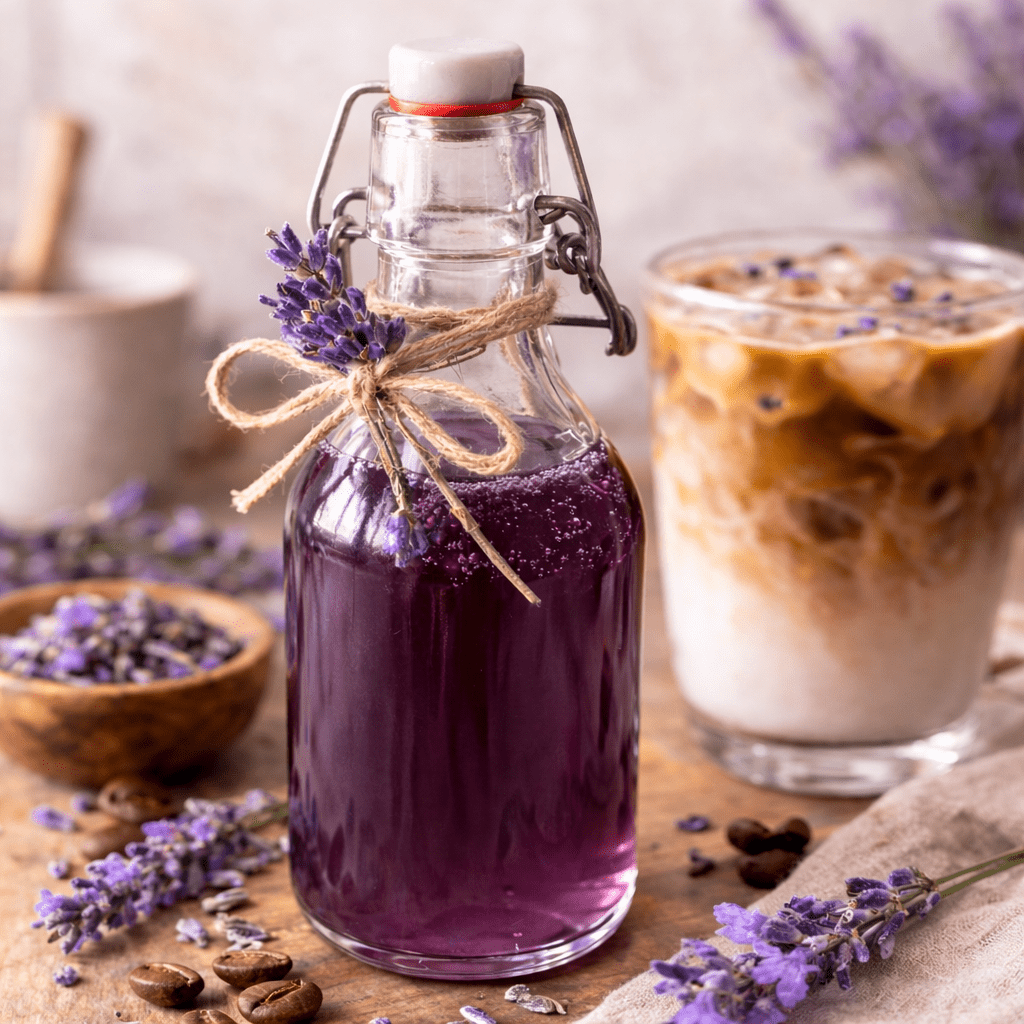
- 1 cup water
- 1 cup granulated sugar
- 2 tbsp dried culinary lavender buds
- ½ tsp vanilla extract optional but recommended
You’ll also need a fine mesh sieve and a glass jar for storage.
- Dissolve sugar. Combine water and sugar in a small saucepan over medium heat. Stir until fully dissolved, about 3–4 minutes. Don’t let it boil.
- Infuse. Add lavender buds. Reduce to low heat and simmer gently for exactly 10 minutes. Watch the clock — over-infusion is the main way this goes wrong.
- Strain immediately. Remove from heat and pour through a fine mesh sieve. Don’t let the buds sit in the hot syrup any longer than necessary.
- Finish and cool. Stir in vanilla extract if using. Cool to room temperature, then transfer to a sealed glass jar. Refrigerate up to 1 month.
For more homemade coffee flavors, try pistachio coffee syrup, cookie butter latte syrup, or compare bottled options in the Monin syrup guide.
Tips for the Best Syrup
Two things can go wrong with lavender syrup. Here’s how to avoid both.
The single most common mistake is leaving lavender buds in the syrup too long. Set a timer for 10 minutes and strain the moment it goes off — even a few extra minutes can push the syrup from delicate and floral into something bitter and medicinal. You can always make it stronger next time by using more buds; you can’t fix over-infusion.
Regular lavender — the kind from a florist or garden — is often treated with pesticides and has a stronger, piney, sometimes soapy flavor. Culinary lavender is milder and cleaner, bred specifically for food use. It makes a noticeably better syrup. Lavandula angustifolia (English lavender) is the best variety; avoid lavandin (L. x intermedia) which is more pungent.
Two tablespoons of lavender gives a noticeable but not overwhelming floral note. For a stronger syrup, go up to 3 tablespoons — not more time, more buds. For something more subtle, use 1½ tablespoons. Adding more infusion time to compensate for fewer buds is what leads to bitterness. Always adjust quantity, not time.
Transfer to a clean, dry glass jar — residual moisture or food particles accelerate spoilage. The syrup keeps for one month in the fridge. For an extra week or two, add a tablespoon of vodka: completely undetectable at that quantity, acts as a preservative. Discard if it smells off or develops any cloudiness after a few days.
Homemade vs Store-Bought
Both exist. Here’s what you actually get with each.
- You control how strong the lavender flavor is
- No artificial preservatives or flavoring
- Costs about $2–3 per batch of 1½ cups
- Ready in 15 minutes
- Keeps 1 month (vs. longer for commercial)
- Requires culinary lavender buds on hand
- Longer shelf life — months unopened
- Consistent flavor every time
- Often made with artificial lavender flavoring
- $8–14 for a small bottle
- Usually much sweeter with a one-note flavor
- No way to adjust intensity to your taste
How to Use It
Start with 1 tablespoon and taste up. Lavender is assertive — the right amount makes a latte elegant, too much makes it overwhelming.
1–1½ tbsp syrup + 2 shots espresso + steamed milk. The classic. Start with 1 tbsp and add more to taste.
2 tbsp syrup + espresso over ice + cold milk. The ice dilutes the flavor slightly, so a little more syrup than hot.
1–2 tbsp stirred into cold brew over ice. The low-acid sweetness of cold brew is a natural match for floral syrups.
1½ tbsp + sparkling water + squeeze of lemon. A non-coffee use that’s genuinely refreshing — especially in summer.
½–1 tbsp in hot or iced Earl Grey tea. The bergamot and lavender are natural companions — surprisingly good.
1 tbsp + cold oat milk over ice, no coffee. Floral, lightly sweet, and creamy — a great non-caffeinated option.
Questions Worth Answering
Culinary-grade dried lavender buds only. Regular garden or decorative lavender may have pesticides and often has a bitter, medicinal edge. Look for it at health food stores, specialty spice shops, or online. Lavandula angustifolia (English lavender) is the best variety for cooking.
Almost always over-infusion — the buds stayed in the hot syrup too long. Stick to 10 minutes at a gentle simmer, then strain immediately. The other cause is using non-culinary lavender, which has a naturally more bitter, piney note that no amount of shorter infusion time will fix.
Up to one month refrigerated in a clean sealed jar. For longer shelf life, add a tablespoon of vodka — completely undetectable and adds a week or two. Discard if it smells off or develops cloudiness after a few days in the fridge.
Yes — use about 3 tablespoons of fresh lavender buds since dried is more concentrated. Taste earlier than 10 minutes, as fresh lavender can vary significantly in intensity. If it’s strong enough at 7 or 8 minutes, strain then rather than waiting.
Yes — you can go as low as a 3:4 sugar-to-water ratio. Less sugar lets more lavender flavor come through and makes a lighter syrup, but it will keep for about two weeks rather than a month. Don’t go below 1:2 or it won’t have enough body to sweeten and coat the drink properly.
Yes. Honey keeps the syrup floral and is the easiest swap if you want a softer, more botanical sweetness. Maple works too, but it gives the syrup a warmer flavor that shows up more clearly in the final drink. Either way, think of it as a variation rather than the clean classic version.
Because it usually isn’t naturally purple. Most lavender syrups come out pale gold, beige, or lightly tea-colored. If you want a purple tint, you need a separate color source such as a few blueberries or butterfly pea flower. The syrup can taste perfect even when it looks subtle.
Start with 1 tablespoon and taste. Most people settle on 1 to 1½ tablespoons per 8-oz latte. For iced drinks where flavor dilutes slightly, 2 tablespoons works well. Lavender is one of those flavors that’s hard to pull back once you’ve added too much, so always start low.
15 Minutes.
One Month
of Lovely Lattes.
Make a batch and you’ve got a month of lavender lattes, iced drinks, and the occasional lavender soda that feels like summer. The only thing to remember is to strain at 10 minutes. Everything else is just heating sugar water. The vanilla is worth adding. The culinary lavender is non-negotiable.
