
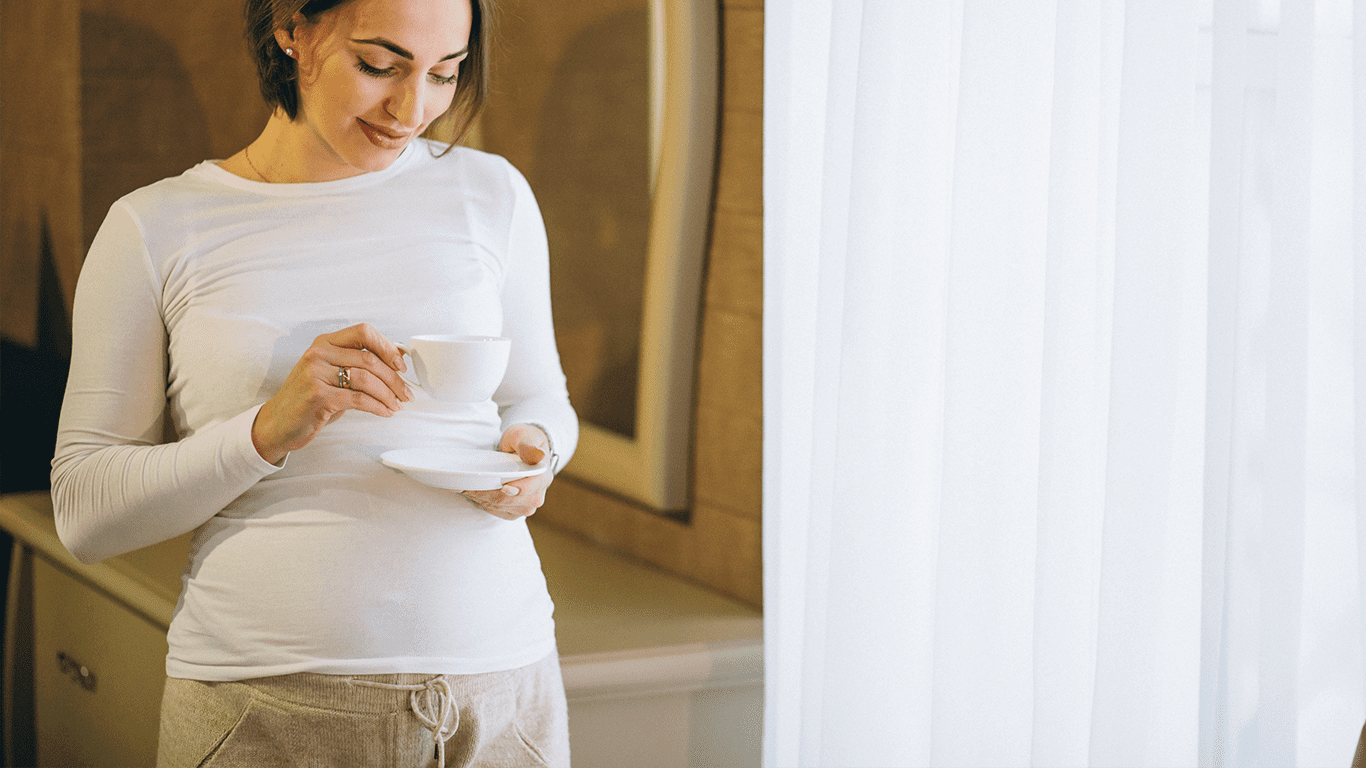

A Simple, Evidence-Based Guide to the “200mg Rule”
Pregnancy comes with a long list of sudden “don’ts”—sushi, unpasteurized cheese, hot tubs. For many expectant mothers, the most anxiety-inducing question is about their morning ritual: Do I have to give up coffee?
The good news is that you don’t have to quit completely.
For those wondering, Coffee Is Safe During Pregnancy, as long as caffeine intake stays within recommended limits.
The short answer: The current consensus across major medical organizations is that up to 200 mg of caffeine per day is considered safe for most pregnancies.1
Here is the breakdown of the science, the sources, and what that limit actually looks like in your mug.
The Magic Number: 200 mg
Where does this number come from? It isn’t a random guess. It is the aligned recommendation of the world’s leading health authorities based on years of data.
- The American College of Obstetricians and Gynecologists (ACOG) states that moderate caffeine consumption (less than 200 mg per day) does not appear to be a major contributing factor in miscarriage or preterm birth.2 (Source: ACOG Committee Opinion)
- The March of Dimes advises limiting caffeine intake to 200 mg per day.3 (Source: March of Dimes)
- The NHS (UK) also recommends keeping caffeine at 200 mg or less per day from all sources.4 (Source: NHS)

Why the limit? Caffeine crosses the placenta to the baby.5 While an adult body can metabolize caffeine quickly, a developing baby cannot.6 Furthermore, during pregnancy, your body metabolizes caffeine more slowly, meaning it stays in your system longer.7
What Does 200 mg Look Like?
“200 mg” is hard to visualize. In the real world, it’s roughly one 12-ounce cup of strong brewed coffee or two shots of espresso.
However, coffee strength varies wildly depending on the bean and the brew method.8 Use this chart as a general safety guide:
| Drink Type | Size | Est. Caffeine | Notes |
| Drip Coffee | 8 oz (Small cup) | 95–140 mg | Safe, but stick to one. |
| Drip Coffee | 12 oz (Mug) | 140–200 mg | Your daily limit. |
| Espresso | 1 oz (Single shot) | ~63 mg | Safe (up to 2-3). |
| Latte / Cappuccino | 16 oz (Grande) | 125–150 mg | Usually contains 2 shots. Safe. |
| Cold Brew | 12 oz | 150–250 mg+ | Caution. Can be very potent. |
| Instant Coffee | 8 oz | 60–80 mg | Lower caffeine content. |
| Decaf Coffee | 8 oz | 2–5 mg | Negligible. Drink freely. |
Pro Tip: Be careful with coffee shop sizing. A “Venti” or “Large” at many chains can easily exceed 300–400 mg of caffeine, putting you well over the limit in a single cup.9
It Adds Up: The “Hidden” Caffeine
Remember, the 200 mg limit is for total daily intake, not just coffee. If you have a coffee in the morning and a soda at lunch, you might go over the limit.

Don’t forget to count these:
- Tea (Black/Earl Grey): 40–70 mg per cup10
- Green Tea: 30–50 mg per cup11
- Cola/Soda: 35–50 mg per can
- Dark Chocolate: 20–30 mg per serving
- Excedrin/Pain Relievers: Often contain caffeine (check the label!)
Practical Tips for the Coffee-Loving Mom
If you are struggling to cut back, try these strategies to keep the ritual without the risk.
1. The “Half-Caf” Hack
Ask your barista to split your shot (half decaf, half regular) or mix your beans at home. This cuts your caffeine by 50% instantly, letting you drink two cups instead of one.
2. Watch Your Brew Ratio
Lighter roasts actually have slightly more caffeine by volume than dark roasts, but the biggest factor is how much coffee you use. If you brew super-strong coffee at home, your 8 oz cup might pack more punch than you think.
3. Listen to Your New Body
Pregnancy changes how you react to stimulants. Many women find that the amount of coffee they used to drink suddenly causes:
- Heart palpitations
- Nausea / Acid Reflux
- Jitters
If your body rejects it, listen to it.
Bottom Line
You do not need to suffer through 9 months of caffeine withdrawal. One 12-ounce cup of coffee a day fits perfectly within the medical guidelines.
Focus on quality over quantity, watch out for hidden caffeine in sodas and tea, and when in doubt—switch to decaf to keep the comfort of a warm mug in your hand.
