
4 min read
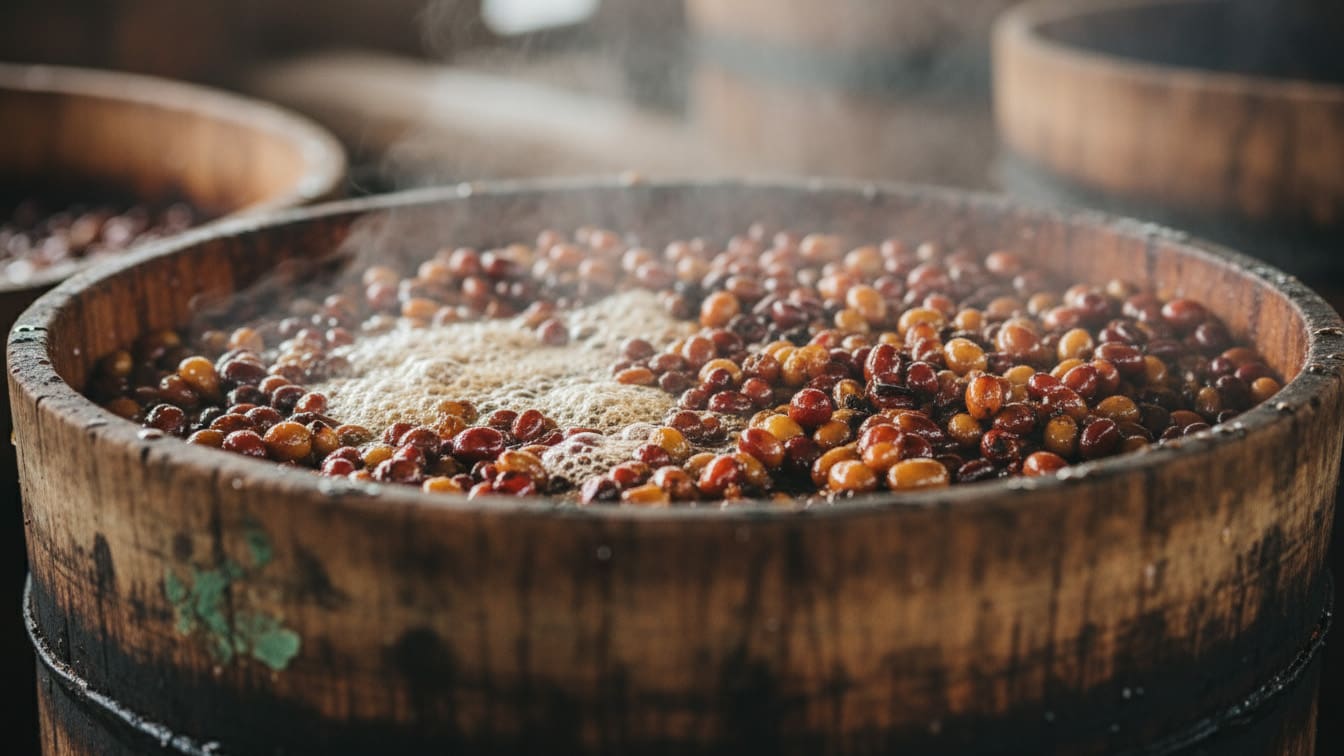
Fermentation brings life to coffee—but if it’s poorly managed, it can ruin an entire harvest.
The same microbes that create sweetness and aroma can also produce off-flavors, molds, or toxins under the wrong conditions.
This guide explains how to safely manage coffee fermentation, reduce defects, and protect bean quality from harvest through drying.

Table of Contents
Why Coffee Fermentation Quality Matters
Fermentation quality directly determines cup score, shelf stability, and export value.
A clean, well-fermented coffee yields clarity, sweetness, and complexity. A poorly controlled one tastes sour, earthy, or even rotten.
At origin, coffee processors must balance microbial activity, moisture, temperature, and time. The difference between an 85-point specialty coffee and an unmarketable lot often comes down to a few degrees or hours during fermentation.
Common Coffee Fermentation Defects
When fermentation goes wrong, a handful of predictable defects appear.
| Defect | Cause | Cup Impact |
|---|---|---|
| Over-fermentation | Excess time or heat; prolonged pulp contact | Sour, vinegary, or alcoholic notes |
| Under-fermentation | Incomplete mucilage breakdown | Astringent, harsh aftertaste |
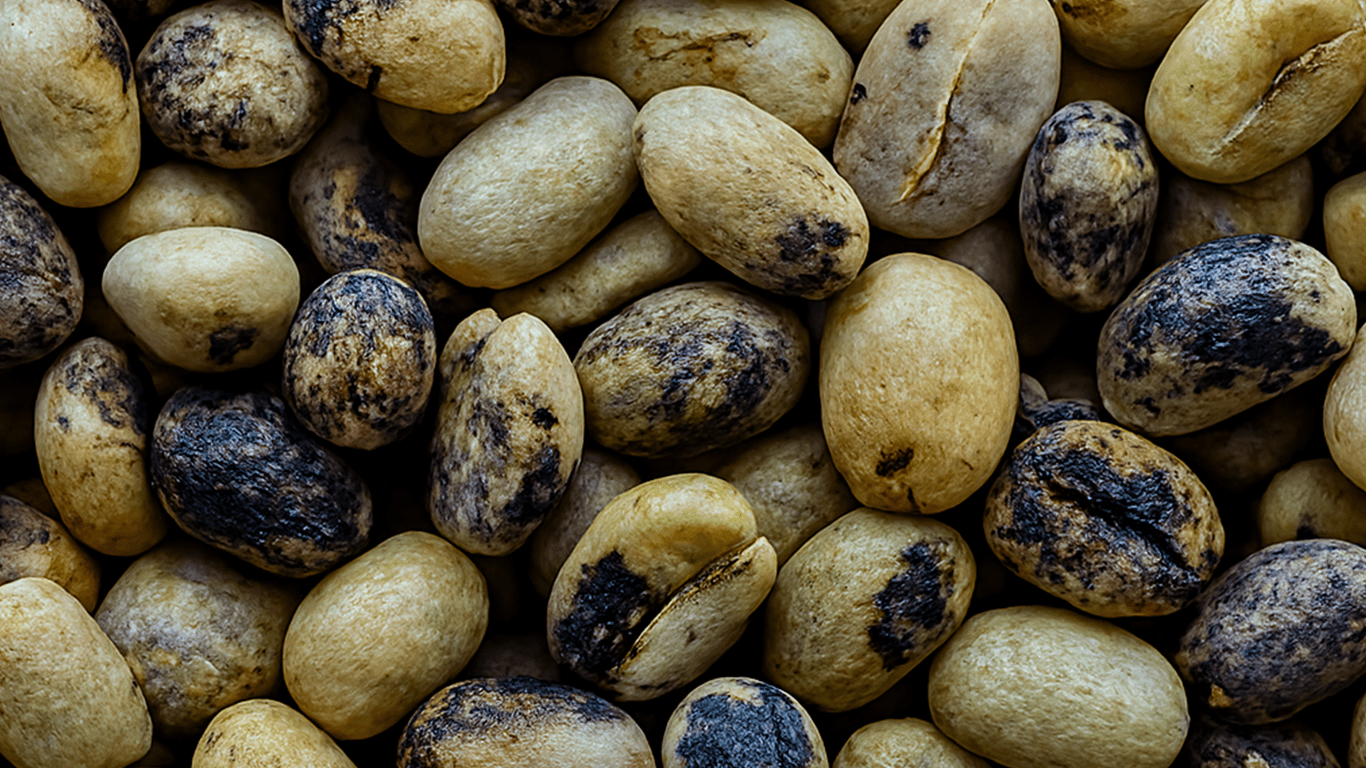
| Mold contamination | Slow drying, high humidity | Musty, earthy, or dirty flavor |
| Mycotoxins (e.g., Ochratoxin A) | Growth of Aspergillus or Penicillium | Health risk, export rejection |
| Insect damage + microbial growth | Poor cherry sorting | Woody or fermented off-notes |
Preventing these defects means maintaining environmental control from harvest to drying—not just during fermentation.
The Role of Microbial Balance
Good-quality fermentation depends on dominant beneficial microbes1 and the suppression of spoilage organisms.
- Yeasts (e.g., Saccharomyces cerevisiae, Pichia kudriavzevii) initiate the process, generating ethanol and aroma precursors.
- Lactic acid bacteria (Lactobacillus plantarum) stabilize pH and inhibit pathogens.
- Acetic acid bacteria (Acetobacter pasteurianus) finalize mucilage breakdown but can produce harsh acidity if left unchecked.
An imbalance—too much acetic acid bacteria, for instance—can produce volatile acidity and a “vinegary” defect.
Monitoring fermentation temperature (ideally 30–40°C) and turning frequency keeps microbial populations in check.
Temperature and Oxygen Management
Temperature:
- Keep between 30°C and 45°C.
- Above 50°C, enzyme activity drops, and beans risk over-fermentation.
- Below 25°C, yeast activity slows, leading to incomplete fermentation.
Oxygen Exposure:
- Turning or stirring introduces oxygen, preventing anaerobic pockets.
- Limited oxygen favors yeast and lactic acid bacteria, giving a cleaner flavor.
- Too much oxygen can accelerate acetic acid production and raise volatile acidity.
Well-managed aeration helps maintain an optimal balance between fermentative and oxidative microbial processes.
Water Quality and Tank Sanitation
Dirty water or unwashed tanks can introduce unwanted bacteria or fungi.
To prevent cross-contamination:
- Use fresh, potable water for wet fermentation.
- Clean tanks and paddles after each batch.
- Avoid reusing standing water between lots.
- Regularly scrub fermentation channels to remove biofilms.
Simple sanitation habits dramatically reduce contamination risk and improve flavor uniformity.
Preventing Mold and Mycotoxin Contamination
After fermentation, beans remain vulnerable while drying. Molds such as Aspergillus ochraceus and Penicillium verrucosum can quickly colonize wet beans in humid environments.
Coffee Mold Prevention Steps:
- Dry beans should be used within 24 hours of fermentation.
- Use raised beds or clean patios for airflow.
- Avoid stacking beans more than 3–5 cm thick.
- Ensure moisture content drops below 12% before storage.
Periodic testing for ochratoxin A (OTA) is standard for export-grade coffees. OTA contamination is irreversible, so prevention is the only defense2.
The Rise of Controlled Fermentation and Quality Tracking
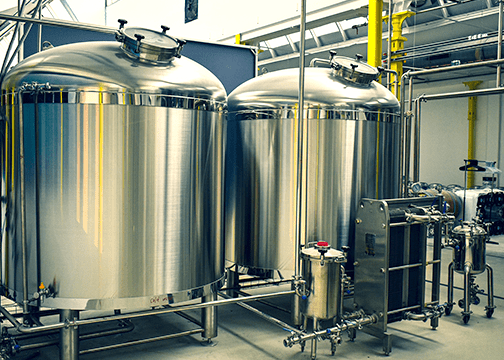
Modern producers increasingly use starter cultures and digital monitoring to achieve consistency and traceability3.
Starter inoculation with defined yeasts or lactic acid bacteria ensures predictable results.
Digital tools (pH meters, temperature sensors, time logs) provide real-time data for quality control.
Benefits include:
- Consistent sensory profiles across harvests.
- Reduced spoilage losses.
- Easier compliance with export safety standards.
Controlled fermentation transforms quality management from guesswork into data-driven precision.
Key Takeaways
- Quality coffee fermentation relies on controlled temperature, time, and microbial balance.
- Poor sanitation or drying practices lead to contamination and off-flavors.
- Molds and mycotoxins are prevented—not corrected—through fast drying and hygiene.
- Controlled fermentations offer a scalable path to safer, higher-value coffee.
Related: For a related coffee science follow-up, read Advanced Coffee Fermentation Techniques Most Roasters Still Don’t Know About next.
Further Reading
- The Microbiology of Coffee Fermentation
- The Biochemistry of Coffee Flavor
- Coffee Fermentation: Wet vs. Dry Processing
