
4 min read
For centuries, coffee fermentation was guided by instinct. Farmers judged progress by smell, texture, or time. Today, that’s changing.
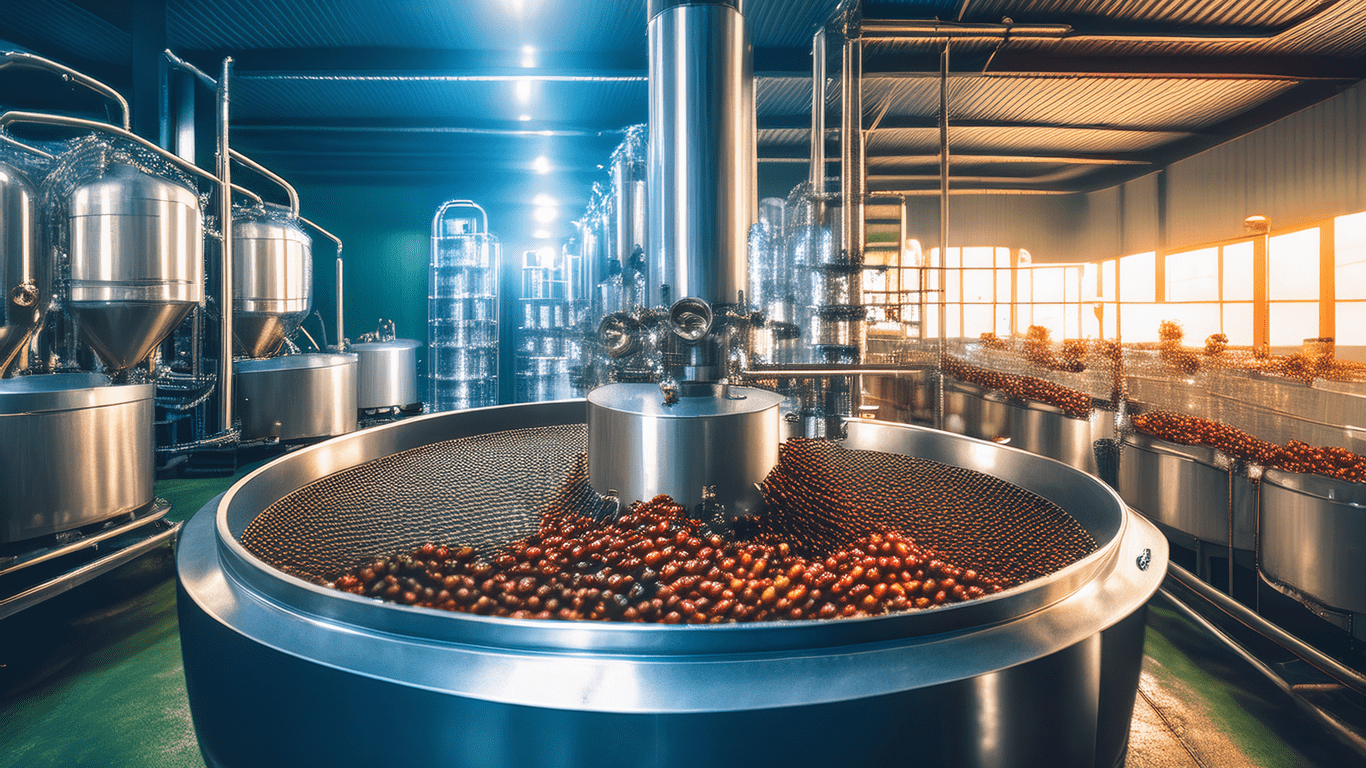
Around the world, producers and researchers are bringing science and data into the process—using selected microbial cultures, temperature control, and real-time monitoring to design flavor profiles with remarkable precision.
This post looks at how controlled fermentation is reshaping specialty coffee and what it means for farmers, roasters, and drinkers.
Table of Contents

Cutting-Edge Coffee Fermentation
Traditional coffee fermentation relies on wild microbes—yeasts and bacteria that naturally occur on the cherries, leaves, and equipment.
While this approach works, it’s unpredictable. Weather, altitude, and microbial diversity can dramatically alter results from one batch to the next.
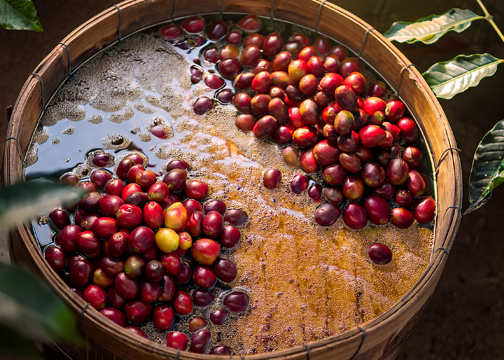
Controlled fermentation replaces chance with design. Producers introduce specific strains of microorganisms under defined conditions (temperature, time, and oxygen exposure).
The result: more consistent coffee, better safety, and the ability to intentionally create distinct flavors.
Starter Cultures: Microbial Precision in a Tank
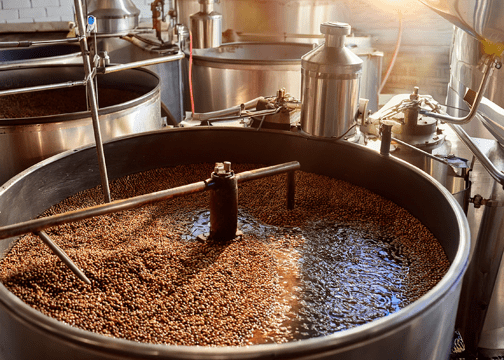
Starter cultures are lab-selected strains of yeasts or bacteria introduced to guide fermentation.
They work much like sourdough starters or winemaking yeasts—fast, reliable, and tailored for specific sensory outcomes.
Common culture types:
- Yeasts (Saccharomyces cerevisiae, Pichia kluyveri): enhance fruity and floral notes.
- Lactic acid bacteria (Lactobacillus plantarum): produce smooth acidity and creamy body.
- Acetic acid bacteria (Acetobacter pasteurianus): used sparingly to fine-tune brightness and complexity.
These cultures allow processors to repeat flavor profiles harvest after harvest, even as environmental conditions change.
The Rise of Anaerobic and Carbonic Maceration Coffee
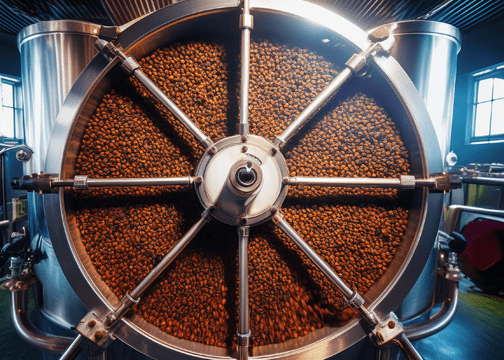
Borrowing from winemaking, many producers now experiment with anaerobic fermentation—fermenting coffee in sealed tanks without oxygen.
Variants include:
- Carbonic maceration: Cherries ferment under injected CO₂, producing exotic fruit and spice notes.
- Low-oxygen fermentation: Slows microbial metabolism, extending fermentation time for deeper sweetness.
- Temperature-controlled tanks: Keep conditions steady between 18–25°C, ensuring balanced acid production.
These methods yield cup profiles once thought impossible in coffee—bright tropical acidity, clean fermentation sweetness, and long aftertaste clarity.
Sensors, Data, and Smart Fermentation
Technology is now central to fermentation control.
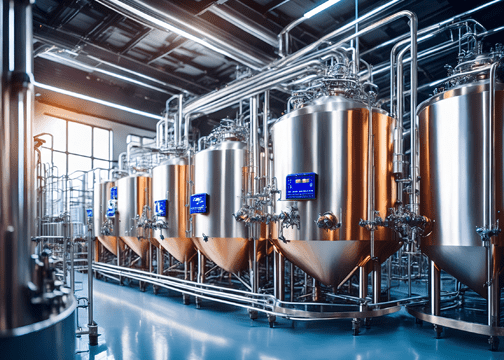
Producers use digital sensors and data logging tools to track temperature, pH, sugar content (Brix), and oxygen levels in real time.
Benefits of digital tracking:
- Predicts when fermentation is “complete” instead of relying on guesswork.
- Detects spoilage or contamination early.
- Builds datasets that link environmental conditions to flavor outcomes.
Some cooperatives even share data between farms, creating open-source “flavor maps” that connect microbial behavior to specific regions and varieties.
AI and Microbial Genomics in Coffee Research
Research institutions in Colombia, Brazil, and Ethiopia are sequencing the genomes of fermentation microbes to identify which strains yield specific flavors.
Machine learning models can then predict how changes in pH, time, or temperature affect sensory outcomes.
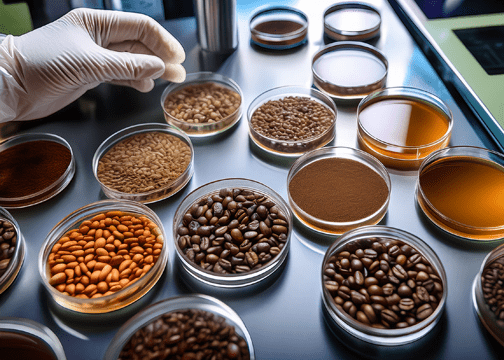
Future starter kits may come with strain recommendations tailored to altitude, cherry variety, and local climate—allowing producers to design flavor the way brewers design beer.
Controlled Fermentation and Sustainability
Beyond flavor, controlled fermentation supports sustainability by reducing waste and energy use:
- Faster, cleaner fermentations lower water consumption.
- Reduced spoilage decreases discarded batches.
- Consistent microbial management helps prevent mold and toxin formation.
Precision control means higher yield and stability—critical for small producers balancing quality with environmental impact.
The Challenges Ahead
Despite the promise, controlled fermentation faces real-world obstacles:
- Cost: Starter cultures and sensors require upfront investment.
- Training: Workers must learn to monitor microbial and chemical data.
- Identity: Some consumers prefer the natural variability of traditional fermentation.
The industry’s challenge will be blending art and science—keeping the soul of coffee while refining its process.

Key Takeaways
- Controlled fermentation replaces guesswork with precision.
- Starter cultures and anaerobic techniques allow repeatable flavor outcomes.
- Digital sensors and AI tools connect environmental data to taste profiles.
- The future of coffee flavor is not random—it’s designed.
Related: For a related coffee science follow-up, read What Makes Wet vs. Dry Coffee Fermentation SO Different next.
Further Reading
- Sustainability in Coffee Fermentation: Turning Waste into Value
- The Biochemistry of Coffee Flavor
- Cocoa and Coffee Fermentation: How Microbes Shape Flavor and Quality
