
8 min read
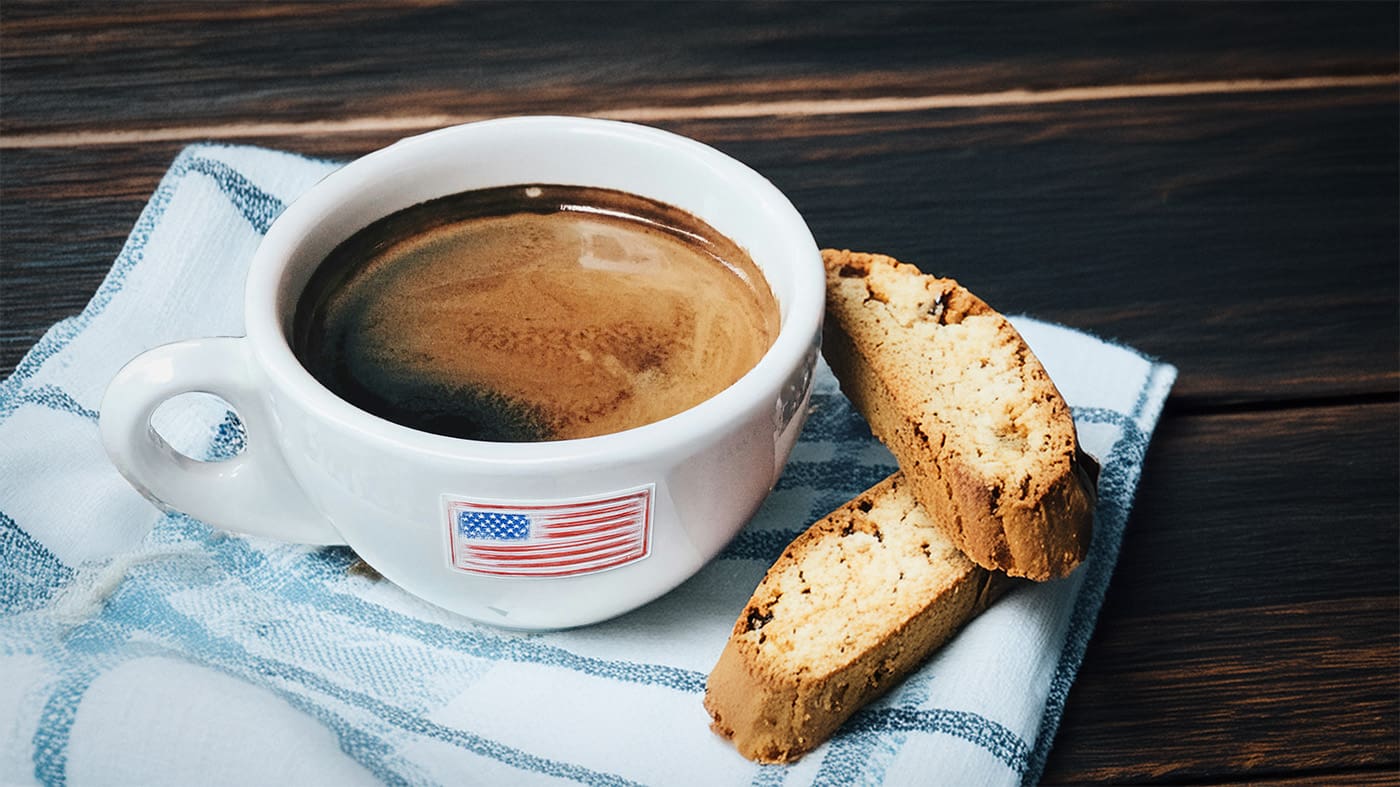
An Americano is espresso diluted with hot water to create a longer, smoother black coffee. It is one of the simplest espresso drinks on the menu, but when made well, it is much more than “watery espresso” — it keeps espresso aroma and character while drinking in a format closer to brewed coffee.
Table of Contents
What is a Caffe Americano?
The Americano (or caffè americano) is a globally recognized coffee beverage built on a simple, brilliant concept: a shot (or two) of espresso diluted with hot water. This process fundamentally changes the espresso’s character, transforming it from a concentrated, syrupy shot into a larger, more sippable drink.

The appeal of the Americano is that it can land near drip-coffee strength while retaining the aromatic qualities of an espresso base. Unlike drip coffee, which is extracted slowly with gravity, an Americano starts with the concentrated, pressurized extraction of espresso.
Adding water softens the shot’s intensity and stretches it into a more sippable cup, but the crema-driven aroma, oils, and espresso flavor notes still shape the drink in a way brewed coffee does not.
History
The drink’s origin is half practicality, half gentle mockery. During World War II, American GIs stationed in Italy wanted a larger, milder cup than the local espresso. Baristas diluted espresso shots with hot water and jokingly called it “caffè all’Americana” — coffee “the American way.”
It started as a concession to foreign palates. But after the war, soldiers brought the habit home, and the joke evolved into a full-fledged café staple across the U.S., then globally.
Key Takeaways
- Americano = espresso + hot water (no milk by default).
- Typical ratios: 1:3 to 1:4 (espresso: water); adjust to make it stronger or milder.
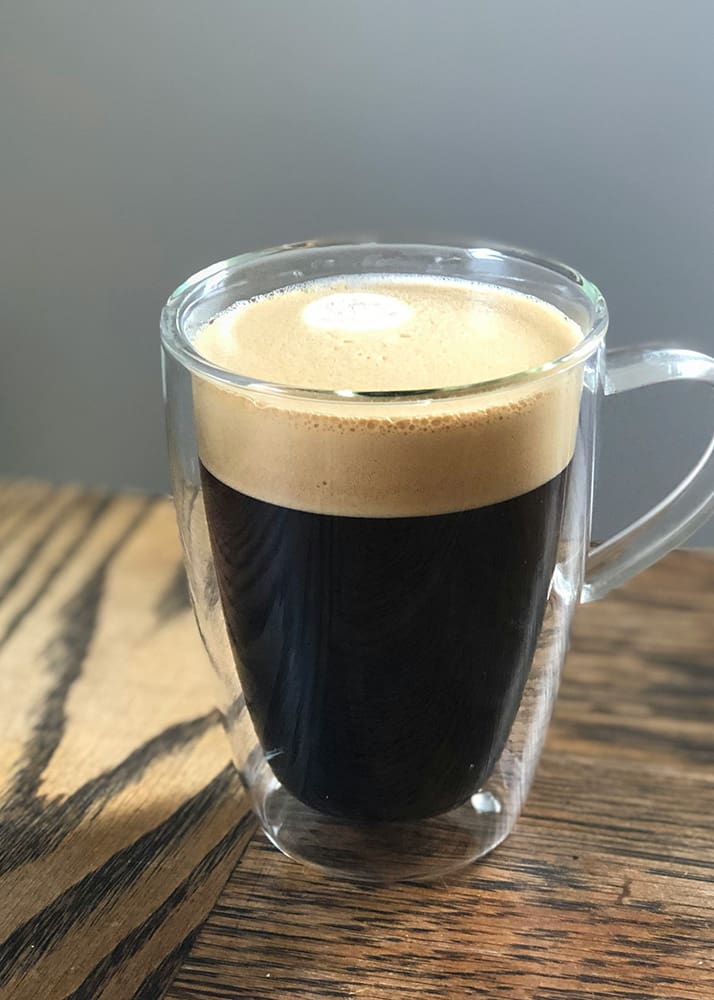
- Order changes the cup: water first = traditional Americano; espresso first = more crema (long black style).
- Flavor: smoother than straight espresso; oils and aromatics remain.
- Works hot or iced; easy to customize, but excellent on its own.
How to Make a Classic Americano
While the recipe card below has the full details, the process is simple. The key is using good espresso and water that is hot, but not boiling, as boiling water can scald the espresso.
- Pull Your Shot: Prepare a single or double shot of espresso into a cup.
- Heat Your Water: Bring fresh, filtered water to a near-boil (around 195°F to 205°F, or 90°C to 96°C).
- Combine: Gently pour the hot water over your espresso shot. A standard ratio is 1 part espresso to 3 or 4 parts water, but you should adjust it completely to your taste.
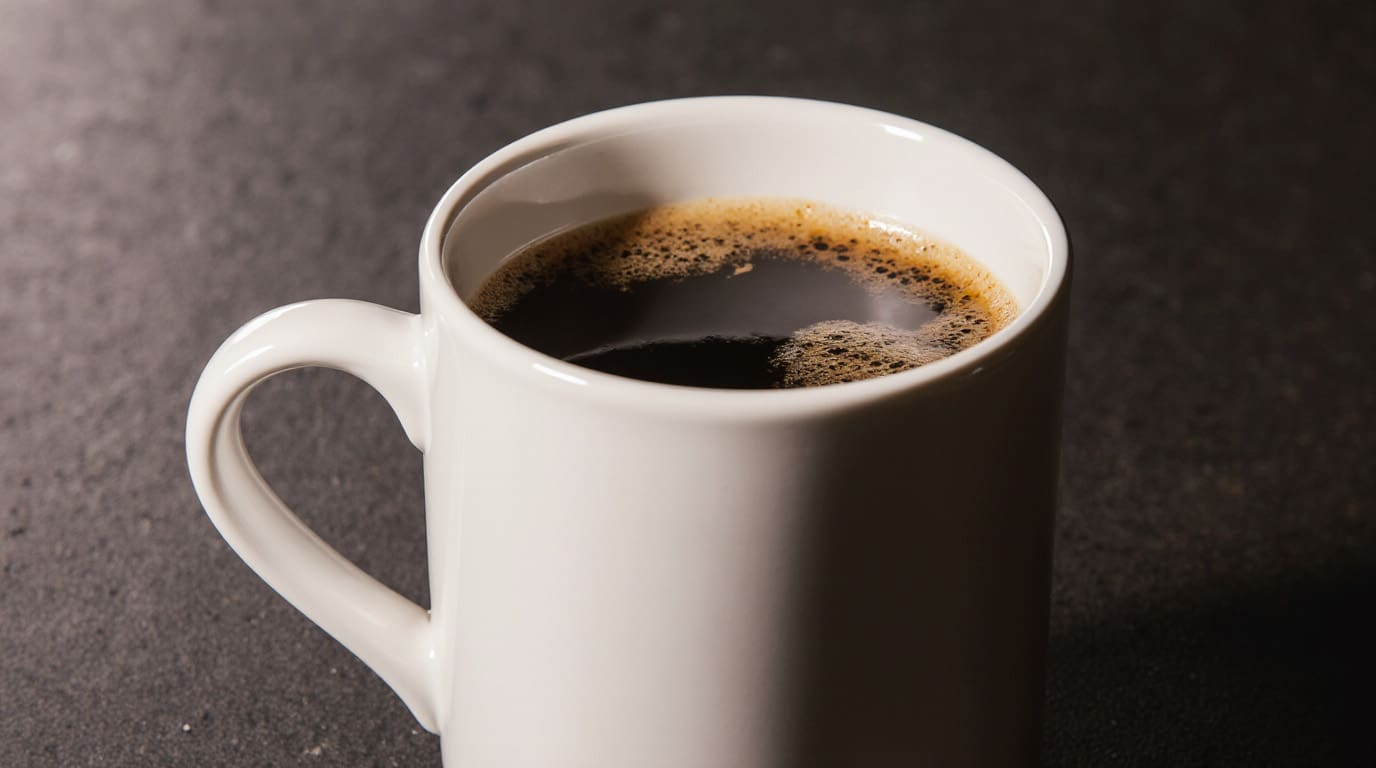
Americano (Espresso with Hot Water)
Equipment
- 1 Espresso Machine Any reliable machine capable of consistent extraction
- 1 Coffee Grinder Capable of a fine espresso grind
- 1 Kettle To provide stable, near-boiling water
Ingredients
- 18 g Espresso Use espresso grind and freshly roasted beans
- ~54–72 g Hot Water Roughly a 1:3 to 1:4 espresso-to-water ratio; adjust strength to taste
Instructions Cook Mode
- Preheat your espresso machine, portafilter, and cup.
- Grind the coffee finely, dose 18 g (or 36 g for a double), and tamp evenly.
- Pull your espresso shot.

- Heat water to 185–200 °F (85–95 °C).
- Choose your pouring method:Standard Americano (best crema retention): Add hot water to the cup first, then pour the espresso over it.Alternate method: Pull espresso first, then top with hot water (slightly more agitation).
- Adjust with additional hot water to your preferred strength and volume.
- Serve immediately.
Video
Notes
- Typical finished volume: ~6–8 oz.
- Using water-first preserves crema and aroma.
- Great served black; milk additions move it closer to a “long black” or “americano misto.”
Nutrition
Variations and Modern Takes
• Iced Americano — espresso over cold water, then ice; intense but refreshing
• “Little Buddy” / Italiano Americano — 1:1 ratio for a compact, strong version
• Nitro Americano — espresso diluted with cold water and charged with nitrogen for a creamy cascade
• Flavored versions — vanilla, caramel, almond, etc. (popular in chains; not traditional)
Cultural Reception
In Italy, the Americano is still associated with tourists. Most locals stick to espresso or moka pot coffee at home. In North America, it’s the go-to “black coffee” in espresso bars, especially where drip isn’t brewed fresh all day. In South Korea, the iced Americano is so popular it’s practically a cultural meme — it’s the default order year-round.

How the Americano Compares
Americano vs. Long Black
Both drinks contain the exact same ingredients, but the build order fundamentally changes the result.
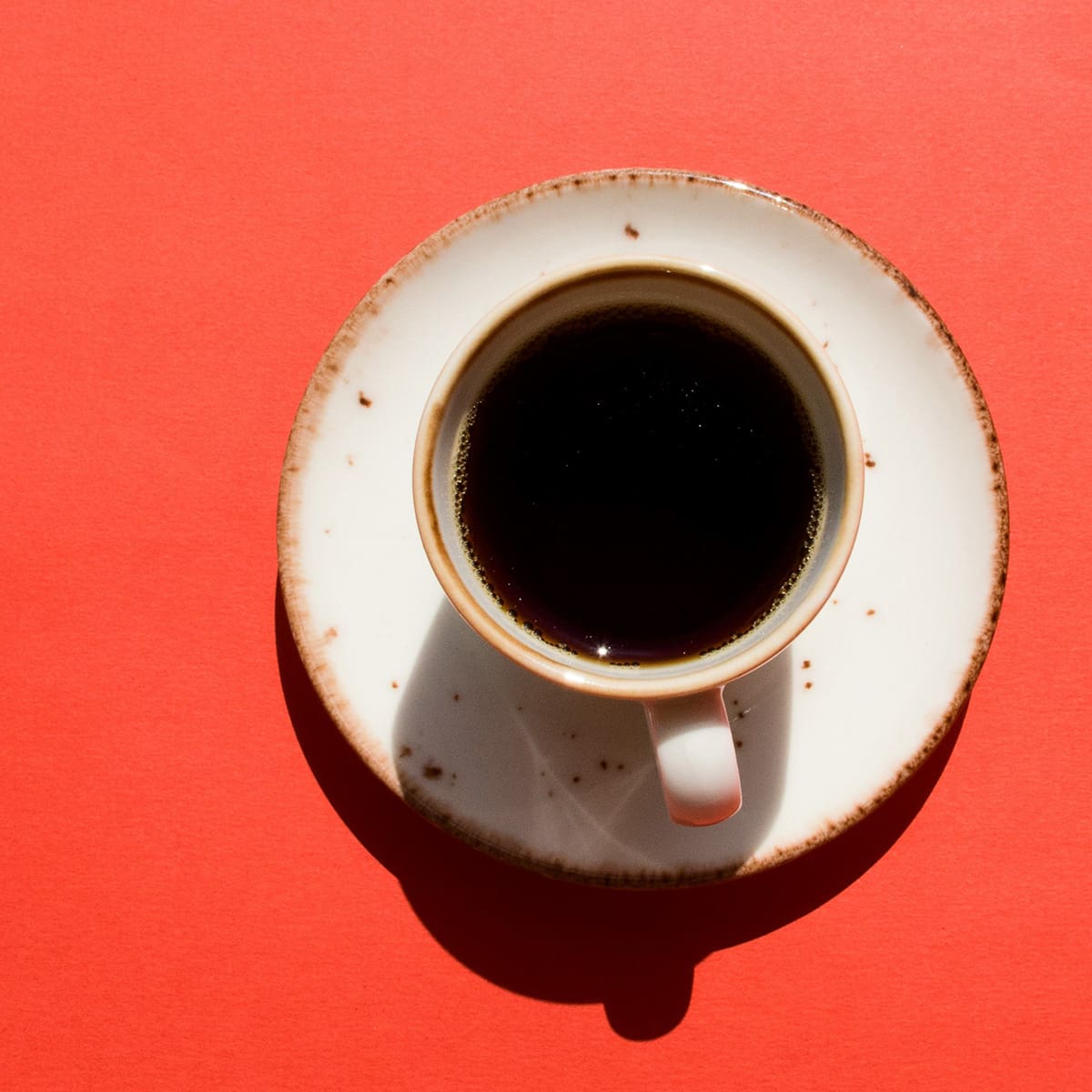
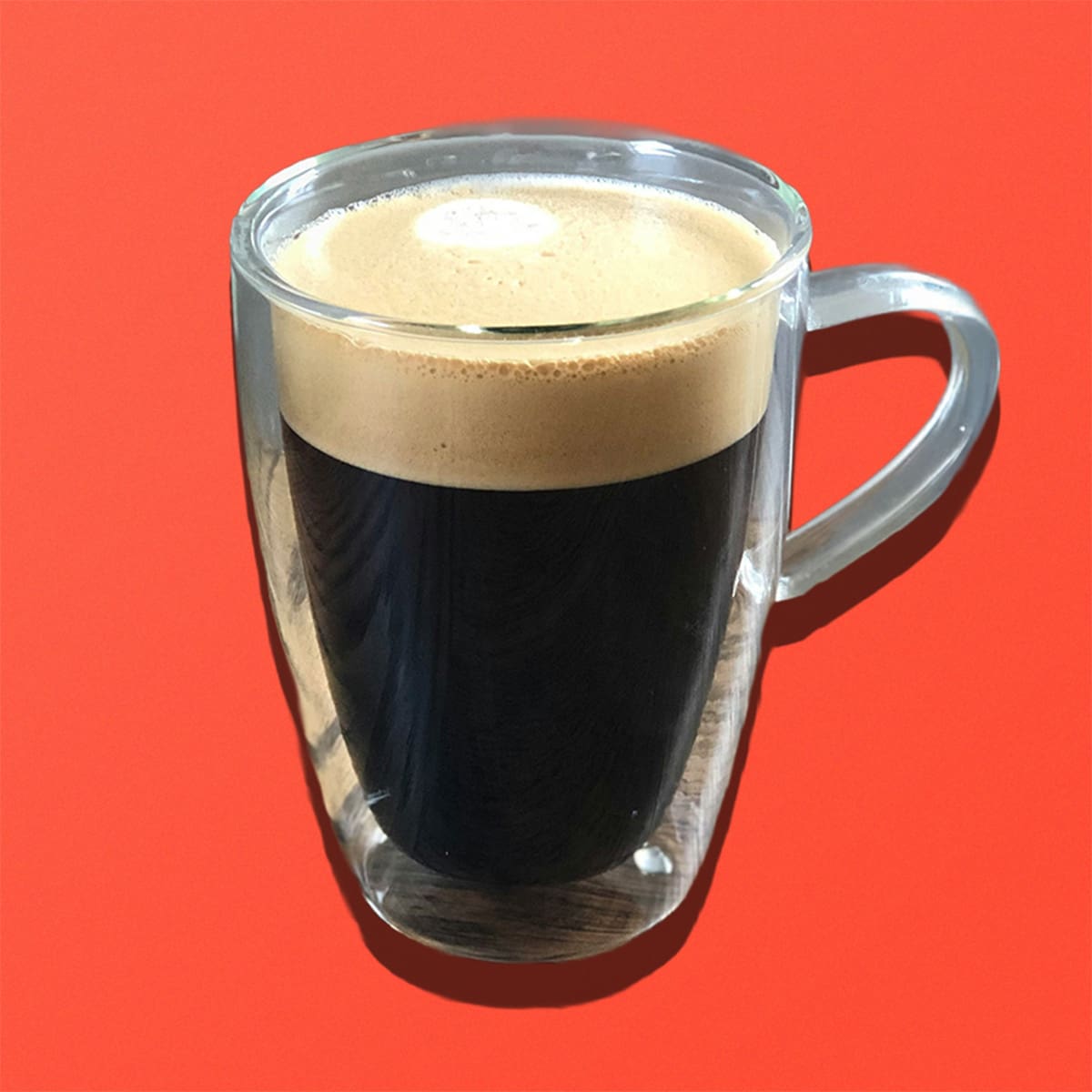
- Americano: Espresso is pulled first, and hot water is poured on top. This process tends to mix the drink thoroughly and dissipate the espresso’s crema, resulting in a smoother, gentler, and more homogenous cup.
- Long Black: Hot water is poured into the cup first, and the espresso is then extracted directly on top of it. This method preserves the rich crema, leading to a bolder aroma, a more pronounced espresso “presence,” and a slightly more intense flavor.
🫠 The takeaway: If you want a softer drink that sips more like a classic drip coffee, order an Americano. If you prefer a crema-forward cup with more aromatic intensity, order a Long Black.
Related Americano guides:
Americano vs. Drip Coffee
While they may have similar caffeine content and strength, their flavor and texture are the result of two vastly different extraction methods.
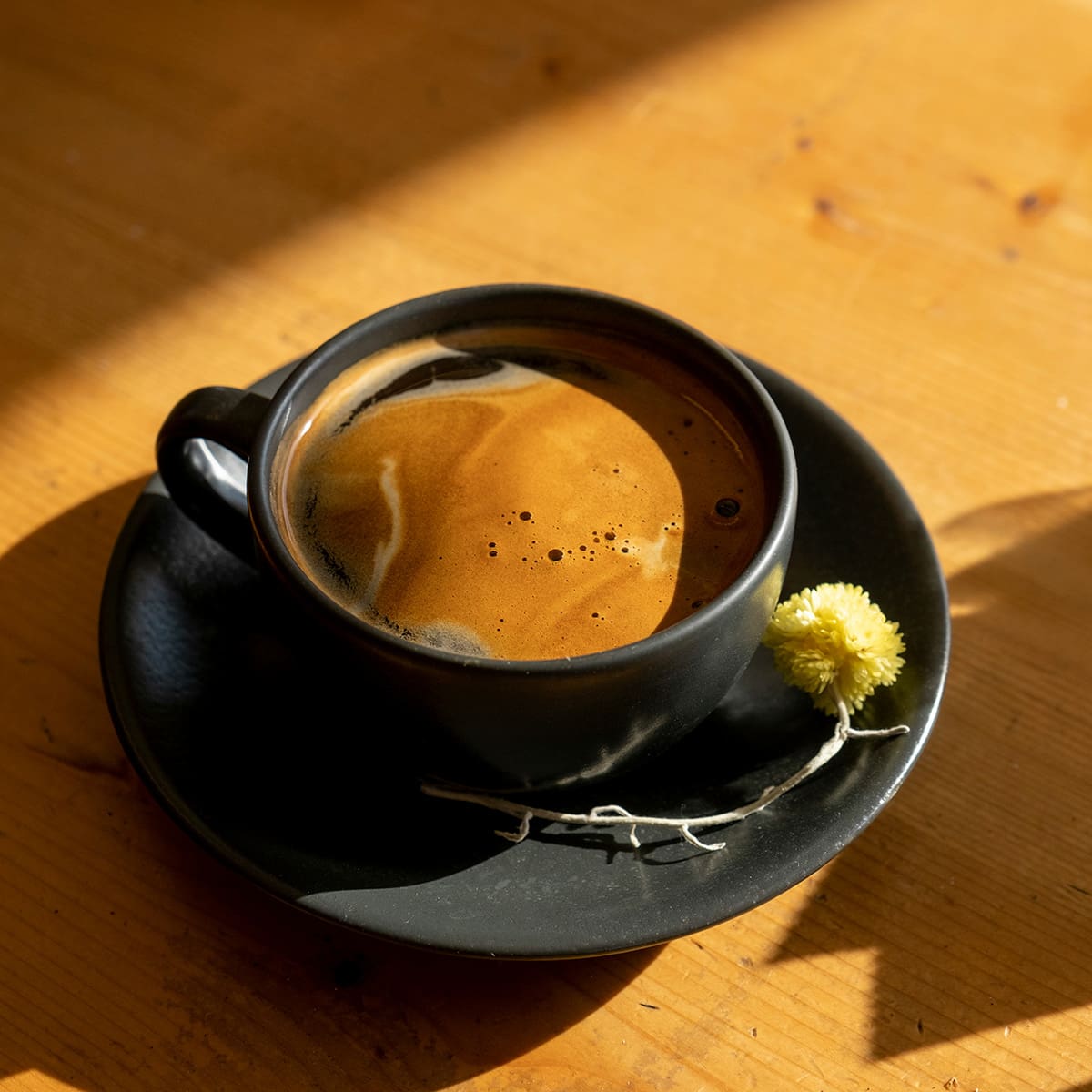
- Americano: Starts with espresso, which is water forced through fine grounds at high pressure. This process emulsifies the coffee’s oils, creating the signature crema and a heavier body that carries through even after dilution.
- Drip Coffee: Uses gravity and a longer extraction time. The paper filter used in most drip methods traps the majority of those oils, resulting in a “cleaner,” brighter cup with more delicate flavor notes.
Americano vs. Lungo
This comparison highlights the difference between dilution and over-extraction.
- Lungo (Italian for “long”): A lungo is a “long pull” espresso, where two or three times the normal amount of water is forced through the coffee puck. This extended extraction time often pulls unwanted bitter and harsh compounds from the grounds.
- Americano: A regular, balanced espresso shot is extracted first, and then diluted with hot water. This preserves the shot’s optimal balance and intended flavor, simply stretching it into a larger, less intense drink without introducing the bitterness of over-extraction.
Flavor and Dial-In Notes
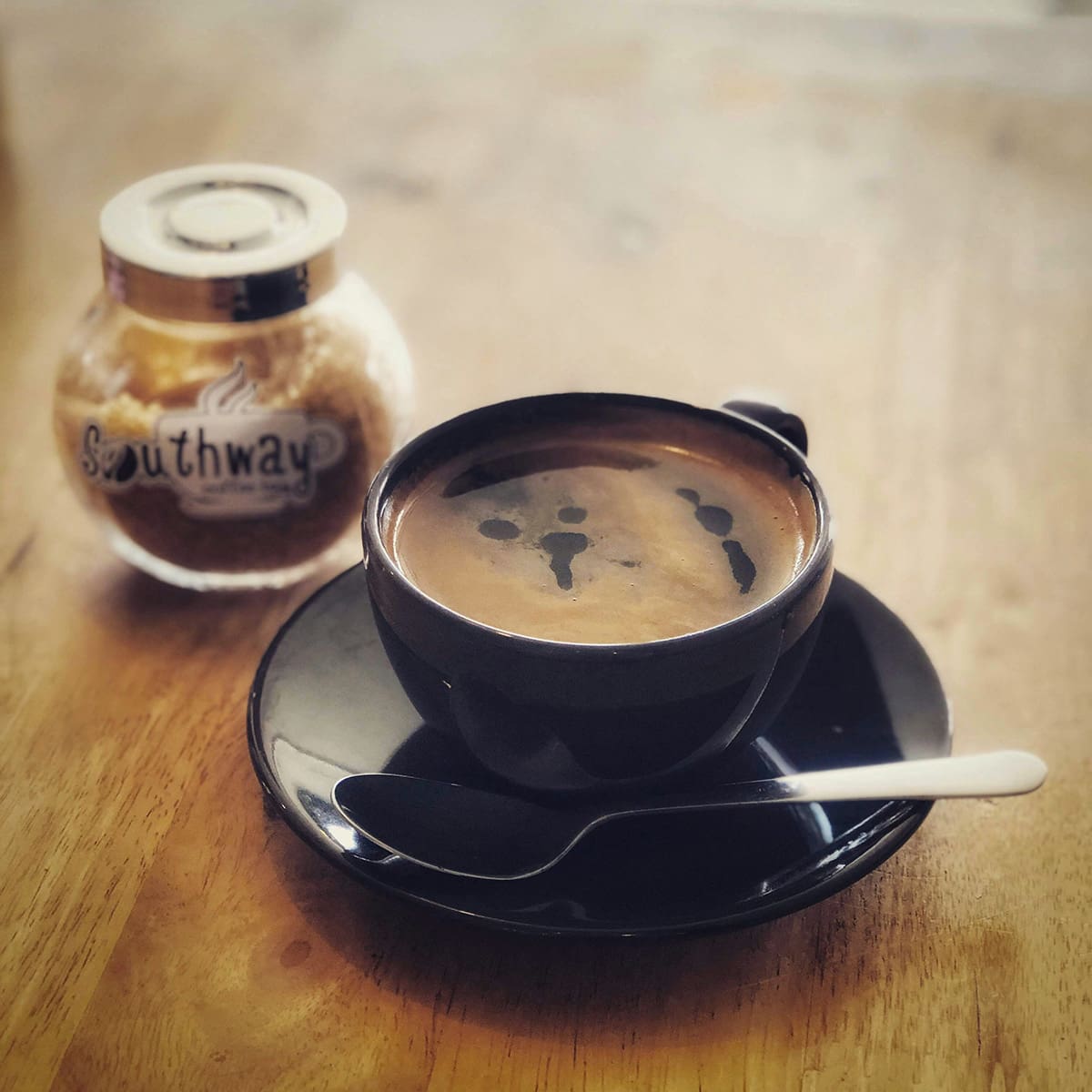
- Expect caramel, nutty, or chocolate notes to show more clearly.
- If the drink tastes weak, reduce water or pull a double.
- If it tastes too harsh or roasty, add a bit more water or reduce the shot size.
- Light roasts can shine if extraction is dialed in; medium to dark roasts are more forgiving.
Caffeine Range
| Beverage | Serving Size | Approx. Caffeine | Notes |
|---|---|---|---|
| Americano (8 oz) | 8 fl oz (single or double espresso + hot water) | 60–130 mg | Comparable caffeine range to an 8 oz drip coffee. |
| Drip Coffee (8 oz) | 8 fl oz brewed | 70–140 mg | Strength varies by roast, grind, and brew time. |
A Barista’s Take: The “Right” Way vs. The “Fast” Way
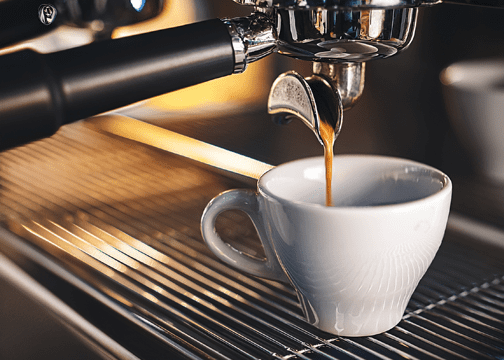
🕰️ When I was a barista in Seattle in the mid-2000s, one common house approach was to pull the espresso directly into hot water. That preserved more crema on top and gave the cup a sweeter, more aromatic start. In many cafés, that build felt like the “proper” Americano.
That said, plenty of cafés still build the drink the other way around by adding hot water to espresso after the shot is pulled. The difference is real, but it is better framed as a style choice than a moral failure. If you care about crema and aroma, the water-first build is usually the more satisfying one.
The Bottom Line
The Americano originated as a wartime workaround and a mild insult—but ultimately became a global café mainstay. Built correctly, it delivers espresso flavor in a more approachable, sippable format. Dial the ratio, choose your pour order, and you control everything from crema thickness to intensity.
