
4 min read
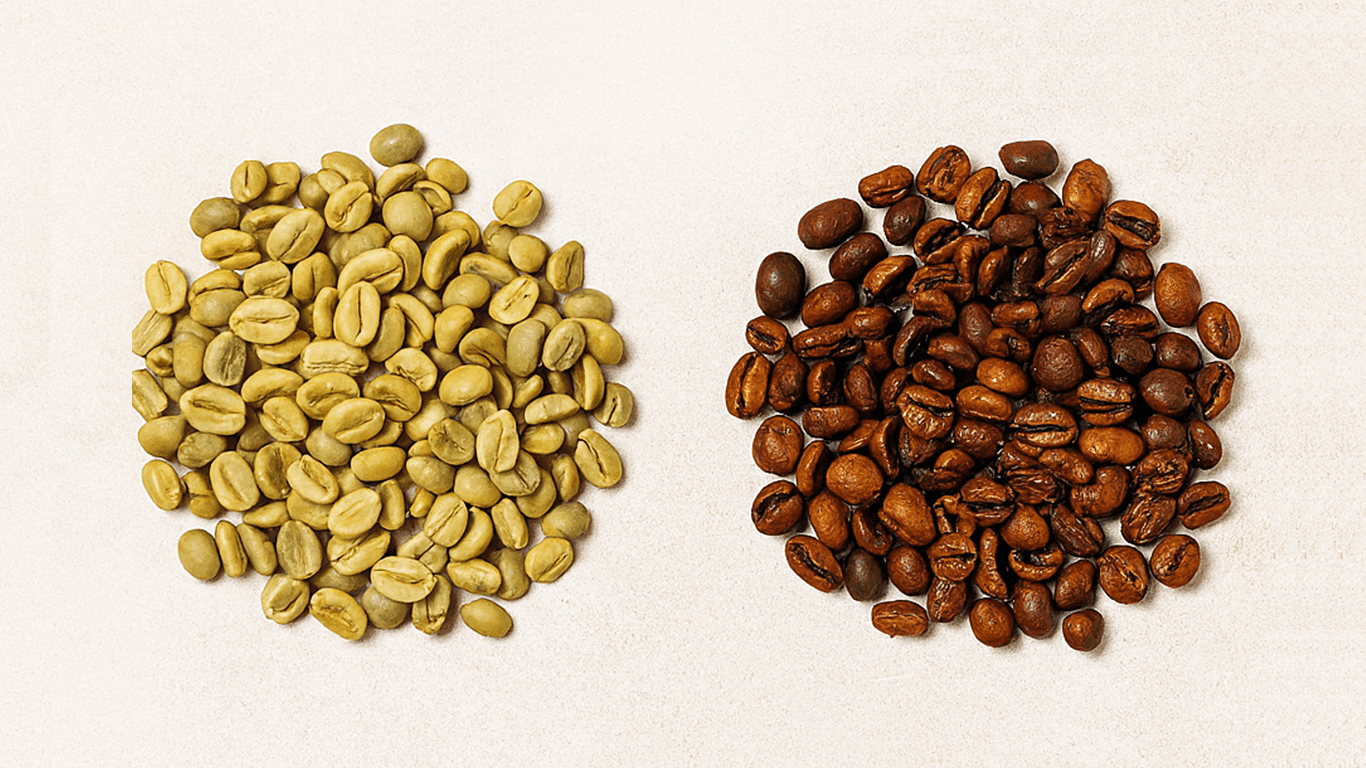
Every coffee bean begins life surrounded by layers of fruit, pulp, and mucilage. Fermentation is how those layers are removed—and how much of the bean’s eventual flavor is created.
Two main methods define how this happens: the wet process (washed coffee) and the dry process (natural coffee). Both rely on microbial fermentation, but each creates a distinct flavor profile, texture, and cup experience. Understanding the differences in Wet vs. Dry Coffee Fermentation is crucial for coffee enthusiasts.
Table of Contents
The Purpose of Fermentation in Coffee
Fermentation in coffee serves two essential goals:
- Breaking down mucilage—the sticky, sugar-rich layer around the beans.
- Developing flavor precursors—organic acids and aroma compounds that will later transform during roasting.
When done correctly, fermentation balances sweetness and acidity. When done poorly, it introduces bitterness or off-flavors. The difference often comes down to process control.
Honey and Semi-Washed Processes
Between wet and dry methods lies the honey process (also called pulped natural).
Here, the skin is removed but some mucilage remains during drying. Microbial activity continues on the sticky surface of the bean.
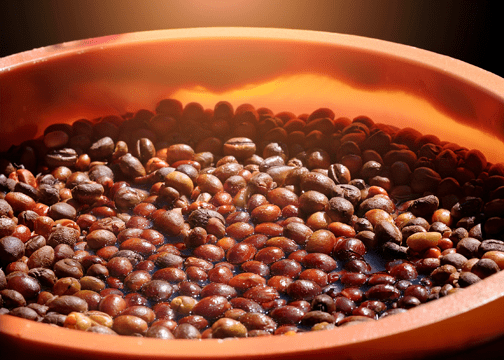
Flavor Outcomes:
- Balanced sweetness and acidity.
- Syrupy body and caramel-like finish.
- Controlled risk of over-fermentation compared to naturals.
Producers can adjust the amount of mucilage left on the bean—creating variations known as yellow, red, or black honey depending on drying time and exposure.
Environmental and Quality Factors
Each method carries trade-offs between flavor, labor, and sustainability:
| Process | Water Use | Labor | Risk of Defects | Typical Flavor |
|---|---|---|---|---|
| Wet | High | Moderate | Low | Clean, bright, citrus |
| Dry | Low | High | Moderate | Fruity, heavy, winey |
| Honey | Moderate | High | Moderate | Sweet, balanced |
Climate also dictates feasibility—wet processes thrive in regions with abundant water and low humidity; dry processes excel in arid climates where sun drying is efficient.
Microbial Control and Innovation
Modern coffee science is turning fermentation into a controllable variable. Producers now experiment with starter cultures, anaerobic tanks, and carbonic maceration—techniques borrowed from winemaking—to achieve repeatable results and unique cup profiles.
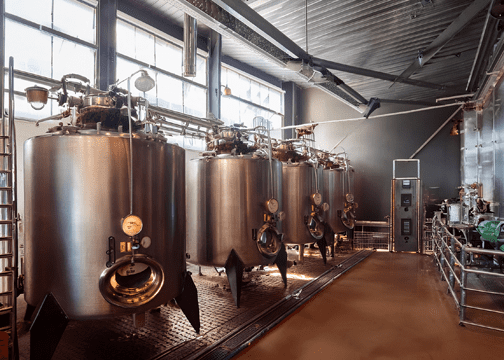
Controlled fermentation allows for:
- Faster mucilage breakdown.
- Defined acidity curves.
- Custom flavor outcomes (e.g., tropical fruit, chocolate, or spice notes).
These innovations blend traditional methods with microbiological precision, turning fermentation from a natural risk into a creative tool.
Key Takeaways
- The wet process yields cleaner, brighter flavors; the dry process gives fruity, heavier cups.
- Microbes drive both methods, shaping flavor precursors during fermentation.
- Honey and hybrid processes balance water efficiency with sweetness.
- Controlled fermentation is redefining coffee quality and traceability.
Related: For a related coffee science follow-up, read Cocoa and Coffee Fermentation: How Microbes Shape Flavor and Quality (Complete Guide) next.
Further Reading
- The Microbiology of Coffee Fermentation
- Cocoa and Coffee Fermentation: How Microbes Shape Flavor and Quality
