
8 min read
It depends on the fast. On a strict water fast, coffee with stevia breaks it, since anything other than water counts. For intermittent fasting, coffee with stevia is generally fine. Stevia has zero calories, and human trials show no meaningful change in blood sugar or insulin.
That said, the science has a few wrinkles worth knowing, and some people respond to sweet tastes in ways that work against their fast. Here is the full picture.
What stevia actually is
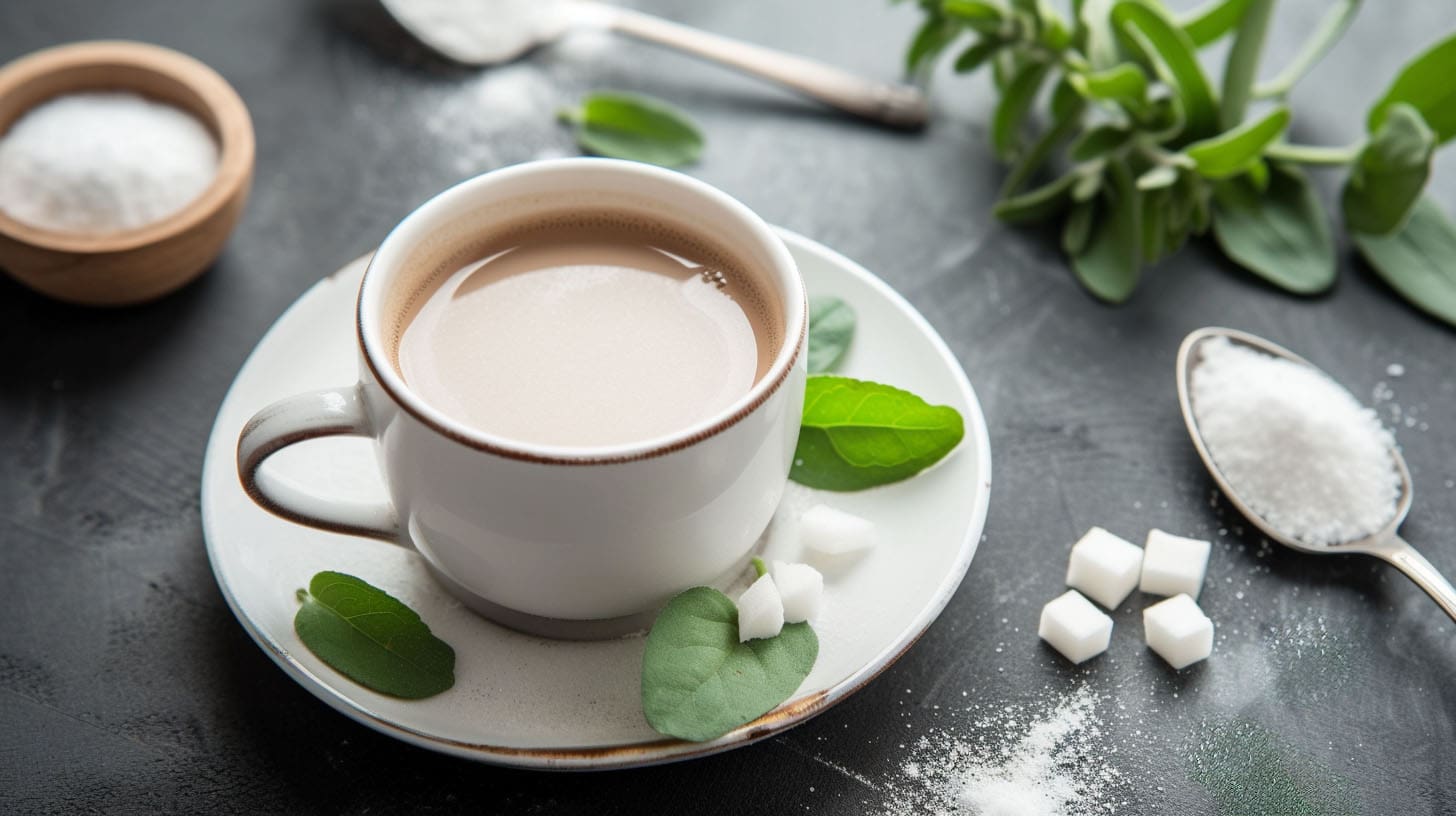
Stevia is a natural sweetener extracted from the leaves of the Stevia rebaudiana plant. It is many times sweeter than sugar, has zero calories, and sits low on the glycemic index, which is why it shows up so often in sugar-free and keto products. It is widely considered safe to consume, and you can buy it as a powder, a liquid, or granules.
For fasters, those two properties are the whole appeal. No calories means no digestion to kick off, and a low glycemic impact means your blood sugar should, in theory, stay flat. Whether theory holds in practice is what the rest of this article digs into.
It depends on which fast you are doing
Fasting just means abstaining from food and drink for a set period. People have done it for centuries for religious and cultural reasons, and more recently for health and weight loss. But “fasting” covers several very different protocols, and the stevia answer changes with each one.
- Water fast Stevia: no
- Only water, nothing else. Coffee alone breaks this one, with or without stevia.
- Dry fast Stevia: no
- No food or liquid at all, so the question does not even come up.
- Intermittent fasting Stevia: generally yes
- Eating restricted to certain hours or days. Zero-calorie drinks like black coffee, tea, and coffee with stevia are typically allowed in the fasting window.
- Alternate day fasting Stevia: generally yes
- Normal days alternate with very low-calorie days. Stevia in coffee fits the same logic as intermittent fasting.
- Juice or partial fast Stevia: usually fine
- These already allow calories or specific foods, so a zero-calorie sweetener is rarely the issue.
- Religious fast Stevia: depends
- Rules vary by tradition. Follow the observance, not a nutrition blog.
One general caution: even when stevia is allowed, too much coffee is its own problem. Keep it moderate.
The case for and against
- Zero calories Nothing for your body to digest, so it will not break an intermittent fast the way sugar or cream does.
- Curbs hunger Coffee already blunts appetite. Making it palatable with stevia can help you push through the hungrier stretches of a longer fast.
- Possible insulin effects Some research points to an insulin response from stevia, while other studies find the exact opposite. The science is mixed. More on that below.
- Cravings Sweet taste, even calorie-free, triggers some people to want more food, which can end a fast early.
- Individual response Bodies differ. Some people simply notice worse results when they fast with sweeteners.
- Habit Relying on sweet coffee can make it hard to drop the sweetener even outside the fasting window.
What the studies actually show
This is where the internet argues, so let me lay it out plainly. The worry comes mostly from lab work suggesting steviol glycosides can stimulate insulin secretion from cells. If that carried over to your morning coffee, an insulin bump would work against the fat-burning state fasting is meant to create.
Human trials, though, mostly fail to find that effect. A controlled trial published in the National Library of Medicine found no significant differences in fasting blood sugar, insulin, HbA1c, or lipid levels between people consuming stevia and the control group. An earlier study in Appetite went further, finding lower post-meal insulin after stevia compared with both sugar and aspartame.
In cells, stevia can nudge insulin. In people, the effect mostly fails to show up.
My honest read: for most people doing intermittent fasting, stevia in coffee is a non-issue. If you are fasting specifically for tight insulin control, or you notice stalled results, run a couple of weeks without it and compare. Your own response is better data than either study.
Other natural options
Stevia is not the only natural zero-calorie sweetener people reach for during a fast. The common alternatives behave similarly on paper.
- Stevia extract Plant-derived
- From the stevia leaf. Available as powder, liquid, or granules. Zero calories, low glycemic index.
- Monk fruit Plant-derived
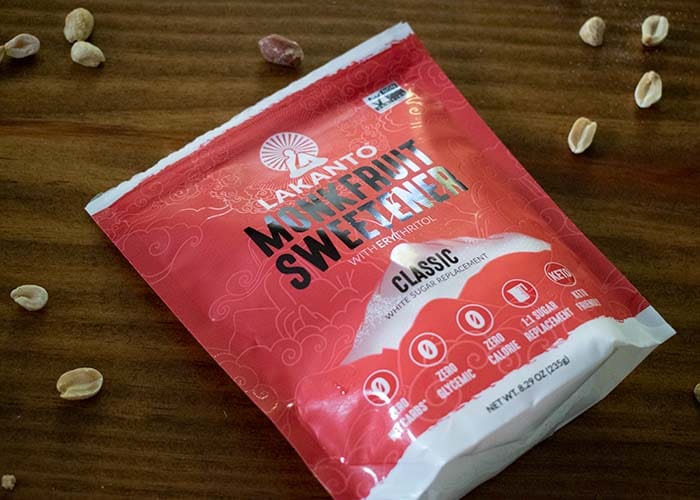
- Made from monk fruit. Low in calories and does not raise blood sugar levels. Many people find its taste cleaner than stevia.
- Sugar alcohols Erythritol, xylitol
- Low in calories and easy on blood sugar, but they can cause digestive trouble in larger amounts. Less practical for coffee during a fast.
Artificial sweeteners are a different story
Artificial, or non-nutritive, sweeteners make things taste sweet without calories. They are what you find in diet soda and most sugar-free candy. The big four:
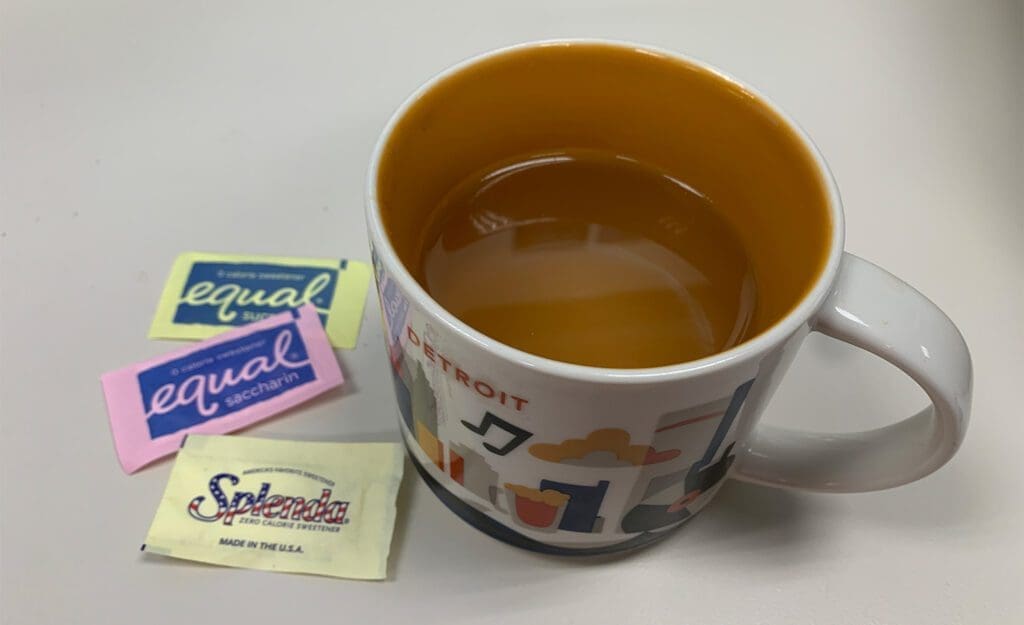
- Sucralose Splenda
- Derived from sugar, non-caloric, and roughly 600 times sweeter than sugar.
- Aspartame Equal
- Made from two amino acids. About 200 times sweeter than sugar.
- Saccharin Sweet and Low
- Zero calories and 300 to 400 times sweeter than sugar. Common in diet products.
- Acesulfame potassium Sweet One
- About 200 times sweeter than sugar, usually blended with other sweeteners in diet drinks.
None of these carry calories, so technically none of them break a fast. But newer research suggests artificial sweeteners may not be great for people with certain medical conditions, with possible knock-on effects for insulin use and glucose management that could eventually work against weight goals. If the point of your fast is metabolic health, natural options like stevia or monk fruit are the safer bet, and plain black coffee is the safest of all.
Why insulin is the whole question
If the sweetener debate seems oddly obsessed with one hormone, here is why. When you eat, your body releases insulin to move glucose out of the bloodstream and into cells for energy or storage. When you fast, insulin falls, and your body switches to burning stored glycogen and body fat instead.
That switch is the payoff of fasting. Anything that spikes insulin, like carbs or added sugar, flips you back out of the fasted state. That is the entire reason people scrutinize sweeteners: not the calories, which are zero, but whether the sweet taste alone nudges insulin enough to matter. For stevia, the human evidence says mostly not. For your body specifically, the only way to know is to test.
I am not a doctor, and fasting is not right for everyone. If you are managing a medical condition, taking medication, or new to fasting entirely, talk to a healthcare professional before starting any fasting routine.
Frequently asked questions
Does stevia break a fast?
For intermittent fasting, no. It has zero calories and human trials show no meaningful change in blood sugar or insulin. For a strict water fast, yes. Anything other than water breaks it, coffee included.
Does stevia spike insulin?
The evidence is mixed. Lab work suggests steviol glycosides can stimulate insulin secretion in cells, but controlled human trials found no significant change in fasting blood sugar, insulin, or HbA1c. In practice the effect appears minimal for most people.
Is monk fruit better than stevia for fasting?
They behave similarly. Both are zero-calorie natural sweeteners that do not raise blood sugar. Pick whichever tastes better to you and watch how your own body responds.
Do artificial sweeteners break a fast?
Not in the caloric sense. But some research ties them to insulin and glucose management problems in certain people, so many fasters skip them and stick to natural options or plain black coffee.
The bottom line
Water fast: no. Intermittent fast: yes, coffee with stevia is fine for most people, and it can genuinely make the fasting window easier to get through. Keep the coffee moderate, notice whether sweet taste sets off cravings for you, and if you are fasting for tight metabolic control, try a stretch without it and let your own results decide.
Sources
- Peteliuk V, et al. Natural sweetener Stevia rebaudiana: functionalities, health benefits and potential risks. EXCLI Journal, 2020.
- Ajami M, et al. Effects of stevia on glycemic and lipid profile of type 2 diabetic patients. National Library of Medicine.
- Anton SD, et al. Effects of stevia, aspartame, and sucrose on food intake, satiety, and postprandial glucose and insulin levels. Appetite, 2010.
- Yale New Haven Health. Sugar alcohols.
- Mayo Clinic. Artificial sweeteners and other sugar substitutes.