
4 min read
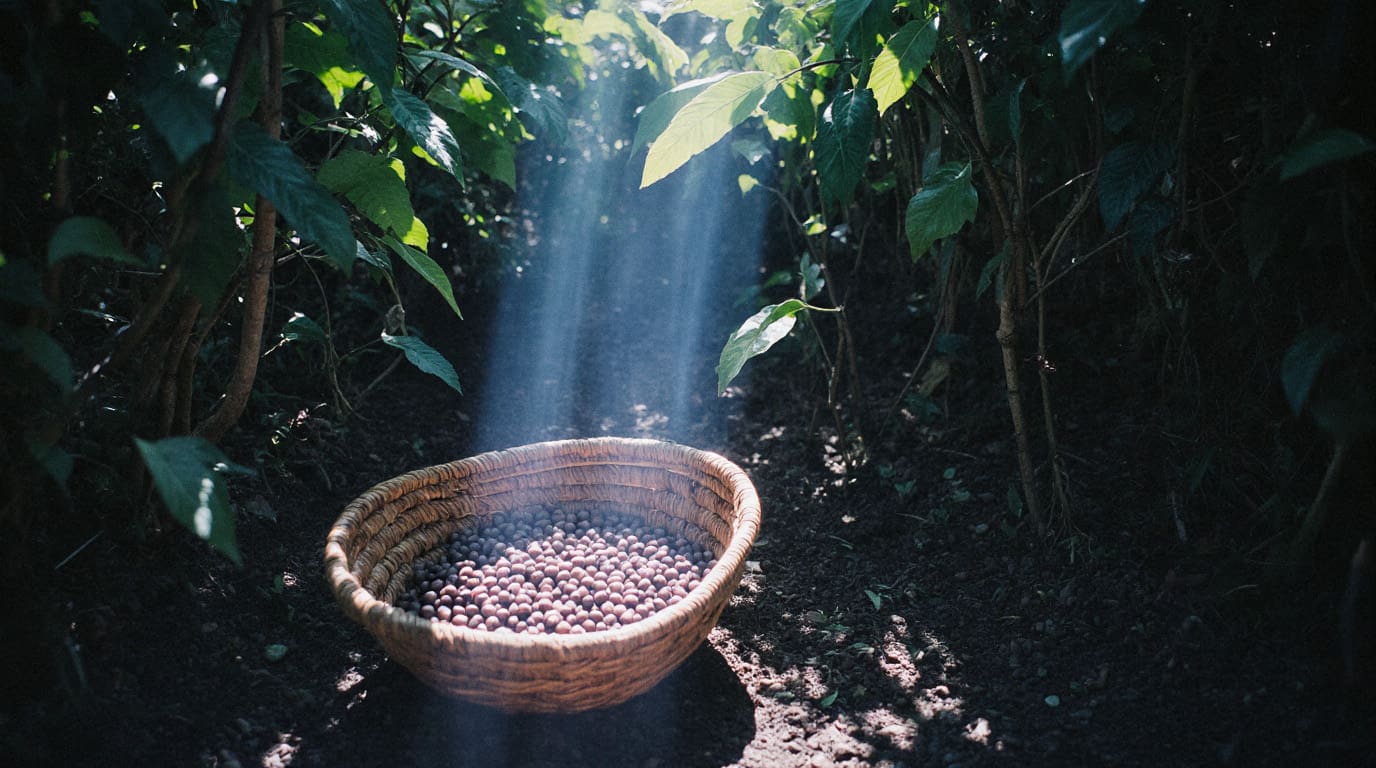
Every cup of coffee begins with a biological symphony. Before roasting, before grinding, before the first pour-over bloom—there’s fermentation. Inside tanks or drying beds, microscopic life transforms freshly harvested coffee cherries into aromatic green beans. These microbial reactions determine whether your brew tastes floral, fruity, nutty, or dull.
This guide explores the microbiology of coffee fermentation. This means the microorganisms that drive coffee fermentation, their sequence of activity, and how managing them improves consistency, flavor, and quality.
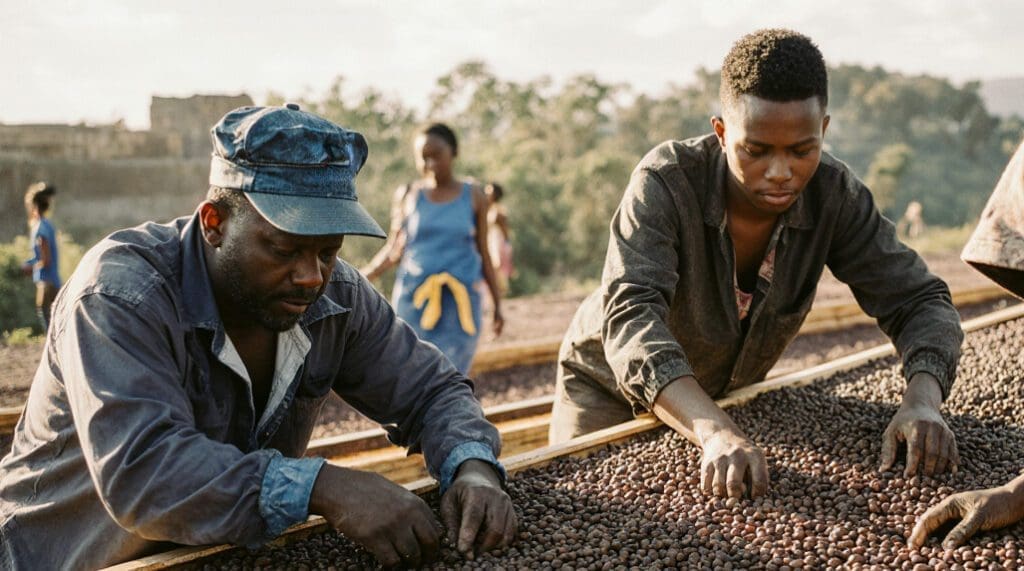
Table of Contents

The Invisible Beginning: Microbes at Work
Coffee fermentation starts the moment cherries are depulped or left to dry intact.
The sticky mucilage that surrounds the beans is full of sugars, amino acids, and pectins—ideal food for microorganisms.
Naturally present yeasts and bacteria feed on this material, breaking it down while releasing alcohols, acids, and enzymes. As the pulp dissolves, the beans slowly lose their slimy coating and begin to dry—ready for roasting months later.
This microbial action is more than a cleaning process; it’s what creates coffee’s foundational flavor compounds.
Stage One: Yeasts Start the Fermentation
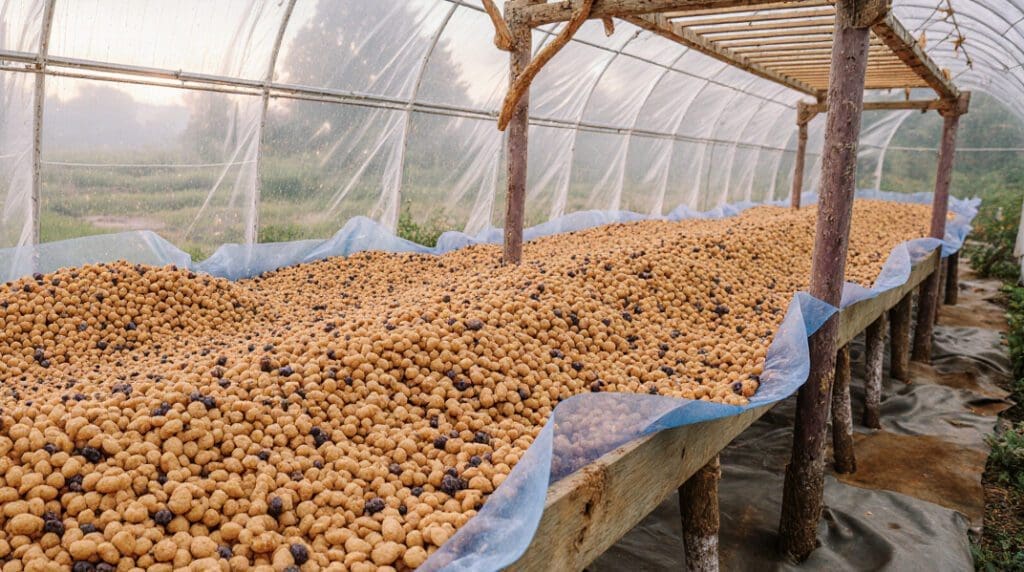
The first responders in coffee fermentation are yeasts—single-celled fungi that thrive in sugary, low-oxygen environments.
Dominant species include:
- Saccharomyces cerevisiae
- Pichia kudriavzevii
- Hanseniaspora uvarum
- Candida krusei
What they do:
- Convert pulp sugars into ethanol, CO₂, and heat.
- Release fruity, floral esters that influence aroma.
- Produce enzymes (pectinases, cellulases) that help remove the mucilage coating.
During this phase, the fermentation mass can reach 35–40°C, and the sweet smell of alcohol and fruit signals that yeast metabolism is in full swing.
Stage Two: Lactic Acid Bacteria (LAB) Take Over
As oxygen seeps in and sugars are depleted, lactic acid bacteria (LAB) become dominant.
They prefer the mildly acidic environment created by yeast activity and continue the transformation.
Key species:
- Lactobacillus plantarum
- Leuconostoc mesenteroides
- Weissella cibaria
Their role:
- Convert sugars and organic acids into lactic acid, giving coffee a smoother, balanced acidity.
- Help suppress spoilage organisms by lowering the pH.
- Contribute subtle dairy, buttery, or yogurt-like flavor notes found in certain washed coffees.
The LAB phase typically lasts 12–24 hours and bridges the gap between yeast-driven sweetness and the acidic sharpness that follows.
Stage Three: Acetic Acid Bacteria Bring the Heat
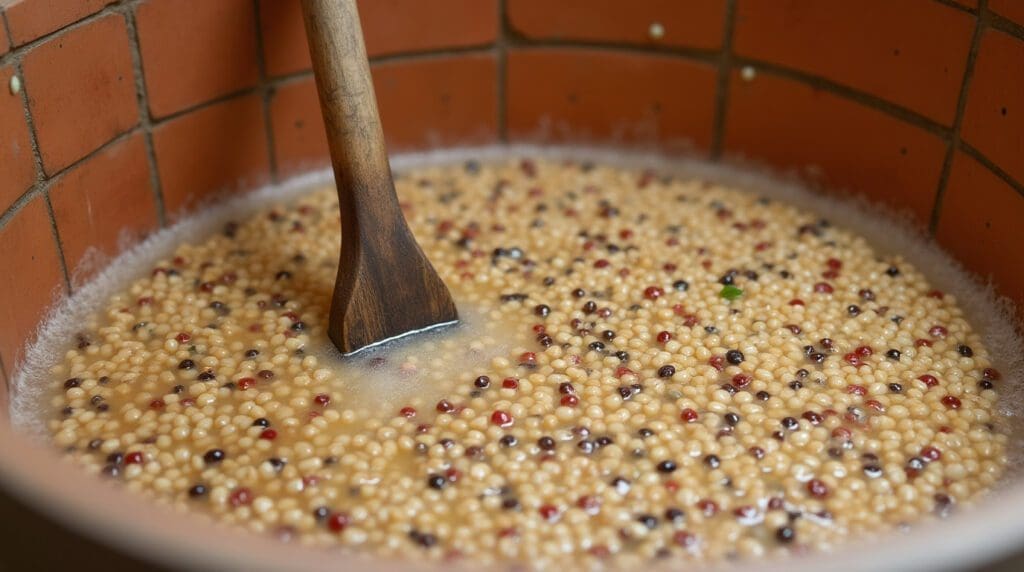
When oxygen exposure increases—especially in the wet process—acetic acid bacteria (AAB) take over.
Common species:
- Acetobacter pasteurianus
- Gluconobacter oxydans
Their job:
- Oxidize ethanol from the yeast phase into acetic acid.
- Generate heat—often raising fermentation temperatures to 45–50°C.
- Create desirable complexity when controlled, or vinegar-like defects if unmanaged.
The acetic phase signals the end of active fermentation. At this point, mucilage loosens completely, and the beans are washed and dried.
The Supporting Cast: Bacillus, Fungi, and Environmental Microbes
Beyond the main three groups, other microbes subtly shape fermentation outcomes:
- Bacillus species thrive at higher temperatures, producing enzymes that further degrade mucilage.
- Filamentous fungi, while generally undesirable, can appear during drying if humidity remains high. Strict drying protocols prevent mold growth and ochratoxin A contamination.
The exact community varies by region, elevation, and processing method—each origin’s “microbial fingerprint” contributes to its distinctive cup profile.
How Microbial Balance Influences Flavor
Each microbial group produces specific compounds that build coffee’s chemical identity:
| Microbe Group | Main Products | Flavor Impact |
|---|---|---|
| Yeasts | Ethanol, esters, glycerol | Fruity, floral notes |
| Lactic Acid Bacteria | Lactic acid, diacetyl | Creamy, soft acidity |
| Acetic Acid Bacteria | Acetic acid, acetoin | Brightness, sharp acidity |
| Bacillus spp. | Enzymes, pyrazines | Roasted or nutty hints |
Getting this balance right is crucial. Too much yeast activity yields excessive sweetness; too much acetic acid can make coffee harsh. Skilled producers manage time, temperature, and aeration to fine-tune these outcomes.
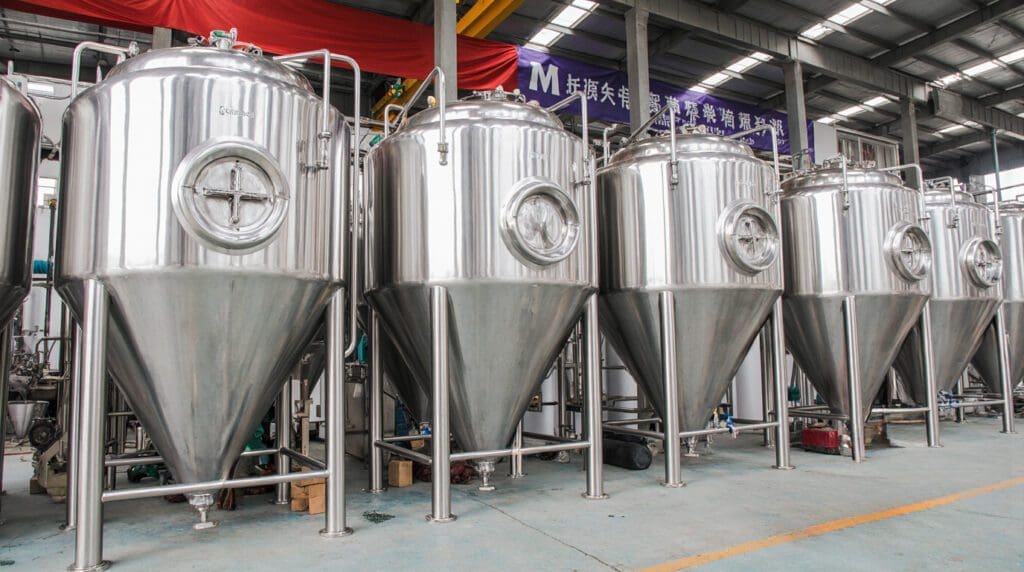
Controlled Fermentation: From Art to Science
Traditional fermentations rely on wild microbes, but modern producers are turning to starter cultures—selected strains added intentionally to guide fermentation.
Benefits include:
- Faster and more predictable mucilage breakdown.
- Reduced risk of mold and spoilage.
- More consistent acidity and aroma across batches.
- The ability to customize flavor for specific markets or roasting profiles.
Research labs in Colombia, Brazil, and Ethiopia are now mapping microbial DNA to create strain-specific starter kits, allowing farmers to reproduce unique flavor profiles with scientific precision.
Key Takeaways
- Coffee fermentation depends on a natural succession of yeasts → lactic acid bacteria → acetic acid bacteria.
- Each group contributes distinct acids and aroma compounds.
- Temperature, oxygen, and time control are the main levers of flavor.
- Controlled fermentations using starter cultures offer greater quality and reproducibility.
Related: For a related coffee science follow-up, read Cocoa and Coffee Fermentation: How Microbes Shape Flavor and Quality (Complete Guide) next.
Further Reading
- Coffee Fermentation: Wet vs. Dry Processing
- Cocoa and Coffee Fermentation: How Microbes Shape Flavor and Quality
