
4 min read
Colada is a Cuban-style espresso beverage sweetened with sugar and brewed in a larger quantity to be shared among several people. Known for its rich sweetness and intense flavor, it represents a cornerstone of Cuban coffee culture and social connection.
Key Takeaways
- A Colada is a Cuban espresso sweetened with sugar and served for sharing.
- Brewed in larger quantities, usually poured into small thimble cups.
- The espuma, a whipped sugar foam, defines a Colada’s smooth sweetness.
- Coladas are traditionally made using a moka pot or espresso machine.
- They’re commonly enjoyed at cafés, workplaces, and gatherings as a communal drink.
Pro Tip: For perfect espuma, whisk the first few drops of coffee with sugar immediately as they emerge—this ensures a smooth, caramelized foam.
What is a Colada?
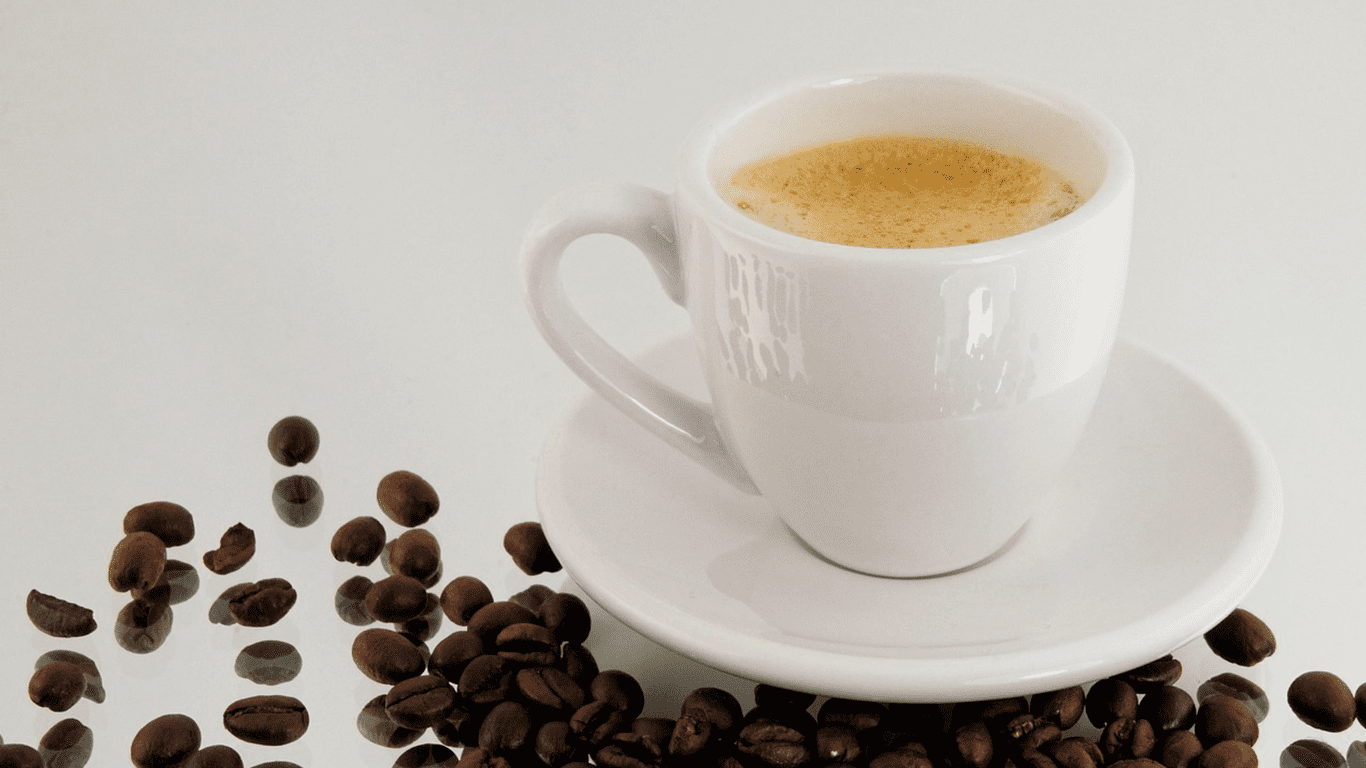
Colada, sometimes called “Cuban coffee colada,” is an extended version of café cubano—the sweetened espresso that anchors Cuban coffee traditions.

While cafecito refers to a single sweet espresso shot, this drink is brewed in larger volume, often equal to four to six shots, and poured into small cups for sharing. In Cuban-American communities, particularly in Miami, offering a colada is a gesture of friendship and social connection.
Flavor & Characteristics
This beverage is powerful, sweet, and smooth. The foam layer (espuma) gives it a caramelized flavor and creamy texture, balancing the boldness of the dark roast coffee. Expect an intense aroma, thick body, and hints of molasses or smoky caramel. It is one of the sweetest espresso preparations in the world, yet its strong flavor remains unmistakably robust.
How to Make a Colada (Recipe / Guide)
Ingredients
| Ingredient | Measurement | Notes |
|---|---|---|
| Finely ground dark roast coffee | ~4 tbsp (or equivalent to 4–6 espresso shots) | Cuban or espresso roast preferred |
| Brown sugar | 2 tbsp (adjust to taste) | Used to make espuma |
| Water | As needed | Filtered, near boiling (≈200°F / 93°C) |
Recommended Equipment
| Equipment | Recommendation | Link |
|---|---|---|
| Moka Pot | Bialetti Express Moka Pot (6-cup) | Amazon Link |
| Coffee Grinder | Baratza Encore Conical Burr Grinder | Amazon Link |
| Small Pitcher or Mixing Cup | OXO Good Grips Mini Angled Measuring Cup | Amazon Link |
| Small Demitasse Cups | JoyJolt Savor Espresso Cups Set | Amazon Link |
Step-by-Step Instructions
- Prepare to brew.
Fill your moka pot’s lower chamber with hot water up to the safety valve. Add finely ground coffee to the filter basket and level without pressing tightly. - Start brewing.
Place the moka pot on medium heat. As the first few drops of coffee begin to emerge, quickly pour them into a small cup containing the brown sugar. - Create the espuma.
Stir or whisk the sugar and coffee together vigorously until a pale, frothy paste forms. This step is essential for achieving the signature smooth sweetness. - Finish the brew.
Once the coffee finishes brewing, pour it gradually into the sugar paste, stirring gently to blend and dissolve completely. - Serve and share.
Pour the finished colada into small demitasse or thimble cups and serve immediately to friends or family. The drink is meant to be enjoyed communally and quickly.

Where and How it is Enjoyed
This drink is primarily a social beverage—perfect for sharing during a mid-morning break or after a meal. It also forms the sweet espresso base for other Cuban drinks such as cortadito (espresso with milk) and café con leche (espresso blended with steamed milk). The tradition of sharing fosters community and hospitality.
Variants & Comparisons
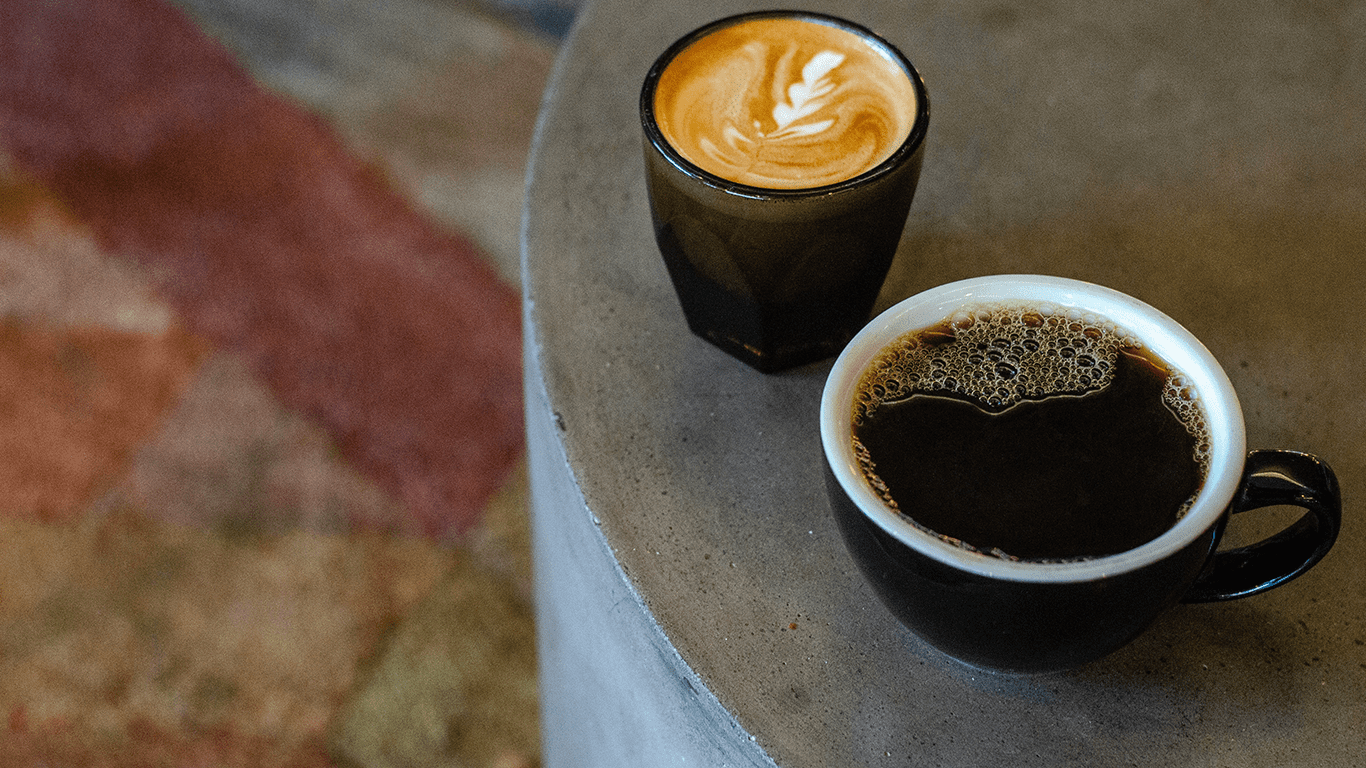
- Colada vs. Cafecito: A colada serves multiple people, while a cafecito is a single sweet espresso shot.
- Colada vs. Cortadito: Cortadito adds steamed milk to sweet espresso for a softer, creamier experience.
- Colada vs. Café con leche: Café con leche is milk-forward and served at breakfast; colada is pure sweet espresso, best enjoyed strong and shared.
Mistakes to Watch For
- Poor espuma formation: Caused by waiting too long to mix sugar and coffee or not whisking vigorously.
- Over-extraction: Using too much heat or tightly packed grounds leads to bitterness.
- Uneven sweetness: Stir thoroughly to ensure consistent flavor throughout the batch.
- Loss of foam: Serve immediately—espuma dissipates if left to sit.
FAQs
Can I use white sugar instead of brown sugar?
Yes, though brown sugar provides a deeper caramel flavor and richer color.
How many people does a colada serve?
Typically four to six small cups—perfect for sharing in a group.
Is colada stronger than regular espresso?
Yes. It’s brewed as multiple shots, so the flavor is concentrated and intense, though the sugar balances its strength.
Related: For a related lists follow-up, read Cuban Coffee Brands: The Secret to a Perfect Colada next.
The Bottom Line
This beverage is a powerful, sweet, and communal form of Cuban espresso. Its unique preparation—blending strong coffee with whipped sugar—creates both flavor and connection, making it a signature ritual of Cuban coffee culture.
