
5 min read
Is it an exotic delicacy or an animal welfare nightmare? We explore the facts, the ethics, and how to buy it responsibly.
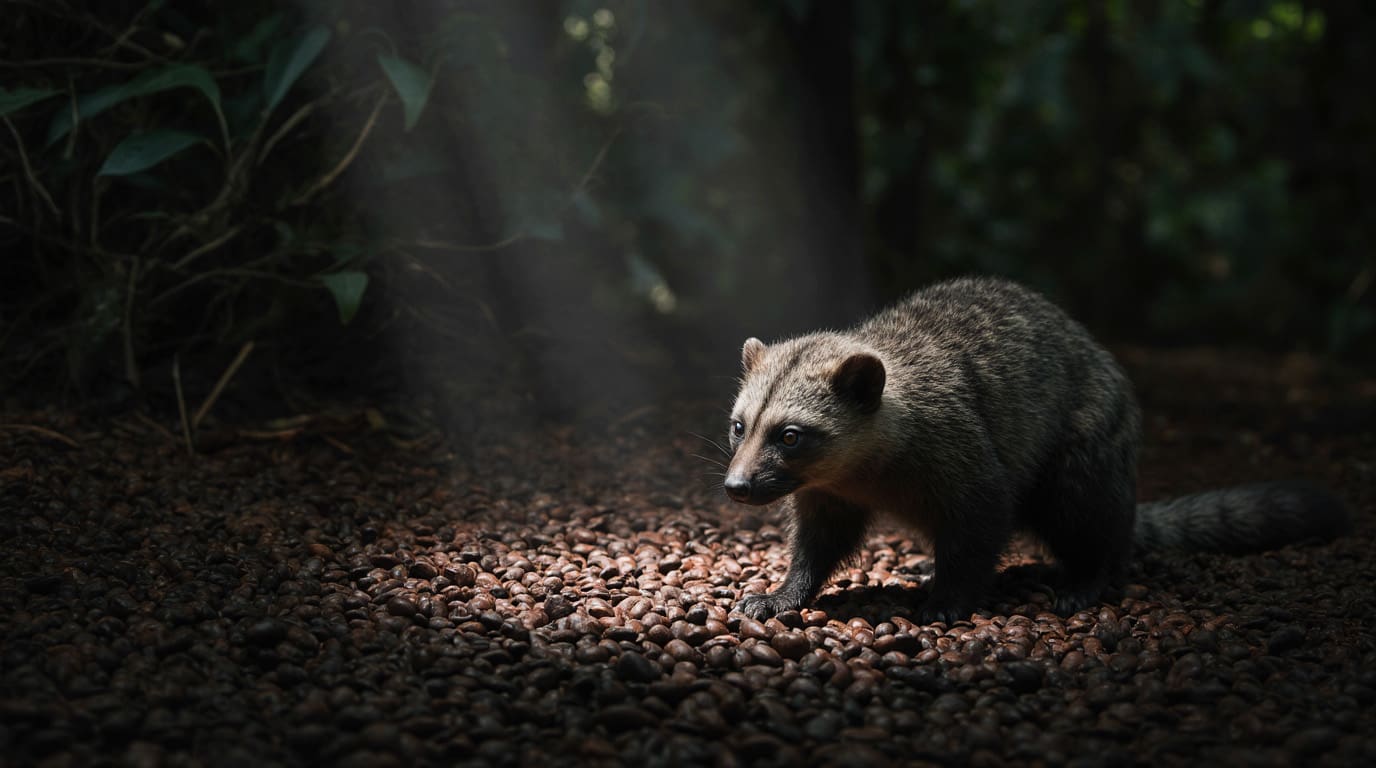
In the vast world of coffee, few brews carry the mystique of kopi luwak. Known as civet coffee, this Indonesian delicacy commands prices of up to $600 per pound, making it one of the world’s most expensive coffees.

Table of Contents
But beneath its exotic allure lies a story of innovation, tradition, and a heated debate over animal welfare. This post dives into the origins, production, and controversies of kopi luwak, offering practical guidance for ethical consumption.
Kopi Luwak: The Quick Facts
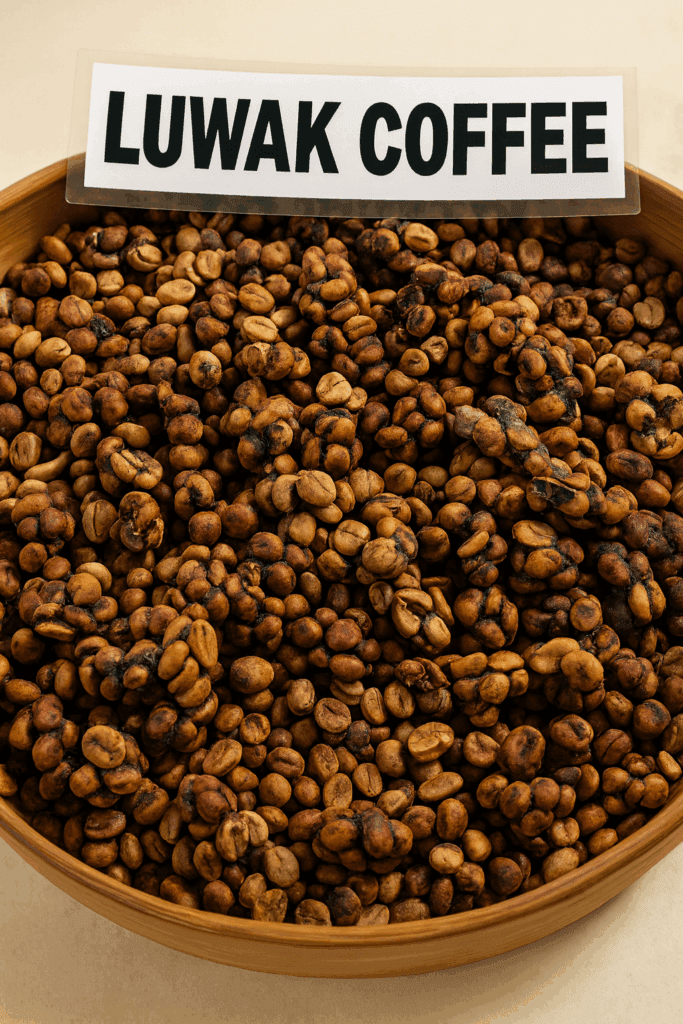
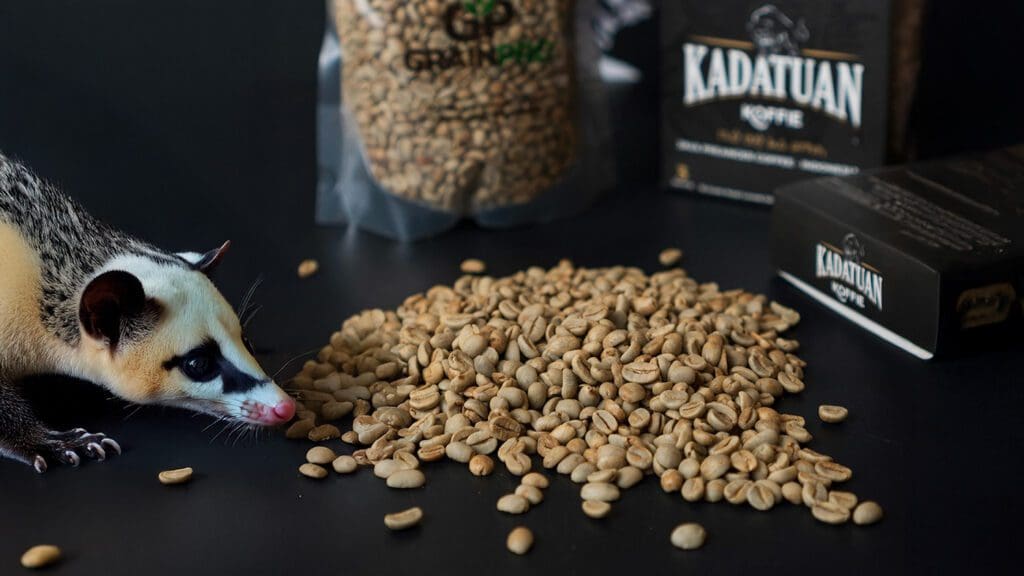
- What Is It? Coffee made from beans that have been eaten, digested, and excreted by the Asian palm civet (Paradoxurus hermaphroditus).
- Origin: Indonesia (primarily Sumatra and Java).
- Cost: Up to $600 per pound for authentic, wild-sourced beans.
- Flavor Profile: Famously smooth, low-acidity, and earthy, with notes of chocolate and caramel.
- The Controversy: An estimated 90% of commercial kopi luwak comes from civets kept in cruel, inhumane “factory farm” conditions.
A Brief History: From Colonial Byproduct to Global Fame
Kopi luwak’s journey begins on the coffee plantations of 18th-century Indonesia. Dutch colonizers forbade local farmers from harvesting coffee beans for their own use.
Enterprising locals soon noticed that the Asian palm civet—a small, nocturnal mammal—ate the ripe coffee cherries and excreted the beans intact. The farmers collected these beans from the forest floor, cleaned them, and created their own brew. Thus, kopi luwak (“civet coffee”) was born.
- 19th Century: The unique coffee caught the eye of European traders.
- 1980s: It exploded onto the international scene, fueled by tourism and the rise of specialty coffee.
- Today: Production spans Indonesia, Vietnam, and the Philippines. However, authentic wild-sourced beans remain incredibly scarce, with estimates at just 500-1,000 pounds annually worldwide.
The Production Process: Nature’s Unique Fermentation
At its core, kopi luwak is coffee transformed by biology.
- Selection: In the wild, civets use their keen sense of smell to select only the ripest, sweetest coffee cherries to eat.
- Digestion: In the animal’s gut, enzymes such as proteases and gut bacteria initiate a natural fermentation. This 24-48 hour journey breaks down proteins in the bean.
- Collection: The beans are excreted, collected by hand from the ground, and then thoroughly washed.
- Processing: The beans are sun-dried, hulled to remove their outer layers, and finally roasted.
The Result: This process strips away bitterness and yields beans with about 25% less caffeine. The final cup is celebrated for its smooth, mellow, and complex flavor.
The Dark Side: The Ethical Crisis of Caged Civets
For all its prestige, kopi luwak is mired in controversy. As demand soared, a dark industry emerged. Today, up to 90% of kopi luwak comes from caged civets living in appalling conditions.
A 2016 National Geographic exposé and reports from groups like PETA and Wildlife Friends Foundation Thailand documented widespread abuse:
- Cramped Cages: Animals are kept in small, filthy wire cages.
- Forced Diets: Civets are force-fed an unnatural diet of coffee cherries, depriving them of the diverse fruits and proteins they need to survive.
- Injury and Stress: The animals often suffer from matted fur, untreated injuries, and severe stress, leading to shortened lifespans.
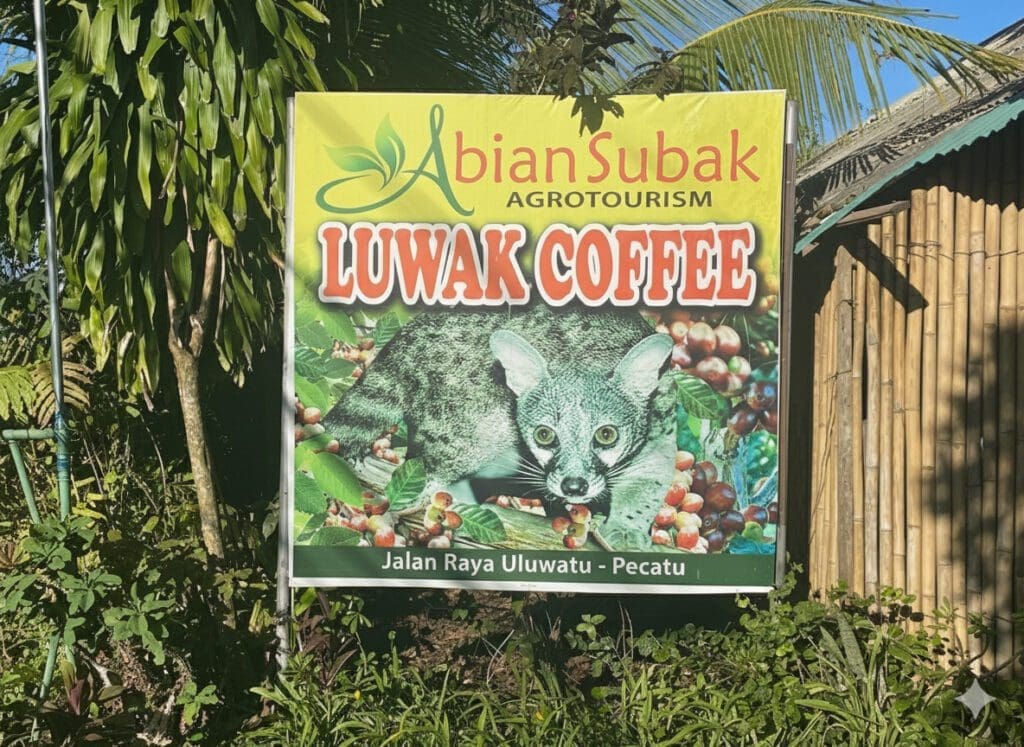
The tourism industry often exacerbates the issue, with “luwak tours” showcasing these caged animals. The Specialty Coffee Association (SCA) has actively distanced itself from kopi luwak, emphasizing that ethical production is exceedingly rare.
Sipping Responsibly: A Guide to Ethical Sourcing
The good news? Conscious choices exist, but they require diligence on the consumer’s part.
Ethical Alternatives
- 100% Wild-Gathered: This is the only truly ethical kopi luwak. It involves farmers foraging for droppings in the wild, allowing civets to live natural, free lives. This method is non-disruptive and preserves biodiversity.
- Lab-Innovations: To sidestep the ethical dilemma entirely, researchers are developing methods to mimic the civet’s digestive system. In 2023, the University of California developed a synthetic enzyme process to create “animal-free” coffee with a similar flavor profile.
Buyer’s Guide: What to Look For (and What to Avoid)
Sourcing genuine wild kopi luwak requires vigilance against fakes and farmed products. Here is what to look for.
✅ Look For These Green Flags:
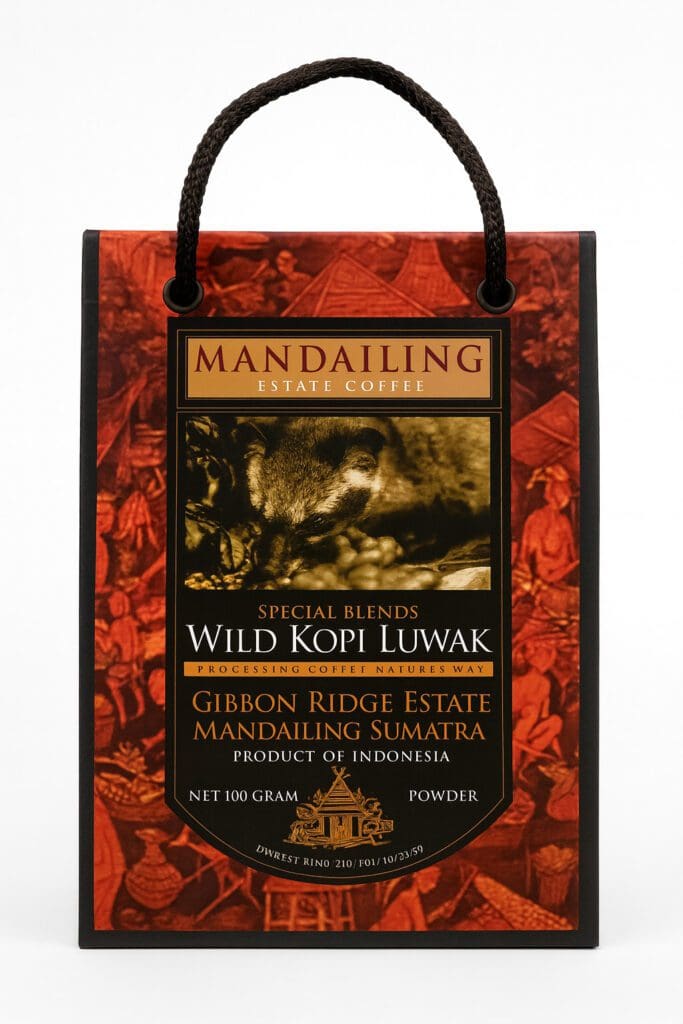
- “100% Wild-Sourced” Certification: This is non-negotiable. Look for official certificates from bodies like the Indonesian Kopi Luwak Association or Gayo Kopi Luwak.
- Traceability & Transparency: The seller should be able to tell you the exact origin (region, farmer co-op). Reputable vendors are proud of their wild-sourcing methods.
- High Price: True wild kopi luwak is expensive because it’s rare. Expect to pay $50-$200 for just a few ounces.
❌ Avoid These Red Flags:
- Vague Terms: “Farmed,” “Caged,” or “Free-Range.” “Free-range” is often a misleading marketing term for slightly larger pens, not a wild-living animal.
- No Certification: If a seller cannot provide a certificate of authenticity proving it is “100% Wild-Sourced,” assume it comes from caged animals.
- Suspiciously Low Prices: A 150-pound bag of “kopi luwak” found on significant online marketplaces is almost certainly fake or from a cruel factory farm.
Final Brew: Is It Worth the Sip?
Kopi luwak embodies coffee’s dual nature: a testament to nature’s ingenuity and a cautionary tale of human excess.
Our Take: While its story is fascinating, the high probability of animal cruelty makes kopi luwak a difficult coffee to recommend. The risk of supporting an abusive industry is exceptionally high, and many coffee experts argue its mellow flavor is outshined by traditional specialty coffees that cost a fraction of the price.
If you are determined to try it, do exhaustive research and demand proof of a “100% Wild-Sourced” certification. Otherwise, your choice may be steeping a story of exploitation.
This post draws on industry reports and investigations as of October 23, 2025. Always verify suppliers’ ethics and authenticity before purchasing.
