


TL;DR: Coffee’s plant compounds—especially chlorogenic acids (CGAs)—help your blood vessels relax and work better. Caffeine doesn’t seem to help or hurt, but dark roasting can remove the beneficial compounds and create a compound that slightly counteracts their effects.
Table of Contents
Why This Study Matters
A new review from Nutrition Reviews (November 2025) examined 19 human studies on the impact of coffee on blood-vessel health—specifically, how easily your arteries can dilate and allow blood to flow.
The researchers focused on three key coffee ingredients:
- Chlorogenic acids (CGAs) — healthy plant antioxidants in coffee beans
- Caffeine — the stimulant we all know
- Hydroxyhydroquinone (HHQ) — a by-product that forms during roasting
They used a standard heart-health test called flow-mediated dilation (FMD). In plain English: FMD measures how flexible your arteries are. Bigger numbers mean healthier blood vessels and a lower chance of heart problems later on.
What They Found
1. CGAs Make Arteries Work Better
People who had coffee rich in CGAs showed better blood flow:
- Short-term effect (one cup or dose): +1.5 points on the FMD scale
- Long-term effect (2–8 weeks of daily coffee): +2.5 points
That might sound small, but it could mean 20–30 percent less heart-disease risk over time. Interestingly, coffee itself worked better than CGA pills—meaning it’s not just one ingredient doing the work. The natural mix of compounds in coffee seems to give a more substantial benefit.
2. Caffeine Is Neutral
Across six studies, caffeine didn’t make blood flow better or worse. So your heart benefit isn’t from the buzz—it’s from the plant compounds that come with it.

3. Dark Roast’s Hidden Problem: HHQ
When coffee is roasted dark, a compound called HHQ forms. It may reduce the body’s ability to relax blood vessels. In two studies, coffee with higher HHQ levels slightly lowered FMD by approximately 1 point.
Light or medium roasts have less HHQ and more CGAs, which likely explains why they’re better for your arteries.

Why CGAs Help
Scientists think CGAs:
- Help blood vessels make nitric oxide, which allows them to relax
- Fight inflammation and oxidation (the same stress that ages your cells)
- Improve blood-sugar and cholesterol levels, both key to heart health
They’re also partly processed by your gut bacteria, which turn them into smaller molecules that your body can use. That might explain why FMD improvement shows up about 90 minutes after drinking coffee.
Speaking of a total, proactive approach to artery health, it’s not just about flexibility—it’s also about what might be lining them. While the CGAs in coffee are a great start, I recently came across some fascinating research cited by Stanford about a specific “French protein.”
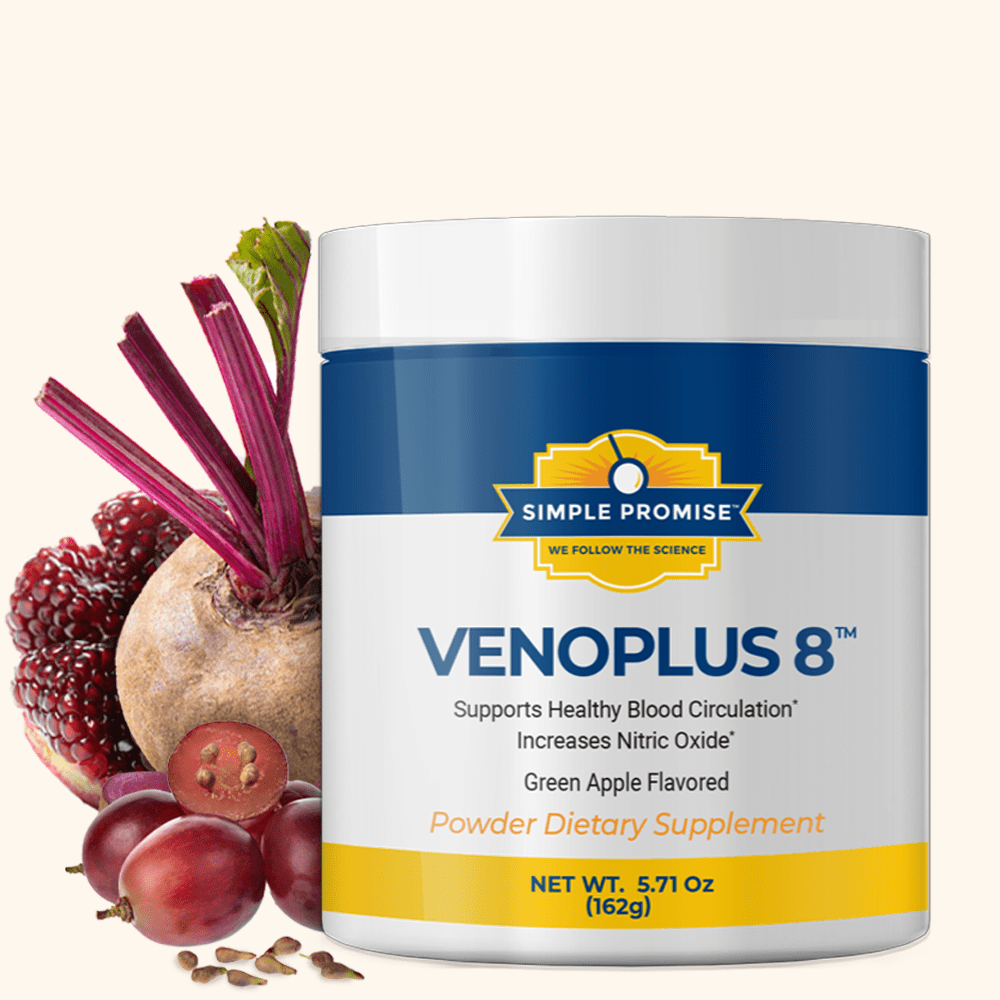
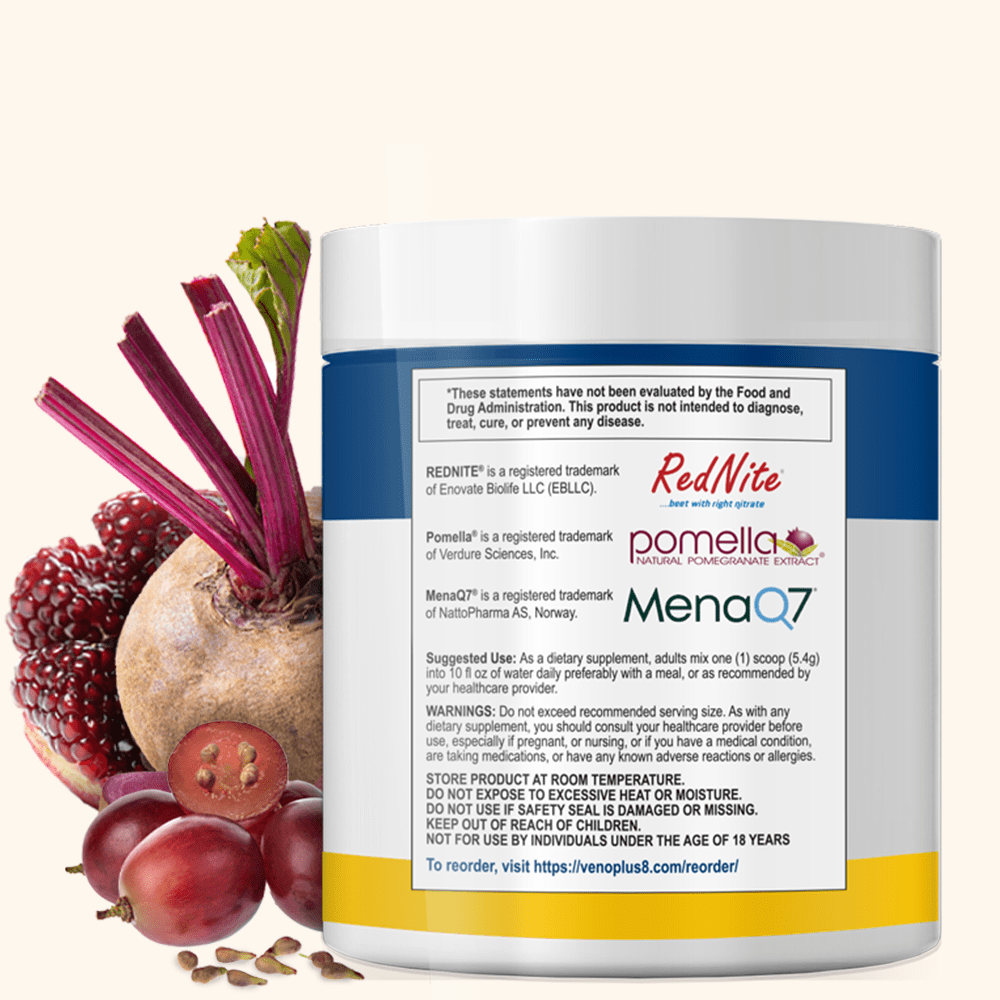
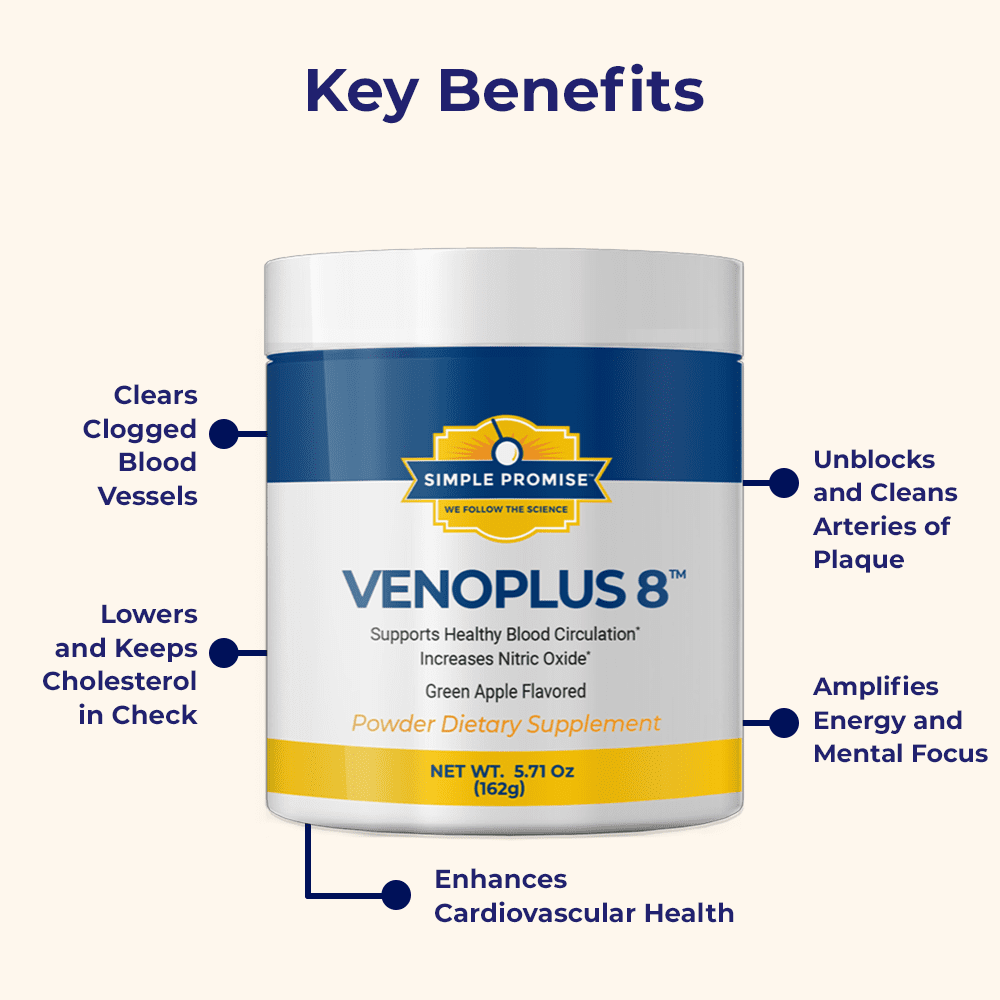
It’s based on why the French often maintain healthy hearts despite their rich diets. This nutrient has been shown to help remove up to 93% of artery plaque, and it’s now available in a simple supplement called VenoPlus 8.
If you’re looking for a powerful way to support your cardiovascular health, click here to learn more about this “French protein” discovery.
Roast & Brew Tips for Heart Health
| What to Do | Why It Helps |
|---|---|
| Pick light or medium roasts | Keeps more CGAs, less HHQ |
| Skip sugar & heavy creamers | Sugar blunts the vascular benefit |
| Drink 3–5 cups a day | That’s where research shows the most benefit |
| Don’t rely on supplements | Coffee itself performs better |
| Watch timing | Peak benefit is about 1–2 hours after drinking |
Quick Data Recap
| Compound | Effect on Blood Flow (FMD) | Meaning |
|---|---|---|
| CGAs – short term | +1.5 points | Improves blood-vessel flexibility |
| CGAs – long term | +2.5 points | Sustained improvement |
| Caffeine | 0 | No effect |
| HHQ | −1.0 points | Slightly worsens flow |
The Big Takeaway
Coffee’s not just safe for your heart—it can be good for it, if you drink it right.
Stick to light or medium roasts, keep sugar low, and enjoy a few cups a day.
Your arteries may literally thank you.

References:
- https://www.oatext.com/Vascular-Diseases-and-Therapeutics-VDT.php
- http://enovatebiolife.com/our-range/rednite/
- https://www.thepharmaletter.com/article/pomella-extract-ups-plasma-antioxidant-capacity-in-humans
- https://pubmed.ncbi.nlm.nih.gov/24134861/
- https://www.ncbi.nlm.nih.gov/pmc/articles/PMC1873701/
- https://www.ncbi.nlm.nih.gov/pmc/articles/PMC9710401/
- https://www.ncbi.nlm.nih.gov/pmc/articles/PMC8240184/
- https://www.ncbi.nlm.nih.gov/pmc/articles/PMC3869438/
- https://www.ncbi.nlm.nih.gov/pmc/articles/PMC5370781/
