
7 min read
As a coffee lover, I’m always on the hunt for something that breaks the mold—a cup that makes me pause and really think about what I’m tasting. We talk a lot about origin, roast level, and brew methods, but what about the bean itself?
Today, we’re diving deep into a true gem of the coffee world: the Brazil Bourbon Peaberry.
Table of Contents

What “Brazil Bourbon Peaberry” Really Means
It sounds complex, but let’s break it down. This isn’t just a name; it’s a “specification” that tells you three specific, important things:
Spec Breakdown Origin Varietal Bean
| Specification | Details |
|---|---|
| Origin | Brazil 🇧🇷 |
| Varietal | Bourbon (Arabica) sweet & balanced |
| Bean Type | Peaberry (single round seed) even roast |
| Typical Process | Natural (sun-dried) |
Translation: Brazil (origin) + Bourbon (varietal) + Peaberry (bean) → chocolate-nut base, elevated sweetness, and smooth body.
Individually, these are all cornerstones of the coffee industry. But when they come together, they create a cup that is uniquely balanced, intensely sweet, and incredibly smooth.
My First Encounter
I’ll be honest: I was initially skeptical of peaberries. The marketing often claims they have “double the flavor,” which sounds like a gimmick. But when I first brewed a Brazil Bourbon Peaberry, I understood.
The aroma wasn’t just “roasty”; it was specifically like caramelized nuts and a hint of orange zest. The first sip was what sold me on it. Instead of the muted, sometimes earthy profile of a typical Brazilian blend, this was vibrant and full of life.
It had a creamy, almost buttery body and a distinct sweetness that reminded me of milk chocolate and ripe cherry.
It was a “complete” cup—no sharp edges, just balanced, deep flavor. My experience showed me this wasn’t hype; it was simply a different, more concentrated expression of a classic bean.
What Exactly is a Peaberry?
This is the most crucial part. Typically, a coffee cherry grows with two seeds inside, which press against each other as they mature. This is why most coffee beans have one flat side.
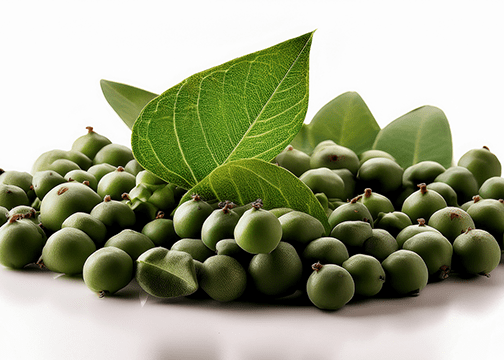
A peaberry, however, is a natural mutation that occurs in about 5-10% of the crop. In these cherries, only one of the two seeds gets fertilized. This single, small, round seed (or “bean”) develops on its own, with no flat side.
So, why does this matter?
1. Roasting Consistency: Because peaberries are round, they tend to roll and move more fluidly inside a roaster. Many roasters (myself included) find this allows for a remarkably even and consistent roast, reducing the risk of bitter, scorched spots.
2. Flavor Concentration (The Theory): The most common argument is that all the nutrients and sugars from the cherry that would usually be split between two beans are now concentrated into one.
While “double the flavor” is an overstatement, I do find it creates a more intense, focused, and often sweeter flavor profile than its “flat bean” counterparts from the same crop.
What to Expect in Your Peaberry Coffee (And How to Brew It)
This is a coffee that rewards mindful brewing. Because of its inherent balance, it’s hard to mess up, but a little care can make it truly shine.
Flavor Map: Brazil Bourbon Peaberry
Peaberry Coffee Tasting Notes Profile
- Aroma: Toasted almond, caramel, and a hint of brown sugar.
- Flavor: Predominantly milk chocolate, hazelnut, and a gentle, sweet cherry-like fruitiness.
- Body: Medium to full, with a very smooth, creamy mouthfeel.
- Acidity: Mellow and soft. This is not a bright, acidic coffee; it’s a smooth, comforting, and sweet one.
My Recommended Brewing Methods
This bean is versatile, but I find it performs best in methods that highlight its body and sweetness.
1. Pour-Over (V60 or Kalita Wave)
Why: This method offers the most clarity. It will allow the subtle orange zest and cherry notes to shine through, while still delivering a creamy body.
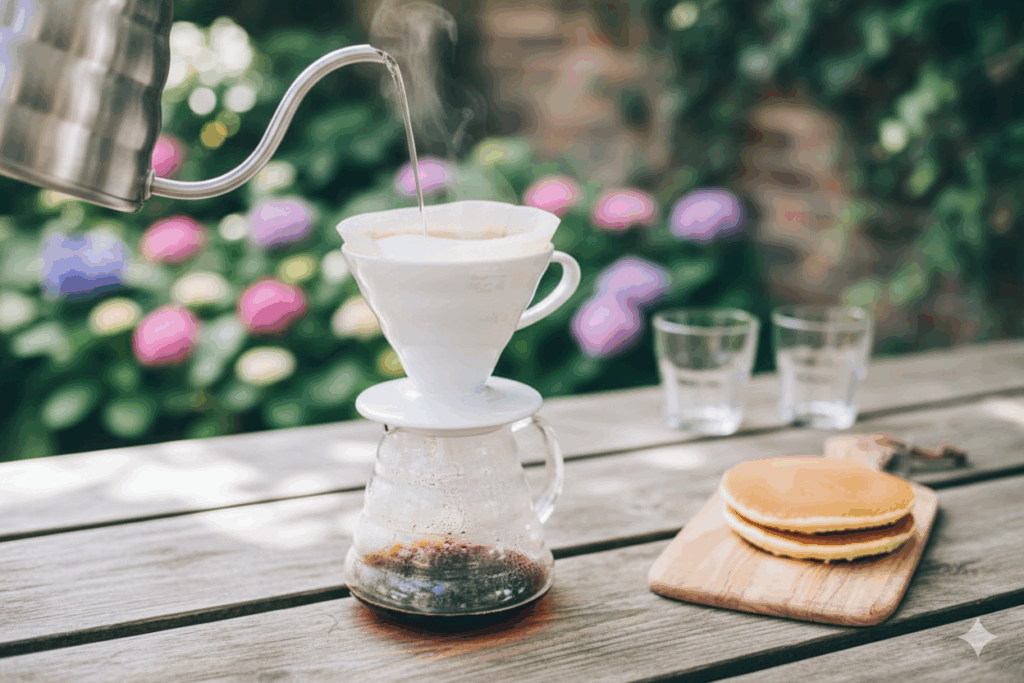
🔥 My Pro-Tip: Because peaberries are denser than other beans, I recommend a slightly finer grind than you might typically use for a pour-over. This helps with extraction and really develops the sweetness.
2. French Press
Why: If you are all about body and richness, a French press is the way to go. The immersion and lack of a paper filter will result in a heavy, syrupy cup that is a pure chocolate and nut bomb.
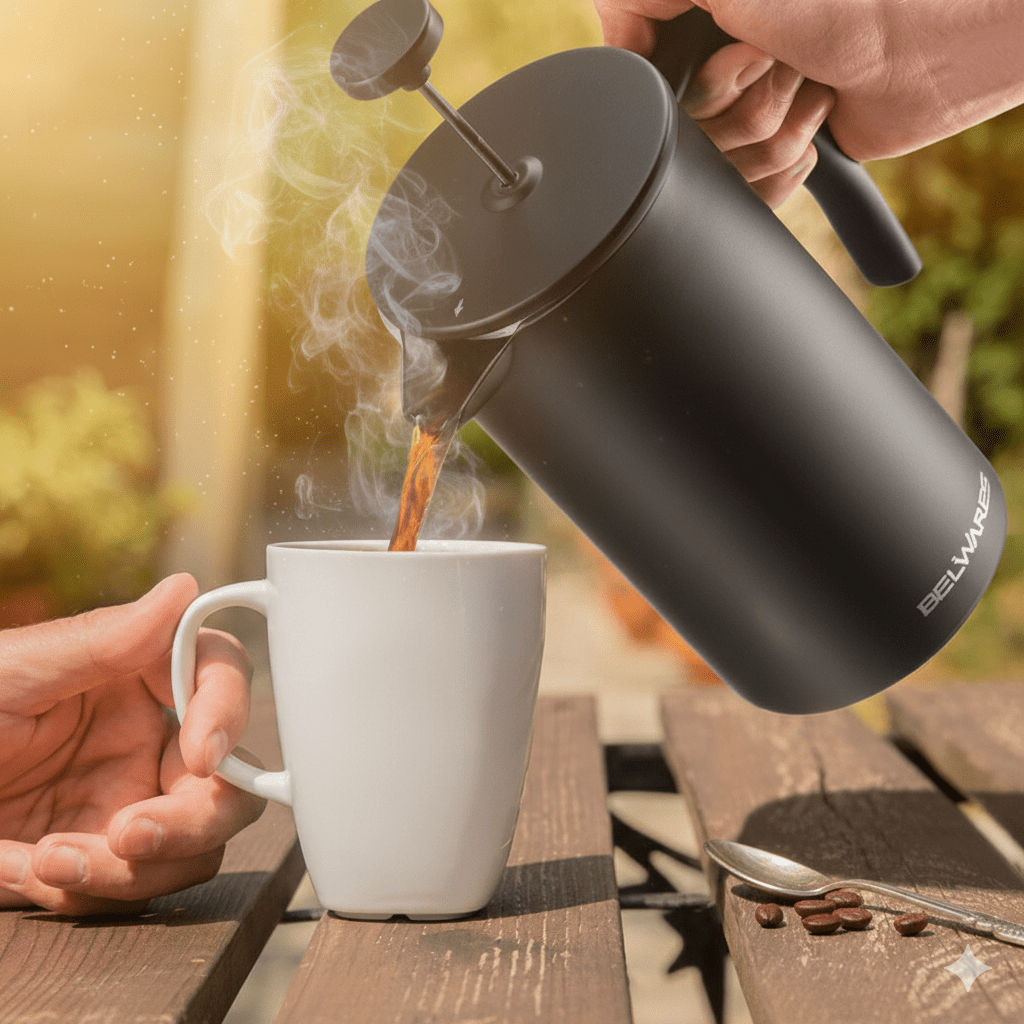
🔥 My Pro-Tip: Don’t let it steep for too long. Stick to a 4-minute brew time and gently press the plunger. This will maximize sweetness and minimize any potential bitterness.
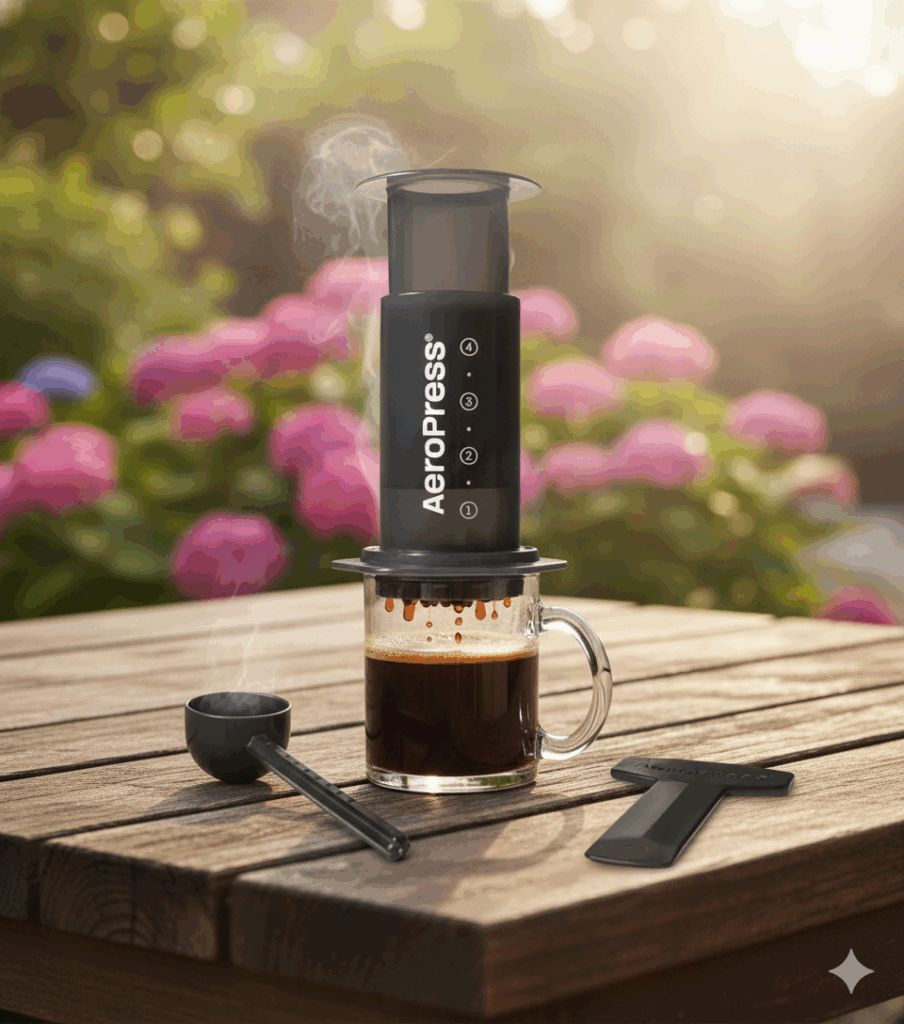
3. Aeropress
Why: The Aeropress is the “best-of-both-worlds” method. It provides the clarity of a paper filter with the full-bodied extraction of immersion brewing. I find this method produces the most “balanced” cup.
The “Bourbon” and “Brazil” Connection
A coffee is only as good as its origin and genetics. This is where “Bourbon” and “Brazil” become so important.
The Coffee Bean Varietal: Bourbon
This isn’t about whiskey. Bourbon (pronounced boor-BOHN) is one of the two original, “heirloom” cultivars of Coffea arabica (the other being Typica).
It’s renowned in the specialty coffee world for its exceptional sweetness and complex, bright acidity. Think notes of caramel, stone fruit, and delicate florals. It’s a classic for a reason.
The Origin: Brazil
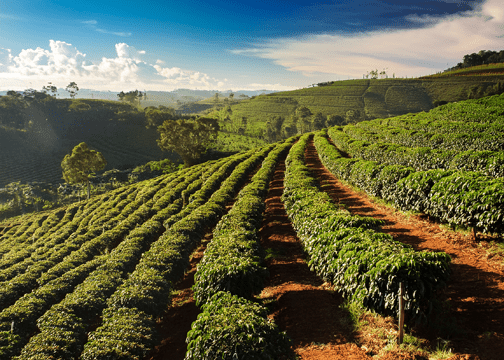
Brazil, as the world’s largest coffee producer, is known for its crowd-pleasing, low-acidity coffees. The most common processing method is natural (or “sun-dried”), where the coffee cherries are dried whole with the fruit still intact.
This process imparts a heavy body, a round mouthfeel, and classic notes of chocolate, nuts, and sweet red fruit.
When you combine these three elements, you get the best of all worlds: Brazil (Origin) + Natural (Process) + Bourbon (Varietal) + Peaberry (Bean)
Frequently Asked Questions
What makes Brazil Bourbon Peaberry unique?
It’s a single-round bean, instead of two, which yields a sweeter, more concentrated flavor with extra smoothness.
Does peaberry coffee really have double the flavor?
Not exactly, but it’s denser, so the taste is usually richer and more concentrated.
How should I brew it?
Use a slightly finer grind and brew with a pour-over, French press, or Aeropress for best results.
Is it rare?
Yes. Peaberries make up only about 5–10% of any coffee crop.
How should I store peaberry coffee?
Store it airtight, cool, and dark, and consume within a month of roasting for optimal flavor.
Related: For a related beans follow-up, read Best Peaberry Kona Coffee: Is the Price Tag Worth It? next.
Is It Worth It?
Absolutely.
The Brazil Bourbon Peaberry is not a gimmick. It is a shining example of how genetics, origin, and even a happy little mutation can come together to create a superior cup of coffee. It represents a more concentrated, sweeter, and cleaner version of one of the world’s most classic flavor profiles.
If you are a fan of balanced, chocolatey, and nutty coffees but are looking for something with a bit more “pop” and complexity, I highly recommend this one. It’s a comforting and reliable bean that still manages to feel special every time you brew it.
Have you tried a peaberry coffee before? What was your experience? Share your thoughts or brewing questions in the comments below!
