
7 min read
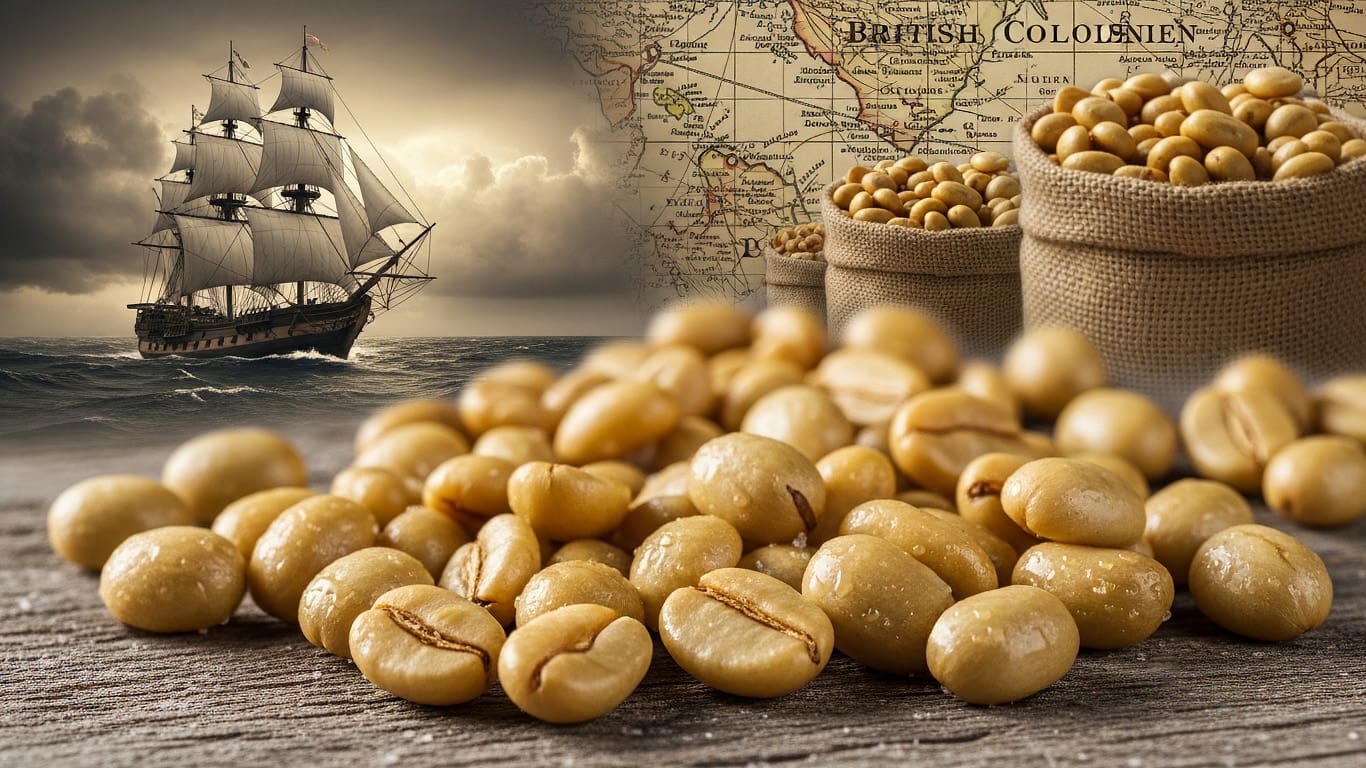
The first time I opened a bag of Monsooned Malabar, I was struck by the appearance of the beans—they were pale, swollen, and almost golden, looking nothing like the typical green beans I was used to.
That unique appearance is the result of a fascinating, weather-beaten journey that creates one of the most distinctive cups of coffee in the world: a brew with almost zero acidity and a profoundly heavy body.
Quick Picks: Top Retailers for Monsooned Malabar
In a hurry? Here are the top recommended sources for authentic Monsooned Malabar beans. (These are affiliate links)
- Fresh Roasted Coffee Co.
- Amazon (Sponsored Link)
- Kaveri Coffee Works
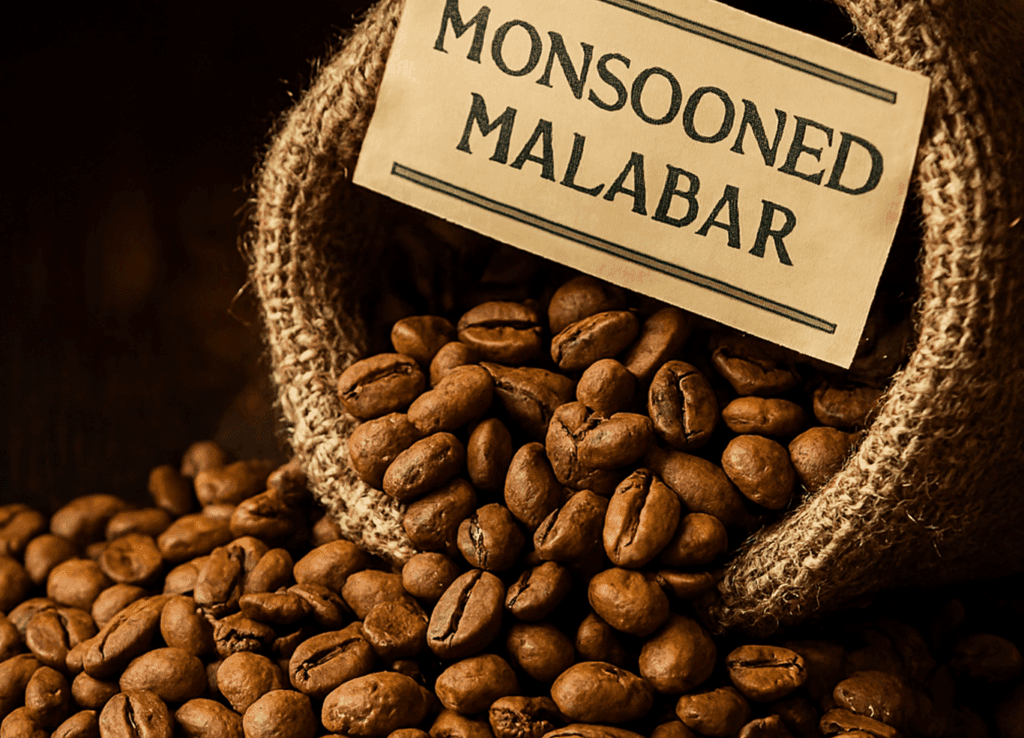
Malabar coffee beans refer to coffee that has undergone a unique weather-aging process along India’s Malabar Coast, known as the “monsooning” method. The result is a low-acidity, full-bodied coffee that stands as a testament to the region’s history and climate.

Key Takeaways
- Unique Process: Green coffee beans are exposed to humid monsoon winds for several weeks, causing them to swell and lose acidity.
- Historic Origin: The process mimics the conditions coffee endured on long sea voyages from India to Europe in the age of sail.
- Flavor Profile: Characterized by very low acidity, a heavy, syrupy body, and earthy notes of chocolate, nuts, and spice.
- Best For: Espresso blends and drip coffee for those who prefer a smooth, mellow, and non-acidic cup.
What Are Malabar Coffee Beans?
The term “Malabar coffee beans” is synonymous with Monsooned Malabar Coffee. This specialty coffee originates from the Malabar Coast in Southwestern India, a lush region that spans parts of Karnataka and Kerala.
Its story begins in the British colonial era. Raw coffee beans shipped from India to Europe spent months on wooden sailing vessels, constantly exposed to the humid, salty sea air. During this journey, the beans swelled, turned a pale yellow, and lost nearly all their acidity. European consumers developed a taste for this smooth, heavy-bodied coffee.
When modern transportation shortened the journey, this unique flavor profile was lost. To recreate it, Indian producers developed the “monsooning” process. After being harvested and dried, select beans are spread out in well-ventilated warehouses during the monsoon season (typically June to September).
The moisture-laden winds circulate the beans for 12-16 weeks as they are carefully raked and turned, allowing them to absorb moisture and transform into the Monsooned Malabar we know today.
Flavor Profile & Characteristics
Monsooned Malabar has extremely low acidity, a very heavy body, and earthy, chocolate-forward notes with hints of cedar, nuts, spice, and tobacco.
Acidity
Smooth, almost no sharpness.
Body
Dense, syrupy, and coating.
Sweetness
Balanced sweetness without being sugary.
Bitterness
Dark chocolate and roast-driven bitterness.
Key Flavor Notes
- Baker’s chocolate
- Earth / cedar
- Nuts / spice
- Tobacco
This is not a bright or fruity coffee. Expect deep, earthy, cocoa-led flavors instead of citrus or berry notes.
Brew tip: a 1:15–1:16 coffee-to-water ratio keeps the dense body without turning harsh or muddy.
What Drinkers Are Saying
The cup I brewed had a distinct chocolatey aroma with a hint of woodsmoke. The flavor was incredibly smooth and mellow, with a pleasant, lingering finish like dark chocolate. As one Redditor noted, it’s “appealing to people who aren’t into the fruity stuff,” which I found to be spot on. johnonymous1973
Where to Buy Monsooned Malabar Beans
Because Monsooned Malabar is a specialty-processed bean, purchasing from a reputable source is crucial to ensuring you receive a high-quality, authentic product that is free from mold and has no excessive “funky” flavors. Look for roasters who are transparent about their sourcing.
Here are three popular and trustworthy locations to buy Monsooned Malabar:
- Fresh Roasted Coffee Co.
- Kaveri Coffee Works
- Burman Coffee Traders (for unroasted green beans)
How to Brew Monsooned Malabar Coffee
Due to its heavy body and low acidity, I find that this coffee shines particularly well with a pour-over method like the Hario V60, which produces a clean cup while highlighting the bean’s signature weight.
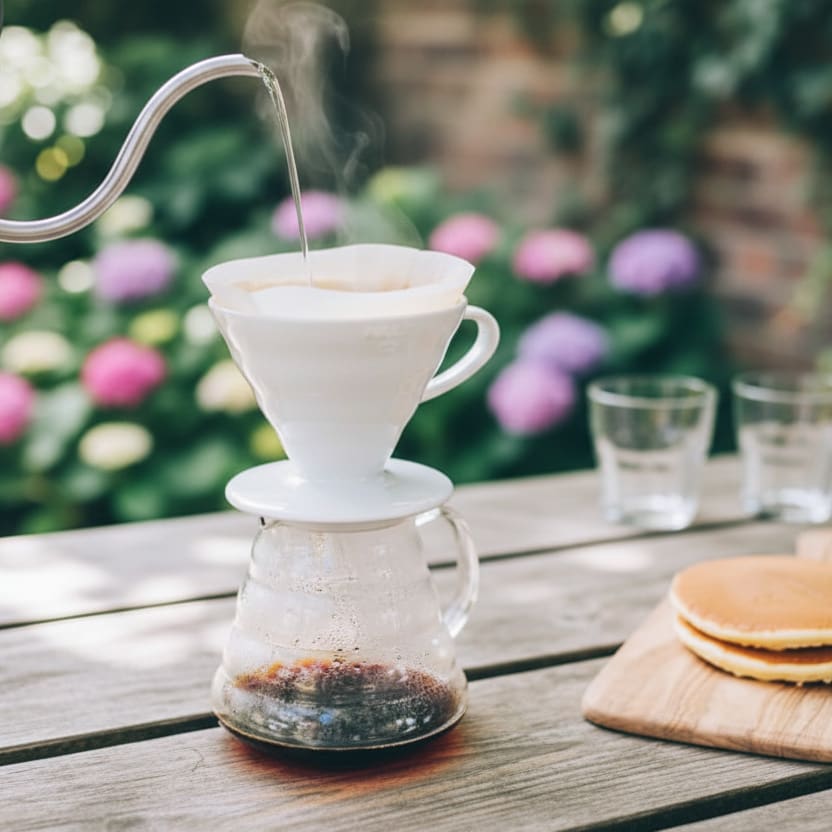
Why This Method Works: The V60’s fast flow rate helps prevent over-extraction, which can cause bitterness with such a full-bodied bean. This recipe aims for a balanced cup that is smooth and rich, not muddy.
| Ingredient | Measurement | Notes |
| Monsooned Malabar Beans | 18 g | A medium roast is ideal |
| Filtered Water | 300 g | ~ 94°C (201°F) |
| Equipment | Recommendation |
| Grinder | Conical burr grinder (medium grind) |
| Brewer | Hario V60 or similar pour-over cone |
| Kettle | Gooseneck kettle for precision |
Step-by-Step Instructions
- Grind: Grind 18g of beans to a medium consistency, similar to table salt.
- Rinse: Place a filter in your brewer and rinse it thoroughly with hot water. This removes paper taste and preheats the vessel. Discard the water.
- Bloom: Add your ground coffee to the filter and gently level the bed. Start a timer and pour 50g of water, ensuring all grounds are saturated. Let it bloom for 30 to 40 seconds.
- Main Pour: Continue pouring the water in slow, concentric circles. Aim to add all 300g of water by the 2:00 minute mark.
- Draw-down: Allow the water to drain completely through the coffee bed. The total brew time should be around 2:45 to 3:15 minutes.
Uses and Applications
- Espresso Blends: It is a workhorse in espresso. According to the experts at Willoughby’s Coffee, its low acidity and heavy body create a thick, stable crema and help balance out brighter, more acidic beans in a blend.
- Single Origin Brew: Excellent for anyone who suffers from acid reflux or dislikes the “sharpness” of other coffees. Perfect for use with a drip coffee maker, French press, or Aeropress.
- Cold Brew: The low acidity and chocolatey notes make it a fantastic candidate for a smooth, non-bitter cold brew concentrate.
Monsooned Malabar vs. Other Coffees
| Feature | Monsooned Malabar | Typical Washed Arabica | Typical Robusta |
| Acidity | Very Low | High / Bright | Low |
| Body | Heavy, Syrupy | Light to Medium | Very Full, Rubbery |
| Flavor | Earthy, Chocolate, Woody | Fruity, Floral, Sweet | Bitter, Chocolatey |
| Process | Monsooned | Washed, Natural, etc. | Washed or Natural |
Frequently Asked Questions (FAQs)
Does Monsooned Malabar coffee have more or less caffeine?
It contains about the same amount of caffeine as most Arabica beans—roughly 60–90 mg per 8-oz cup. The monsooning process changes flavor, not caffeine levels.
What is the best way to brew Monsooned Malabar for cold brew?
Use a coarse grind, a 1:6 ratio, and steep for 14–16 hours. Its low acidity makes cold brew smooth, sweet, and chocolatey with no sour bite.
How does Monsooned Malabar compare to Sumatran coffee?
Both are earthy and low-acid, but Malabar is drier, smokier, and heavier, while Sumatran coffees taste spicier and more herbal.
Is Monsooned Malabar coffee expensive?
Not really—it’s mid-priced, usually $14–$20 per 12-oz bag, offering unique flavor without premium-bean pricing.
Why is Monsooned Malabar coffee so divisive?
It’s a love-it-or-hate-it coffee: fans enjoy its smooth, bold depth, while others find it flat or musty because it lacks the acidity of modern fruity coffees.
Are Monsooned Malabar beans suitable for espresso?
Absolutely. They are prized for use in espresso blends. Their low acidity provides a smooth foundation, and their heavy body helps produce a thick, rich, and persistent crema.
What roast works best for Monsooned Malabar beans?
Medium roasts (often referred to as City or Full City) are generally considered the best. They develop the deep, earthy body without roasting away the bean’s unique character. A dark roast can work, but may result in a flatter, smokier flavor.
Why are Monsooned Malabar beans so low in acidity?
The extended exposure to humid air during the monsooning process degrades the chlorogenic acids within the coffee bean. This natural aging process mellows the coffee, resulting in a remarkably smooth, low-acid profile.
The Bottom Line
Monsooned Malabar is more than just a coffee; it’s a piece of living history. Its unique monsooning process delivers a cup that is powerfully smooth, heavy-bodied, and profoundly low in acidity. If you’re tired of bright, fruity coffees and crave something mellow, earthy, and rich, Monsooned Malabar is a must-try.
About the Author
Kelsey is the founder of TheGoldenLamb.com and a passionate home brewer. After years of exploring coffees from around the world, he loves demystifying specialty coffee and helping readers brew better cups at home. You can find more of my work on www.thegoldenlamb.com.
