
8 min read
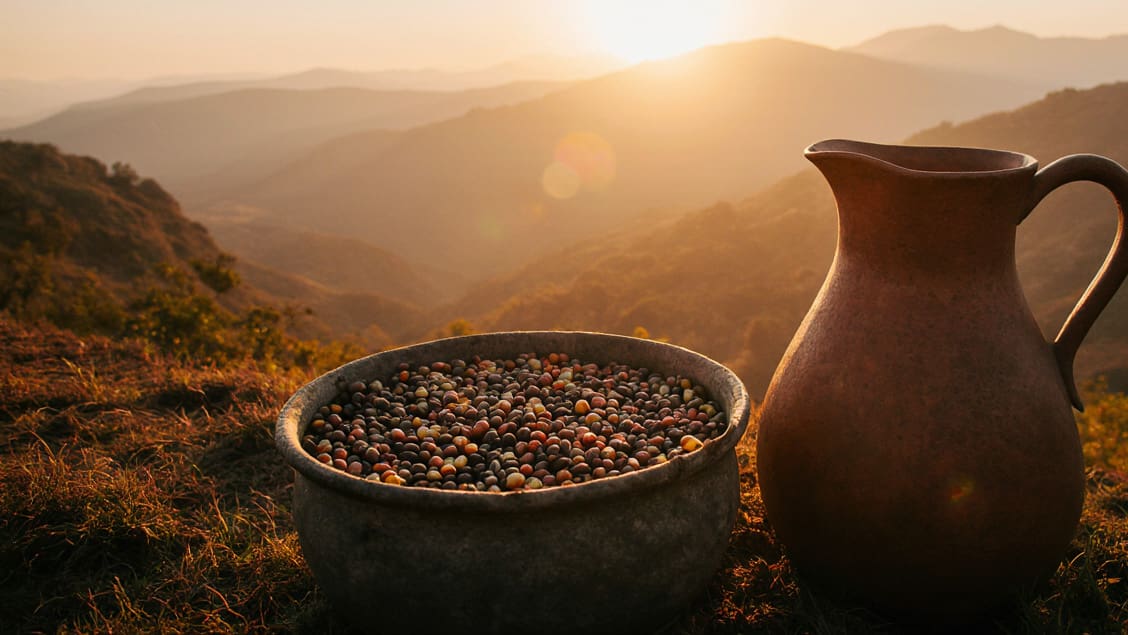
Imagine this: It’s a crisp fall morning in late October, the leaves crunching underfoot as you step outside with your first cup of the day. That brew? Not your average drip—it’s a vibrant, berry-kissed elixir from Ethiopian beans, whispering tales of ancient forests and highland mists.
In this comprehensive guide, we’ll delve into the rich history of Ethiopian beans, explore their diverse flavor profiles, and equip you with expert tips to source, taste, and brew like a pro.
Table of Contents

The Rich History of Ethiopian Coffee Beans
Ethiopia’s story with coffee isn’t just ancient—it’s mythic. Picture a 9th-century goat herder named Kaldi in the misty highlands of Kaffa (yes, where the word “coffee” likely originates).
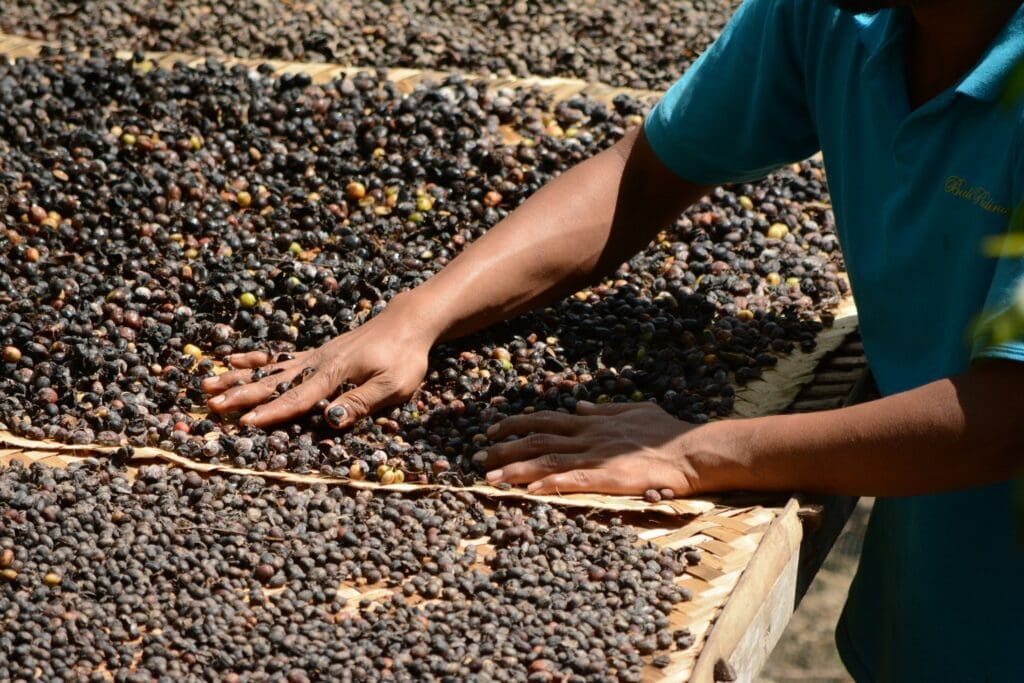
Legend has it that his goats went wild after munching bright red cherries from a particular shrub, dancing with unbridled energy.
Kaldi shared his find with local monks, who brewed the beans into a stimulating tonic for late-night prayers. Fast-forward over a millennium, and those wild Arabica plants—native only to Ethiopia—have fueled global empires, from Ottoman coffeehouses to your local Starbucks.
What makes this history so enduring? Ethiopia is the world’s only major coffee producer that has never been colonized, safeguarding its genetic treasure trove of over 10,000 heirloom varieties.
These aren’t your hybridized supermarket staples; they’re pure, forest-grown Arabica, tying directly into today’s “Arabica beans” trend for those seeking unadulterated origins.
From Forest to Farm: Evolution in 2025
Today, on the cusp of the 2025/26 harvest, Ethiopia remains Africa’s coffee powerhouse. Production is forecast to hit a record 11.6 million 60-kg bags—roughly 696,000 metric tons—buoyed by favorable rains and farmer training programs.
Ethiopia Coffee Snapshot — 2025/26 harvest
Africa’s top producer, on the eve of the new season
Good rains + training are lifting yields as the new season begins.
Climate pressure is nudging a move from wild foraging to managed smallholder farms.
Direct-trade co-ops are expanding in 2025, improving pay and traceability.
Flavor + resilience: high elevations produce characterful beans with future-ready traits.
That’s about 60-70% destined for export, with 7.8 million bags (around 468,000 tons) shipping out to fuel global demand. Yet, evolution brings challenges: Climate change threatens those shade-grown canopies, prompting a shift from wild foraging to sustainable smallholder farms.
In 2025, initiatives like direct-trade cooperatives are booming, ensuring farmers get fair wages while preserving biodiversity. It’s a resilient tale—high-altitude farms at 1,500-2,200 meters above sea level yield beans that are not just flavorful but future-proof.
Iconic Ethiopian Varieties: Which Beans to Hunt For
Ethiopian beans aren’t one-note; they’re a symphony of heirlooms—naturally mutated Arabica strains passed down through generations, offering brighter acidity and fruitier notes than the bolder profiles found in Colombian or Honduran beans.
Unlike washed coffees from elsewhere, many are naturally processed (dried in the fruit), amplifying those wild, fermented complexities that echo in trending searches for “Guji Highlands blend.”
Dive into the diversity with this breakdown of must-try varieties. Each shines in its region, with flavors that nod to current obsessions, such as low-acid brews and subtle “hazelnut flavor” undertones.
| Variety | Region | Flavor Profile | Best For |
|---|---|---|---|
| Yirgacheffe | Sidamo/Yirgacheffe | Citrusy lemon zest, jasmine florals, silky tea-like body | Pour-over or light roasts for morning clarity |
| Sidamo | Sidamo | Dark chocolate waves, stone fruit sweetness, vibrant yet balanced acidity | Espresso shots or French press for balanced depth |
| Guji | Guji Zone | Juicy blueberry bursts, winey fermentation, complex earthiness | Cold brew or AeroPress for iced fall experiments |
| Limu | Limu | Toasted nuts, caramel silkiness, mild cocoa hints | Drip machines or lattes for everyday indulgence |
| Harrar | Eastern Ethiopia | Wild mocha spice, dried blueberry, bold and funky | Dark roasts or Turkish coffee for adventurous evenings |
💡 Pro Tip: Opt for single-origin bags labeled “heirloom” to capture that pure Ethiopian magic—avoid blends unless they’re specialty blends, such as a Guji-Colombian hybrid, for broader appeal. These varieties often have lower acidity levels, making them a gateway for seekers of “low-acid coffee,” which can help avoid stomach woes.

Tasting the Magic: Flavor Profiles and Sensory Guide
What sets Ethiopian beans apart in a sea of espresso roasts? It’s the electric brightness—think ripe peach and bergamot dancing on your tongue, with florals lingering like a highland breeze.
Compared to the nutty earthiness of Guatemalan beans, Ethiopian profiles lean towards an exotic profile: stone fruits, berries, and even subtle “vanilla hints” from natural drying.
In 2025, roasters are experimenting with flavored twists, infusing hazelnut or caramel notes without artificial additives, capitalizing on the growing demand for indulgent searches.
Cupping at Home: A Step-by-Step Tasting Ritual
No sommelier degree required—channel your inner coffee detective with this easy home cupping:
- Prep (5 mins): Grind 20g of fresh Ethiopian beans medium-coarse (hello, “coffee grinding” precision—use a burr grinder for evenness).
- Bloom (4 mins): Add 200ml hot water (195°F) to your grounds in a bowl. Sniff the escaping aromas—floral? Fruity?
- Slurp & Savor (10 mins): Break the crust, scoop away foam, and noisily slurp (yes, really—it aerates flavors). Note body (light like tea?), acidity (zesty or mellow?), and aftertaste (sweet linger?).
- Score It: Rate on a 1-10 scale for balance, tying into shade-grown ethics for that feel-good factor.
For the health-curious, Ethiopian heirlooms’ natural low acidity makes them gentler on the gut than many “espresso roast” options. And if toxins worry you, seek “mycotoxin-free” certified bags—many high-altitude Ethiopian farms test rigorously.
Cupping at Home: A Step-by-Step Tasting Ritual
No degree needed—be your own coffee detective.
Gear & Ingredients
- Fresh Ethiopian beans (20 g)
- Hot water 195°F / 90.5°C (200 ml)
- Burr grinder (medium-coarse)
- Heat-safe bowl or cupping glass
- Spoon & timer
- Notepad
Use filtered water and grind right before brewing for best clarity.
Steps
-
Prep (≈5 min): Grind 20 g medium-coarse with a burr grinder (sea-salt size).
-
Bloom (4 min): Add 200 ml water at 195°F. Smell the bloom: floral? fruity? spice?
-
Break & Skim: Gently break the crust with your spoon while sniffing; skim foam and grounds.
-
Slurp & Savor (≈10 min): Slurp to aerate. As it cools, note body, acidity, and aftertaste.
Quick Score (1–10)
Tie notes to origin and farming style (e.g., shade-grown, co-op lots) for context.
Flavor Hints (Ethiopian profiles)
- Jasmine
- Bergamot
- Stone fruit
- Citrus
- Honey
- Cocoa
Natural lots skew fruity/floral; washed lots lean bright and clean.
Sourcing and Sustainability: Buying Ethical Ethiopian Beans
Scoring premium Ethiopian beans in 2025 is easier than ever, but quality varies—skip the grocery aisle giants for vibrant, fresh roasts.
How to Spot Premium Beans in 2025
Hunt for light-to-medium roasts preserving those delicate notes; check for certifications like Fair Trade or Rainforest Alliance.
- Budget pick: $12-18/lb from online hubs like Trade Coffee.
- Splurge: $25+ for direct-from-farm via Onyx or Counter Culture.
Prioritize “shade-grown beans” for biodiversity and “mycotoxin-free” labels to dodge mold risks in humid climates.
Ethical Edge: Supporting Ethiopian Farmers
With exports booming, fair practices matter. Direct-trade skips middlemen, funneling 20-30% more to farmers facing droughts. High-altitude farms not only yield superior crops but also build climate resilience—think terraced plots that buffer against erratic rains.
🤷🏾♂️ Quiz: Find Your Ethiopian Match—Yirgacheffe for floral notes or Harrar for bold flavors? Shop our affiliates below for seamless delivery.
Brewing and Pairing: Bring Ethiopian Beans to Life
Unlock Ethiopian magic with methods that highlight brightness—over-extraction kills the vibe.
Perfect Brew Methods
- Aeropress (5 mins): For Guji’s berry punch—short steep, full immersion.
- Pour-Over (4 mins): V60 for Yirgacheffe’s citrus clarity; 1:16 ratio, 30g bloom.
- Espresso Nod: Sidamo pulls shots with chocolatey crema, linking to “espresso roast” fans.
Decaf devotees, rejoice—”decaf beans” from Ethiopia (processed via the Swiss Water method) retain 95% of their flavors for guilt-free afternoons.
Food Pairings for Fall 2025
Amp up that pumpkin spice era: Pair Limu’s caramel notes with spiced scones or chocolate croissants (tapping “chocolate flavored” trends). For a savory treat, try Ethiopian injera with berbere-spiced lentils—a culinary full circle. Adventurous? Blend with “cacao beans (alternative)” for a mocha crossover.
Conclusion: Why Ethiopian Beans Deserve a Spot in Your Cupboard

From Kaldi’s goats to your countertop, Ethiopian beans embody the soul of coffee—diverse, sustainable, and downright delicious. We’ve traced their storied past, savored heirloom stars like Yirgacheffe and Guji, and unlocked sourcing secrets for 2025’s ethical wave. In a year of record harvests and rising trends, they’re more than a brew; they’re a connection to the cradle.
Ready to taste the legend? Grab a bag of Ethiopian beans today and let us know your first-sip story in the comments. Pour-over pro or cold-brew convert? Share below!
Disclosure: Affiliate links may earn us a small commission at no extra cost to you. Brew responsibly—sustainability starts with your cup.
