
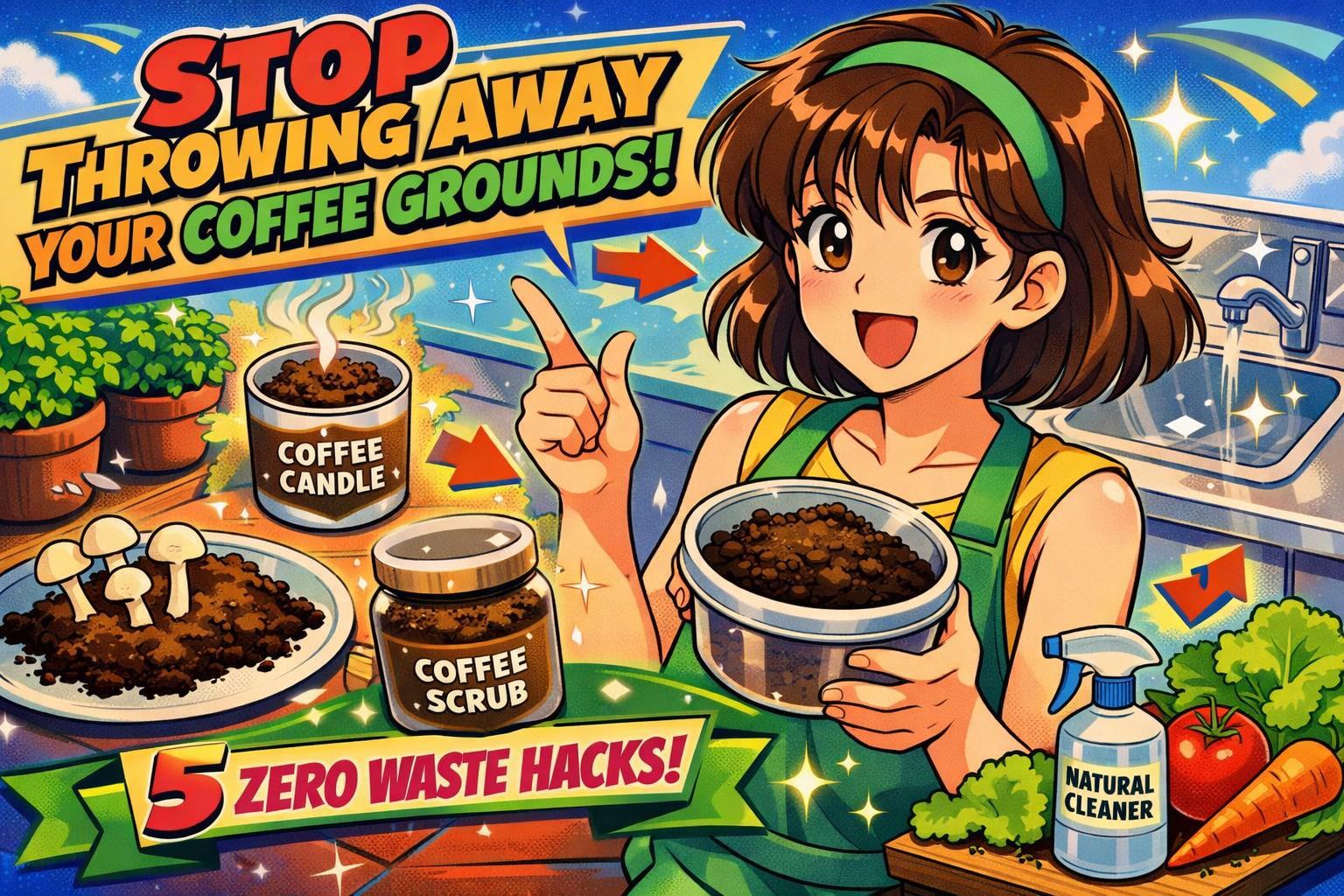

In the specialty coffee industry, we focus intensely on the “Golden Cup”—the perfect extraction where roughly 18% to 22% of the coffee’s soluble mass ends up in your mug. From a chemical perspective, this means that nearly 80% of the coffee’s biomass is discarded after the morning brew.
For the average consumer, this “waste” is a nuisance. For the eco-conscious enthusiast, it is a potent resource. Spent coffee grounds (SCGs) are a bioavailable cocktail of nitrogen, lipids, and polyphenols. When diverted from landfills—where they decompose anaerobically to produce methane—they become a high-value tool for your home and garden.
1. The Soil Chemistry: Coffee as a Nitrogen Source
One of the most persistent myths in horticulture is that coffee grounds are highly acidic. While fresh coffee beans are acidic, the brewing process is an extraction; most of those water-soluble acids end up in your carafe.
The Reality: Spent grounds typically test at a pH of 6.5 to 6.8, which is nearly neutral.
Nitrogen and the “Slow Release” Effect
SCGs contain approximately 2% nitrogen by volume. However, this nitrogen is “bound” in organic compounds (proteins). Unlike synthetic fertilizers that provide an instant chemical spike, coffee acts as a slow-release fertilizer.
- How it works: Soil microbes must first break down the coffee proteins to convert the nitrogen into a form plants can absorb (nitrates).
- The Worm Connection: Earthworms are primary decomposers in this cycle. They are attracted to the microbial biofilm that forms on decomposing grounds, helping to aerate the soil as they feed. According to research on the benefits of coffee grounds in the garden, this organic matter significantly improves soil structure over time.
Expert Tip: Avoid applying thick layers of pure grounds directly to the soil surface. They can compact and create a water-repellent (hydrophobic) barrier. Always scratch them into the top inch of soil or mix them with mulch.
2. Cosmetic Science: Caffeine as a Topical Vasoconstrictor
There is a reason why high-end “firming” creams feature caffeine as a primary active ingredient. In dermatology, caffeine is recognized as a vasoconstrictor—it temporarily shrinks blood vessels and can reduce edema (fluid retention).
The “DIY” vs. “Luxury” Scrub
A $50 boutique scrub often uses a base of salt or sugar mixed with synthetic fragrance and caffeine extract. By using spent grounds, you gain two benefits:
- Mechanical Exfoliation: The geometric structure of ground coffee provides a consistent abrasive texture that removes dead skin cells.
- Antioxidant Absorption: SCGs retain a significant portion of their phenolic compounds (antioxidants), which help combat oxidative stress on the skin. There are many creative uses for used coffee grounds that rival commercial skincare products.
The Professional Recipe:
- 1 part Spent Grounds (ensure they are cooled).
- ½ part Carrier Oil (Coconut or Sweet Almond oil).
- A pinch of Brown Sugar (for varied abrasive grit).
3. Household Applications: Odor Neutralization
Coffee is chemically “hungry.” The nitrogen in coffee is particularly effective at neutralizing sulfur gas—the chemical culprit behind the smell of rotting food or pungent aromatics like garlic and onions.
- Fridge Deodorizer: Unlike baking soda, which is passive, dried coffee grounds offer a larger surface area for adsorption.
- Hand Deodorizer: After prepping aromatics, rub a small amount of damp grounds between your palms. The oils in the coffee bind to the sulfurous compounds on your skin, lifting the scent instantly.
4. The Critical Warning: Plumbing Risks
If there is one rule every coffee drinker must follow, it is this: Never dispose of coffee grounds in the sink.
Coffee grounds are not water-soluble. When they enter a drainage system, they act like microscopic bricks. When they encounter fats, oils, and grease (FOG) in the pipes, they bind together to form fatbergs. This is a leading cause of catastrophic plumbing failures and municipal sewer blockages.
5. Advanced Upcycling: Mushrooms and Biomass
If you’ve mastered the garden, you can move into mycology. Coffee brewing is, by default, a pasteurization process. The hot water kills off most competing bacteria and fungi, leaving the spent grounds as a “clean” substrate.
- Mushroom Substrate: Oyster mushrooms (Pleurotus ostreatus) thrive on coffee grounds. By mixing mushroom spawn into cooled SCGs, you can harvest gourmet fungi in a matter of weeks.
- Java Logs: Dried coffee grounds contain high energy density. When compressed with a natural wax binder (like soy or beeswax), they can be used as fireplace logs. They typically burn hotter and cleaner than traditional cordwood.
6. Frequently Asked Questions (FAQ)
| Question | Expert Answer |
| Will caffeine kill my plants? | At high concentrations, caffeine is allelopathic (it inhibits seed germination). Use grounds on established plants, not on new seedlings. |
| Can I compost the filter? | Yes. Most paper filters are compostable. If you use bleached white filters, ensure they are “TCF” (Total Chlorine Free) to avoid introducing chemicals to your soil. |
| Do grounds deter pests? | Anecdotal evidence suggests slugs dislike the abrasive texture. However, scientific trials show mixed results; it is best used as a secondary deterrent. |
7. Final Takeaway: Closing the Loop
Coffee production is one of the most resource-intensive agricultural processes on the planet. By the time those beans reach your kitchen, they have consumed hundreds of gallons of water and significant human labor.
Repurposing your spent grounds isn’t just a “hack”—it is an act of circular economy. Whether you are improving your soil structure, smoothing your skin, or growing mushrooms, you are ensuring that the 80% of the bean that doesn’t make it into your cup still serves a purpose.
Continue Into the Sustainable Sourcing Hub
Waste reduction is one practical spoke in the broader sustainability cluster. These links connect this page back to the larger sourcing framework and the climate-resilience conversation.
