
4 min read
As someone who spent 20 years behind the bar—from the high-speed rushes in Seattle to craft shops in California—I’ve seen how “simple” drinks are often the hardest to master. The Bicerin is the ultimate example. It isn’t just a coffee; it’s a study in thermal and density gradients.
While many guides treat it like a layered mocha, my time managing shops taught me that the Bicerin is a delicate balance of three specific physics: the viscosity of the chocolate, the crema of the espresso, and the aeration of the cream.
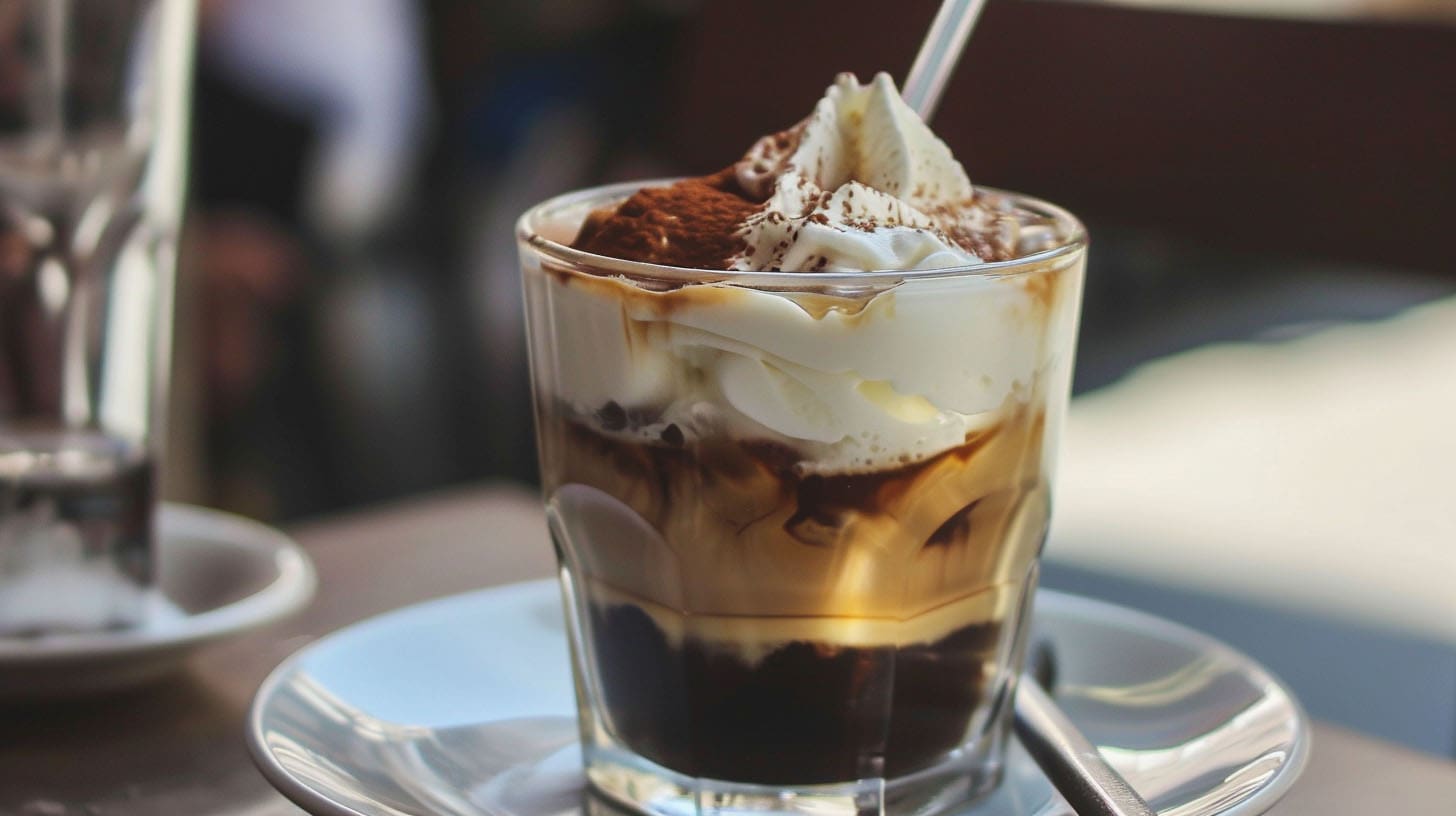
Bicerin (Traditional Turin Chocolate–Espresso–Cream Coffee)
Equipment
- 1 Small saucepan For melting chocolate
- 1 Spoon For controlled layering
- 1 Espresso Machine Ristretto-style extraction
- 1 Mason jar with lid For shaking cream
- 1 Clear Glass (5 oz) Traditional serving vessel
Ingredients
- 2 oz high-percent dark chocolate 70% recommended; look for red-fruit notes
- 2 oz whole milk For melting chocolate
- 1.5 oz ristretto espresso Or 2 oz very strong moka pot coffee
- 3 oz heavy cream Chilled; no sugar added
Instructions Cook Mode
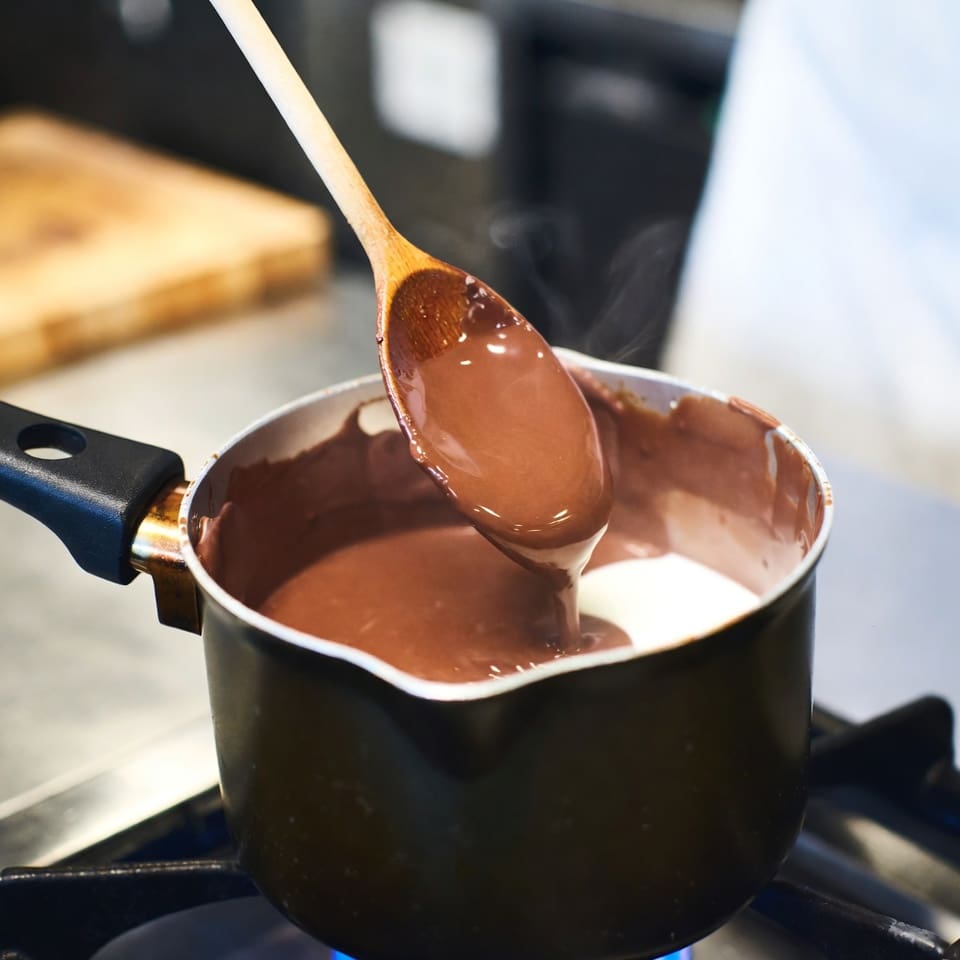
- Prepare the chocolate base.In a small saucepan over low heat, melt the dark chocolate with the milk, stirring gently until smooth and thick. The texture should resemble drinking chocolate, not syrup.

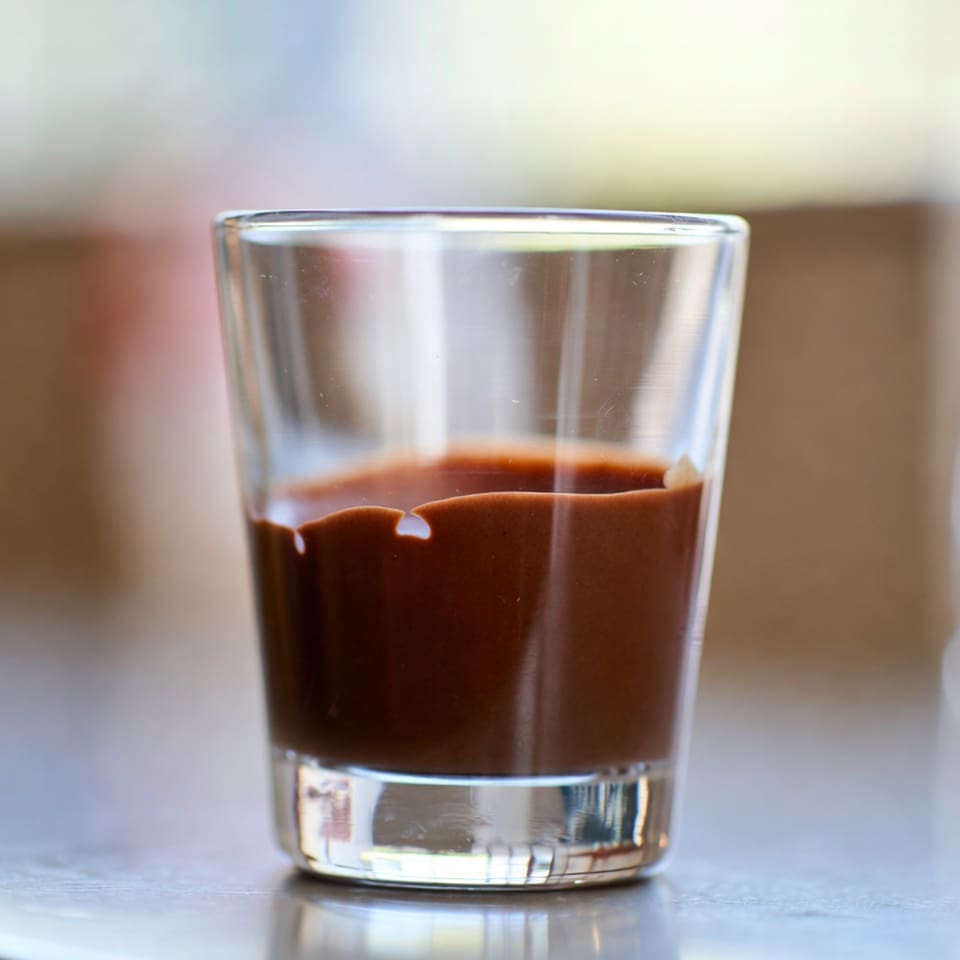
- Set the base.Pour the melted chocolate into a 5 oz clear glass and let it rest for about 60 seconds to slightly thicken.
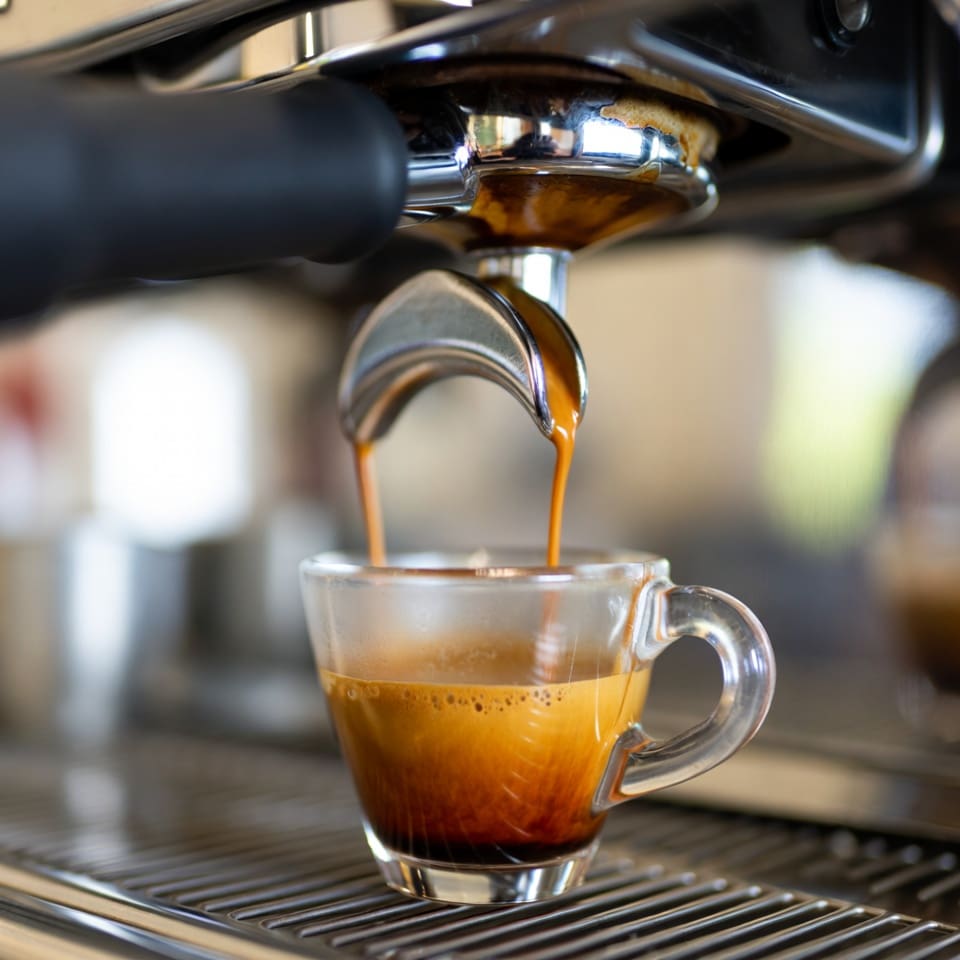
- Brew the espresso.Pull a short ristretto shot or brew a very strong moka pot coffee. The coffee should be hotter than the chocolate layer.
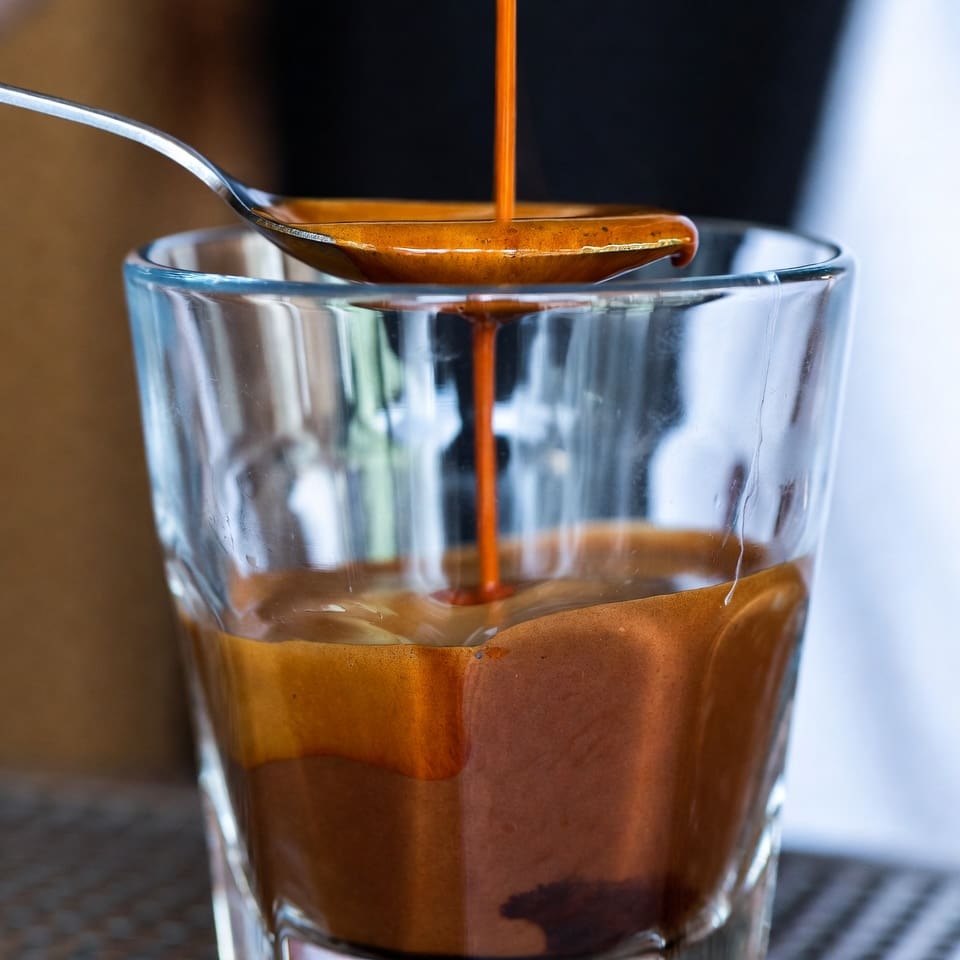
- Layer the espresso.Hold a spoon just above the chocolate surface and slowly pour the espresso onto the center of the spoon so it gently spreads over the chocolate without breaking through.
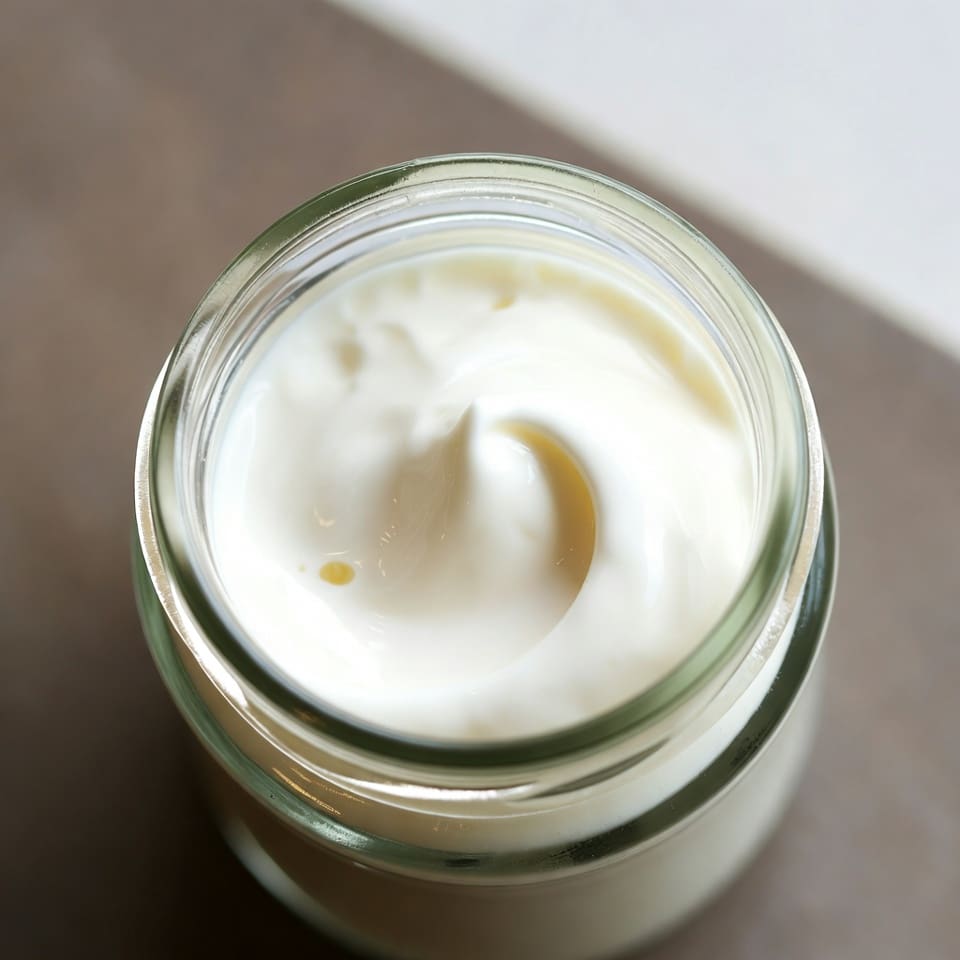
- Prepare the cream.Add the chilled heavy cream to a mason jar, seal, and shake vigorously for about 30 seconds until lightly aerated and still pourable.
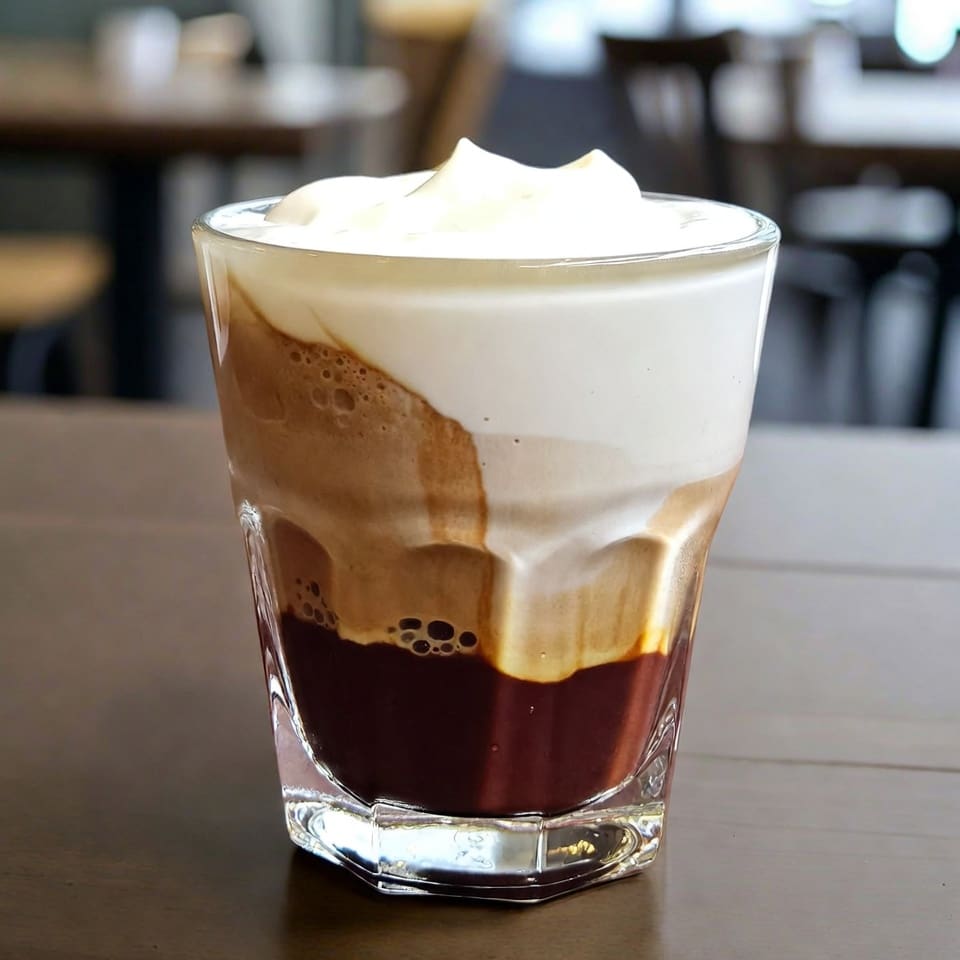
- Finish the drink.Gently pour the cream over the back of a spoon onto the espresso layer, allowing it to float and form a soft, cloud-like top.
- Serve immediately.Do not stir. Drink from the glass to experience the layers in sequence.
Notes
- The chocolate should be thick enough to support the espresso but still drinkable.
- The espresso must be hotter than the chocolate layer to maintain separation.
- The cream should be lightly aerated, not whipped; stiff peaks will ruin the drinking experience.
- Serve in glass only — the visual layering is part of the drink.
Nutrition
Why This Beats a Mocha
A mocha is a “uniform” experience. A Bicerin is a sequential one. As you tilt the glass, the cold cream hits your lips first, followed by the searing, bitter espresso, and finally the warm, sweet chocolate. It’s a three-act play in a 5oz glass.

The Anatomy of the “Little Glass”
The name Bicerin simply means “little glass” in Piedmontese. If you serve this in a ceramic mug, you’ve already lost. Part of the experience is the visual “stata” (layers).
1. The Foundation: The “Pudding” Base
In Turin, they don’t use syrup. They use a chocolate base that is closer to a drinking chocolate.
Pro Insight: If your chocolate is too thin, the espresso will punch right through it. If it’s too thick, you’ll need a spoon to finish the drink. I recommend a 70% dark chocolate melted into a 1:1 ratio with whole milk.
2. The Core: Espresso vs. Moka Pot
You need a “short” shot. In my cafes, we aimed for a ristretto profile here—low volume, high intensity.
- The Layering Trick: To keep the layers sharp, the espresso must be hotter than the chocolate. Heat rises; by pouring the hotter espresso over the cooler chocolate base (using the back of a spoon), you create a stable thermal barrier.
3. The Crown: The “Wet” Peak
This is where most home baristas fail. Do not make “whipped cream” in the dessert sense. You want what we call “wet” microfoam—the consistency of melted ice cream.
- Barista Cue: Shake your heavy cream in a mason jar for 30 seconds instead of using a mixer. It should still be pourable but leave a “skirt” on the side of the glass.

FAQ
Can I use a milk frother for the cream?
Only if it has a cold-foam setting. Heated frothing produces stiff foam that prevents the layers from mixing.
Why does my espresso mix into the chocolate?
The chocolate base is likely too thin or too hot. Let it rest briefly before adding the espresso.
