
8 min read
That first sip of morning coffee should be perfect—balanced, flavorful, and energizing. But if you’re often met with a bitter, harsh, or disappointingly weak brew, the problem might not be your coffee beans. The culprit is likely your coffee maker’s water temperature.
As a coffee professional, I’ve seen firsthand how a simple temperature variance can ruin an otherwise perfect brew. Understanding the question, “How hot does a coffee maker get?” is the single most important step you can take to move from mediocre coffee to a consistently great-tasting cup.
This guide will break down the science, provide actionable tips, and give you the expertise you need to master your machine.
Table of Contents
How Hot Does a Coffee Maker Get?
Why Temperature Is the Secret to Great Coffee
The entire brewing process is a science of extraction. Hot water acts as a solvent, pulling flavors, oils, and acids from your coffee grounds. The temperature of that water dictates what gets extracted and how quickly.
The Specialty Coffee Association (SCA), a leading authority on coffee quality worldwide, has defined the industry standard for optimal brewing. Their “Golden Cup Standard” specifies that the water temperature should be between 195°F and 205°F (90°C to 96°C) for the best extraction.
Here’s what happens when your coffee maker operates outside that ideal temperature range:
| Temperature Range | Extraction Result | Common Taste Profile |
| Below 195°F (90°C) | Under-extraction | Weak, sour, grassy, lacking sweetness and body. |
| 195°F−205°F (90°C−96°C) | Optimal Extraction | Balanced, sweet, aromatic, and full-flavored. |
| Above 205°F (96°C) | Over-extraction | Bitter, harsh, burnt, or hollow-tasting. |
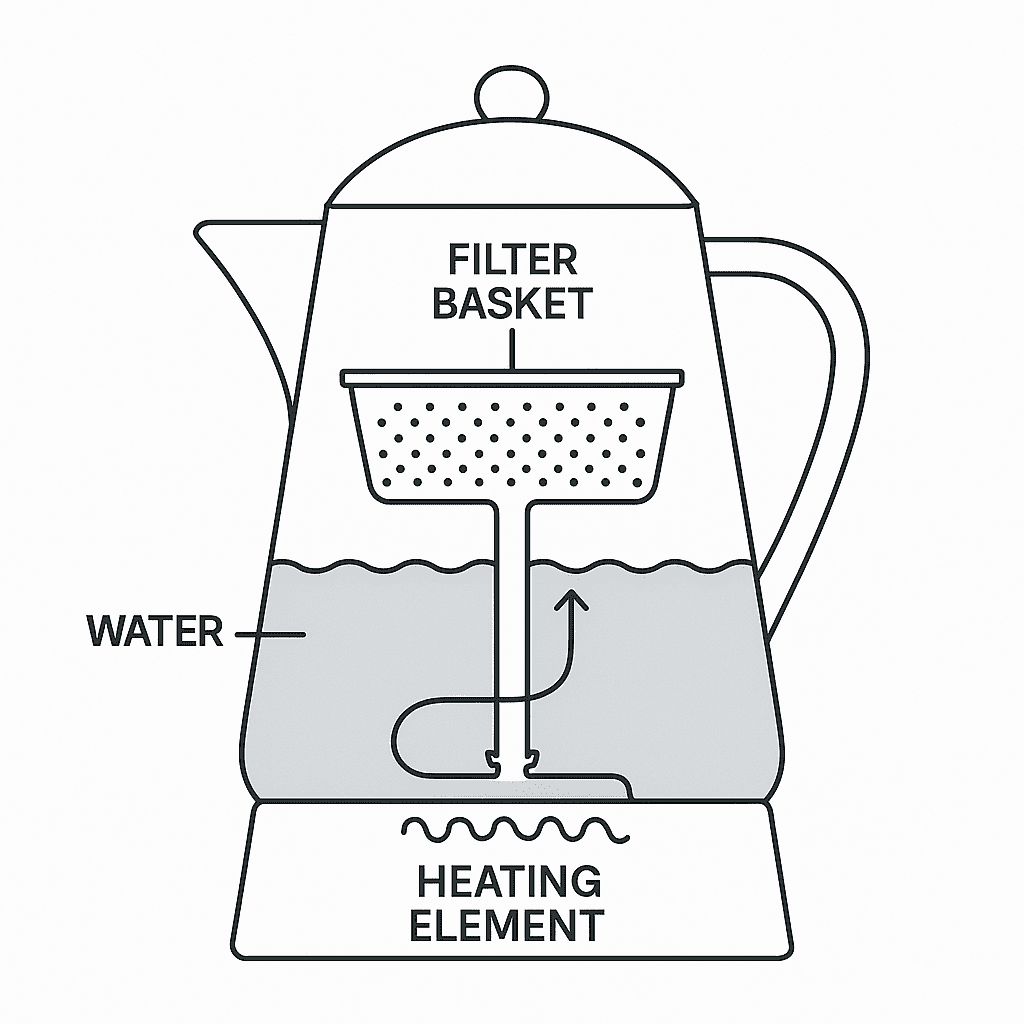
Your coffee maker’s heating element is designed to bring cold water from the water reservoir into this precise window. However, not all machines do it equally well.
Heat Performance in Different Coffee Maker Types
The type of coffee machine you use fundamentally changes how temperature is managed. Let’s look at the most common types.
Drip Coffee Makers: The Everyday Workhorse
Most home coffee makers are drip machines. A good quality machine will reliably heat water to the ideal 195°F-205°F range. The hot water is then sprayed over the coffee grounds in the brew basket before dripping into a carafe.
- Glass Carafe & Hot Plate: A common feature, the hot plate is designed to keep coffee warm.
- Thermal Carafe: In my experience, a thermal carafe is far superior. It’s essentially a large thermos that traps heat, keeping coffee hot for hours without adding more energy. This preserves the original flavor profile and prevents that burnt taste.
Tip: Be cautious here. A hot plate can continue to “cook” the coffee, breaking down delicate flavor compounds and creating bitterness over an extended period. It can raise the temperature of the coffee far beyond the ideal holding temp.
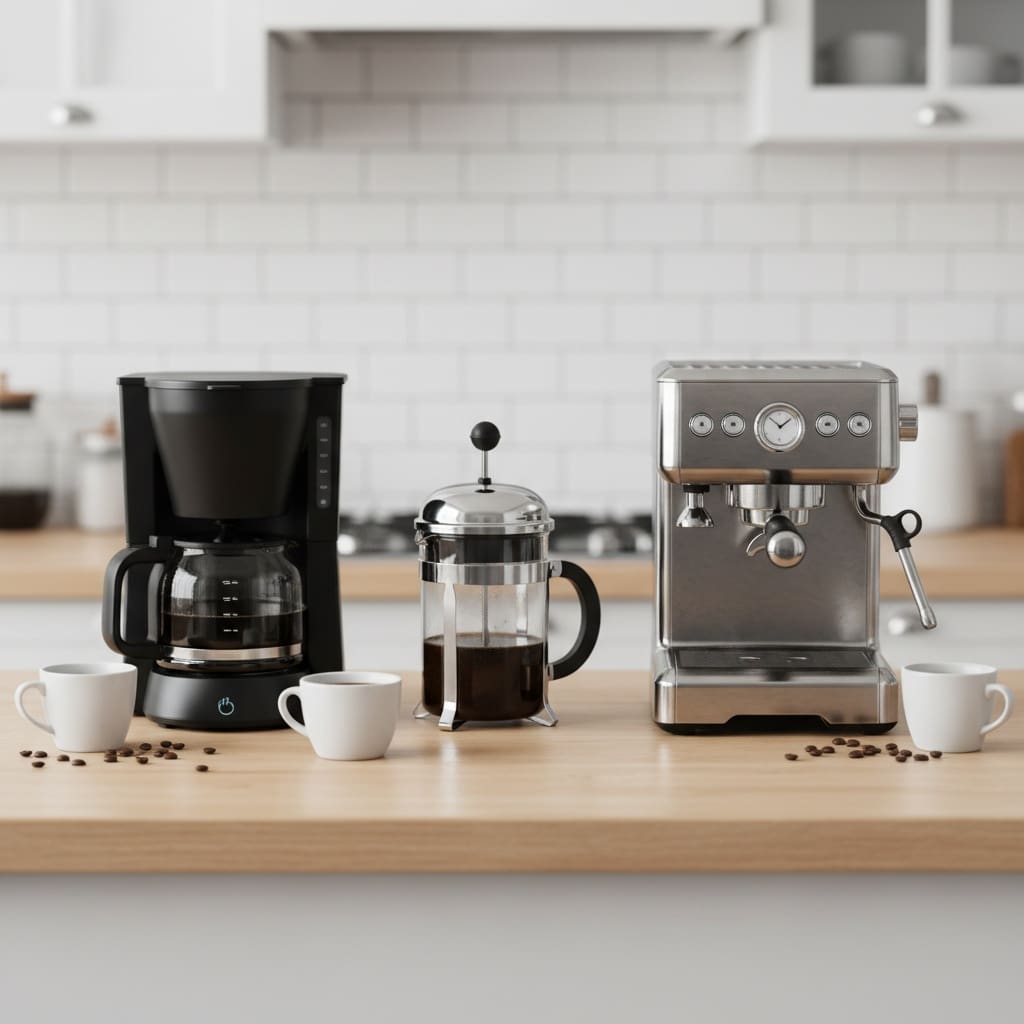
French Press: Manual Control
With a French press, you have complete control. The key is to avoid using water right off the boil. Water boils at 212°F (100°C), which is too hot and will cause over-extraction.
- Expert Tip: Bring your water to a full boil, then let it rest for about 30 to 60 seconds. This will allow the temperature of the water to drop into the optimal 195°F-205°F range before you pour it over your coffee grounds.
Espresso Machines: High-Pressure Precision
Espresso is a different brewing method entirely, relying on pressure and a much shorter brewing time (typically 25-30 seconds). The ideal brewing temperature for espresso is slightly cooler, usually between 190°F and 196°F (88°C to 91°C). These machines are built for thermal stability to ensure every shot is consistent.
Factors That Affect Your Coffee Maker’s Temperature
Even a high-quality coffee maker can struggle to maintain the right temperature. Several factors can influence its performance.
- Mineral Buildup (Scale): This is the #1 enemy of your heating element. Hard water contains minerals like calcium and magnesium that build up over time, forming a layer of scale. This scale forces the element to work harder and less efficiently, often preventing it from reaching the ideal temperature.
- Machine Age: Like any appliance, the heating element can degrade over time, losing its ability to heat water to the correct temperature quickly and consistently.
- Ambient Temperature: A coffee maker in a cold kitchen on a winter morning will have to work harder and may lose more heat during the brewing process compared to one in a warmer environment.
- Starting Water Temperature: Using very cold water from the fridge versus cool tap water can slightly alter the final brew temperature and brewing time in some less powerful machines.
Troubleshooting Common Temperature Problems
Is your coffee tasting off? Here’s how to diagnose and fix temperature-related issues based on taste.
Problem: My coffee tastes weak, sour, or “thin.”
This is a classic sign of under-extraction, meaning your water isn’t hot enough.
- Step 1: Descale Your Machine. This is the most common fix. Run a descaling cycle according to your manufacturer’s instructions using a descaling solution or a 50/50 vinegar-water mix. This removes mineral buildup from the heating element.
- Step 2: Pre-heat the System. Run one brew cycle with just water and no coffee grounds. This warms up the internal components and the carafe, ensuring less heat is lost during the actual brewing process.
- Step 3: Check Your Grind Size. If the water passes through the grounds too quickly, it doesn’t have time to extract properly. A slightly finer grind might help, but descaling is the primary solution.
Is It Time to Descale?
Get your personal coffee maker tune-up schedule.
1. How often do you brew?
2. What’s your water like?
Problem: My coffee tastes excessively bitter or burnt.
This points to over-extraction, which can be caused by water that’s too hot or contact time that’s too long.
- Step 1: Ditch the Hot Plate. If you use a glass carafe, drink the coffee within 30 minutes of brewing. Never leave it on the hot plate for hours. For a better long-term solution, switch to a model with a thermal carafe.
- Step 2: Check Your Brew Time. A brew cycle on a standard 8-cup drip coffee maker should take around 4-6 minutes. If it’s taking much longer, a clog in the filter basket area could be causing the water to sit with the grounds for too long, leading to bitterness.
- Step 3: Use a Thermometer. For the dedicated coffee enthusiast, use an instant-read thermometer to check the temperature of the water coming from the showerhead (the part that sprays water on the grounds) and the coffee in the carafe immediately after brewing. This will give you concrete data on your machine’s performance.
Final Thoughts: Mastering Heat for the Perfect Cup
Your coffee maker is more than a simple appliance; it’s a precision instrument. Its ability to achieve and maintain the optimal temperature of 195°F-205°F is the foundation of every great cup of coffee.
By performing regular maintenance, understanding the needs of your specific machine, and paying attention to the taste of your coffee, you can ensure your brewer performs at its peak. This knowledge empowers you to troubleshoot issues and guarantee that your investment in quality coffee beans pays off in every single cup.
Related: For a related brewing guides follow-up, read Yes, You Can Make Insanely Good Hot Chocolate in Your Coffee Maker next.
Frequently Asked Questions (FAQ)
What is the ideal temperature my coffee maker should reach?
According to the National Coffee Association and the SCA, the ideal water temperature for brewing is between 195°F and 205°F (90°C to 96°C). This range ensures proper extraction of desirable flavor compounds without pulling out excess bitterness.
Why does my coffee taste bitter?
Bitterness is usually a sign of over-extraction. This can be caused by a water temperature above 205°F or by leaving the brewed coffee on a hot plate for too long, which continues to cook it.
How do I know if my coffee maker isn’t hot enough?
Weak, sour, or thin-tasting coffee is the primary indicator. This means the water temperature is likely below 195°F, failing to properly extract the sugars and deeper flavors from the coffee grounds. The most common cause is a heating element covered in mineral scale.
Is a thermal carafe better than a glass carafe for temperature?
Yes. A thermal carafe is an insulated container that keeps coffee hot through retention, preserving its original flavor. A glass carafe relies on a hot plate, which constantly adds heat and can scorch the coffee over time, creating bitter flavors.
How often should I descale my coffee maker for best performance?
For optimal performance and temperature consistency, you should descale your coffee machine at least once every 1-3 months, depending on your water hardness. If you have very hard water, monthly descaling is recommended.
