
7 min read
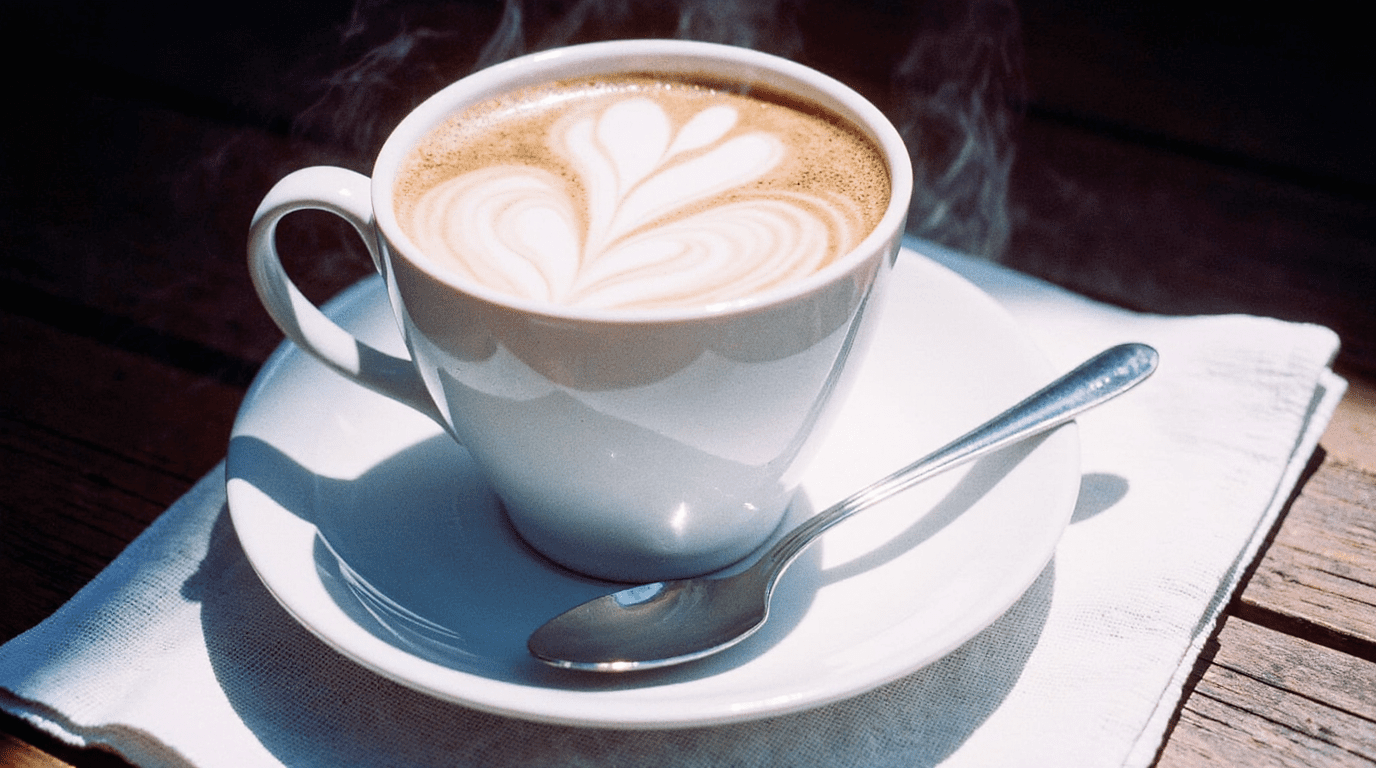
A café au lait is a coffee drink made with brewed coffee and hot milk, usually in a 1:1 ratio. This guide explains what it is, how it is traditionally served in France and New Orleans, and how it differs from a latte or café con leche.
The cultural story matters here. Unlike a latte, a traditional café au lait is built on brewed coffee, not espresso, and its identity is tied as much to breakfast ritual and regional history as it is to recipe ratios.
Quick answer: café au lait means brewed coffee plus hot milk. If a café uses espresso instead, the drink is closer to a latte than a traditional café au lait.
Table of Contents
French Breakfast Tradition
The term “café au lait” (literally “coffee with milk”) first appeared in French writing around 1763; however, the practice of combining coffee and milk dates back nearly a century earlier. In the 1600s, as coffee houses like the famous Le Procope became the intellectual hubs of Paris, the French began softening the drink’s bitter edge with hot milk.
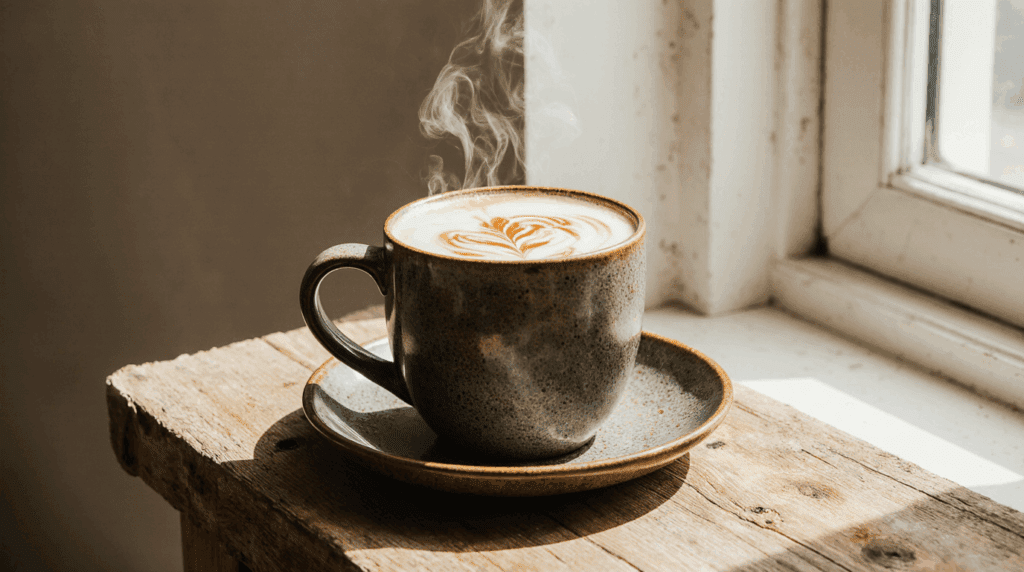
In France, café au lait is a breakfast-only tradition. The most authentic element, and the one that surprised me most, is the vessel: a wide porcelain bowl, or bol.
The purpose is pure, comforting genius: dunking. The wide mouth is perfectly shaped to dip a croissant or a piece of baguette. The flaky pastry soaks up the warm, milky coffee, creating a perfect bite that is quintessentially French. It’s a slow, deliberate ritual—a far cry from grabbing a paper cup on the way to work.
New Orleans Café au Lait
When French culture settled in Louisiana, the café au lait followed. But it was transformed by a crucial moment in American history. During the Civil War, Union naval blockades cut off coffee imports to New Orleans.
To make their limited coffee supplies last, resourceful locals began blending them with roasted and ground chicory root. This wasn’t a new idea; the French had used chicory as a coffee substitute during their own conflicts. What began as a necessity soon became the city’s signature flavor.
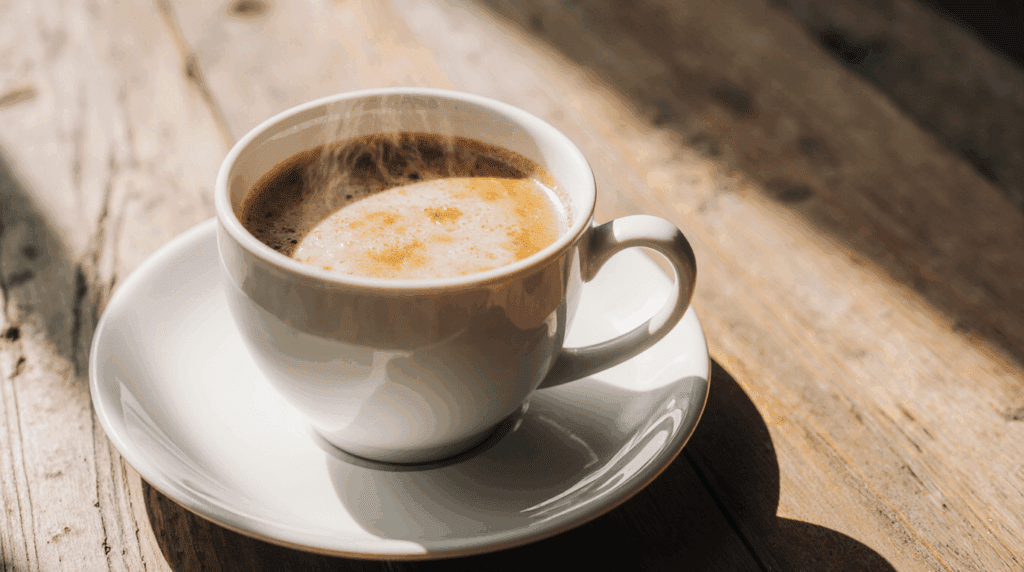
Having tasted it at the legendary Café Du Monde, I can tell you the experience is unforgettable. The chicory adds a dark, earthy, almost chocolatey note that is much more intense than its Parisian cousin. Paired with a pile of hot, powdered sugar-dusted beignets, it’s not just breakfast—it’s a taste of New Orleans’ resilient, multicultural soul.
Café au Lait vs. Latte vs. Café con Leche
These drinks sound similar, but the coffee base changes the result more than most people expect. The quickest way to separate them is to ask whether the drink starts with brewed coffee or espresso.
| Feature | Café au Lait (French/New Orleans) | Caffè Latte (Italian) | Café con Leche (Spanish) |
|---|---|---|---|
| Coffee Base | Strong Brewed Coffee (Drip or French Press) | Espresso | Strong Coffee (Often Espresso) |
| Milk Preparation | Hot or Steamed Milk (No significant foam) | Steamed Milk with a thin layer of foam | Scalded Milk (heated to just below boiling) |
| Standard Ratio | 1:1 (Coffee to Milk) | ~1:3+ (Espresso to Milk) | 1:1 (Coffee to Milk) |
| Defining Feature | A balanced harmony of brewed coffee and milk. | A milky, espresso-forward drink with a velvety texture. | A strong, rich coffee drink, often slightly sweeter. |
In short: a traditional café au lait uses brewed coffee. If a shop uses espresso instead, the drink is closer to a latte. If you want the closest Spanish relative, compare it with café con leche. Starbucks’ Caffè Misto is the closest mainstream menu equivalent because it uses brewed coffee and steamed milk.
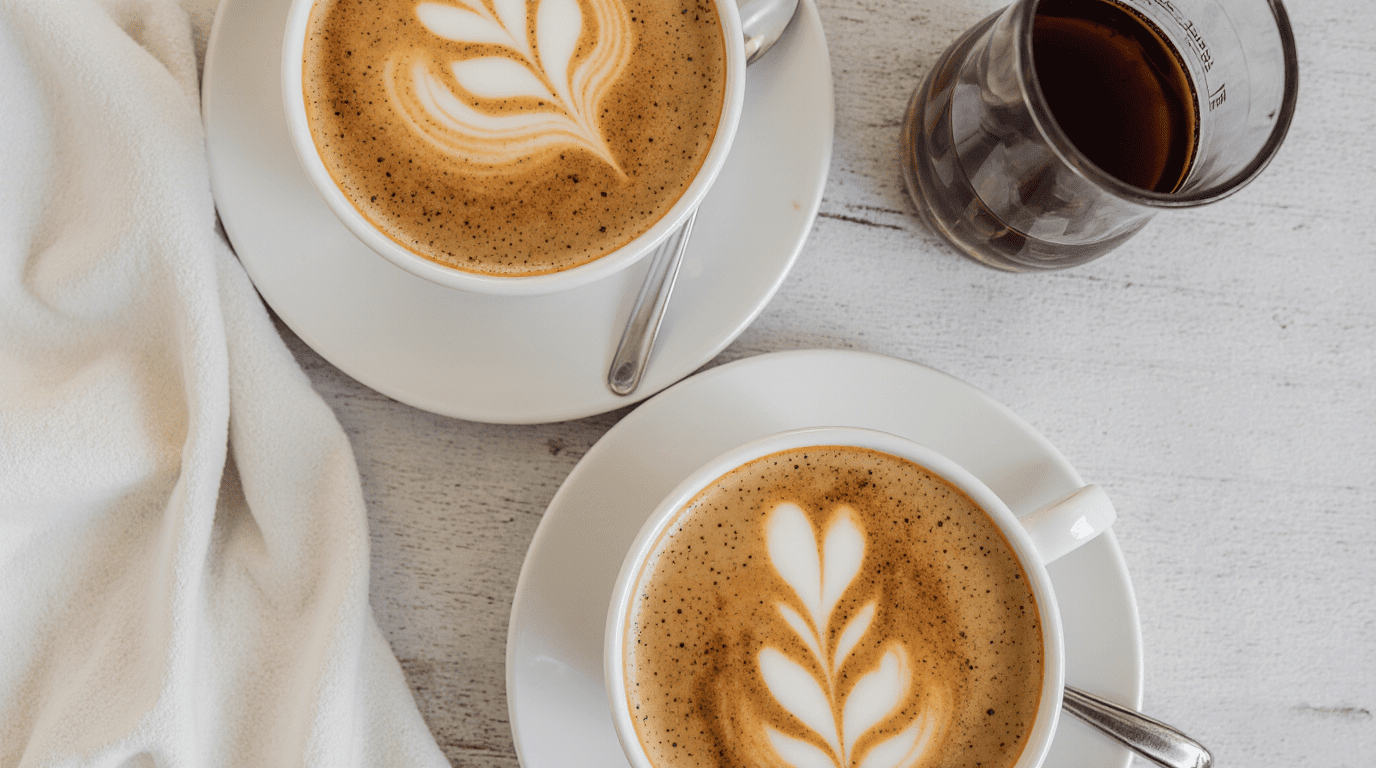
How to Make Authentic Café au Lait
Equipment
- Small saucepan for heating milk
- Spoon for serving
Ingredients
- 4 oz strongly brewed hot coffee
- 4 oz whole milk
Instructions Cook Mode
- Brew the Coffee: Prepare a strong batch of coffee using your preferred method, such as a French press, pour-over, or drip coffee maker. Aim for a brew that is bold but not bitter.
- Heat the Milk: While the coffee is brewing, heat the milk in a small saucepan over medium-low heat. Stir occasionally until it is steaming and hot to the touch, but not boiling (about 160°F or 70°C).

- Combine and Serve: Pour the hot coffee into a wide, shallow bowl (bol). Gently pour the hot milk over the coffee. Serve immediately.
- Enjoy the French Way: The wide bowl is perfect for dunking. Serve with a fresh croissant, baguette, or brioche for the full experience.
Notes
Recipe Notes
- The Right Coffee: Avoid espresso. The soul of a true café au lait is brewed coffee. A dark or medium-dark roast made in a French press provides the ideal body and strength to balance the milk.
- The Right Vessel: For the most authentic experience, serve this in a wide, handleless ceramic bowl (bol in French). This isn’t just for looks; it’s the traditional way and makes dunking your pastry much easier!
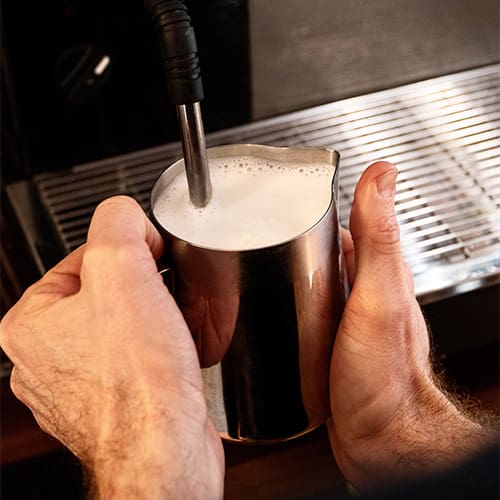
- No Foam Needed: Unlike a latte, a café au lait does not require frothed milk or foam. The goal is a seamless blend of hot coffee and hot milk.
- For the New Orleans Version: To make a New Orleans-style café au lait, use a dark roast coffee blended with chicory. The ratio of coffee to hot milk remains 1:1. It’s traditionally served with beignets.
- Café au Lait vs. Latte: Remember, a latte is made with espresso and has a much higher milk-to-coffee ratio (usually 1:3 or more). A café au lait is made with brewed coffee and has a balanced 1:1 ratio.
Nutrition
Related Variations and Modern Twists
The story does not end with France or New Orleans. Café au lait also works as a template for local variation, where brewed coffee and milk get adapted to different ingredients, roasting styles, and café habits. That flexibility helps explain why the drink still feels familiar across cultures even when the details change.
From a French breakfast bowl to a chicory-heavy New Orleans version, café au lait shows how a simple brewed-coffee-and-milk formula can travel without losing its identity.
Related milk-drink guides: For the closest sibling pages, compare What Is a Latte?, What Is Café con Leche?, and What Is a Cappuccino?.
About the Author
Kelsey Todd is a culinary travel writer and certified barista with over twenty years of experience in the specialty coffee industry. Kelsey has traveled through Europe and the Americas researching coffee culture, café traditions, and the stories behind everyday drinks.
Related: For a related glossary follow-up, read What Is a Café Corretto? next.
Sources and Further Reading
- The History of Le Procope, Paris’s oldest café. (procope.com)
- The Cultural History of Coffee, a deep dive from the National Coffee Association. (ncausa.org)
- Café Du Monde, the official website of the New Orleans institution. (cafedumonde.com)
