
6 min read
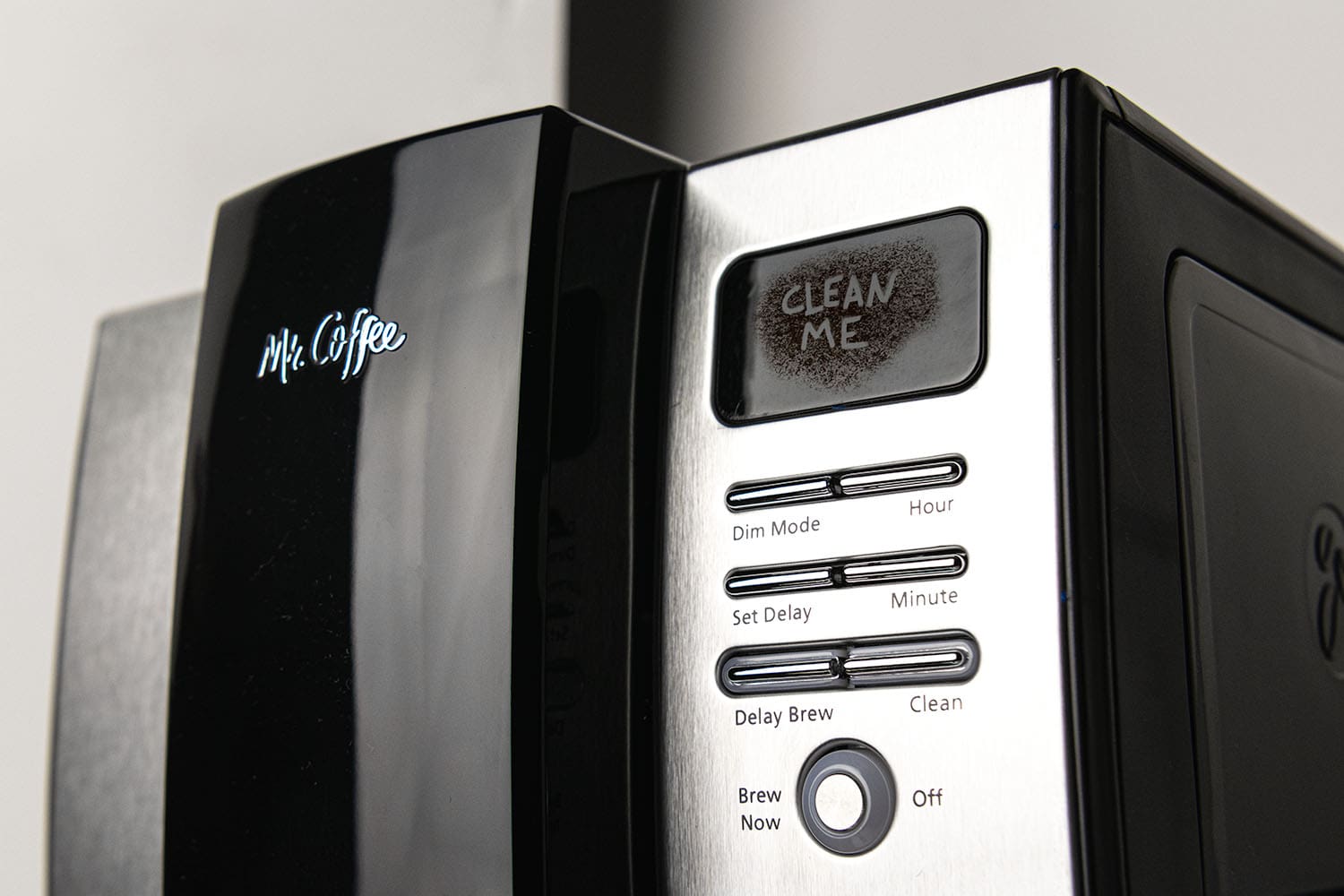
The flashing clean light is not a fault. It is a maintenance alert. Most Mr. Coffee machines trigger it every 80 to 90 brews, sooner if you have hard water. Try a power-cycle reset first. If the light comes back, run a full clean cycle with a 1 to 1 mix of white vinegar and water, then flush twice with fresh water.
I have cleaned a lot of these machines. The light almost always means scale has built up inside the lines. Clear the scale and the light resets on its own.

Why the light blinks
Most Mr. Coffee models keep a brew counter and flag a clean every 80 to 90 cycles. Hard water speeds that up. Calcium and magnesium leave scale inside the copper or aluminum tubing, the lines slowly narrow, and water either runs slower or heats hotter than the factory setting. The sensor notices the change and turns on the light.
So the light is really a flow-and-heat reading, not a calendar reminder. That is why two identical machines can flag a clean at very different times depending on the water they drink.
First, try a hard reset
Before you commit to a 60-minute chemical cycle, try a power-cycle reset. It clears the volatile memory on the control board, which handles the occasional false alert.
- Disconnect the machine from the power source.
- Wait 30 to 60 seconds. This lets the capacitors on the board discharge fully.
- Reconnect. If the light comes right back, the sensor is reading real scale, and a deep clean is the fix.
What to descale with
To clear scale you need an acid strong enough to break down the calcium carbonate inside the lines.
- White vinegar The standard
- The official Mr. Coffee guidance is roughly 1 part white vinegar to 1 part cold water. The acetic acid dissolves scale well and does not harm the food-grade seals.
- Citric acid or lemon Vinegar-free option
- If you would rather skip vinegar, a citric-acid descaler or plain lemon juice in water also works. Be honest with yourself about it though. Lemon juice is a milder acid than white vinegar or a commercial descaling powder, so it works more slowly and may need a second pass.
One thing to skip: do not add baking soda to your lemon or vinegar solution. Baking soda is a base, so it cancels out the acid you are relying on to dissolve the scale. Use the acid on its own.
Running the clean cycle
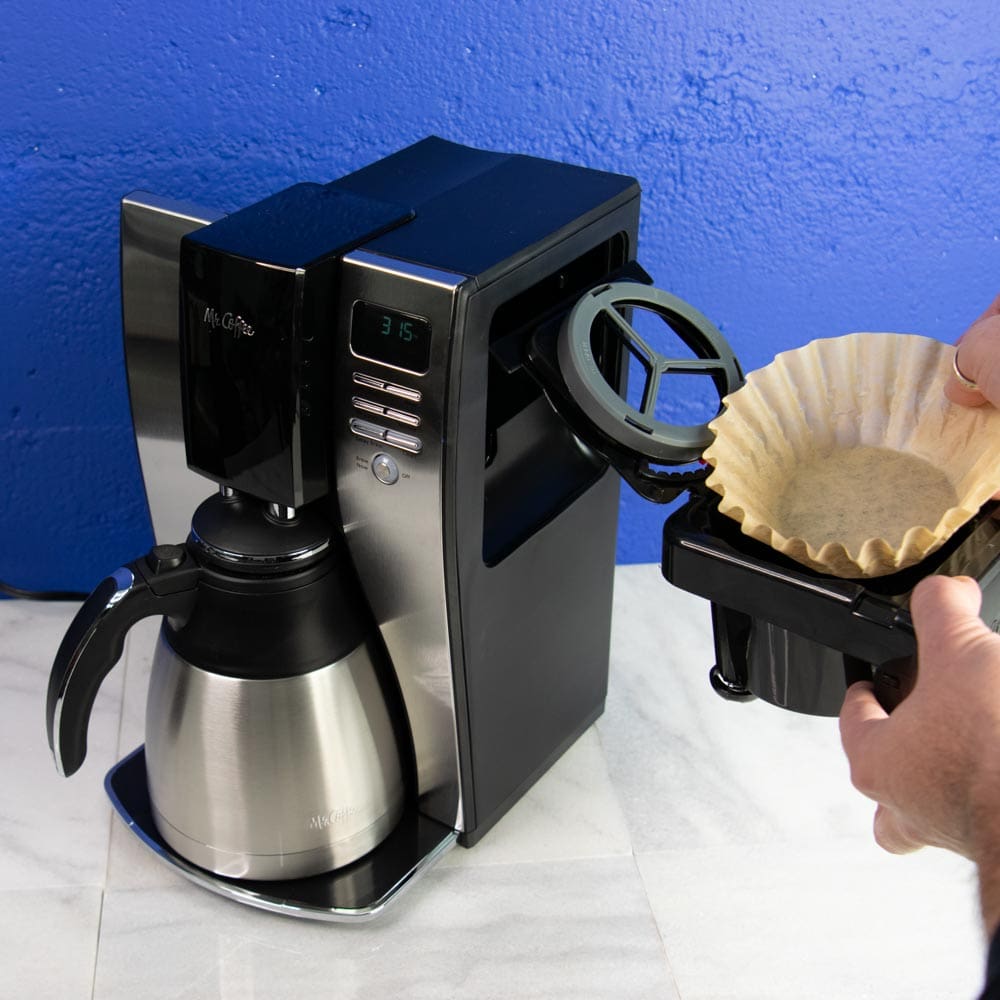
Brewing a pot of vinegar is not the same as running the clean cycle. The dedicated Clean button on the 10-cup programmable machine uses a specific pulse-and-soak pattern that a normal brew does not.
- Prep. Remove the permanent filter and any carbon water filter, and empty the carafe.
- Fill. Pour your 50/50 vinegar-and-water solution into the reservoir.
- Activate. Press the Clean button. You may need to press it a few times until the light stops flashing and stays solid.
- Soak. The cycle runs about 60 minutes and pauses partway to let the acid sit in the heater. Do not unplug the machine during this pause. It is supposed to wait.
- Flush. When it finishes, run two full brew cycles with fresh cold water to clear any leftover vinegar.
Maintenance beyond the water path
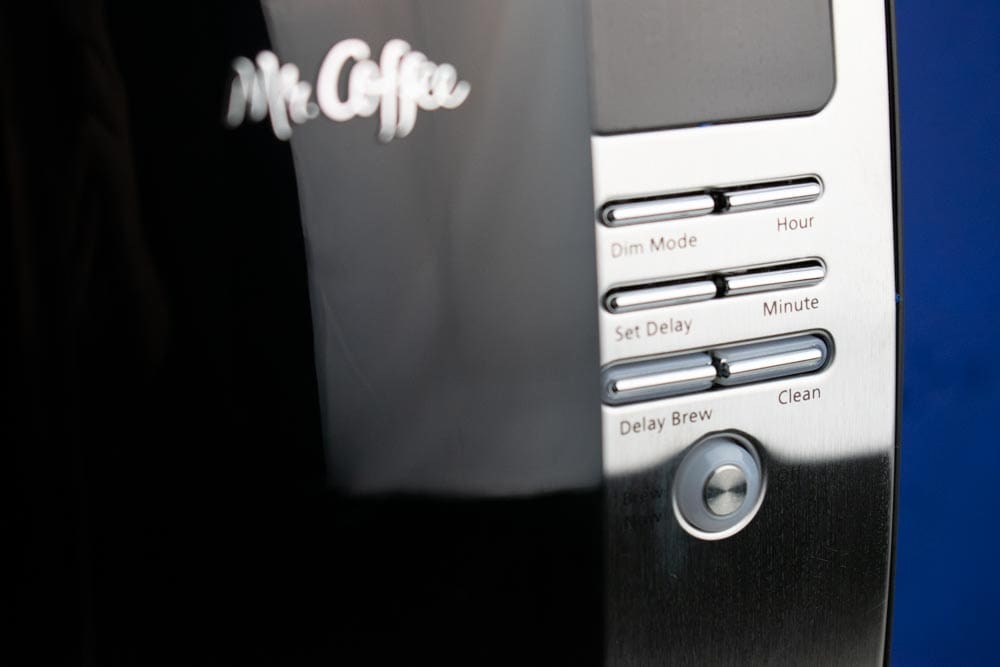
Descaling handles the inside of the machine. Two smaller habits keep the rest of it brewing clean.
- The spray head Wipe it often
- Coffee oils oxidize and turn rancid, which clogs the spray nozzles and dulls the flavor. A soft, damp cloth across the showerhead after brewing is enough.
- The carbon filter Swap on a schedule
- If your model uses a carbon disk, replace it every 30 days or 30 brews. It keeps chlorine and off-flavors out of the water and protects the plumbing inside.
Frequently asked questions
Why is the light still flashing after cleaning?
If the cycle was interrupted, the sensor will not reset. Let the full 60-minute cycle run all the way through without unplugging or pausing the machine.
Can I use apple cider vinegar?
Yes, but it has more sugar and sediment than white vinegar, so it needs more thorough rinsing to avoid funky flavors in later brews.
What is the lifespan of a Mr. Coffee?
With regular descaling, these machines can last 3 or more years. Without it, scale buildup usually blows the thermal fuse within about 1,000 brew cycles.
Respect the sensor
The clean light is the machine telling you its lines are narrowing. Descale on a regular rhythm, about every 90 days, and the water stays in the 195 to 205°F range that good extraction needs.
Clear the scale, and the light resets itself. Respect it, and the machine lasts for years.
Sources
- Mr. Coffee official maintenance and clean-cycle video guidance.
- Specialty Coffee Association brewing and water filtration guidance.
