
9 min read
Coffee Recipes Hub · Coffee Cocktails
The Revolver
Rye and RoastBold bourbon and coffee liqueur, stirred cold and expressed with orange. The science of why ethanol makes coffee taste better — and why rye makes this cocktail work.
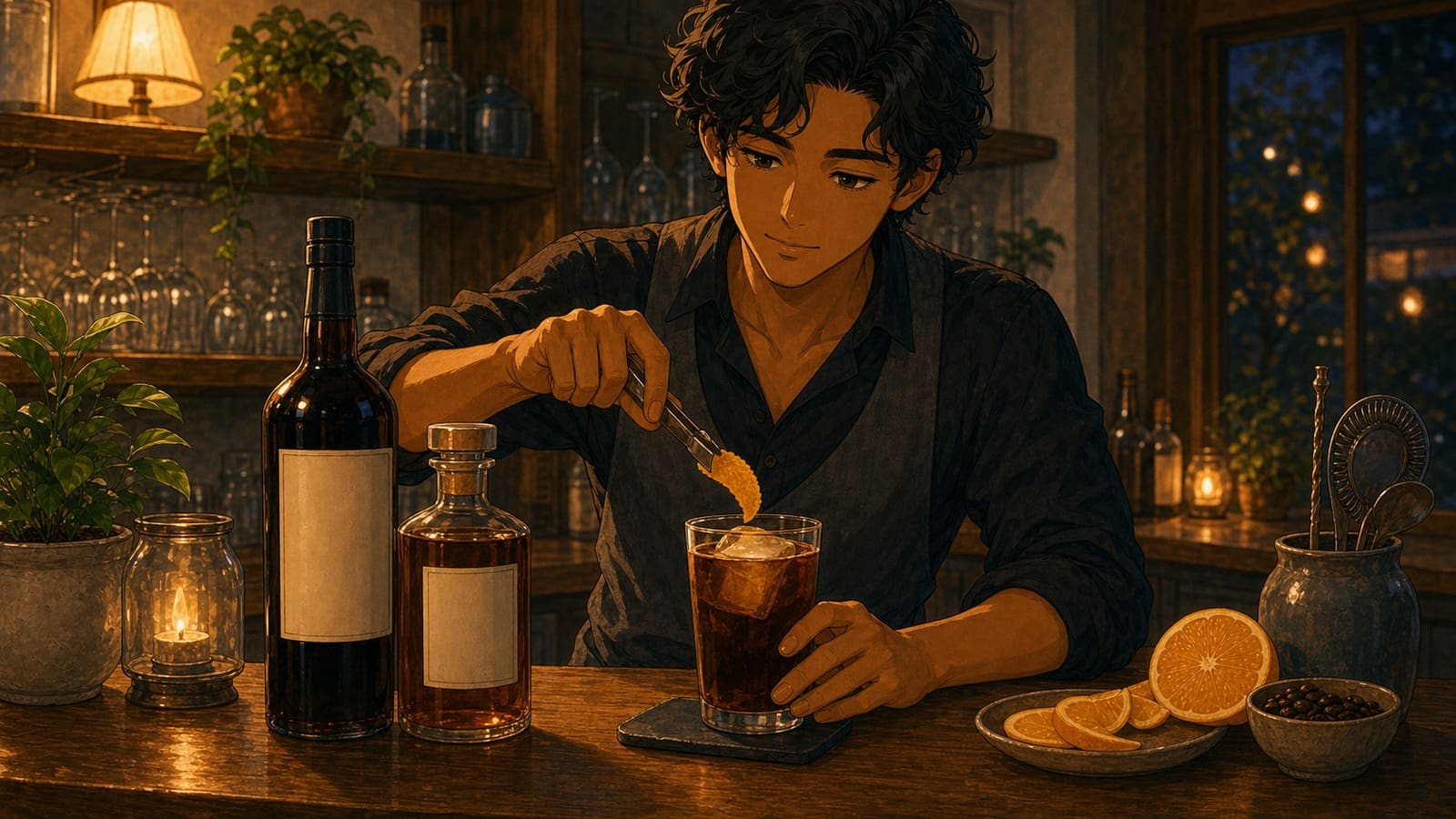
Most coffee cocktails are about sweetness. The Revolver is about tension. Bourbon pushing forward, coffee liqueur holding it back, orange bitters cutting through the middle — and the whole thing resolving into something more coherent than any of those three parts on their own.
It was created by Jon Santer in San Francisco in the early 2000s, and it’s survived long enough to become a modern classic because it’s built on a genuinely interesting flavor relationship. Ethanol is a solvent. When bourbon and coffee liqueur meet in a mixing glass, the alcohol doesn’t just carry flavor — it actively extracts aromatic compounds from the coffee, amplifying roasted, smoky notes that wouldn’t otherwise make it into the glass. The result is a drink where the coffee tastes more like coffee and the bourbon tastes more like bourbon, because each one is pulling the other’s flavors out.
That’s the mechanism. Here’s how to use it.
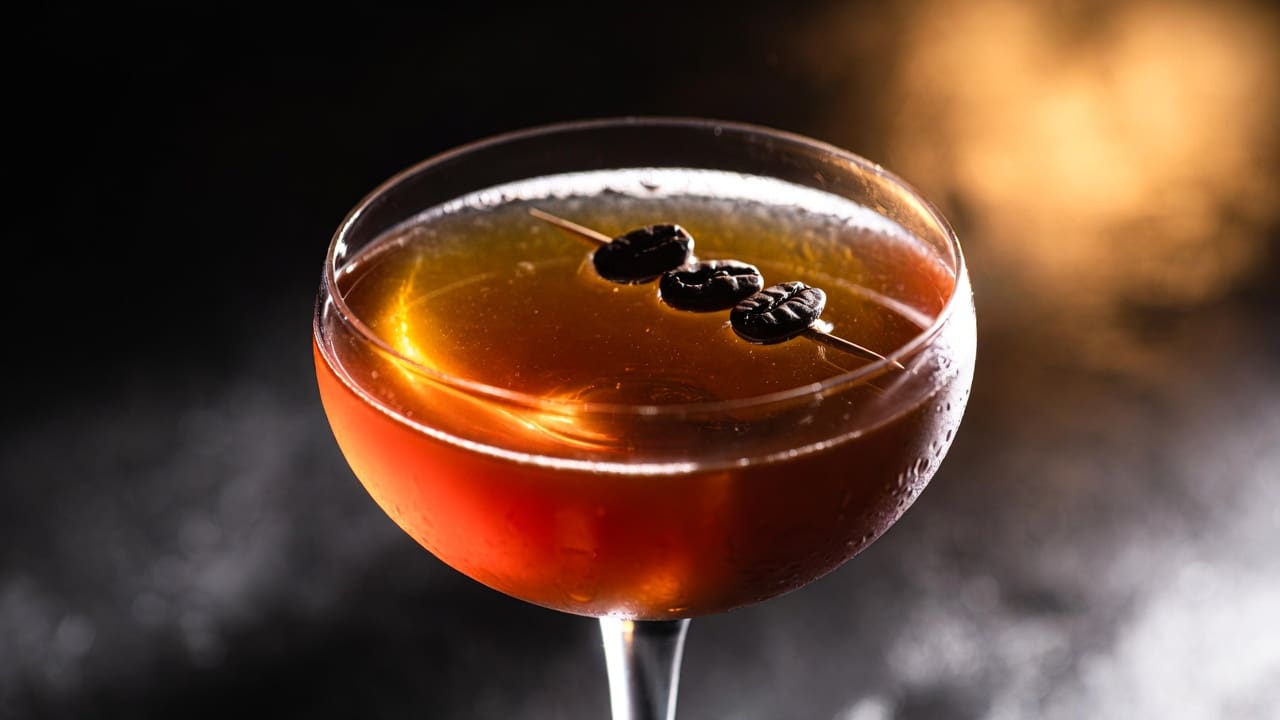
2 oz high-rye bourbon, ½ oz coffee liqueur, 2 dashes orange bitters. Stir over large ice for 30 rotations, strain into a chilled coupe, express an orange peel over the top. Stirred — always stirred. The rye spice cuts the liqueur’s sweetness; the orange oil ties it together from the nose down.
The Science Behind the Sip
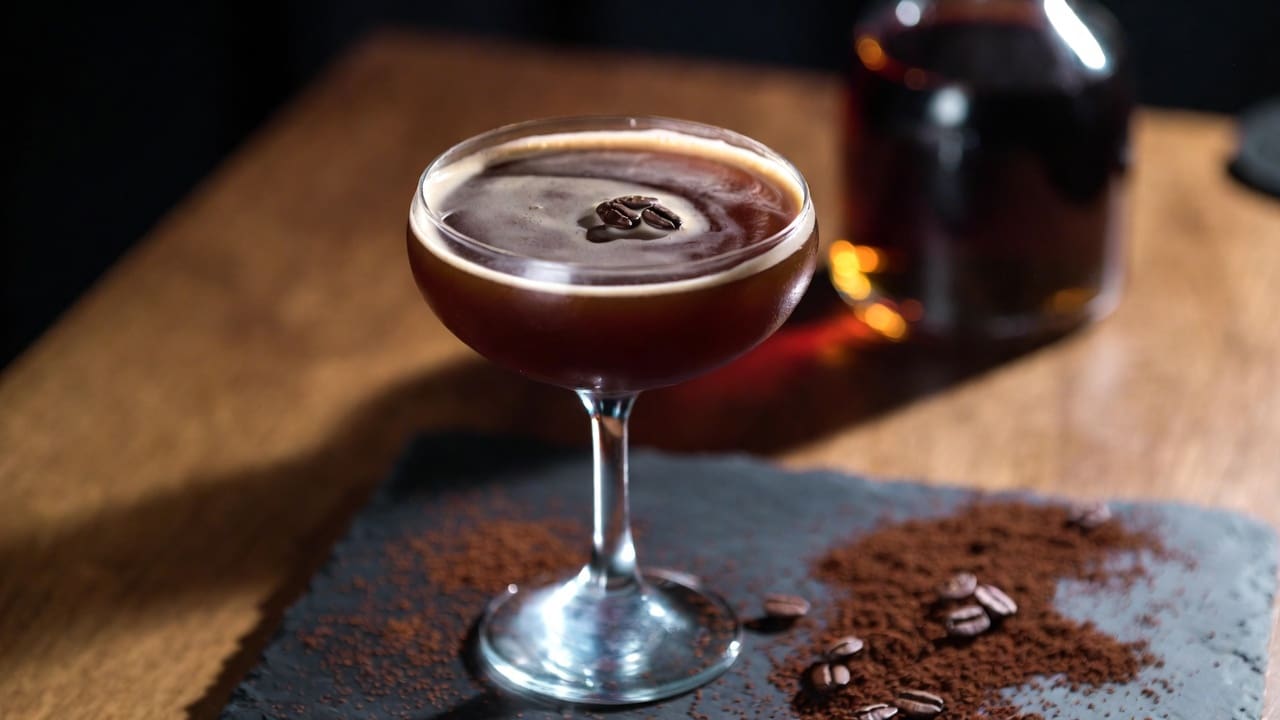
Three things are happening in your mixing glass that aren’t obvious until you understand the chemistry.
Ethanol dissolves both water-soluble and oil-soluble compounds — which is why it’s such an effective flavor carrier. In the Revolver, the bourbon’s alcohol is actively extracting aroma molecules from the coffee liqueur: furans, pyrazines, and aldehydes that give it roasted, smoky character. This is why the coffee tastes more intense in the cocktail than it would on its own.
The aromatic compounds in this drink are volatile — they evaporate at slightly different rates depending on their molecular weight. Lighter citrus compounds from the bitters and the expressed orange peel reach your nose first. Heavier roasted coffee notes follow. This sequential release is what makes the drink feel complex even though it has four ingredients.
Coffee liqueur is thick — its sugar content raises viscosity significantly. If you use too much, the cocktail turns syrupy and volatile compounds are suppressed by the dense liquid. Half an ounce is the calibrated amount: enough to deliver coffee depth and body without overwhelming the bourbon’s spice or dulling the aromatic top notes.
The Recipe
Simple enough to make in five minutes. Specific enough that the details actually matter.
The Revolver Cocktail
- 2 oz high-rye bourbon Bulleit or Buffalo Trace
- ½ oz coffee liqueur Mr. Black recommended
- 2 dashes orange bitters
- 1 wide orange peel for garnish
- Chill. Put a coupe or Nick & Nora glass in the freezer at least 5 minutes before you start.
- Combine. Add bourbon, coffee liqueur, and bitters to a mixing glass. Fill with large ice cubes.
- Stir. 30 full rotations — about 45 seconds. Temperature and dilution, not foam.
- Strain. Hawthorne strainer into the chilled coupe. No ice in the glass.
- Express. Squeeze orange peel skin-side down over the glass. Run around the rim. Drop or drape.
Choosing Your Bourbon
Rye content is the variable that matters most. It determines whether the bourbon fights the coffee liqueur’s sweetness or gets absorbed by it.
The Revolver is not a drink that rewards expensive bourbon. The coffee liqueur and bitters are assertive enough to mask subtle grain character entirely. What they can’t mask — and what the drink needs — is spice. High-rye bourbon brings a peppery, almost savory edge that pushes back against the liqueur’s sweetness and creates the tension the cocktail runs on. Wheated bourbons are softer and rounder; they produce a gentler drink that some people prefer, but it’s a different cocktail.
68% rye mash bill — one of the highest in standard bourbons. Delivers exactly the spice this cocktail needs, at a price point that makes sense for mixing.
Order on Minibar →Lower rye content than Bulleit but more complexity — vanilla, toffee, and a clean finish. Produces a rounder, more approachable Revolver without losing the bourbon backbone.
Order on Minibar →Wheated bourbon — less rye spice, more caramel and wheat softness. The Revolver becomes sweeter and more approachable. Use ¼ oz less coffee liqueur to compensate.
Order on Minibar →Choosing Your Coffee Liqueur
Bitterness and sweetness levels vary dramatically between brands. The choice changes the character of the whole drink.
The Revolver uses only half an ounce of coffee liqueur, but that half ounce does significant work. It supplies almost all of the coffee character and a substantial portion of the drink’s sweetness. A more bitter, coffee-forward liqueur produces a drier, more complex cocktail. A sweeter liqueur softens the edges and brings the drink closer to dessert territory. Neither is wrong — but they’re different drinks.
Australian cold-brew liqueur with genuine coffee bitterness and lower sugar than competitors. Produces the sharpest, most coffee-forward Revolver. The standard recommendation.
Order on Minibar →Sweeter and more syrupy than Mr. Black. Shifts the Revolver toward sweeter, richer territory. If using Kahlúa, reduce to ⅓ oz to avoid overwhelming the bourbon with sugar.
Order on Minibar →Cold-brew liqueurs tend to be drier and more coffee-intense than standard options. If you find a local or house-brand cold-brew liqueur, test it here first — the results are often excellent.
Questions Worth Answering
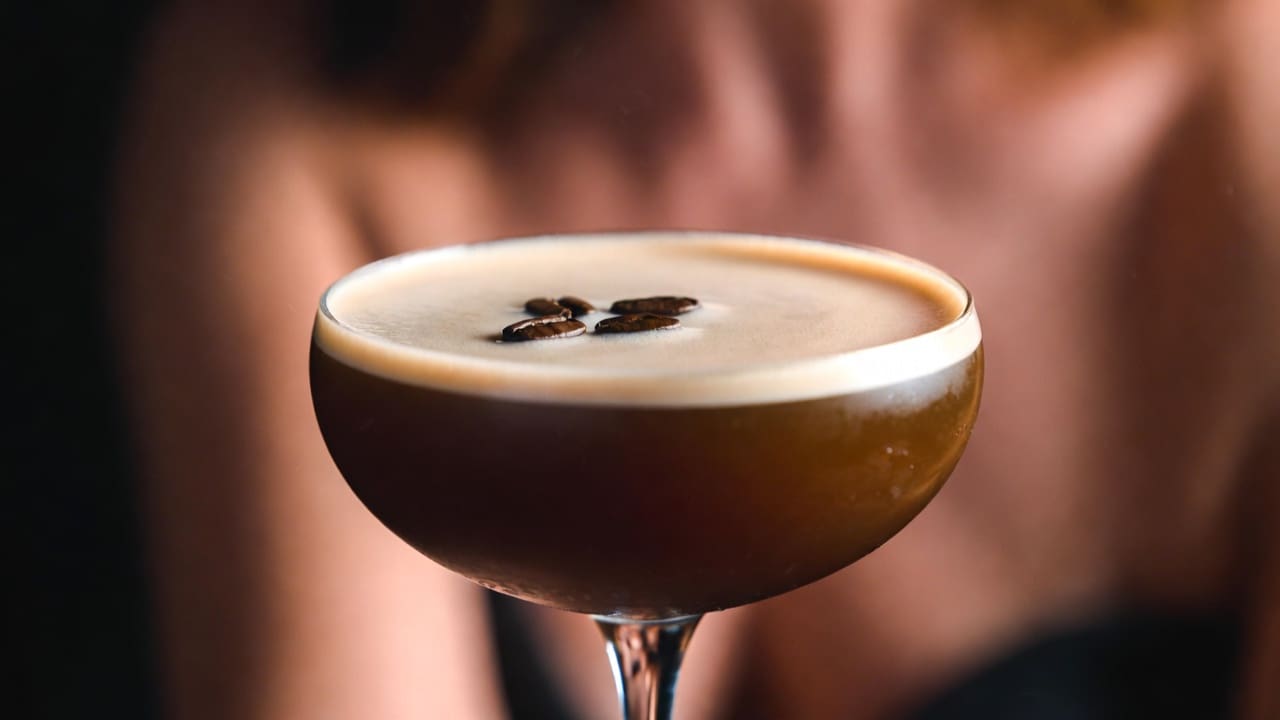
Shaking aerates the cocktail — introducing oxygen bubbles that scatter the volatile aromatic compounds before they reach your nose and create a cloudy, frothy texture. The Revolver is a spirit-forward drink. All its pleasure comes from clarity, viscosity, and the layered release of bourbon and coffee aromatics. Stirring achieves the same temperature and dilution without disrupting any of that.
High-rye bourbon. The spice in rye grain cuts through the coffee liqueur’s sweetness and creates the push-pull tension that makes the drink interesting. Bulleit is the standard recommendation. Buffalo Trace is a reliable softer option.
Yes, but the drink will be noticeably sweeter. Kahlúa has a higher sugar content and less intense coffee character. Reduce to ⅓ oz to prevent the cocktail from tilting too sweet. Mr. Black is more bitter and coffee-dominant, which suits the Revolver’s profile better.
The expressed oils create a thin aromatic film on the surface. Because smell accounts for the majority of flavor perception, this changes what your nose registers with every sip — even though the oils don’t significantly alter the liquid’s taste. It’s not decoration. The garnish step is the final flavor element of the recipe.
Significantly. Under-stirred means under-diluted — too strong, too warm, not enough integration. Over-stirred means too watery and too cold, which suppresses the volatile aromatics that make the cocktail work. Thirty rotations with large ice (about 45 seconds) is the calibrated amount: enough dilution to open the flavors, enough chill to tighten the texture.
Yes. Scale the recipe by number of servings, combine all liquid ingredients in a bottle, and refrigerate. Stir each portion over ice individually when serving — don’t pre-dilute the batch. The stirring step adds the dilution that makes the cocktail balanced; pre-diluting strips you of control over that variable and the results will be inconsistent.
Four Ingredients.
One Decision:
Rye or Wheat.
The Revolver is the most forgiving kind of complex cocktail — very few ingredients, very clear logic. Choose a bourbon with enough rye to push back against the coffee liqueur, stir long enough to let the dilution do its work, and don’t skip the orange peel. That last step is doing more than it looks like.
