
6 min read
Skip to contentThe Golden Lamb · Recipes
How to Make
Chocolate Covered
Coffee Beans
That Stay Crisp
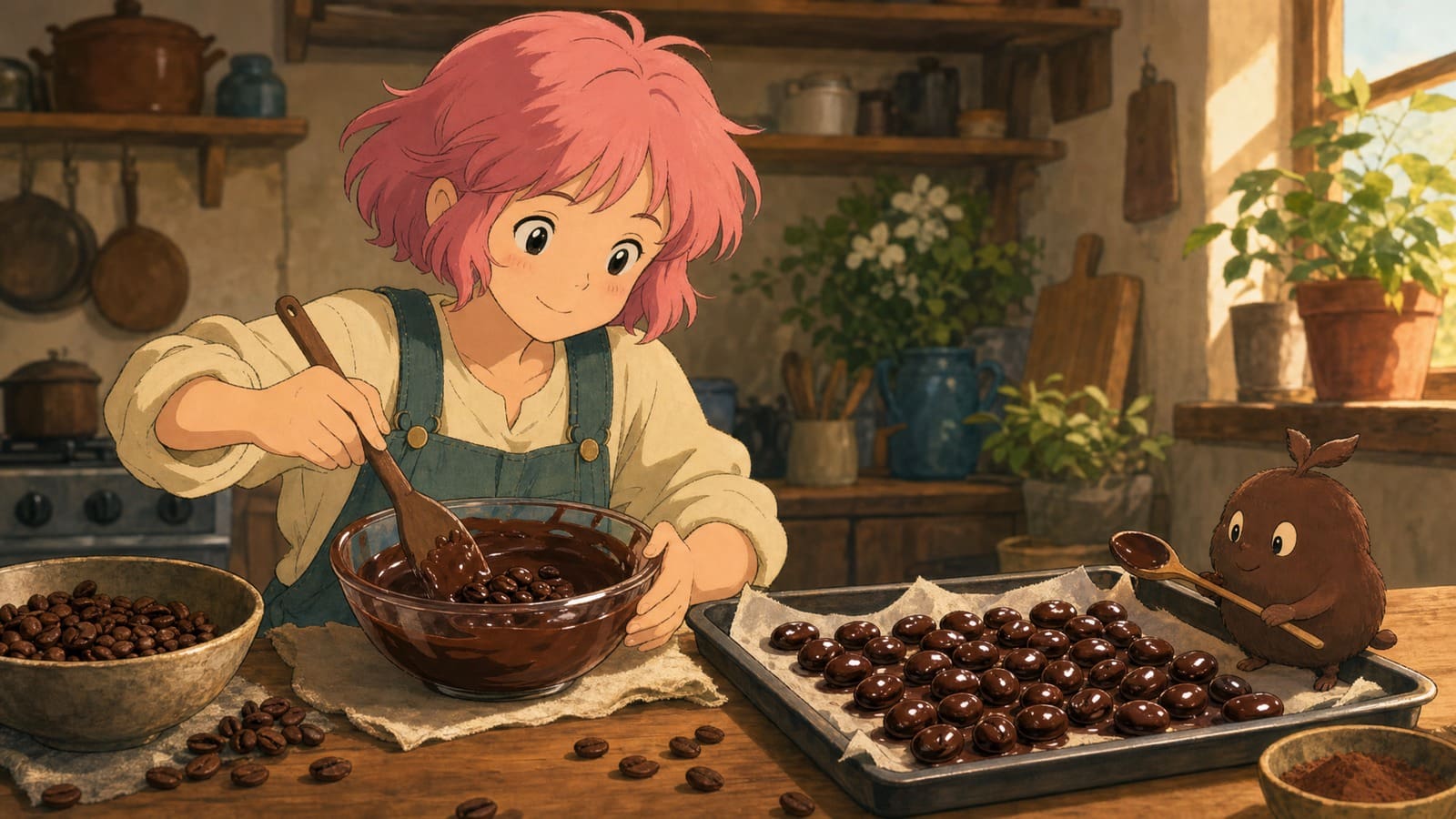
Learn how to make chocolate covered coffee beans at home with simple ingredients, the right technique, and storage tips that keep them crisp instead of soft, waxy, or streaky.
There’s a very specific kind of satisfaction in biting into a good chocolate covered coffee bean. First comes the snap. Then the crunch. Then that bitter-sweet hit that feels halfway between candy and a dare.
The homemade version can be much better than the average store-bought one, but only if you get a few details right. The beans need to be dry. The chocolate needs to melt gently. And the finished batch needs to cool and store without collecting moisture.
In This Guide
Chocolate covered coffee beans stay crisp when you use dry whole beans, melt the chocolate gently, let the excess drip off instead of coating too heavily, and store the finished batch in an airtight container at room temperature after they are fully set.
What to Gather Before You Start
You do not need much here, but each choice affects the final texture. The ingredient cards below are built for mobile first, with image-heavy top halves and tighter copy underneath.
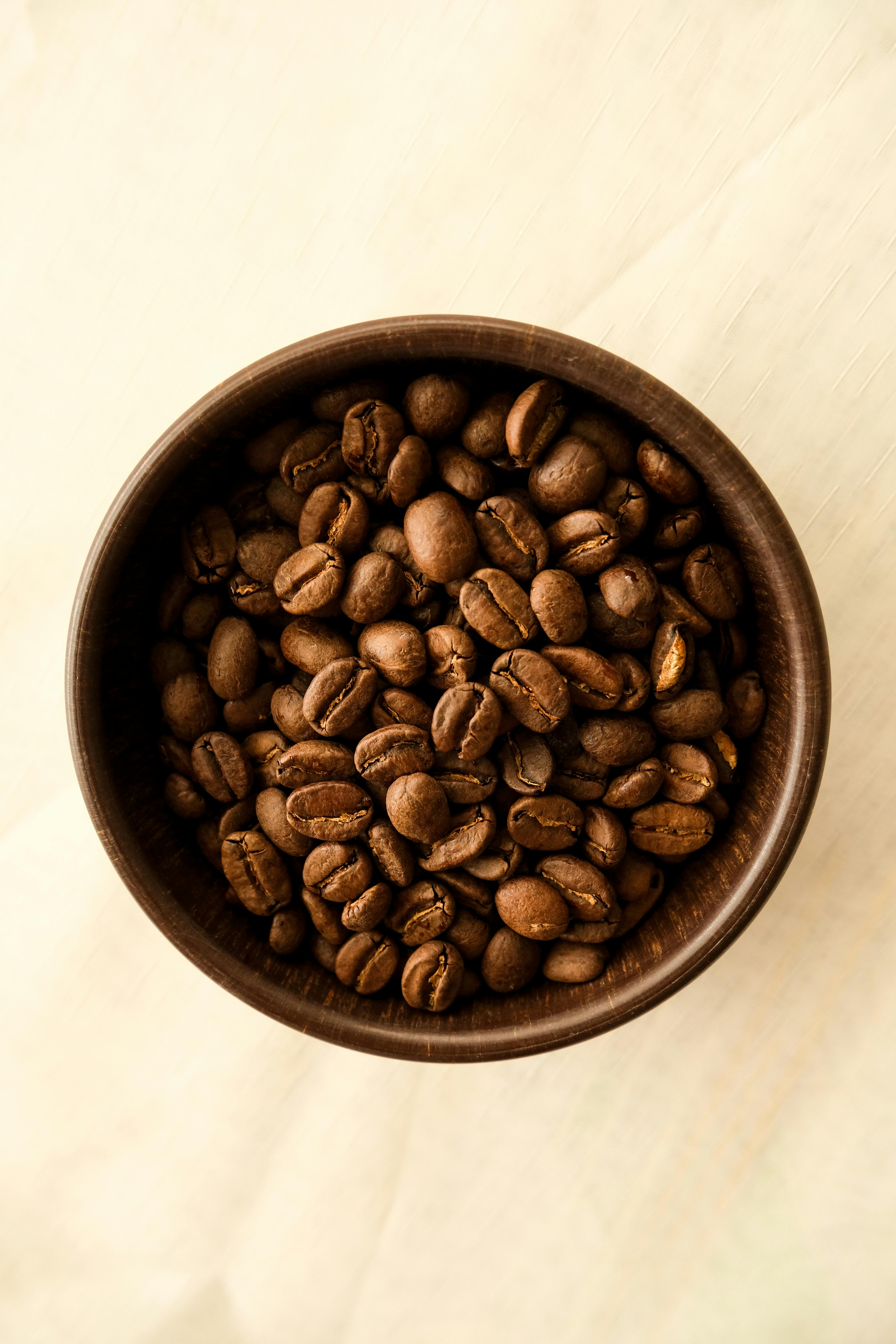
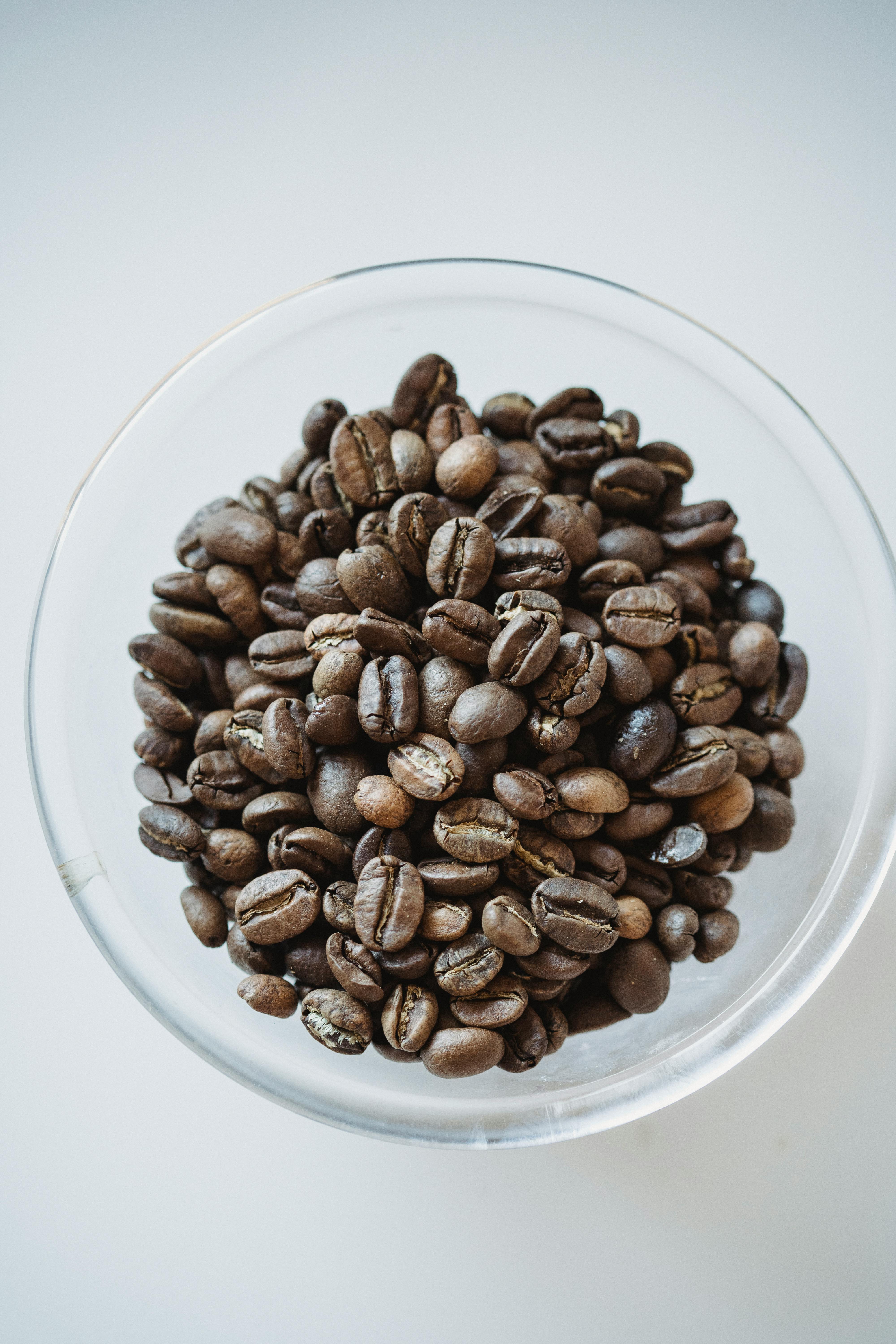
Whole Coffee Beans
Whole beans are non-negotiable. Dark roast gives the classic bitter-sweet contrast, while medium roast tastes brighter and a little fruitier under chocolate.
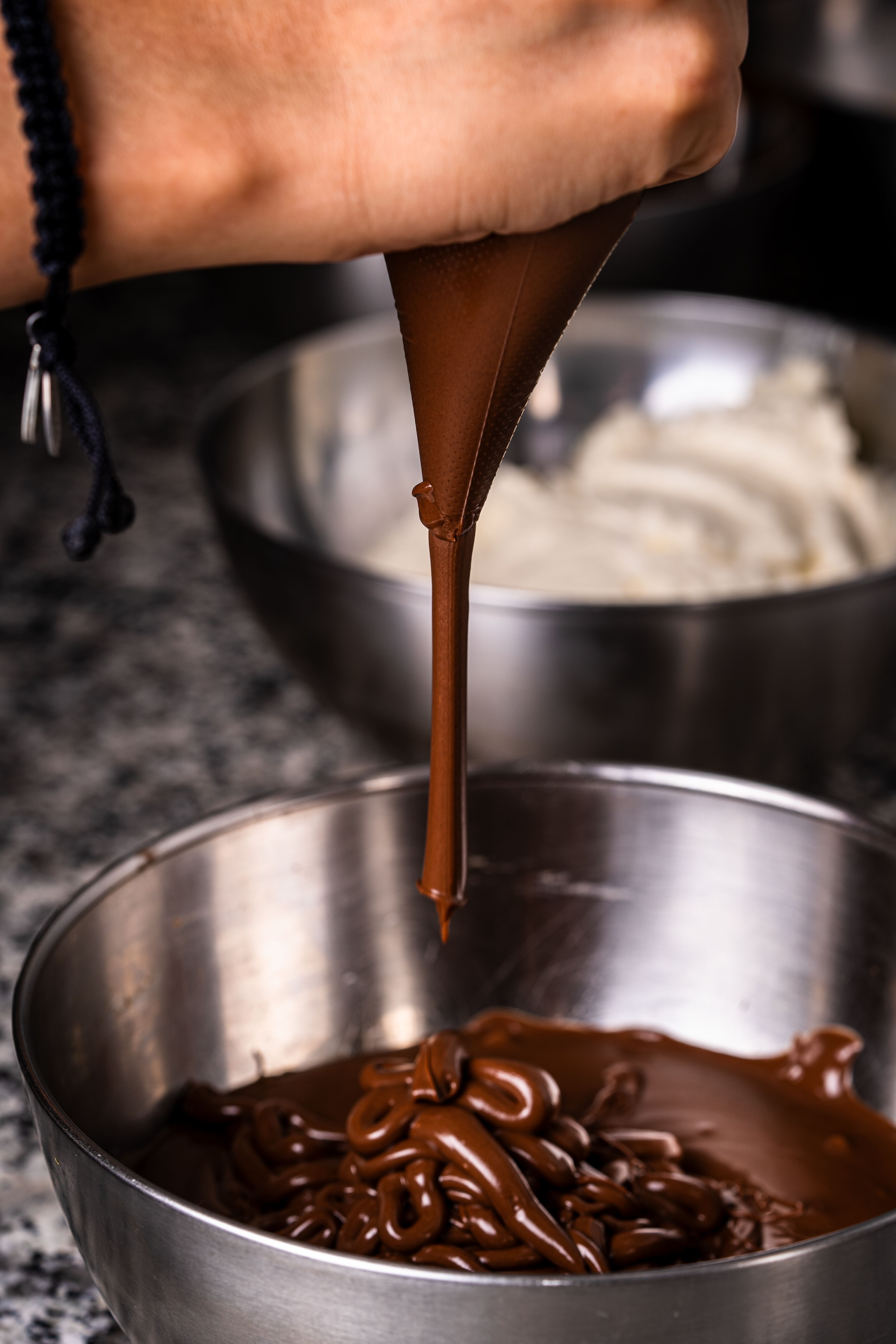
Dark Chocolate
Dark chocolate usually gives the best snap and the cleanest contrast against the bean. Milk chocolate is sweeter and softer. White chocolate is fussier and burns faster.
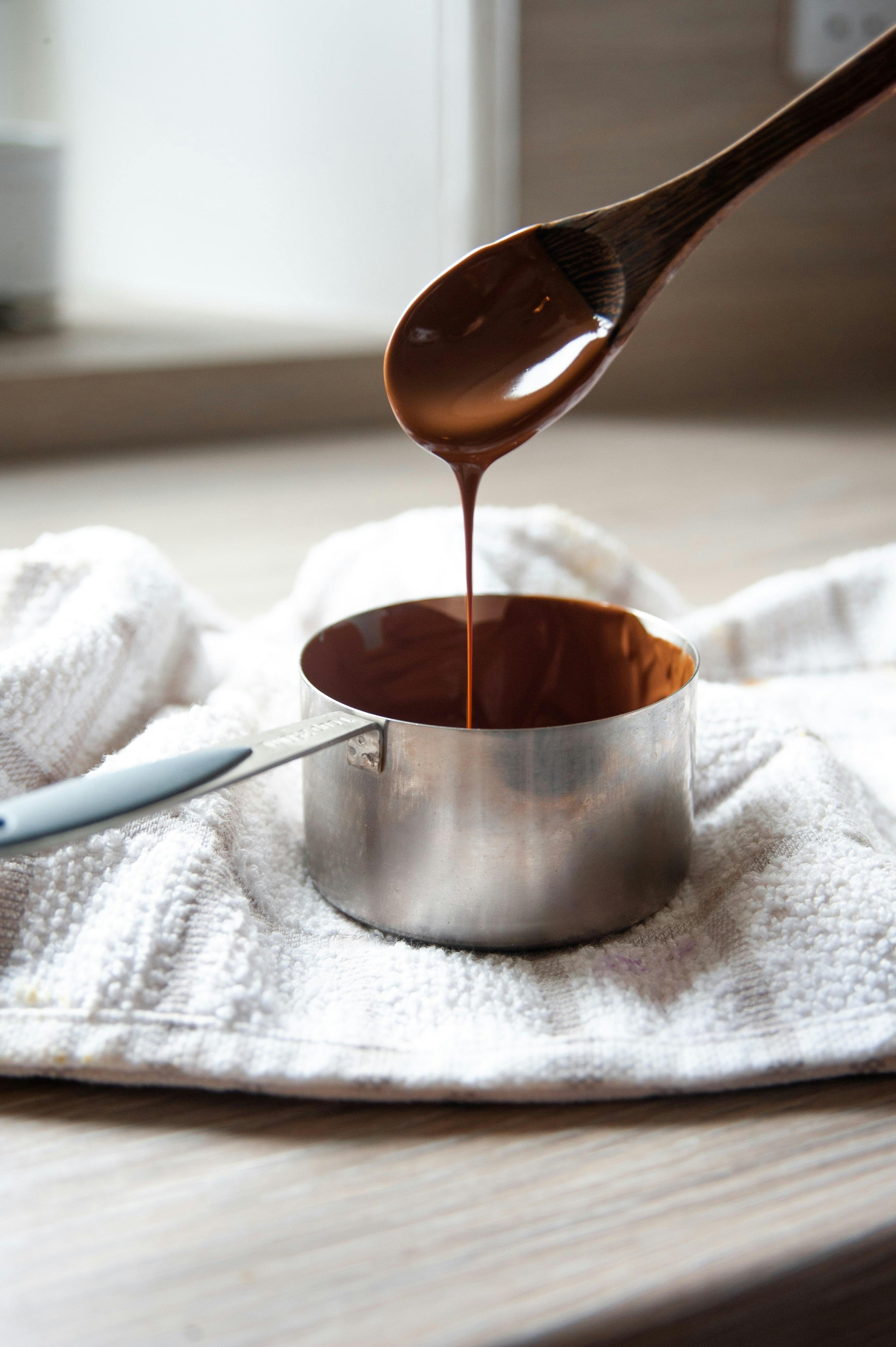
Coconut Oil
A small amount can thin the chocolate just enough to coat more evenly. That helps avoid overly thick shells and clunky pooled bottoms.
Cocoa Powder or Flaky Salt
Cocoa powder gives a drier, more matte finish. Flaky sea salt makes the chocolate pop harder and gives the whole thing a more grown-up edge.
How to Melt Chocolate Without Ruining It
This is where people usually make life harder than it needs to be. Low heat and patience beat urgency every time.
Double boiler method
Set a heatproof bowl over barely simmering water and melt the chocolate slowly, stirring as it softens. This gives you the most control and the lowest chance of scorching it.
Microwave method
Use a microwave-safe bowl and heat in short bursts, stopping to stir every 20 to 30 seconds. Do not blast it at full power and hope for the best.
Step-by-Step: How to Make Chocolate Covered Coffee Beans
This is the straightforward version that gives you a thin shell, clean setting, and a much better chance at crispness.
Line a tray with parchment paper before you start. Once the beans are coated, you will want somewhere ready to put them down fast.
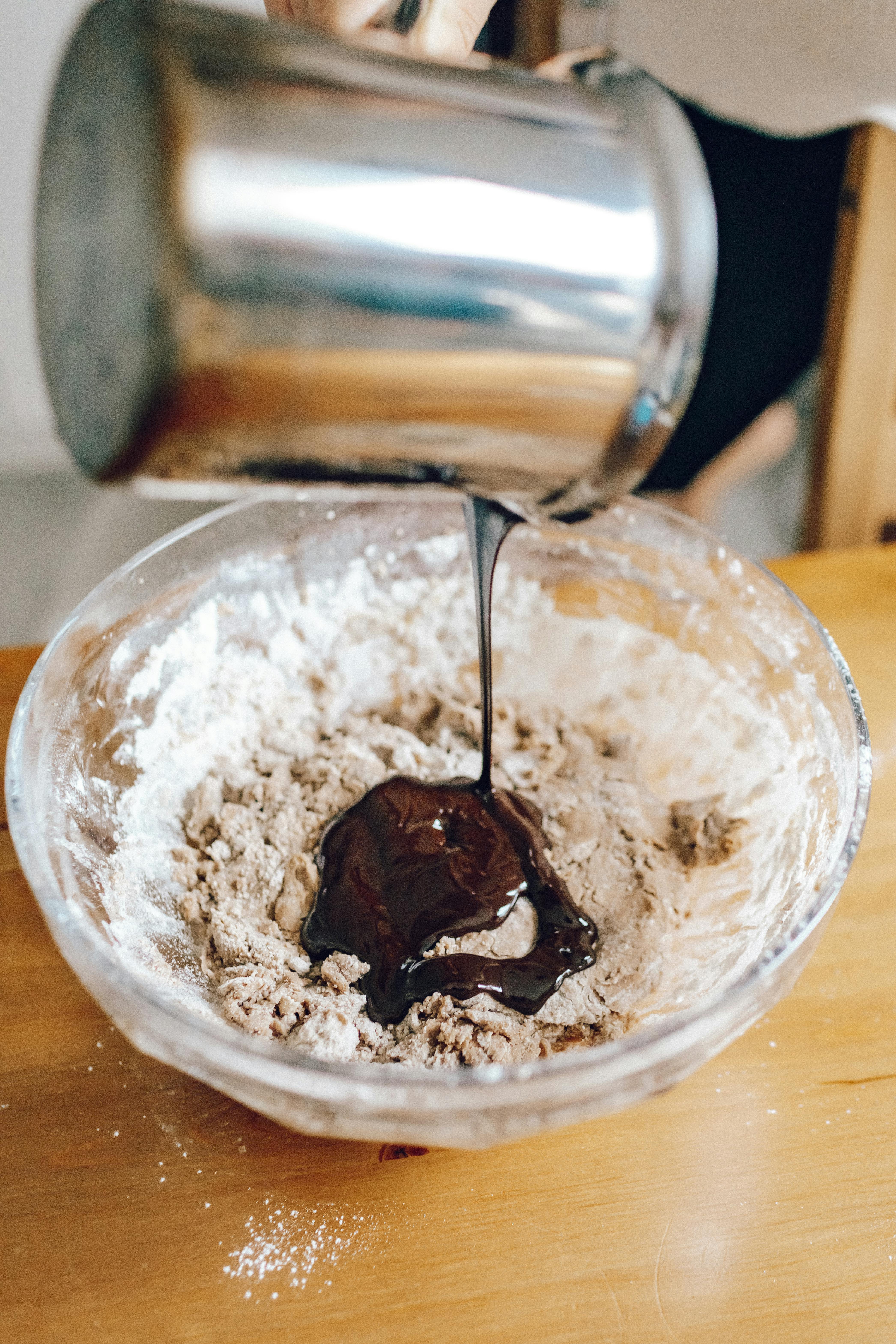
Melt the chocolate gently using a double boiler or the microwave in short intervals. Stir in coconut oil if you are using it.
Add the beans and stir until every bean is evenly coated.
Lift beans out and let excess drip off. This matters more than most people think. Thick puddles create awkward bottoms and slower setting.
Place them on the tray with a little space between each one. Dust with cocoa powder or finish with flaky salt before the shell firms up.
Let them set fully at room temperature if possible. Once the shells are firm, transfer them to an airtight container.
How to Keep Them Crisp
This is the part a lot of recipes skip, which is exactly where texture usually falls apart.
Store them in an airtight container at room temperature in a cool, dry cupboard. That is usually your best shot at keeping both the bean and the shell crisp.
If you speed up setting in the refrigerator, bring them fully back to room temperature before sealing them up. Otherwise you can trap condensation, which is one of the fastest ways to soften the shell.
Do not store them long-term in the fridge unless you want bloom, condensation, and that slightly disappointing soft-shell texture that makes the whole thing feel less worth it.
Variations Worth Trying
- Double dip if you want a thicker shell and more dramatic snap.
- Dust with cocoa powder for a drier finish and less overt sweetness.
- Add a little chili powder for a slow heat that works especially well with dark chocolate.
- Finish with flaky sea salt for the cleanest sweet-bitter-salty contrast.
- Try white chocolate with dark roast beans if you want a stronger contrast between shell and center.
How Much Caffeine Are You Actually Eating?
A single chocolate covered coffee bean often contains roughly 6 to 13 milligrams of caffeine depending on the bean and coating. A generous handful can add up faster than people expect, especially if you are treating them like casual candy instead of coffee in a different outfit.
Frequently Asked Questions
Can I use any whole coffee bean?
Yes. Any whole roasted coffee bean works. Espresso bean is usually a roast style or intended brewing style, not a separate kind of bean.
Why did my chocolate turn gray?
That is bloom, usually caused by temperature swings or poorly controlled cooling. It is still safe to eat, but the finish and texture are less attractive.
How long do homemade chocolate covered coffee beans last?
Usually up to two weeks in an airtight container stored in a cool, dry place.
Do I need to temper the chocolate?
Not necessarily for home use. Gentle melting and proper storage are often enough, though tempered chocolate gives the cleanest snap and shine.
Can I use white chocolate?
Yes, but it is more sensitive to heat and easier to scorch. Melt it more carefully than dark chocolate.
What Actually Matters Most
If you want homemade chocolate covered coffee beans that stay crisp, do not overcomplicate it. Use dry whole beans, melt the chocolate gently, keep the coating fairly thin, and do not trap moisture during cooling or storage.
That is most of the game. Get those details right and you end up with a glossy, crunchy, bitter-sweet snack that feels much better than the average store-bought version.
Swap the canonical URL, featured image URL, and published dates with your live WordPress values before posting.
