

In the pursuit of the perfect cup, the coffee industry has historically looked to the soil (terroir) and the flame (roasting). But the latest frontier in flavor science isn’t agricultural or thermal—it is microbial.
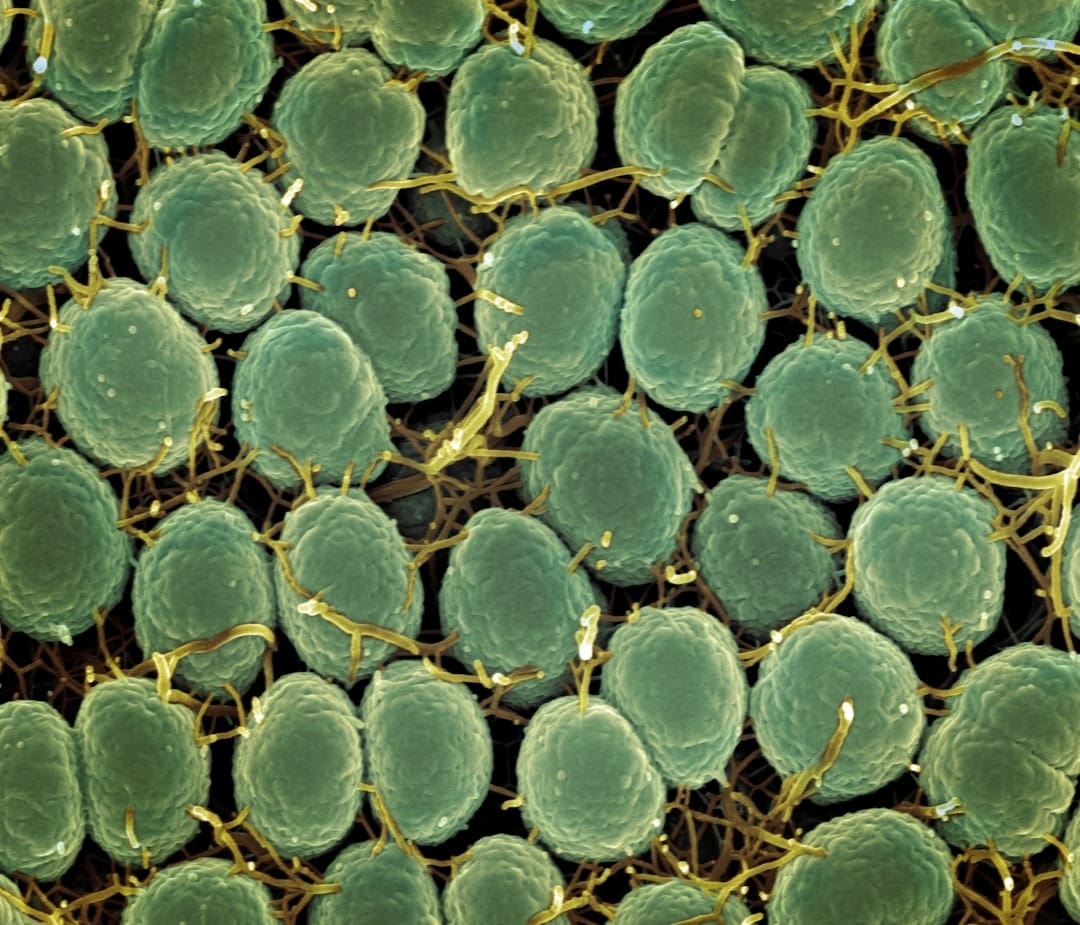
Enter Koji (Aspergillus oryzae), the ancient Japanese mold responsible for soy sauce, miso, and sake. When applied to green coffee beans, this specific fungus is rewriting the rules of fermentation, unlocking flavors that traditional processing simply cannot access.
Is this merely a trend, or is it a scientific breakthrough in flavor modulation? We examine the biochemistry, the taste profile, and the peer-reviewed evidence behind the “cult of bacterial culture.”
1. The Biochemistry of Koji Fermentation
Unlike traditional coffee fermentation, which relies on wild yeast and bacteria found in the local environment, Koji processing is a controlled inoculation. The science hinges on enzymes.
When Aspergillus oryzae spores are dusted onto coffee cherries, they secrete two primary types of enzymes: amylases and proteases.
- Amylases: Break down complex starches into simple sugars (glucose and fructose). This is crucial because raw coffee beans are surprisingly rich in polysaccharides that the tongue cannot perceive as sweet. By converting these into simple sugars before roasting, potential sweetness is amplified.
- Proteases: Break down long-chain proteins into free amino acids and peptides. Amino acids are the precursors to the Maillard reaction (the browning process during roasting). Increasing their concentration leads to a more complex roast profile and, notably, the production of glutamates—the compounds responsible for Umami.
Scientific Mechanism
“The breakdown of proteins by koji enzymes significantly increases the amino acid content in the beans, sometimes by as much as three times.” — Sucafina Green Coffee Research [1]
2. Esters, Aldehydes, and the New Aroma Profile
The impact of Koji extends beyond sweetness and body. It fundamentally alters the volatile organic compounds (VOCs) that constitute aroma.
Gas chromatography studies on fermented coffees have shown elevated levels of esters (fruity notes) and aldehydes. Specifically, Koji fermentation has been linked to the production of ethyl acetate and isoamyl acetate, compounds often described as smelling like green apple and banana, respectively.
Sensory Impact: In blind cuppings, Koji coffees consistently score higher for “complexity” and “tactile” (mouthfeel). The increased lipid bioavailability from the fungal activity contributes to a creamy, coating sensation that is rare in washed coffees. This texture is often described by Q-Graders as “velvety” or “syrupy,” distinguishing it from the thinner body typical of standard washed process coffees.
3. Is It Safe? The Mycotoxin Question
Mentioning “mold” and “coffee” in the same sentence often triggers alarm bells regarding mycotoxins (like Ochratoxin A). This is a valid health concern, but one that science has addressed.
Aspergillus oryzae is genetically distinct from the harmful Aspergillus flavus. It is classified as “GRAS” (Generally Recognized As Safe) by the FDA and has been used safely in food production for over a millennium. Furthermore, the roasting process (temperatures exceeding 400°F/200°C) destroys living fungal spores, leaving behind only the beneficial chemical alterations [2].
4. The Processing Protocol: How It’s Made
Understanding the labor involved explains the premium price tag. The process is far more involved than simply letting cherries rot.
Step 1: Inoculation
Farmers must first cultivate the Koji spores on a substrate, typically steamed rice, until the mold sporulates (turns green/yellow). This rice-koji starter is then powdered.
Step 2: Coating
The coffee cherries (or sometimes depulped parchment) are spread on drying beds. The Koji powder is manually dusted over the beans, ensuring even coverage. The batch is then often covered with tarps to increase humidity and maintain a stable temperature of around 30°C, which is ideal for fungal growth.
Step 3: Incubation
For 48 to 72 hours, the mold colonizes the exterior of the coffee. During this window, the enzymatic exchange occurs. Farmers must monitor the pile temperature constantly; if it gets too hot, the beans will spoil. If it gets too cold, the Koji goes dormant.
5. The Taste Verdict: What to Expect
If you brew a Koji-processed bean, do not expect a standard cup. The profile is polarizing but fascinating.
- Reduced Acidity: The enzymatic activity softens sharp citric acids (lemon-like) into rounder lactic or malic acids.
- Umami Undertones: A distinct savory note, reminiscent of sweet miso or salted caramel, provides a heavy bass note to the coffee’s melody.
- Floral Sweetness: Thanks to the ester production, the finish often carries a long, floral sweetness that lingers on the palate.
When brewing these beans, we recommend a slightly coarser grind than usual. The increased solubility of the sugars means extraction happens faster. A coarser grind prevents the brew from stalling and becoming over-extracted or bitter.
Where to Find Innovation
Koji coffee is still rare, produced primarily by experimental microlots in Colombia and Panama. However, the movement toward processing innovation is sweeping the specialty industry. To experience the cutting edge of coffee—whether it’s anaerobic fermentation, thermal shock, or fungal inoculation—you need a roaster who buys small lots.
For those looking to explore unique, single-origin coffees that push the boundaries of flavor, we recommend checking out the curated selections from Bean Box. They partner with the nation’s top micro-roasters who are often the first to secure these experimental beans.
Explore Specialty Microlots
Discover the latest in coffee processing and single-origin excellence delivered to your door.
Disclaimer: While safe, those with severe mold allergies should consult a physician before consuming fungal-fermented products, though the roasting process effectively kills active spores.
