

7 min read
Black coffee can help with weight loss, but mostly because it simplifies the drink, not because it melts fat on command. The biggest wins come from replacing sugary coffee drinks, improving workout readiness, and making your routine easier to repeat.
Quick answer
Use black coffee with intention: morning or pre-workout timing, no added sugar, and a firm afternoon caffeine cutoff. Think of it as an accelerator for disciplined habits, not a shortcut around them.
Why You Can Trust This Guide
- We evaluate black coffee for weight loss using real ordering constraints and daily behavior patterns, not idealized lab scenarios.
- We separate probable benefits from edge cases and risks so you can decide quickly and confidently.
- We focus on repeatable systems you can sustain at home, at work, or on the road.
Why black coffee can support weight loss
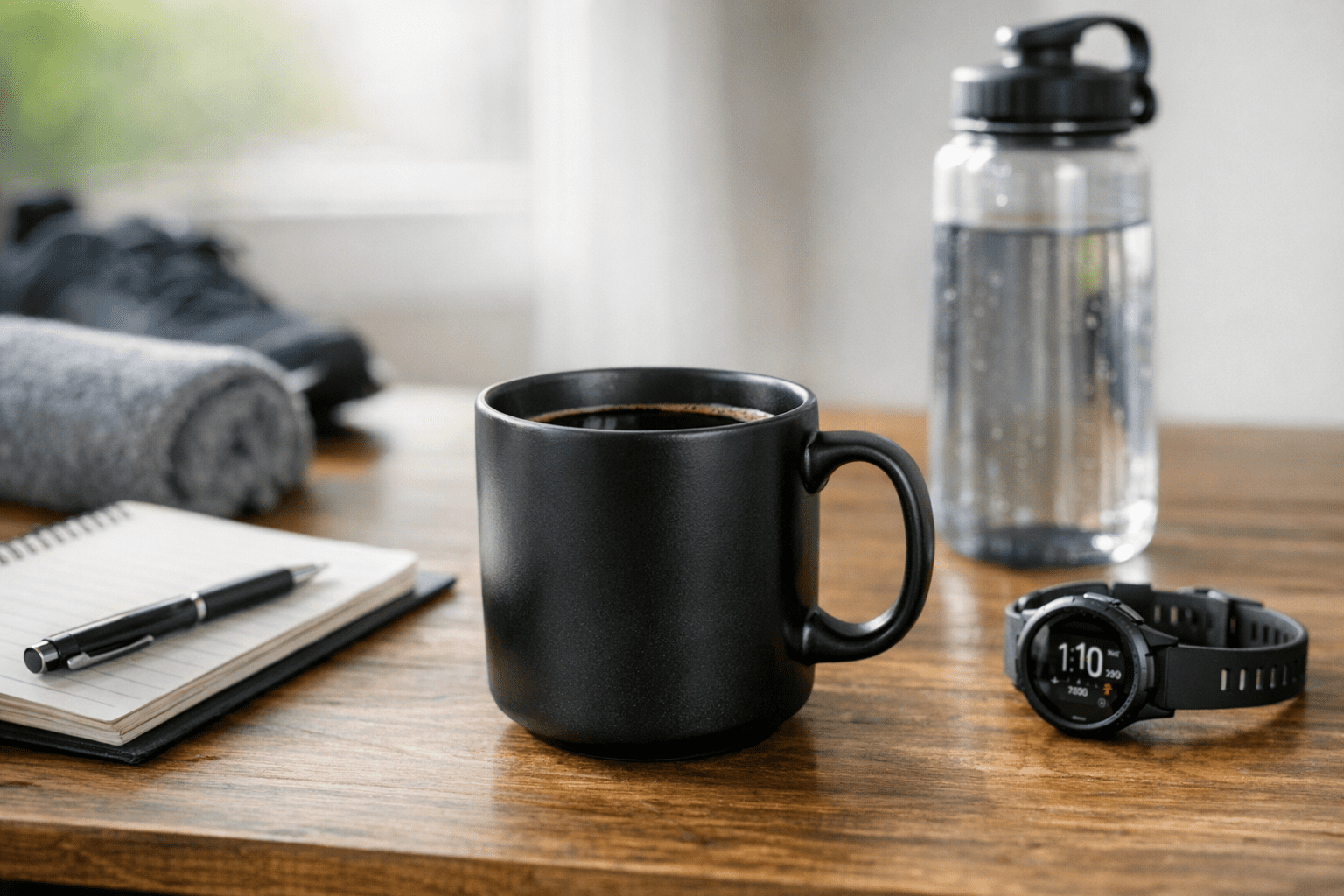
Black coffee is useful because it is low in calories and easy to standardize. If you swap a flavored latte or sweetened drive-thru drink for black coffee, you can cut a meaningful number of liquid calories without changing the rest of your routine. That calorie displacement is usually more important than the small thermogenic effect of caffeine.
Caffeine may also help in two practical ways: it can improve alertness and make training feel easier for some people, and it may temporarily reduce appetite in a short window. That effect is modest and inconsistent, but it can still be useful when the rest of your system is solid.
If you want the evidence-first breakdown of how coffee affects metabolism, read Does Coffee Boost Metabolism?.
What matters more than the bean
Most people spend too much time hunting for a magical roast and not enough time fixing the obvious leaks. Four factors matter more than any brand name:
- Timing: coffee helps more when it supports mornings or workouts than when it wrecks your sleep.
- Calories: black means black. Sugary creamers and syrups erase the main advantage quickly.
- Adherence: the best coffee is the one you can drink consistently without turning it into a dessert.
- Dose: a controlled caffeine habit beats escalating intake all day long.
Black coffee for weight loss decision matrix
Start here. Identify your primary objective, then match it to the timing and format that aligns with your lifestyle. Clarity reduces friction, and friction is what usually derails fat-loss plans.
| Objective | Best timing | Best format | Primary risk |
|---|---|---|---|
| Appetite control | Morning | Hot black coffee | Skipping protein and overeating later |
| Workout performance | 30–60 min pre-training | Espresso or brewed | Tolerance escalation |
| Calorie reduction | Replace sweet drinks | Iced black coffee | Compensatory snacking |
| Sleep protection | Early day only | Half-caf or decaf later | Late caffeine spillover |
The best black coffee profile if you want to drink it plain
The best “weight-loss coffee” is usually the one that is easiest to drink without add-ins. For most readers, that means:
- 100% Arabica for a smoother cup
- medium roast for balance and less burnt bitterness
- lower-acid options if black coffee upsets your stomach
- whole bean when possible, so the cup tastes fresher and cleaner
This is where the weaker companion page had a useful insight worth keeping: stomach comfort matters. If a harsh, acidic cup pushes you back toward sugar and cream, it is not the right coffee for the job. A low-acid medium roast Arabica is often the easiest starting point for people trying to build a plain-coffee habit.
How to brew or order it without hidden calories
The goal is not just “drink black coffee.” The goal is to remove friction so the choice holds up on busy mornings, at the office, and while traveling.
At home
- Start with a 1:16 ratio of coffee to water.
- Use filtered water when you can.
- Grind medium for drip, coarser for French press, and finer for espresso.
- If the cup tastes bitter, go a little coarser or slightly cooler.
- If it tastes sour, go a little finer or slightly hotter.
At a coffee shop
- Order brewed coffee, cold brew, or espresso without syrups.
- If you need a transition drink, use a small amount of milk instead of sweetened creamers.
- Be specific. “No syrup, no sugar, black” works better than vague words like “skinny.”
For iced coffee drinkers
Iced black coffee works just as well if that is the format you will actually stick with. The same rule applies: keep the drink simple enough that it stays low-calorie and predictable.
Timing, dose, and sleep cutoff
Morning and pre-workout are usually the most useful windows. For many people, that means coffee with breakfast or roughly 30 to 60 minutes before training. Late-day caffeine is where good intentions often backfire. Better workouts are not worth much if sleep quality drops and hunger rises the next day.
A reasonable rule is to keep caffeine earlier in the day and establish a firm cutoff that protects sleep. If you are sensitive to caffeine, use less, shift it earlier, or consider half-caf later instead of chasing stimulation all afternoon.
Common mistakes that stall progress
- Turning black coffee into a sweet “reward” drink by the end of the week
- Using coffee as a meal replacement and then overeating later
- Stacking caffeine so late that sleep and appetite control suffer
- Buying harsh beans, then relying on sugar to make them tolerable
- Expecting coffee to fix a drifting diet
When progress stalls, simplify before you add complexity. Tighten the drink. Tighten the timing. Then look at the rest of your routine honestly.
Who should use extra caution
If your plan depends on high caffeine exposure or aggressive fasting, build a conservative baseline first. Anxiety, reflux, and sleep disruption can erase any small metabolic edge. Stability beats intensity.
Individuals with diabetes, cardiovascular conditions, GERD, pregnancy, or medication interactions should confirm safe caffeine ranges with a licensed clinician. Personalized targets are not restrictive. They are risk management for long-term progress.
Myths to ignore
- Myth: Black coffee melts fat by itself. Reality: It supports a calorie deficit; it does not create one.
- Myth: More caffeine equals more fat loss. Reality: Excess often backfires through stress and poor sleep.
- Myth: Fasted coffee is mandatory. Reality: Many people do better with protein-first mornings.
- Myth: Zero calories means zero consequences. Reality: Timing and tolerance still matter.
Treat every claim like a measurable experiment. If it cannot be translated into clear behavior and trackable outcomes, it is not actionable.
Frequently asked questions
Does black coffee burn fat?
Not in any dramatic way. It may modestly increase energy expenditure and fat oxidation for a short time, but the bigger value is that it can replace higher-calorie drinks and make workouts feel easier.
What is the best roast for black coffee and weight loss?
For most people, a smooth medium roast is the easiest to drink plain. Very dark roasts can become bitter, which often leads to extra sweeteners.
Should I choose low-acid coffee?
If standard black coffee feels harsh or upsets your stomach, yes. A lower-acid option can make the habit easier to keep without cream and sugar.
Is cold brew better than hot black coffee for weight loss?
Not automatically. Choose the format you are most likely to drink plain and consistently. The best option is the one that fits your real routine.
Can decaf still help?
Decaf can still help if it replaces a higher-calorie drink, but it lacks most of the stimulant effect that people use for appetite control or pre-workout energy.
Related guides
- Does Coffee Boost Metabolism? What the Evidence Actually Shows
- Coffee Loophole Explained
- Green Coffee Extract and Weight-Loss Data
This article is educational and not medical advice. If you are pregnant, caffeine-sensitive, or managing a medical condition, talk with a licensed healthcare professional before changing your intake.
