
11 min read
Coffee Recipes Hub · Culture & Shops
Why Does Starbucks
Taste Burnt?
The Roast, the Heat, the Hold — and What to Do About It
It’s not your imagination. It’s not a bad batch. It’s a deliberate flavor strategy with real consequences for your cup.
If you’ve ever taken a sip of Starbucks drip coffee and immediately thought “this tastes scorched” — you’re not imagining things, and you’re definitely not alone.
It’s one of the most common complaints about the world’s most recognizable coffee chain. But the answer to why Starbucks coffee tastes burnt isn’t a single smoking gun. It’s a combination of deliberate roasting choices, high brewing temperatures, and the practical realities of serving millions of cups a day.
Starbucks coffee tastes burnt primarily because the company roasts its beans at very high temperatures for longer periods to achieve a bold, consistent, dark flavor profile that travels well across thousands of locations. That dark roasting process pushes beans to the edge of their flavor range, producing the smoky, bitter, slightly charred taste many people associate with the brand. Brewing at high temperatures and holding finished coffee on heat further amplifies those harsh notes.
Get the 21-Day Coffee Glow-Up Recipe Book
Make your morning coffee feel like a treat again: 21 coffee-shop-style recipes you can make at home, with hot, iced, creamy, cozy, and Java Burn-friendly options.
- 21 craveable coffee recipes
- Simple flavor formulas and shopping list
- 7-day coffee glow-up plan
You are in. Grab the recipe book, then check your inbox to confirm the coffee newsletter.
Download the free recipe bookAlready subscribed? Open the recipe book here.
Why readers save it: It gives them recipes first, not hype first. Java Burn stays optional and label-directed, while the download gives them a better coffee routine they can use right away.
What happens next: MailPoet adds them to the Golden Lamb Coffee Newsletter, sends the welcome email, and includes them in the weekly coffee tips nurture sequence.
Educational download. Not medical advice. Java Burn is a dietary supplement; read the label and ask a qualified professional if you use supplements, take medication, or manage a health condition.
It Starts With the Roast
The main reason Starbucks tastes the way it does is roast philosophy — and it was a deliberate brand decision from the start.
When Starbucks was building its brand identity in the 1980s and 90s, dark roasting was a deliberate signature strategy. The logic was sound from a business perspective: darker roasts produce a strong, intense flavor that’s immediately recognizable, masks natural variation between coffee bean origins, and delivers a consistent taste whether you’re in Seattle or São Paulo.
That consistency matters enormously at scale. When you’re running thousands of stores globally, you need a cup that tastes the same everywhere. Dark roasting is one of the most reliable ways to achieve that — and if you want to try roasting that same approach at home, Starbucks dark roast whole bean coffee is available on Amazon so you can see exactly how different it tastes fresh off your own grinder.
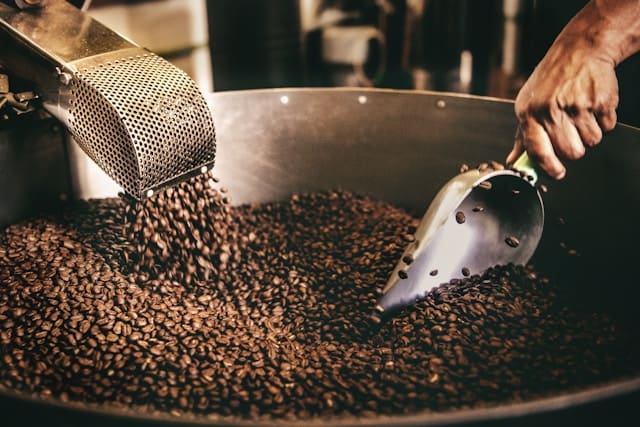
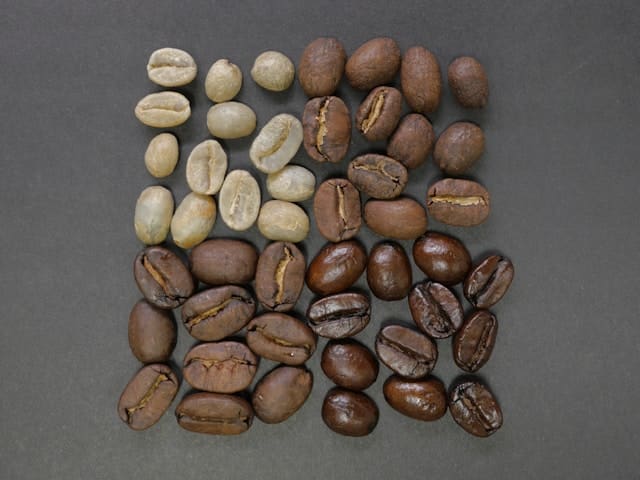
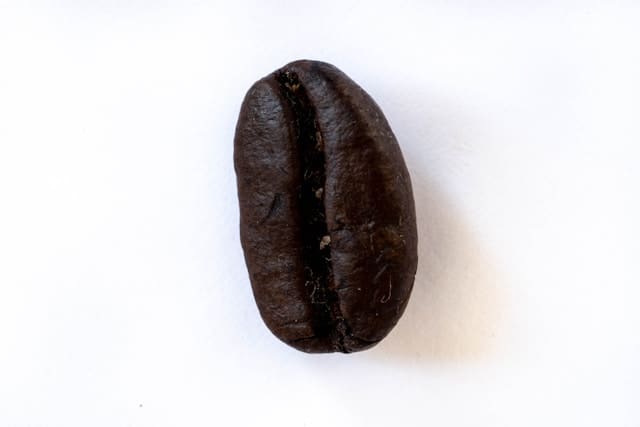
During roasting, heat transforms the chemical compounds inside a coffee bean. Light and medium roasts preserve more of the bean’s original character — the fruity, floral, or nutty notes that come from where and how the coffee was grown. Dark roasting burns off many of those delicate compounds and replaces them with smoky, bitter, carbon-forward flavors. Push the roast far enough and you genuinely do start to taste something close to char.
Starbucks’s standard roast sits firmly in dark territory. Their Espresso Roast, French Roast, and Sumatra blends are all roasted to a point where the natural sugars in the bean caramelize and then begin to break down — which is exactly what creates that burnt flavor in your cup. You can taste this contrast clearly if you try their Starbucks Blonde Roast whole bean side by side with their French Roast.
Dark roasting is a feature, not a flaw — it’s just a feature designed for consistency and brand recognition, not for showcasing what’s in the bean.
The Brewing Temperature Factor
Even starting with a dark roast, water temperature during brewing makes a significant difference.
Water that’s too hot — above around 205°F — extracts bitter compounds from coffee grounds more aggressively than water at the optimal 195–205°F range. Starbucks brewing equipment runs at the high end of that spectrum, and in some cases slightly beyond it, to push extraction speed and volume at scale.
Hot water and dark-roasted beans are a combination that reliably produces a bitter, sharp flavor. Neither factor alone is catastrophic — together, they amplify each other. This is also why brewing Starbucks beans at home using good temperature control (a gooseneck kettle, for example) often produces a noticeably better cup than the in-store drip version, even from the same bag of Starbucks Espresso Roast beans.
How Holding and Batch Brewing Makes It Worse
There’s a third layer most people don’t think about — what happens to brewed coffee after it’s made.
In most Starbucks locations, drip coffee is brewed in large batches and kept warm on heating elements while it waits to be served. Coffee that sits on heat continues to cook. Volatile aromatic compounds that give coffee its brightness and complexity evaporate quickly, leaving behind the heavier, harsher compounds that taste bitter and burnt.
A barista at a busy Starbucks location is managing dozens of tasks simultaneously. A batch of drip coffee that should be dumped after 30 minutes might sit longer during a rush. That’s not a criticism of individual baristas — it’s a structural reality of high-volume coffee service, and it’s one reason why freshly pulled espresso drinks often taste noticeably better than Starbucks drip coffee made from the same Starbucks Sumatra beans.
Burnt vs. Just Strong
These are not the same thing, and it’s worth separating them out.
Strong coffee has intensity and body. Burnt coffee has a specific acrid, ashy quality that lingers on the back of the palate. Starbucks coffee can genuinely be both, depending on the drink and how fresh it is.
If you’re sensitive to bitterness — which varies significantly between individuals based on taste bud chemistry — even a well-made dark roast will read as harsh. That’s not a flaw in the coffee or in your palate. It’s a mismatch between roast style and personal preference. The Starbucks Pike Place Roast is their medium roast and often surprises people who’ve only had their dark offerings — it’s a noticeably smoother cup from the same brand.
What to Order If You Hate the Burnt Taste
Practical fixes — without giving up on Starbucks entirely.
-
1
Order the Blonde Roast
Starbucks’s Blonde Roast is their lightest roast option and produces a noticeably less bitter cup — brighter, slightly sweeter, with far less of the charred edge. It’s the single biggest flavor improvement for people who find Starbucks too harsh. Also available as whole bean to brew at home.
-
2
Choose espresso-based drinks over drip
A freshly pulled espresso shot is made to order, not sitting on heat. A latte or cappuccino made with fresh espresso will taste cleaner than drip coffee that’s been holding for 20 minutes.
-
3
Ask for a fresh brew
During slower periods, you can ask a barista to brew a fresh batch. Most will do it without issue, and the difference between a fresh batch and one that’s been sitting is significant.
-
4
Try a medium roast option
When available, medium roast coffees offer more body than a light roast without the charred edge of a dark roast. The Pike Place Roast is the flagship medium — a significantly smoother experience than their signature dark blends.
Frequently Asked Questions
Most mainstream coffee brands roast to a medium or medium-dark level, which produces a less bitter, less smoky cup. Starbucks intentionally roasts darker than most competitors as part of its brand identity — that’s the primary reason. You can taste this difference directly by comparing Starbucks French Roast to a medium-roast from any other brand.
Not literally, but they do roast to a very dark level that pushes close to the edge of what the bean can handle before true carbonization. The result is a flavor many people perceive as burnt, even if the beans aren’t technically ruined.
Yes, significantly. The Blonde Roast is Starbucks’s lightest roast option — brighter, slightly sweeter, and with far less of the bitter, charred quality people associate with the brand. It’s the easiest way to drink Starbucks without the burnt flavor. You can also try it at home with their Veranda Blend whole bean.
Yes. Brewed coffee sitting on a heating element loses aromatic complexity quickly and develops a more bitter, stale, burnt flavor over time. Freshly brewed coffee will always taste better than coffee that’s been holding for 30 minutes or more.
Several variables change at home: your water temperature, freshness of the grind, your brewing equipment, and how long it sits. Starbucks beans brewed at home often taste less harsh because you’re not dealing with high-volume batch brewing or extended holding times. Buying Starbucks whole bean and grinding fresh at home is genuinely a different experience than the in-store drip. Even copycat recipe collections have noted this — The Ultimate Starbucks Coffee Recipe Book advises that home Frappuccino recipes taste “more authentic” when you use Starbucks beans and grind them yourself just before brewing, rather than relying on pre-ground coffee.
Frappuccinos, lattes, scones, sauces, and more — 30+ copycat recipes to make your Starbucks favorites at home, the way they’re supposed to taste. Includes the Frozen Frappuccino, Caramel Macchiato, Pumpkin Spice Latte, and dozens more.
↓ Download Free PDFIt’s Designed
to Taste This Way.
Here’s Your Fix.
Starbucks coffee tastes burnt because that’s largely how it was designed — dark roasting at high temperatures creates a bold, consistent, shelf-stable flavor that works across thousands of locations worldwide. Brewing at high temperatures and holding finished coffee on heat push that bitterness further. If you enjoy dark, strong coffee, Starbucks delivers exactly what it promises. If you find it harsh, the Blonde Roast or a freshly made espresso drink are your best bets — and brewing at home with their whole bean coffee often surprises people who’ve only had the in-store drip.
