
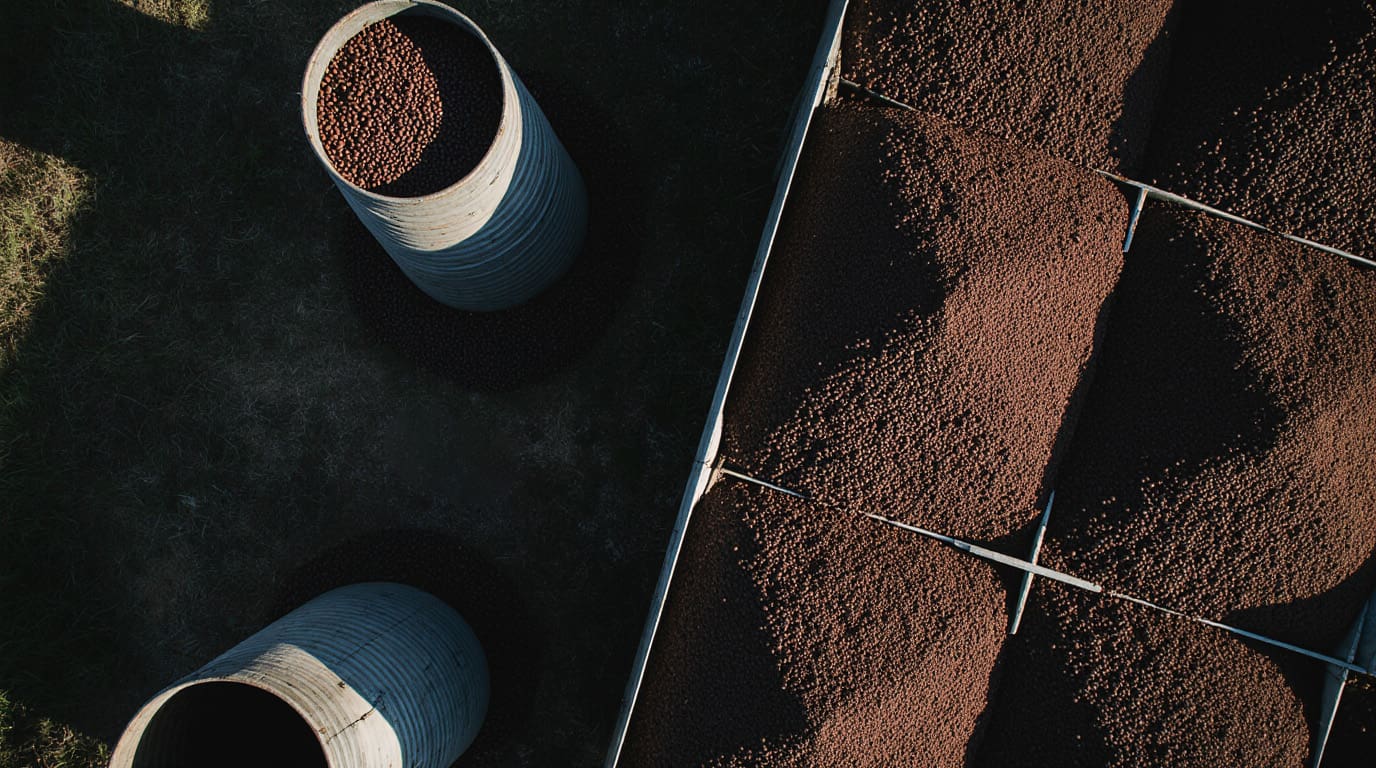

Behind every bag of coffee lies a surprising fact—only about 20% of the coffee cherry becomes the bean you brew. The rest turns into pulp, husk, and wastewater.
For decades, these by-products were treated as waste. But today, producers are finding innovative ways to recycle, reuse, and monetize them, making fermentation more sustainable and profitable.
This post explores how coffee by-products are being transformed into compost, bioenergy, livestock feed, and even high-value food ingredients.
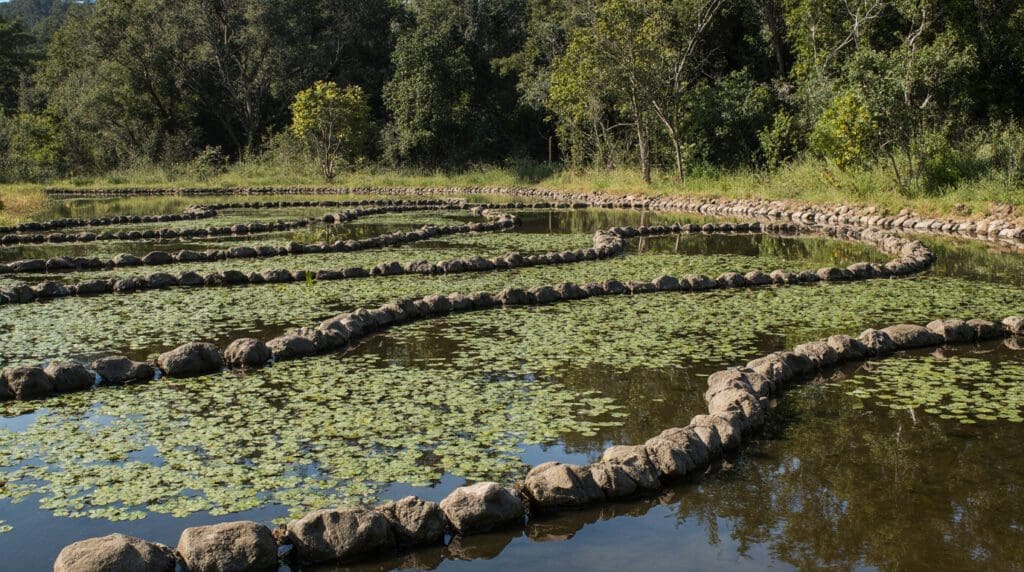
Table of Contents
Sustainability in Coffee Fermentation & the Hidden Cost of Coffee Waste
Every ton of harvested coffee cherries generates roughly:
- 600–700 kg of pulp and mucilage
- 150–200 liters of fermentation water
- 200 kg of husk (after hulling dried beans)
If unmanaged, these materials decompose rapidly, releasing methane and acidic runoff into soil and waterways.
Fermentation wastewater alone contains high organic loads that can lower river oxygen levels and harm aquatic life.
Sustainability efforts now focus on closing the loop—using every by-product as input for something new.
Coffee Pulp: From Waste to Compost and Feed
Composting
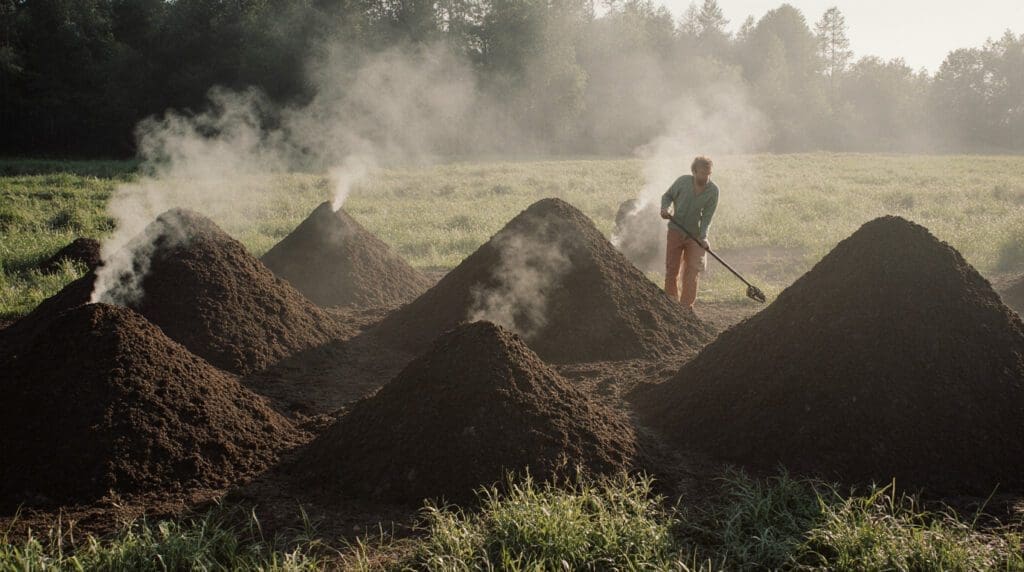
Coffee pulp is rich in nitrogen, potassium, and organic matter, making it ideal for compost. When combined with dry materials (e.g., straw or husk) and turned regularly, it decomposes into nutrient-rich fertilizer.
Benefits:
- Restores soil fertility.
- Reduces dependence on chemical fertilizers.
- Cuts methane emissions from open decay.
Animal Feed
After drying and detoxifying, pulp can serve as livestock feed. It contains fiber, sugars, and proteins. Some regions, like Brazil, use silage blends of coffee pulp and molasses for cattle feed, lowering feed costs.
Coffee Husk: Energy and Material Uses
The dry outer layer—called husk or parchment—is a valuable biomass resource.
Applications:
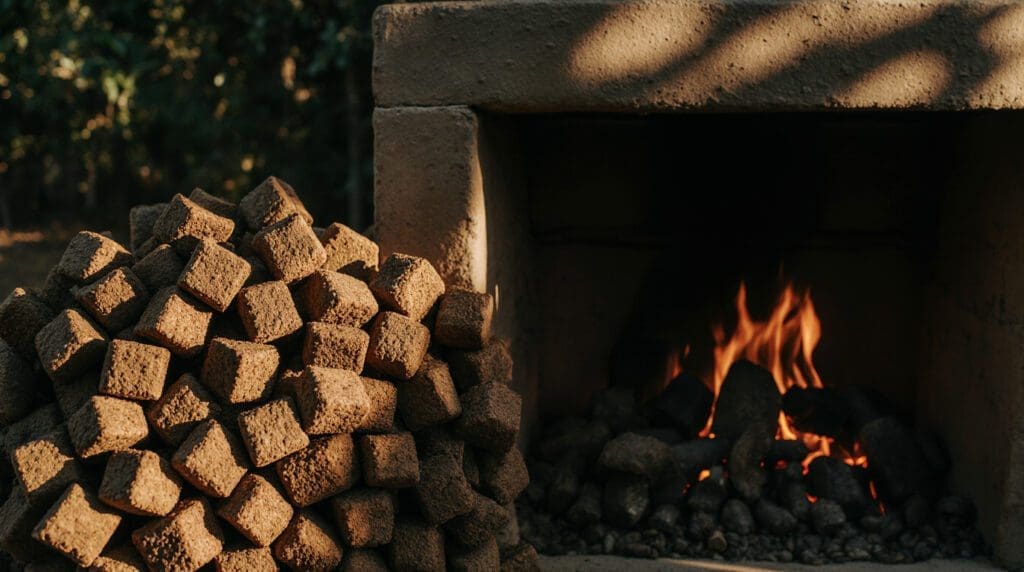
- Fuel: Used for briquettes, pellets, or direct combustion to power coffee dryers.
- Biochar: When burned under low oxygen, husks yield biochar, a soil additive that improves water retention and carbon storage.
- Packaging Material: Some startups convert coffee husk fibers into biodegradable cups and cutlery.
Instead of being discarded, husks are becoming a renewable energy source that powers coffee mills themselves.
Fermentation Water: Managing and Recycling Effluent
Wet coffee processing generates large volumes of polluted water containing sugars, pectin, and organic acids.
If discharged untreated, it increases biological oxygen demand (BOD) in rivers.
Eco-friendly Solutions:
- Anaerobic digesters: Convert wastewater into biogas, providing renewable energy for farm use.
- Constructed wetlands: Filter and neutralize effluent naturally using aquatic plants.
- Closed-loop systems: Recycle fermentation water for multiple batches after biological filtration, reducing total water usage by up to 80%.
These systems turn what was once an environmental hazard into an energy and irrigation resource.
Extracting High-Value Compounds
Coffee by-products contain antioxidants, caffeine, and polyphenols—compounds with commercial potential.
Emerging applications:
- Cosmetics: Antioxidant extracts used in creams and exfoliants.
- Food supplements: Caffeine and chlorogenic acid recovered from pulp and husks.
- Nutraceuticals: Research explores using coffee pulp powder as a natural source of dietary fiber.
By valorizing chemical components, producers can earn additional income streams beyond green coffee sales.
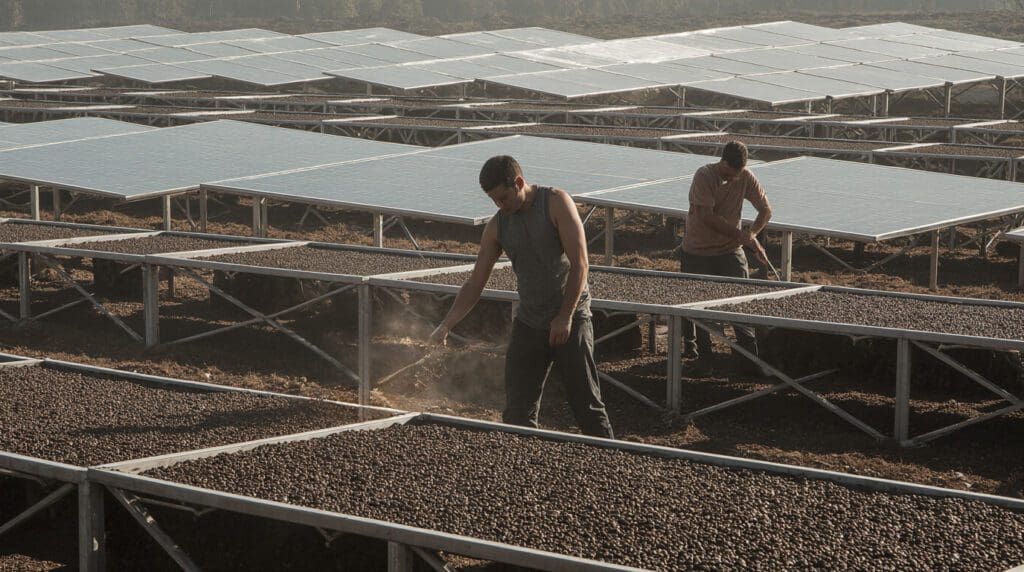
Sustainable Fermentation Practices on the Rise
Modern coffee farms and cooperatives are integrating sustainability at the fermentation stage itself:
- Using raised beds and solar dryers to minimize water use.
- Collecting fermentation gases for energy.
- Implementing zero-discharge systems to prevent contamination.
- Training workers on waste separation and composting.
Certifications like Rainforest Alliance and Fairtrade increasingly reward farms that demonstrate circular use of fermentation by-products.

Key Takeaways
- Only a fraction of the coffee cherry becomes the bean—most is by-product.
- Pulp, husk, and wastewater can be repurposed as compost, biofuel, or raw material.
- Sustainable waste utilization reduces emissions, pollution, and farm costs.
- The future of coffee fermentation lies in circular production systems that treat waste as value.
Related: For a related sustainable innovation follow-up, read Sustainability, Gardening & Coffee Waste next.
Further Reading
- Quality and Safety in Coffee Fermentation
- The Biochemistry of Coffee Flavor
- Cocoa and Coffee Fermentation: How Microbes Shape Flavor and Quality
