

10 min read
Health · Reader Guide
Mango Dragonfruit
Refresher, Decoded
Drink Explainer & Nutrition Guide
90 calories, 35–45mg of caffeine, real dragonfruit pieces — here’s exactly what’s in the cup, what changes when you customize, and how it differs from the Energy version.
The Starbucks Mango Dragonfruit Refresher is one of the most ordered drinks on the menu — and also one of the most misunderstood.
People assume it’s either completely caffeine-free (it isn’t) or loaded with artificial color (it isn’t that either). Before you order your next one, or build a habit around it, here’s what’s actually in the cup, how it stacks up against the lemonade and Energy versions, and which customizations meaningfully change the numbers.
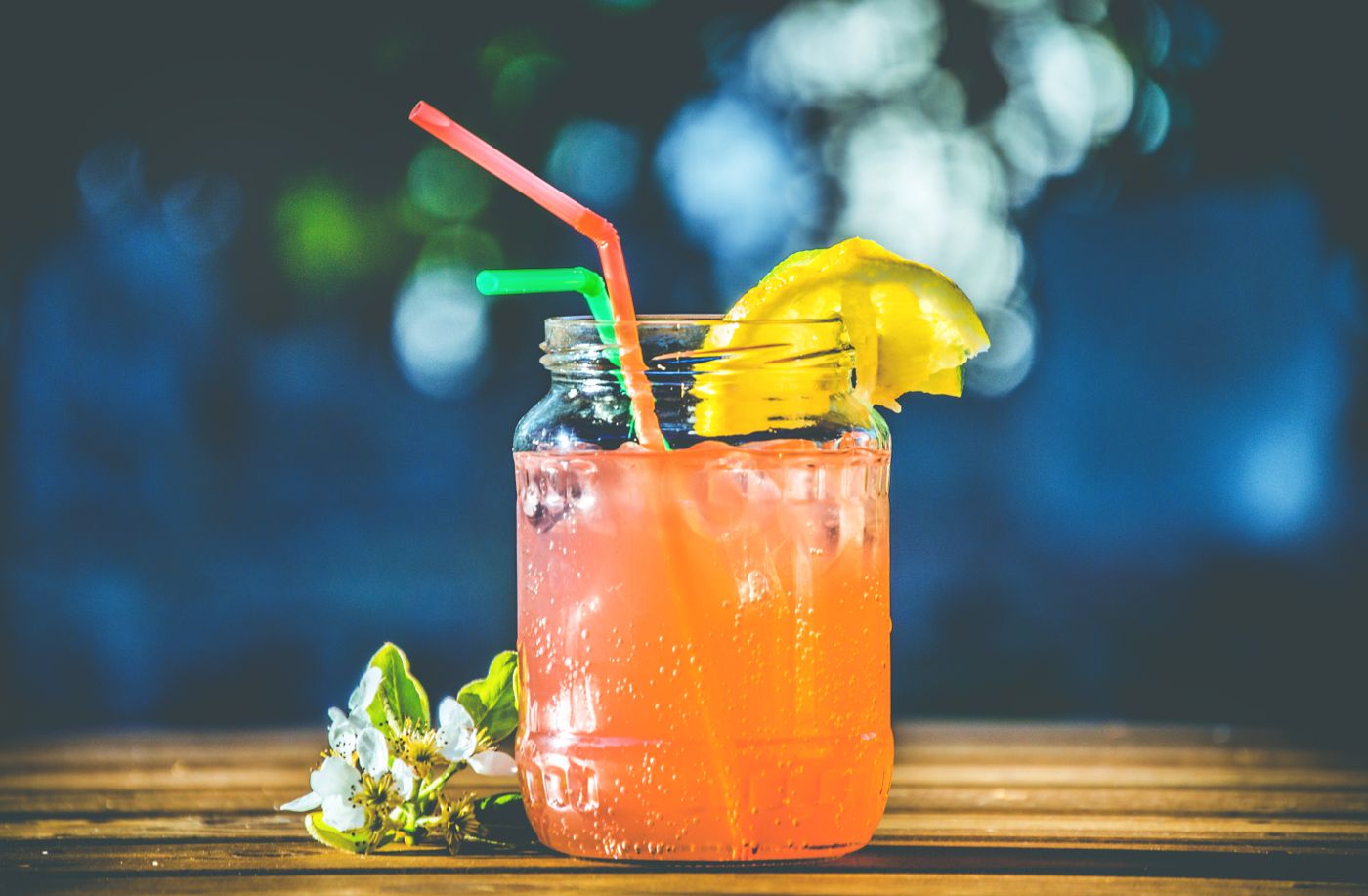
01 · Components
What’s actually in the Mango Dragonfruit Refresher
The drink is built on Starbucks’s classic Refreshers platform: a fruit juice base, real dried fruit pieces, and green coffee extract as the caffeine source. For the Mango Dragonfruit specifically, the base is a mango-flavored juice blend, and the visible pink-red pieces floating in the cup are real dried dragonfruit.
Mango juice blend
A fruit-juice and water base sweetened to a light, drinkable level. This is what carries the flavor and most of the sugar.
Real dried dragonfruit
Hand-added dried fruit pieces. The pink hue comes from the fruit itself — not added dye — which is why it varies slightly cup to cup.
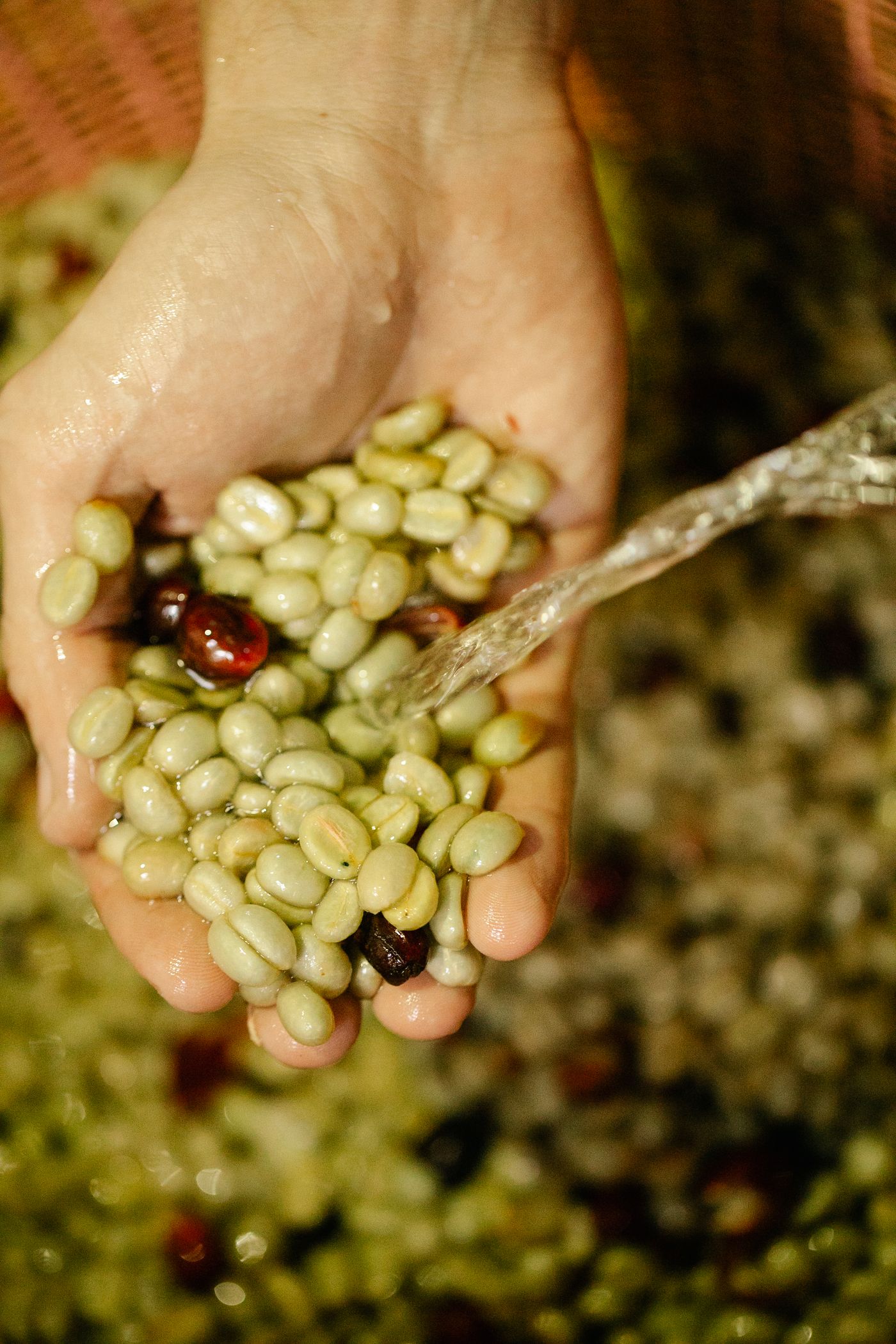
Green coffee extract
From unroasted coffee beans, so it carries caffeine without any roasted flavor. That’s how a fruity drink can still be functional.
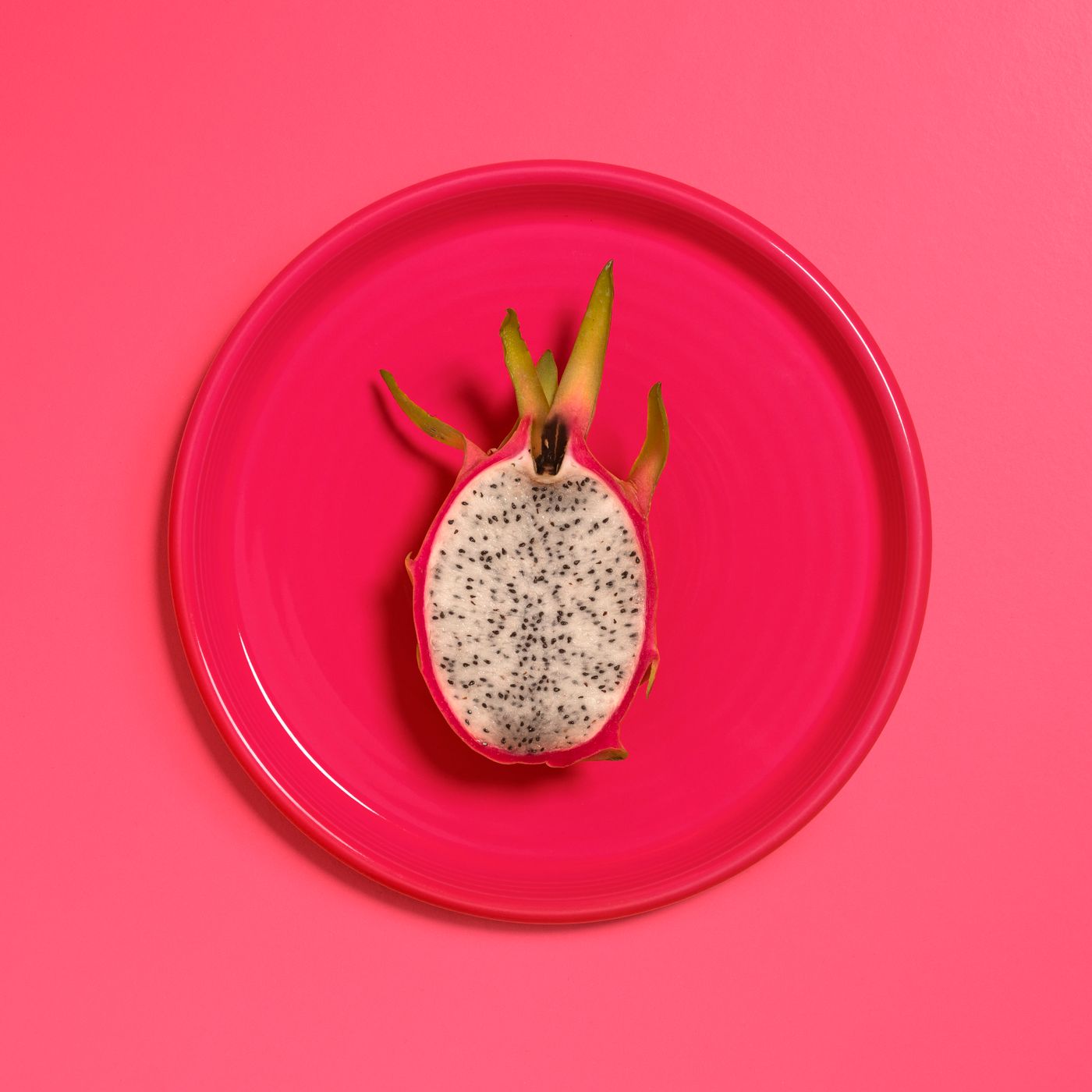
The green coffee extract question
Green coffee extract comes from unroasted coffee beans, which is why it doesn’t taste like coffee at all. The caffeine is still there — just without the roasted flavor compounds. This is how Starbucks keeps the Refreshers line tasting fruity and light while still delivering a functional caffeine lift.
Real fruit pieces — what that means
The dragonfruit pieces are dried, not fresh, and they’re added by hand during preparation. They’re primarily there for visual appeal and texture. If you’ve ever wondered why the color varies slightly cup to cup, it’s because the fruit pieces aren’t perfectly uniform.
Get the 21-Day Coffee Glow-Up Recipe Book
Make your morning coffee feel like a treat again: 21 coffee-shop-style recipes you can make at home, with hot, iced, creamy, cozy, and Java Burn-friendly options.
- 21 craveable coffee recipes
- Simple flavor formulas and shopping list
- 7-day coffee glow-up plan
You are in. Grab the recipe book, then check your inbox to confirm the coffee newsletter.
Download the free recipe bookAlready subscribed? Open the recipe book here.
Why readers save it: It gives them recipes first, not hype first. Java Burn stays optional and label-directed, while the download gives them a better coffee routine they can use right away.
What happens next: MailPoet adds them to the Golden Lamb Coffee Newsletter, sends the welcome email, and includes them in the weekly coffee tips nurture sequence.
Educational download. Not medical advice. Java Burn is a dietary supplement; read the label and ask a qualified professional if you use supplements, take medication, or manage a health condition.
02 · The Numbers
Nutrition facts by size
Based on Starbucks’s beverage health fact sheet, updated through the most recent customization materials.
Mango Dragonfruit Refresher
Standard recipe, water base
Built with the classic mango juice base and dried dragonfruit pieces.
| Size | Calories | Sugar | Caffeine |
|---|---|---|---|
| Tall · 12 oz | ~70 | ~15g | ~35mg |
| Grande · 16 oz | 90 | 19g | ~45mg |
| Venti · 24 oz | ~130 | ~28g | ~70mg |
| Trenta · 30 oz | ~160 | ~35g | ~90mg |
Grande figures confirmed from Starbucks data. Other sizes are scaled estimates — verify in the Starbucks app or on the in-store menu board, since formulations and serving sizes can shift.
03 · Variation
Refresher vs. Mango Dragonfruit Lemonade
Starbucks offers a Mango Dragonfruit Lemonade variation that swaps part of the water base for lemonade. The result is tarter and slightly higher in calories and sugar — the caffeine stays in roughly the same range since the underlying Refreshers base is the same.
Standard · Water Base
Mango Dragonfruit Refresher
- ~90 calories in a Grande
- ~19g sugar — the lighter call
- Cleaner, fruit-forward flavor
- Dairy-free as built
Lemonade Variation
Mango Dragonfruit Lemonade
- ~130 calories in a Grande
- Tarter, more puckery up front
- Higher sugar from added lemonade
- Same caffeine range as standard
If you’re watching sugar intake, the standard version is the lighter call. If you want more bite and don’t mind the extra calories, the lemonade build is genuinely a different drink.
04 · Caffeine Confusion
Standard Refresher vs. Energy Refresher
This is where it’s easy to get tripped up. Starbucks has introduced Starbucks Energy Refreshers, which are a distinct product with significantly higher caffeine — often in the range of 150mg or more per serving, depending on the variant. These are not the same drink as the classic Refresher.
Classic Line
Mango Dragonfruit Refresher
- ~35–45mg caffeine in a Grande
- Roughly a third of a drip coffee
- Fruit-base, light lift
Energy Line
Starbucks Energy Refresher
- ~150mg+ caffeine per serving
- Marketed as a harder hit
- Different formulation entirely
If you’re caffeine-sensitive, confirm which product you’re ordering. The names are similar enough to cause confusion, and the gap between 45mg and 150mg+ is the difference between “light pick-me-up” and “noticeable buzz.”
05 · Build Your Order
How to customize it (and what changes when you do)
The standard Refresher is already fairly lean at 90 calories for a Grande, but customizations can push the numbers in either direction. Here are the swaps that actually matter.
Swap water for coconut milk
Adds creaminess and roughly 50–80 extra calories depending on size. Creates the popular pastel, creamy version.
Add lemonade
Increases sugar and calories. Building it custom gives you control over the lemonade-to-base ratio.
Ask for light ice
More drink, same calories — useful if you feel like you’re paying for a cup of ice.
Extra dragonfruit pieces
No meaningful calorie change. Better visual and slight texture difference — basically free.
Add a syrup or sweetener
Each pump of classic syrup adds roughly 20 calories and 5g of sugar. The base drink doesn’t need it, but the option is there.
Ask for a light base
Fewer pumps of the Refreshers base means less sugar and a slightly more diluted flavor — the easiest way to cut sweetness.
Customizations change the nutrition totals, sometimes significantly. The Starbucks app is the most reliable place to check real-time calorie counts as you build your order — it recalculates as you modify.
06 · FAQ
Quick questions, straight answers
Does the Mango Dragonfruit Refresher have caffeine?
Yes. It contains approximately 35–45mg of caffeine per Grande, sourced from green coffee extract. It’s not caffeine-free, but it’s on the low end compared to espresso drinks — about a third of a typical drip coffee.
Is the pink color artificial?
No. The color comes from real dried dragonfruit pieces added during preparation. There’s no synthetic dye doing the work.
What’s the difference between the Refresher and the Energy Refresher?
The standard Mango Dragonfruit Refresher has 35–45mg of caffeine. Starbucks Energy Refreshers are a separate product with substantially more caffeine — often 150mg or higher. They are not the same drink.
Can I make it dairy-free?
Yes. The base drink built with water is already dairy-free, and swapping in coconut milk keeps it dairy-free as well. Just avoid milk-based add-ins if that matters to you.
How do I reduce the sugar?
Order it with fewer pumps of the Refreshers base (ask for a “light base”), skip any added syrups, and choose the standard water version over the lemonade variation.
Final Takeaway
A genuinely light drink — with caveats worth knowing
The Mango Dragonfruit Refresher is one of the more reasonable options on the Starbucks menu: 90 calories at a Grande, moderate sugar, and a modest caffeine kick most people handle easily. The key things to know: the caffeine is real but mild, the color is natural, and customizations — especially adding lemonade or coconut milk — can shift the numbers more than you’d expect. When in doubt, build your order in the Starbucks app before you get to the counter. The calorie counter updates in real time.
