
5 min read
Colombian tinto is a small, strong cup of black coffee traditionally simmered with coarse grounds and often sweetened with panela. The word tinto means “tinted,” referring to the dark color of the brew. It is one of the most common everyday coffee drinks in Colombia and is usually served hot in small cups.
This method produces a darker, slightly caramelized brew with more body than standard filter coffee. It is easy to make with basic equipment and works well with dark roast grounds.
If you want a traditional sweet coffee with almost no gear required, this is one of the most approachable coffee recipes you can make.
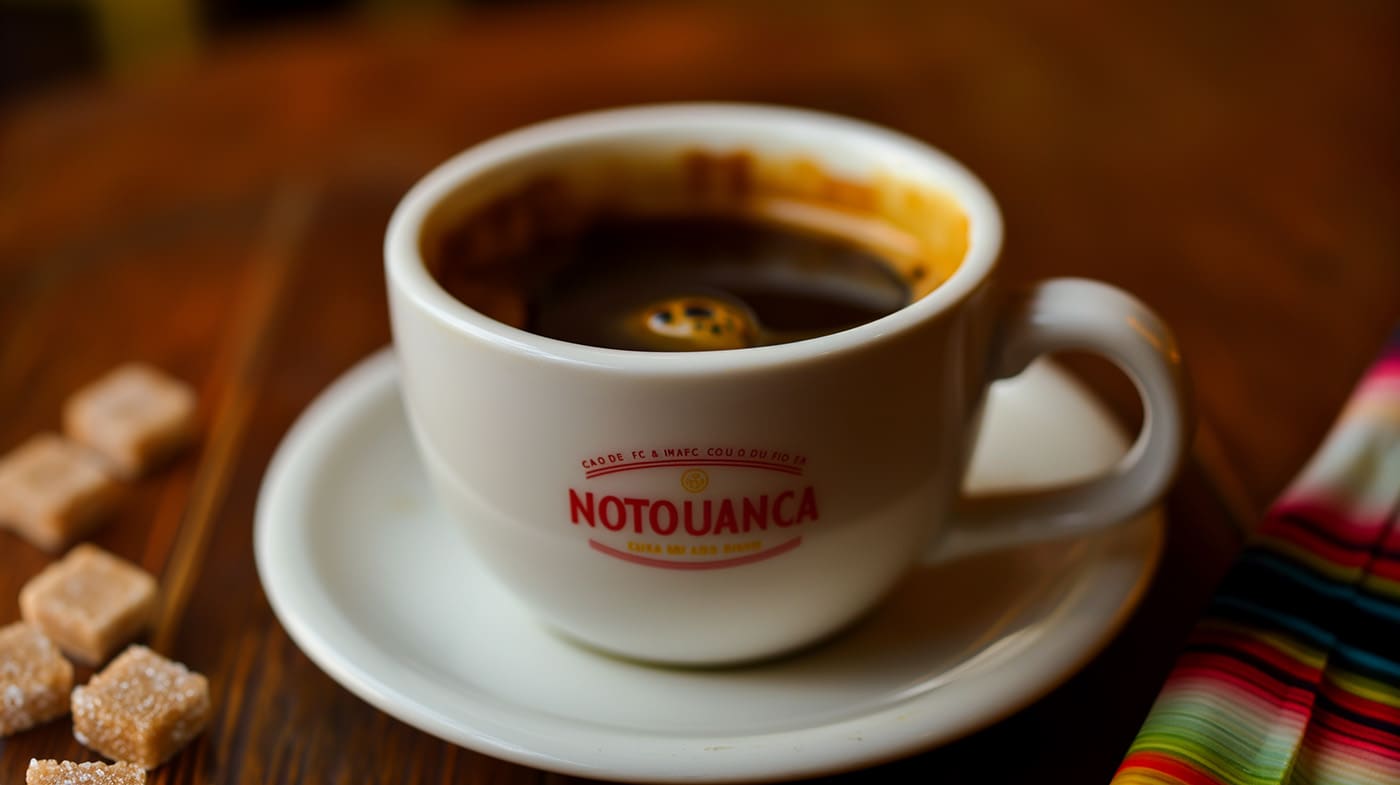
Colombian Tinto Recipe (Sweet Panela Coffee)
Equipment
- 1 Fine mesh strainer or cheesecloth (for filtering)
- 1 Small saucepan (for simmering)
- 1 Measuring cup (for water)
- 1 Spoon (stirring)
Ingredients
- 3 cups water
- 3 tbsp coarsely ground dark roast coffee
- 1-2 tbsp panela (or brown sugar) (to taste)
- 1 pinch salt (optional, balances bitterness)
Instructions Cook Mode
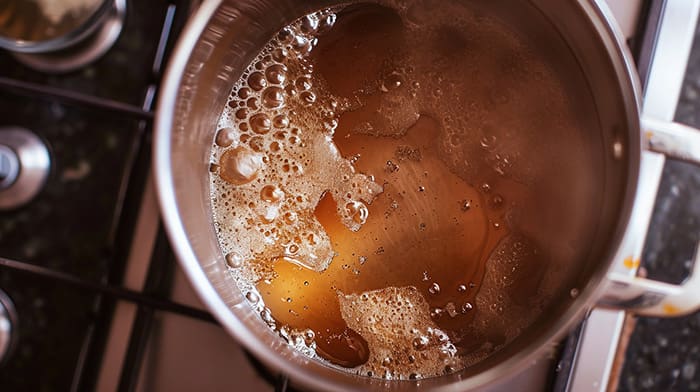
- Dissolve the panela. Add water and panela to a small saucepan and heat until the panela dissolves.3 tbsp coarsely ground dark roast coffee, 1-2 tbsp panela

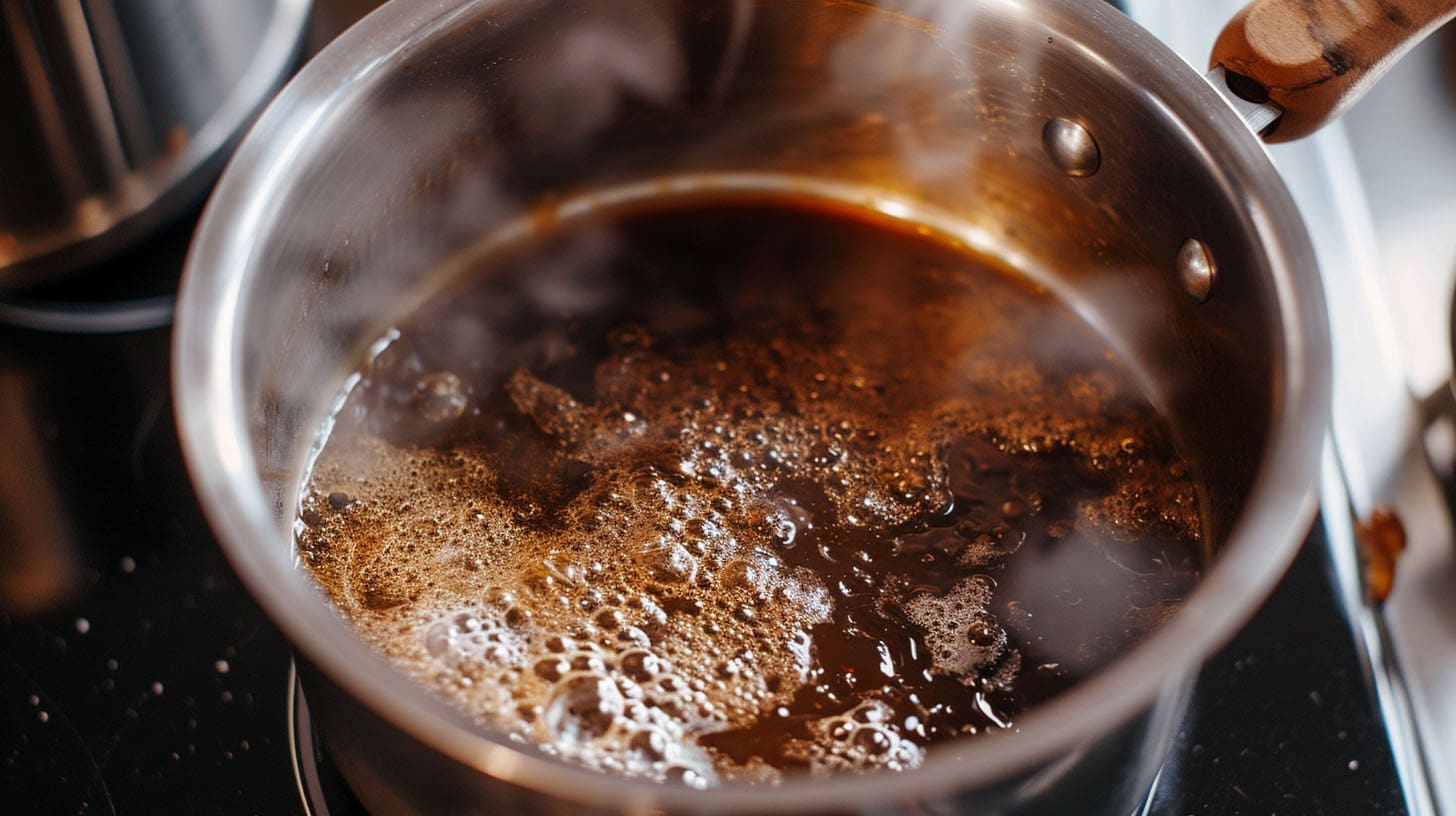
- Add coffee and simmer. Add coffee grounds and bring to a gentle simmer. Reduce heat and simmer 6–8 minutes, stirring once or twice.3 cups water
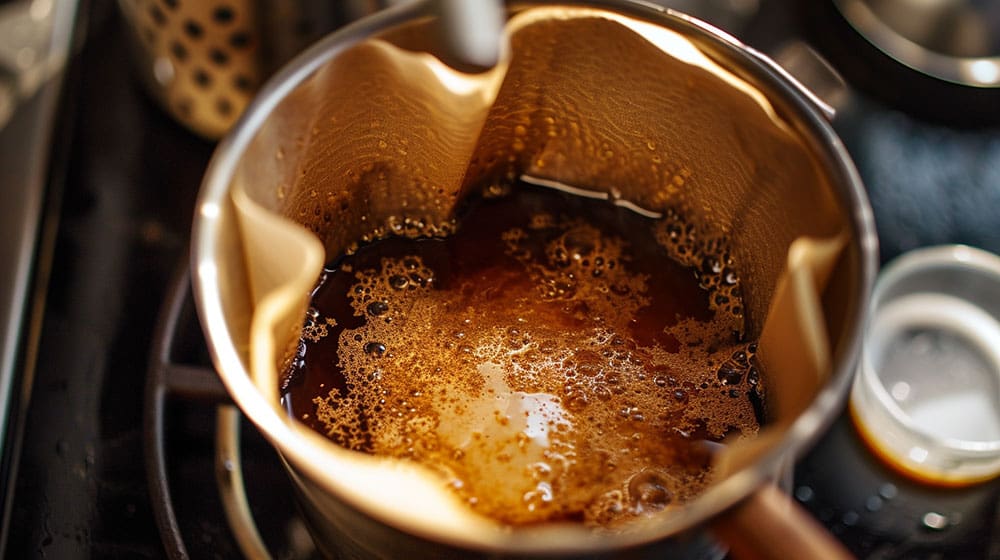
- Strain. Pour through a fine mesh strainer or cheesecloth into a heat-safe container.
- Serve. Pour into small cups and serve hot. Sweeten to taste.
- If it tastes bitter: reduce simmer time or add a splash more water.

Video

Notes
- 4 tbsp coffee for 3 cups water
Nutrition
Start here: For more on traditional coffee recipes, Coffee Recipes & Specialty Drinks is the best next hub; make this Colombian tinto first, then move into other traditional coffee drinks by country.
Keep reading: Popular in this topic
How This Colombian Tinto Recipe Was Checked
This pass leaves the WPRM recipe card, ingredient affiliate links, images, nutrition block, and schema-owned recipe data unchanged. The quality fix adds context around the tested stovetop method: dissolve the panela, brew the coffee briefly, strain cleanly, and adjust sweetness after tasting.
- Methodology: This recipe note focuses on sweetness control, extraction strength, and straining clarity rather than changing the WPRM recipe card.
- Testing note: The recipe works best when panela is fully dissolved before straining, because undissolved panela can settle at the bottom and make the final cups unevenly sweet.
- Strength note: Use coarser grounds for a cleaner cup, and reduce steeping time if the coffee tastes harsh.
Sources and context: Federacion Nacional de Cafeteros de Colombia for Colombian coffee context and World Coffee Research Colombia for country-level coffee background.
Make next: Try Colombian cafe con queso, Cuban cafecito, cafe bombon, or barley coffee.
Colombian Tinto Variations
- Tinto Campesino — sweetened with panela for caramel notes
- Tinto con Leche — add a splash of milk for a softer cup
- Iced Tinto — chill and serve over ice for warm weather
What Makes Colombian Tinto Different
Tinto stands apart from most modern coffee drinks for a few reasons:
- The coffee is simmered, not brewed through a filter
- Panela or brown sugar is often added during heating
- It is usually served in small portions
- Strength and sweetness are adjusted by taste, not strict ratios
Because the grounds simmer in the water, extraction is more aggressive. That is why coarse grounds and shorter simmer times matter.

Bean Choice for Tinto
Traditional tinto is typically made with:
- dark roast coffee
- inexpensive blends
- coarsely ground beans
Single-origin beans are not required here. In fact, chocolatey or nutty profiles tend to work best. Avoid light roasts — they can taste sharp when simmered.
Panela vs Sugar (What to Use)
Panela is unrefined cane sugar pressed into blocks. It adds:
- light caramel flavor
- slight molasses notes
- more body than white sugar
If you do not have panela, brown sugar is the closest substitute. White sugar works, but tastes flatter.
Strength Control Tips
If your tinto tastes too bitter:
- reduce simmer time by 1–2 minutes
- use coarser grounds
- add a little more water
- increase sweetness slightly
If it tastes weak:
- add 1 extra tablespoon of grounds
- extend simmer by 1–2 minutes
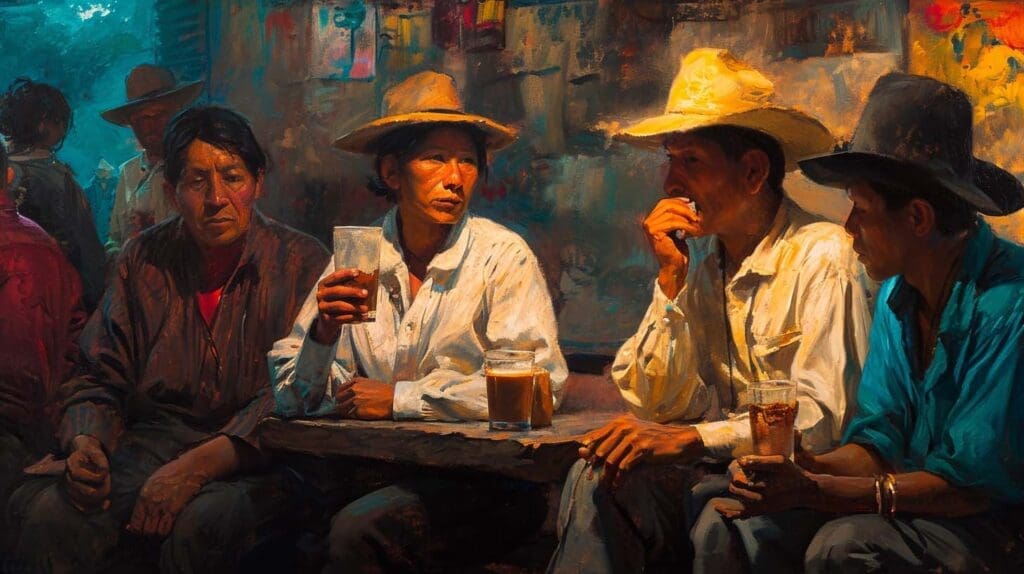
Serving Style
Tinto is usually served:
- hot
- in small cups
- without milk
- slightly sweet
Milk is not traditional, but nothing stops you from adding a splash if you prefer a softer cup.
Colombian Tinto FAQ
Is Colombian tinto the same as espresso?
No. Tinto is simmered coffee, not pressure-extracted espresso. It is thinner than espresso but stronger than standard drip coffee.
Is tinto always sweet?
Traditionally yes, but sweetness level varies. You can reduce or skip sugar if you prefer.
Can I make tinto with regular ground coffee?
Yes — just use a coarse grind. Fine grinds can make the drink muddy and overly bitter.
Can I make tinto without panela?
Yes. Brown sugar is the best substitute. White sugar works but adds less flavor.
Is tinto stronger than drip coffee?
Usually yes, because simmering extracts more compounds from the grounds.
