
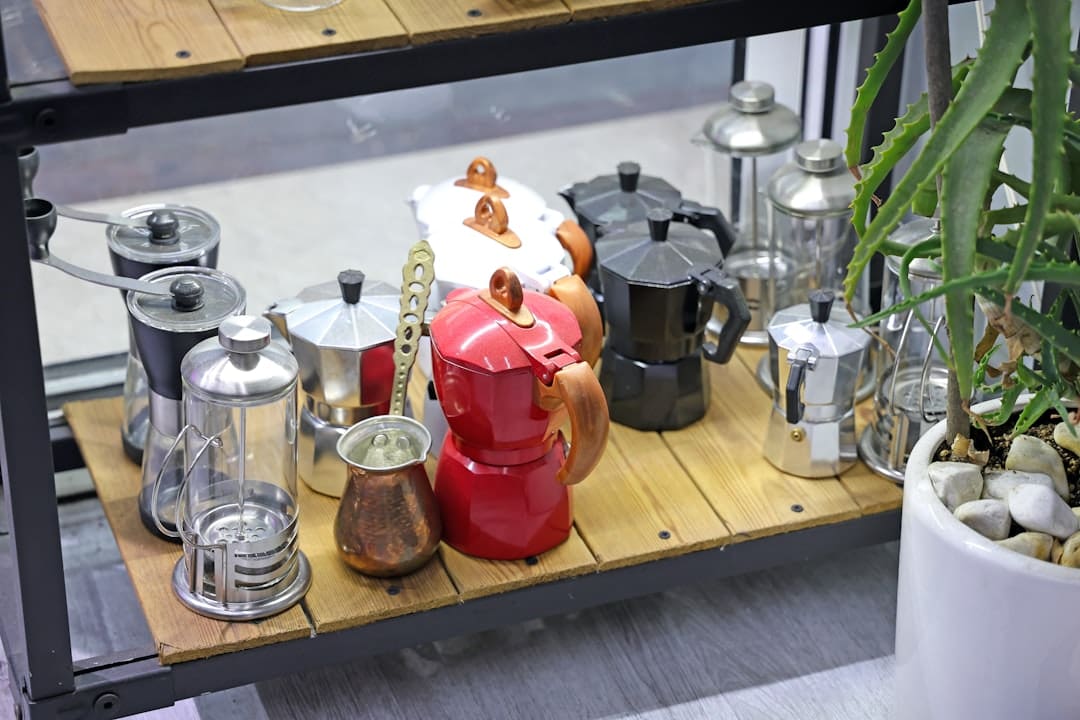

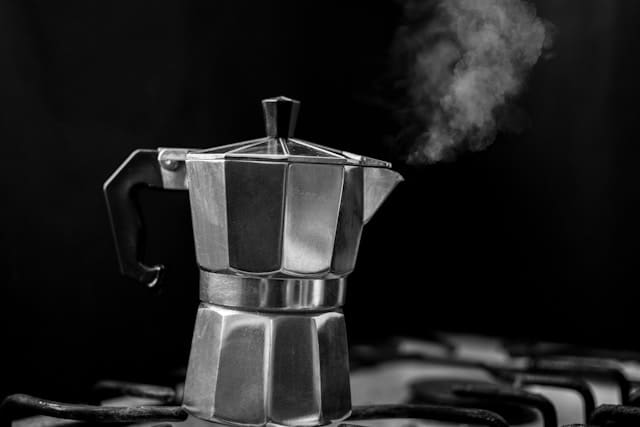
The Moka pot has a reputation for being dramatic. It hisses. It gurgles. It demands attention. And when it’s dialed in, it makes a rich, concentrated cup that sits somewhere between drip coffee and espresso.
Buying one, though, is where most people get stuck.
If you searched for a moka pot buying guide, you are probably wondering which size to get, which brand actually matters, and whether the cheaper models are worth it. This guide answers those questions directly, then walks you through how to get the best results once it is on your stove.
The Short Answer
Here is the simple version.
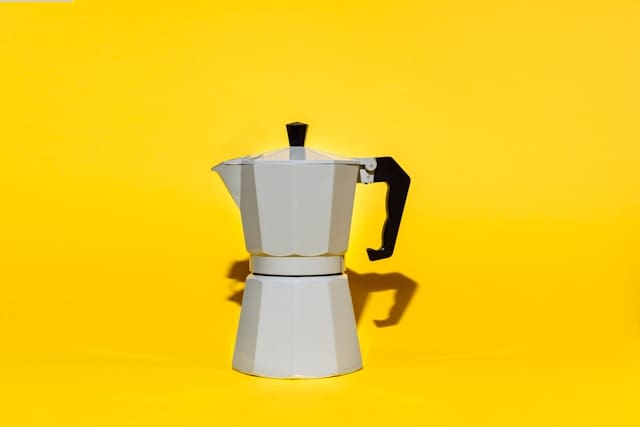
Choose a moka pot based on how many cups you typically drink at once. Moka pots are sized in small demitasse “cups,” not 8-ounce mugs. A 3-cup model makes about one strong mug. A 6-cup model works for two people.
Stick with aluminum or stainless steel from a reputable manufacturer. Make sure replacement gaskets are easy to find. That matters more than trendy colors or branding.
If you want a safe default, the classic stovetop model that has been around for decades is still the benchmark.
What Actually Matters When Buying a Moka Pot
Material
Aluminum heats quickly and is traditional. Stainless steel is more durable and induction compatible. Both can make excellent coffee. Choose based on your stove and how hard you are on your gear.
Size
Do not size up “just in case.” A moka pot needs to be filled to its designed capacity to brew correctly. Brewing half full throws off pressure and extraction.
Valve and Seal Quality
Check that the safety valve looks solid and well seated. The gasket should be thick and snug. Poor seals lead to sputtering and weak coffee.
Handle Design
It sounds minor, but a flimsy plastic handle on a high heat brewer is a long term annoyance. Look for something sturdy and heat resistant.
The Brewing Science Behind It
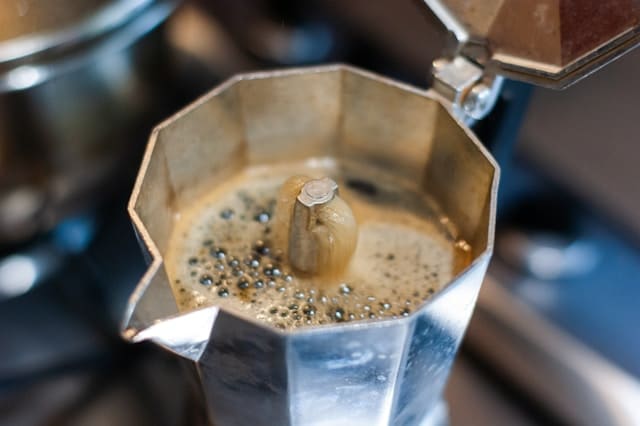
Moka pots work by building steam pressure in the lower chamber. As water heats, pressure forces it up through the coffee bed and into the top chamber.
Extraction depends on temperature, pressure, and contact time. Grind too fine and you slow the flow, increasing bitterness. Grind too coarse and water moves too fast, leaving you with sour, under extracted coffee.
Unlike espresso machines, moka pots are not operating at full commercial pressure. That means technique and grind size matter more than people think.
Step by Step: Brewing It Properly
- Step 1: Fill the bottom chamber with hot water up to the safety valve. Starting with hot water reduces time on the stove and limits bitterness.
- Step 2: Fill the basket with coffee. Level it gently. Do not tamp it down.
- Step 3: Assemble tightly and place over medium heat.
- Step 4: Remove from heat as soon as you hear the gurgling finish. Run the base under cool water to stop extraction.
Water between 195°F and 205°F is still the sweet spot. Starting hot helps you stay closer to that range.
Ratios That Actually Work
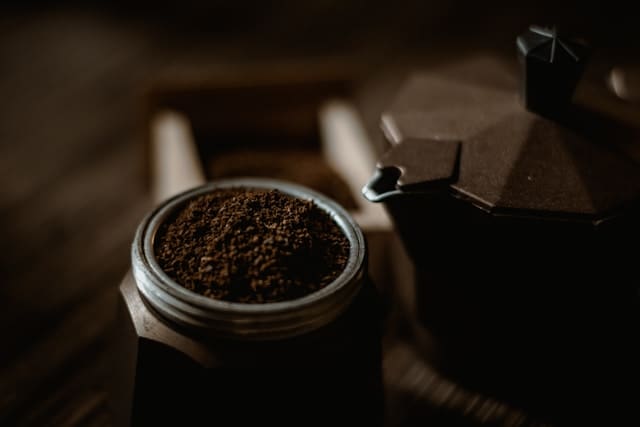
A good starting ratio for moka pot brewing is about 1:10 to 1:12 by weight. Stronger than drip. Lighter than espresso.
The common 1:16 “golden ratio” applies more to pour-over and drip methods. Moka pots are designed to produce a more concentrated brew.
Too much water relative to coffee can make the brew harsh and thin. Too little can stall the flow and taste muddy.
Roast Level Considerations
- Light roasts are denser and less soluble. They benefit from slightly finer grinds and careful heat control.
- Dark roasts extract quickly and can turn bitter fast. Lower the heat and consider a slightly coarser grind.
- A dark Sumatra will behave very differently from a light Ethiopia. Adjust accordingly rather than assuming one setting fits all.
Common Mistakes
- Overheating the pot: Cranking the burner leads to burnt flavors and sputtering.
- Tamping the grounds: This is not espresso. Compressing the coffee can cause over-extraction and pressure issues.
- Brewing half full: Moka pots are designed to operate at full capacity.
- Ignoring the gasket: If the seal is worn out, your brew quality will suffer.
Troubleshooting
- If your coffee tastes bitter, lower the heat and try a slightly coarser grind.
- If it tastes sour, grind a bit finer and make sure you are starting with hot water.
- If it tastes weak, check your ratio. You may need more coffee or a smaller pot.
Practical Tips That Make a Difference
- Preheat your mug so the concentrated brew does not cool instantly.
- Use filtered water if your tap water is hard.
- Clean the pot thoroughly, but avoid soap on aluminum models. Rinse well and let it dry fully.
- Replace the gasket when it starts to look flattened or brittle.
Final Thoughts
A moka pot is simple hardware with a narrow margin for error. Buy the right size. Pay attention to the seal. Control your heat.
Once you understand how pressure and grind interact, the “loud Italian nonna” becomes predictable. And when it is predictable, it is excellent.
