

Dunkin can absolutely fit a glucose-conscious routine—if you build your drink with intention. The difference between a blood-sugar-friendly coffee and a hidden sugar bomb often comes down to one swap and one clear sentence at the counter. This guide shows you how to order with confidence, reduce guesswork, and create a repeatable system that works in real life.
Quick answer
Start with coffee, Americano, or cold brew. Remove liquid sugar and swirls. Choose flavor shots instead of swirls when you want taste without the heavy sugar load. Keep sizes consistent and use the same short script every time.
Why You Can Trust This Guide
- We focus on real ordering behavior, not perfect lab scenarios. If it cannot be done quickly at a busy counter, it does not make the list.
- We separate low-sugar fundamentals from marketing language so you can decide in under a minute.
- We prioritize repeatable daily habits that support stable energy and glucose control over time.
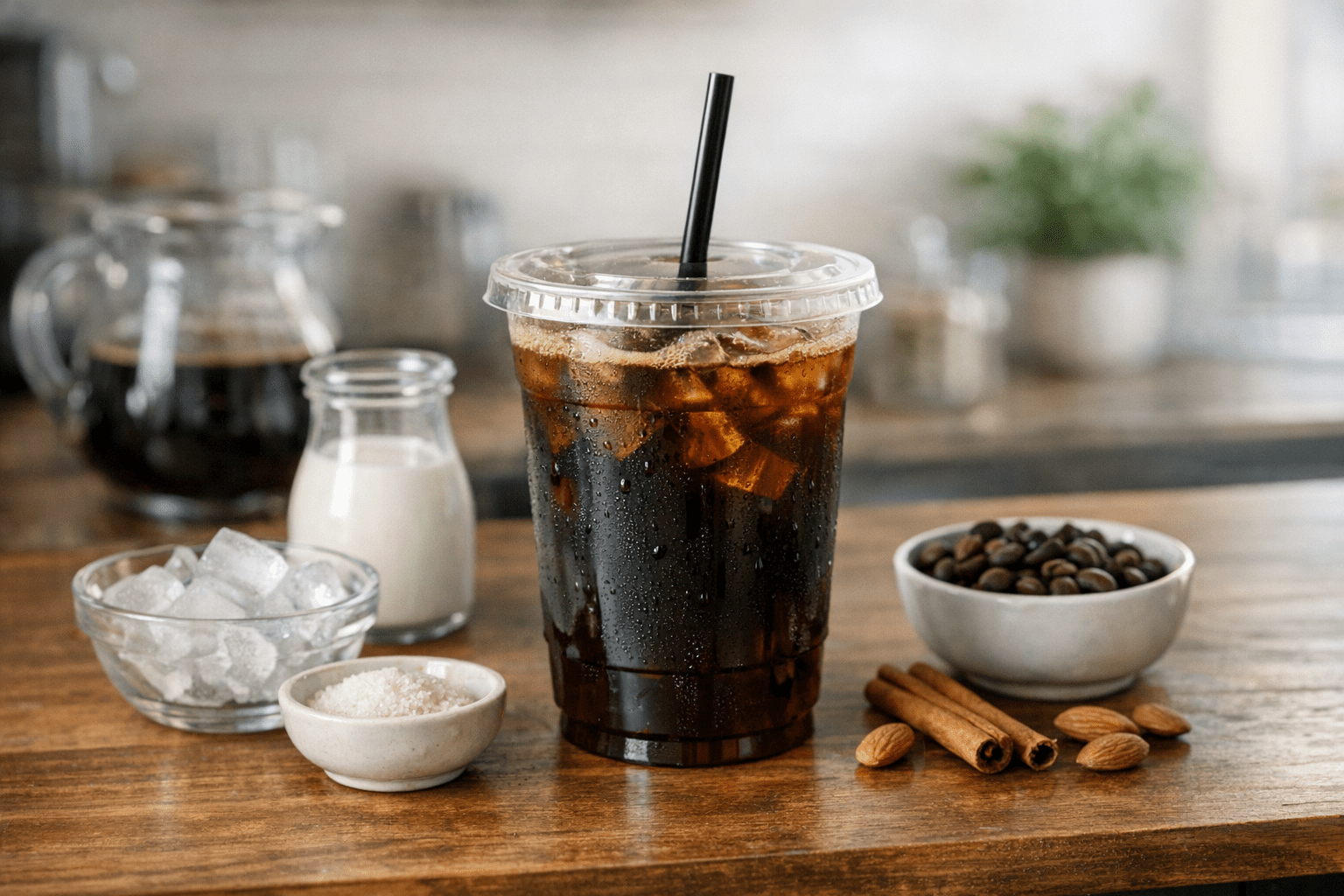
Sugar-free Dunkin orders decision matrix
Use this matrix as your starting point. Match your main goal, then apply the ordering scripts below. The goal is not perfection. The goal is predictability, portion control, and sustainable flavor.
| Goal | Best base | What to remove | What to keep |
|---|---|---|---|
| Lowest sugar | Americano | Swirls and liquid sugar | Measured milk or cream if needed |
| Balanced taste | Iced coffee | Full-sweet default recipe | One flavor shot |
| Higher satiety | Hot coffee | Sugary toppings | Light cream + protein pairing |
| Travel convenience | Cold brew | Sweet foam | Small size, no added sugar |
How to evaluate sugar-free Dunkin orders without getting misled
The most common mistake is chasing a single number—usually sugar grams—while ignoring the full decision chain. A drink may look clean on paper, yet fail in practice because the size increases, sweetness creeps up, or caffeine timing disrupts sleep and triggers next-day cravings. Behavior drives outcomes. Labels alone do not.
Use a simple three-part filter. First, check the baseline nutrition: sugar, total carbs, and overall calories. Second, evaluate adherence: will you actually enjoy this enough to repeat it without adding extras? Third, assess downstream effects: energy stability, appetite control, and sleep quality. If one part breaks, the plan breaks.
Marketing words like “skinny,” “light,” or “clean” mean nothing unless they translate into a specific recipe. Always convert brand language into clear instructions: size, milk type, number of shots, no swirls. If you cannot say it in one sentence at the counter, it is not operational.
Flavor shots vs. swirls: the difference that matters
If you remember one rule, make it this: flavor shots are typically unsweetened, while swirls are pre-sweetened. Swirls are where sugar climbs quickly. They are thicker, sweeter, and often automatically included in specialty drinks.
That does not mean flavor shots are “free.” Always confirm current nutrition information and monitor your response. But for most glucose-conscious plans, switching from a swirl to a single flavor shot dramatically lowers sugar exposure while preserving taste.
A practical approach: start with one flavor shot. If it tastes too mild, adjust next time—not in the same visit. One variable at a time keeps your data clean and your habits stable.
Practical ordering scripts you can use immediately
Consistency beats creativity. When your order changes daily, your glucose response often does too. Lock in one primary order, one backup, and one evening option. Keep them short and easy for staff to execute during peak hours.
- Primary weekday order: Medium iced coffee, no liquid sugar, one flavor shot, light cream.
- Lowest-sugar baseline: Small Americano, one cream or splash of milk, no sweetener.
- Craving strategy: Keep drink unsweetened. Add a protein food instead of syrup.
- Evening option: Decaf hot coffee with milk, no sweetener.
Notice the pattern. You remove default sugar first. You set milk second. You cap sweetness third. This sequence prevents accidental carb stacking and keeps your order clear and repeatable.
Common mistakes that raise blood sugar fast
Most glucose spikes from coffee drinks are not dramatic mistakes. They are small defaults repeated often. Use this checklist to catch hidden issues:
- Ordering by drink name only: Many specialty drinks include multiple pumps of sweetened swirl automatically.
- Confusing shots and swirls: They sound similar but differ significantly in sugar content.
- Upsizing under stress: A large can quietly double total sugar compared to a small.
- Stacking pastry and sweet drink: The combined carbohydrate load drives sharper spikes.
- Changing everything at once: You cannot tell what caused improvement or setbacks.
Fixing these issues is straightforward. Change one variable at a time. Test smaller size first. Then test reduced sweetness. This structured method accelerates learning and protects motivation.
A simple 7-day reset plan
| Day | Action | Why it matters |
|---|---|---|
| Day 1 | Choose one primary order and document exact customizations. | Removes decision fatigue. |
| Day 2 | Reduce sweetness slightly from your norm. | Taste adapts quickly for most people. |
| Day 3 | Audit portion size. | Dose often matters more than ingredients. |
| Day 4 | Track afternoon hunger and energy. | Reveals hidden caffeine or carb effects. |
| Day 5 | Test your backup order at a different location. | Builds resilience when menus vary. |
| Day 6 | Review weekly beverage carbs and calories. | Aligns drinks with overall goals. |
| Day 7 | Lock your script for the next month. | Consistency compounds results. |
This loop builds a system. You establish a baseline, test small adjustments, and keep what works. Systems outperform one-time hacks every time.
Who should take extra precautions
If you live with diabetes, insulin resistance, GERD, cardiovascular conditions, or medication interactions, set personalized sugar and caffeine targets with a licensed clinician. Individual thresholds vary. What works for one person may not work for another.
High caffeine intake, frequent artificial sweetener changes, or aggressive fasting can also affect mood and appetite. Build a stable foundation first. Stability beats intensity for long-term glucose management.
Myths to ignore about sugar-free Dunkin orders
- Myth: Diabetic-friendly means flavorless. Reality: Flavor shots, cinnamon, and milk adjustments can create satisfying drinks.
- Myth: Sugar-free guarantees no spike. Reality: Total carbs and portion size still matter.
- Myth: Milk does not count. Reality: Quantity changes carb totals meaningfully.
- Myth: Weekend splurges do not affect trends. Reality: Weekly averages shape outcomes.
Treat every claim like a specification. If it cannot be measured or repeated, it is not actionable.
FAQ
Are Dunkin flavor shots safe for blood sugar?
They are generally lower in sugar than swirls, making them a practical option for many people. Always verify current nutrition data and monitor your individual response.
What is the single best order for diabetes?
A small unsweetened Americano with a measured amount of milk or cream is a reliable low-sugar baseline. It is simple, widely available, and easy to standardize.
Should I avoid cream completely?
Not necessarily. A controlled amount of cream can improve satisfaction and reduce the urge for added sugar. Portion control is the key variable.
How can I reduce breakfast spikes?
Pair coffee with protein and fiber instead of a high-sugar pastry. This combination slows digestion and promotes steadier energy.
How often should I review my strategy?
Check in weekly. Adjust one variable at a time based on energy, cravings, and glucose patterns.
Final verdict
Dunkin can work within a diabetic-friendly plan when you prioritize unsweetened bases, cap sweetness, and control portion size. The winning formula is simple: remove default sugar, standardize your order, and repeat.
Editorial note: This article is for educational purposes only and does not replace individualized medical advice. Consult a qualified healthcare professional for personal guidance, especially if you have a diagnosed condition or take medications that affect blood sugar.
