
7 min read
The Golden Lamb Coffee · Healthy Coffee
Healthy Coffee
Syrups
The Ultimate Sugar-Free List
You don’t need to quit flavored coffee. You need to control the dose, upgrade the base, and remove hidden sugar defaults.
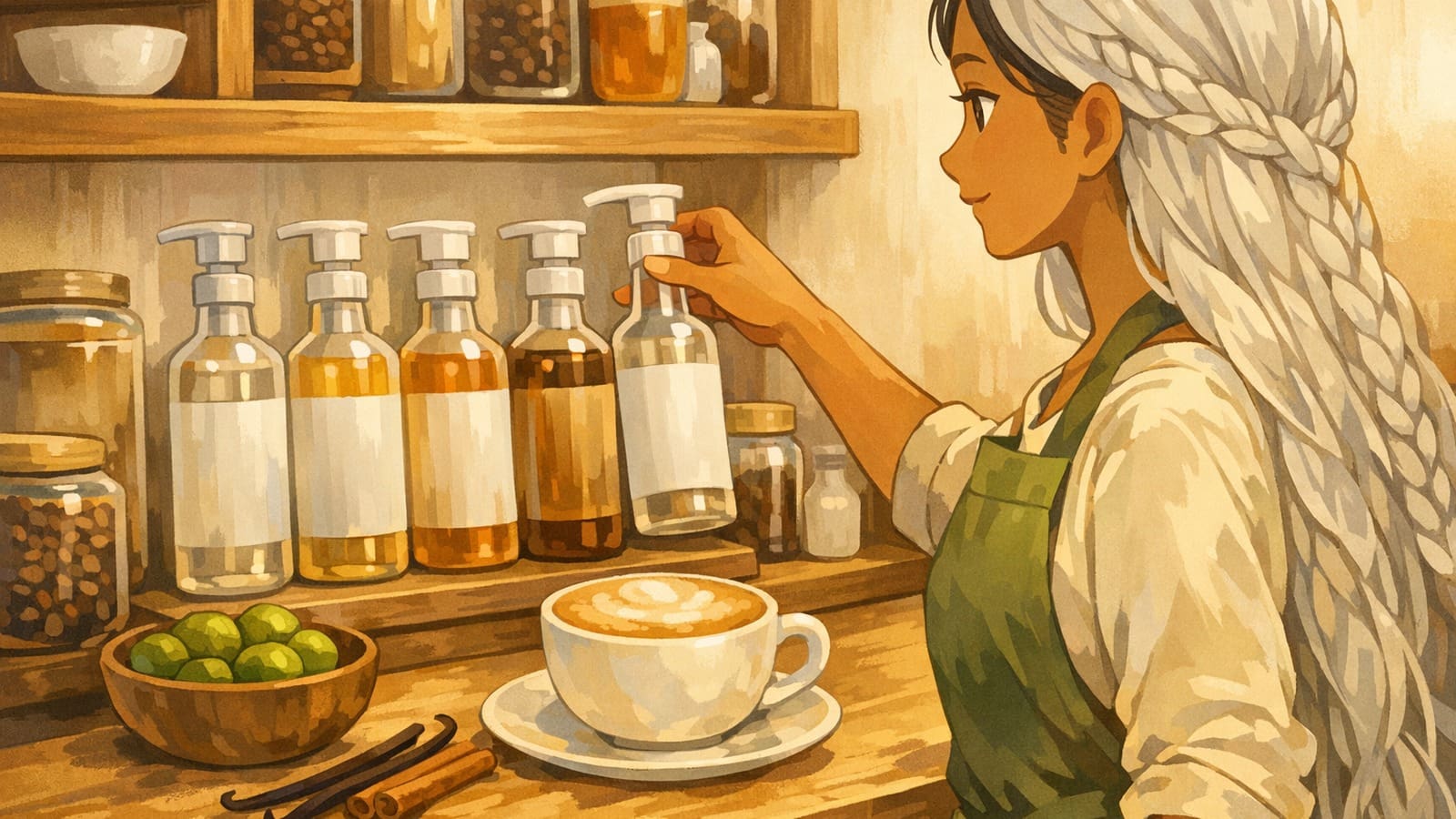
Healthy coffee syrups are not about deprivation. They are about precision.
Most people don’t need to quit flavored coffee. They need to control the dose, upgrade the base, and remove hidden sugar defaults. When you treat syrup pumps as visible, measurable ingredients instead of “free flavor,” your coffee can stay enjoyable and aligned with your health goals.
Choose cleaner or sugar-free syrups when needed, cap your pump count, and build flavor with quality coffee and spices. The goal is controlled sweetness, not bland coffee. You’re optimizing for repeatable daily behavior — not a one-time “perfect” drink.
Why You Can Trust This Guide
- We evaluate healthy coffee syrups using real-world ordering constraints, not unrealistic lab scenarios.
- We separate marketing language from measurable behaviors you can execute at any café.
- We prioritize sustainability, metabolic awareness, and taste adherence over hype.
For specific flavor ideas, compare Monin syrups for coffee, make lavender coffee syrup, or try vanilla sweet cream.
The Healthy Syrups Decision Matrix
Identify your flavor goal first. Then apply the base strategy and syrup rule. This prevents the most common mistake: chasing sweetness without structure.
| Flavor Goal | Base Strategy | Syrup Rule | Best Companion |
|---|---|---|---|
| Vanilla | Unsweetened brewed coffee or Americano | 1 pump maximum | Cinnamon or nutmeg |
| Mocha | Espresso + milk, no added sugar | Half pump chocolate | Unsweetened cocoa powder |
| Caramel | Cold brew or iced coffee | Half pump caramel | Pinch of sea salt |
| Dessert | Smaller serving size | Planned treat frequency | Skip drizzle and whipped toppings |
The pattern is consistent: reduce baseline sweetness, limit pumps, and enhance flavor with non-sugar additions. When the coffee itself tastes better, you naturally need less syrup.
How to Evaluate Without Getting Misled
Most confusion comes from isolating one number — calories, or “sugar-free,” or just the ingredient label. Coffee decisions are behavioral.
A drink that looks clean on paper can quietly derail your energy, appetite, or sleep if sweetness creeps up over time. Use a three-part filter before committing to any daily flavored drink:
1. Baseline nutrition — total sugar, total calories, and protein if milk-based.
2. Adherence — do you genuinely enjoy it without adding extras?
3. Downstream effects — energy stability, cravings, and sleep quality.
If any layer fails, the drink is not sustainable. Be cautious with vague marketing terms. Words like “skinny,” “light,” or “clean” are meaningless unless they translate into specific pump counts, milk choices, and topping rules. Convert every label into a repeatable script.
The Sugar-Free Syrup Comparison
Sugar-free syrups can significantly reduce sugar intake — but they are not automatically “healthy.” The key variables are ingredient tolerance, sweetness intensity, and total pump count.
| Type | Sweetener Base | Best For | Watch-outs |
|---|---|---|---|
| Sucralose | Non-caloric artificial sweetener | Strong sweetness with minimal calories | Can taste overly intense at higher doses |
| Stevia | Plant-derived extract | Lower glycemic impact | Possible bitter aftertaste for some people |
| Monk Fruit | Monk fruit + erythritol blend | Smoother sweetness profile | Digestive sensitivity in some individuals |
Best practice: start with one pump, taste, and adjust downward before upward. Many sugar-free syrups are sweeter per pump than traditional syrups. Overuse can intensify cravings and mask poor coffee quality.
The Practical Ordering Playbook
Consistency drives results. If your coffee order changes daily, so will your sugar intake.
Structure your order in this sequence: remove default sugars → choose milk intentionally → cap syrup pumps → finalize toppings. This order matters — it prevents accidental layering of multiple sweet components in a single cup.
- Daily No classic syrup, one pump flavor maximum, no drizzle.
- Flavor-First Add cinnamon or cocoa before increasing sweetness.
- Milk-Aware Reduce syrup when using oat or lactose-containing milk.
- Treat Model Reserve full-sweet drinks for planned occasions only.
After two weeks, audit honestly. If you consistently add extra pumps, your baseline is too strict. Sustainable moderation beats rigid perfection.
Common Mistakes & How to Fix Them
Most setbacks are subtle. They accumulate through defaults and habits.
- Assuming sugar-free means unlimited pumps. Even zero-calorie sweeteners can reinforce high sweetness tolerance over time.
- Stacking sweet elements. Syrup plus sweet milk plus drizzle multiplies impact. Treat the full drink as a unit, not individual add-ins.
- Ignoring portion size. Larger cups often trigger automatic pump increases. Size control beats ingredient swaps.
- Masking weak coffee with syrup. Upgrade your beans or brew method first. Good coffee needs less sweetness to taste good.
- Turning every drink into dessert. Not every cup needs to taste like a milkshake. Reserve the full-sweet version for occasions.
Change one variable at a time. Adjust size or pumps — not both simultaneously. Controlled adjustments make optimization faster and more predictable.
7-Day Implementation Plan
Build a repeatable system: define, test, adjust, stabilize.
| Day | Action | Why It Matters |
|---|---|---|
| Day 1 | Define your exact primary order with pump count. | Removes guesswork. |
| Day 2 | Reduce sweetness slightly below comfort level. | Taste adapts quickly. |
| Day 3 | Audit cup size. | Dose control beats ingredient swaps. |
| Day 4 | Track afternoon energy and hunger. | Reveals hidden sugar impact. |
| Day 5 | Test your backup order elsewhere. | Builds resilience. |
| Day 6 | Estimate weekly beverage calories. | Aligns intake with goals. |
| Day 7 | Lock in your script for the next month. | Consistency compounds. |
Who Should Use Extra Caution
If your approach relies on heavy caffeine, frequent sweetener cycling, or extreme restriction, step back. Stability and recovery outperform intensity spikes.
Myths to Ignore
If a claim can’t translate into a measurable behavior, it’s not actionable.
Dose still determines outcome. One pump and five pumps of the same “healthy” syrup are not equivalent.
Individual tolerance varies significantly. Monitor your own cravings, energy, and sleep response.
Better extraction and spice layering (cinnamon, cocoa, nutmeg) enhance taste without sweetness.
Roast quality and brew method matter more. Great coffee needs less syrup to taste great.
Frequently Asked Questions
Start with one pump, taste, and reduce before increasing. Most people adapt to lower sweetness faster than expected. Many sugar-free syrups are sweeter per pump than traditional ones, so less is often more.
They reduce sugar, but tolerance and total pump count still matter. Zero sugar does not mean zero impact — sweetness intensity and individual tolerance vary significantly between sweetener types and brands.
Yes. Cinnamon, cocoa powder, vanilla extract, citrus zest, and better-quality beans all add flavor without sugar. Upgrade the base coffee before adding sweetness — when the coffee itself tastes better, you naturally need less syrup.
For some individuals, highly sweet drinks increase cravings later in the day. Monitor your own response — track afternoon energy and hunger for a week to identify whether your current sweetness level is working for you.
Remove default syrup and drizzle first, then rebuild sweetness intentionally with a single measured pump. Eliminating hidden sugar defaults is the fastest path to controlled sweetness — more effective than swapping brands.
Sucralose-based syrups offer strong sweetness with minimal calories but can taste overly intense at higher doses. Stevia-based syrups have lower glycemic impact but may have a bitter aftertaste. Monk fruit blends tend to have a smoother sweetness profile but can cause digestive sensitivity in some people.
Sweetness Should Be
Intentional
You don’t need to eliminate syrup to be healthy. You need clear structure, strict dosing, and better coffee fundamentals. When sweetness becomes intentional instead of automatic, flavored coffee can fit into a balanced routine.
