

11 min read
Coffee has antioxidant and anti-inflammatory compounds, and some studies link it with inflammatory markers. But joint comfort is complicated — and the evidence is far from one-size-fits-all.
The honest angle is strong because coffee contains more than caffeine. Chlorogenic acids and other bioactive compounds make coffee relevant to inflammation conversations, even when disease-specific claims need restraint.
So this article does two things: it explains what the research actually supports, and it shows where a doctor-formulated joint supplement like BioDynamix Joint Genesis can fit on top of a real coffee-plus-movement routine — not as a substitute for it.

The Short, Honest Version
Coffee has antioxidant and anti-inflammatory compounds, and some studies link it with inflammatory markers. But joint comfort is complicated, and the evidence on conditions like rheumatoid arthritis is mixed.
Use coffee as one lifestyle tool, not a treatment. Dial in the daily routine first — sleep, movement, hydration, protein — and treat any supplement, including Joint Genesis, as a clearly-labeled experiment on top of that.
What’s Actually in a Cup of Coffee
Coffee isn’t one molecule. A single cup contains hundreds of compounds, and several of them are the reason researchers keep returning to coffee in inflammation studies.
The compounds that get the most inflammation-research attention are chlorogenic acids and other polyphenols. They’re why coffee shows up alongside green tea and dark chocolate in antioxidant conversations — not because coffee is medicine, but because it’s chemically interesting in ways that show up in lab and observational studies.

Why Coffee Belongs in This Conversation
Coffee deserves a real place here because it isn’t just a flavor preference. It contains caffeine plus a long list of bioactive compounds, and it has been studied in relation to alertness, sleep, inflammation, and long-term health outcomes.
That doesn’t mean every coffee claim is true. It means the coffee habit is a legitimate lever to examine, especially if you’re already drinking it daily.
For a broad baseline, the BMJ / PMC umbrella review on coffee and health notes that roasted coffee is chemically complex, with compounds that have antioxidant and anti-inflammatory plausibility. The FDA also says caffeine can be part of a healthy diet for most adults — while reminding people that too much causes side effects.
The Evidence Worth Caring About
Headlines move fast. Reviews move slowly. When you’re trying to understand a topic like coffee and inflammation, the slower sources matter more.
What the higher-quality sources actually say
The most honest editorial angle is also the strongest: coffee can support the daily behavior around the topic, while any affiliate product is something to consider after the coffee habit and lifestyle basics are already dialed in.

A Simple Coffee-First Routine
This isn’t a treatment plan. It’s a sequence that respects how mornings actually work and gives you a structure you can repeat.

| # | Step | Why it matters | How to use it |
|---|---|---|---|
| 01 | Plain coffee | Cleaner baseline | Sugar-heavy drinks make the health picture murkier and harder to read on yourself. |
| 02 | Movement after coffee | Supports stiffness & energy | Use coffee as the cue for a walk or mobility session — even 10 minutes counts. |
| 03 | Track symptoms | Personal data matters | Note coffee dose, sleep, pain, and training load. Patterns show up in weeks, not days. |
| 04 | Be cautious with supplements | Avoid interactions | Check labels and talk to a clinician if symptoms persist or you take other medications. |
Run this for two weeks before changing anything. Patterns — not single days — tell you what’s actually working.
The Supplement Question
A joint-support supplement isn’t for everyone, and it isn’t magic. The honest filter for whether one is worth trying looks like this.
- ✓You move daily — even short walks count
- ✓Sleep is consistent and not actively broken
- ✓Protein and hydration are reasonable
- ✓You’re tracking symptoms over weeks
- ✓Your clinician knows what you’re taking
- ✗You’re hoping it cancels a sedentary week
- ✗You’re running on broken sleep
- ✗You’re trying to skip clinical advice
- ✗The pain is new, severe, or escalating
- ✗You take meds without checking interactions
If you’re in the left column, BioDynamix Joint Genesis is a reasonable thing to evaluate. If you’re in the right column, fix the basics first — no capsule is going to do that work for you.

Before you click anything — a 4-question check
- 01Are the basics already in place? Movement, sleep, hydration, protein. A supplement won’t out-perform a broken foundation.
- 02Can you check the ingredient panel? If a product won’t show its full label, that’s a signal. Joint Genesis lists its panel openly.
- 03Is your clinician in the loop? Especially for prescribed medications — supplement interactions are real, even with “natural” products.
- 04Will you track for 6–8 weeks? Honest evaluation needs time. If you won’t track, you won’t actually know whether it’s doing anything.
Coffee Routine vs Routine + Joint Genesis
Here’s an honest side-by-side. The point isn’t to make one column look heroic — it’s to show what changes and what doesn’t.
| What you’re building | Coffee + Routine | + Joint Genesis |
|---|---|---|
| Morning energy cue | ✓ Coffee | ✓ Coffee |
| Daily movement | ✓ Built in | ✓ Built in |
| Tracked over weeks | ✓ Yes | ✓ Yes |
| Clinician in the loop | ✓ If persistent | ✓ Yes — esp. with new supplement |
| Optional supplement layer | ∼ None | ✓ Doctor-formulated capsule |
| Replaces medical care | ∼ No | ∼ No |
| Honest claim | ✓ Lifestyle foundation | ✓ Foundation + a labeled experiment |
The honest read: most of the work happens in the first column. The supplement layer is for people who’ve already built that foundation and want to test one more variable.

Coffee is not a treatment for inflammation or joint disease, and neither is any supplement. What we have is interesting research on bioactive compounds and population-level associations. That’s a signal worth taking seriously — but it isn’t a prescription, and it doesn’t replace clinical guidance for symptoms that aren’t going away.
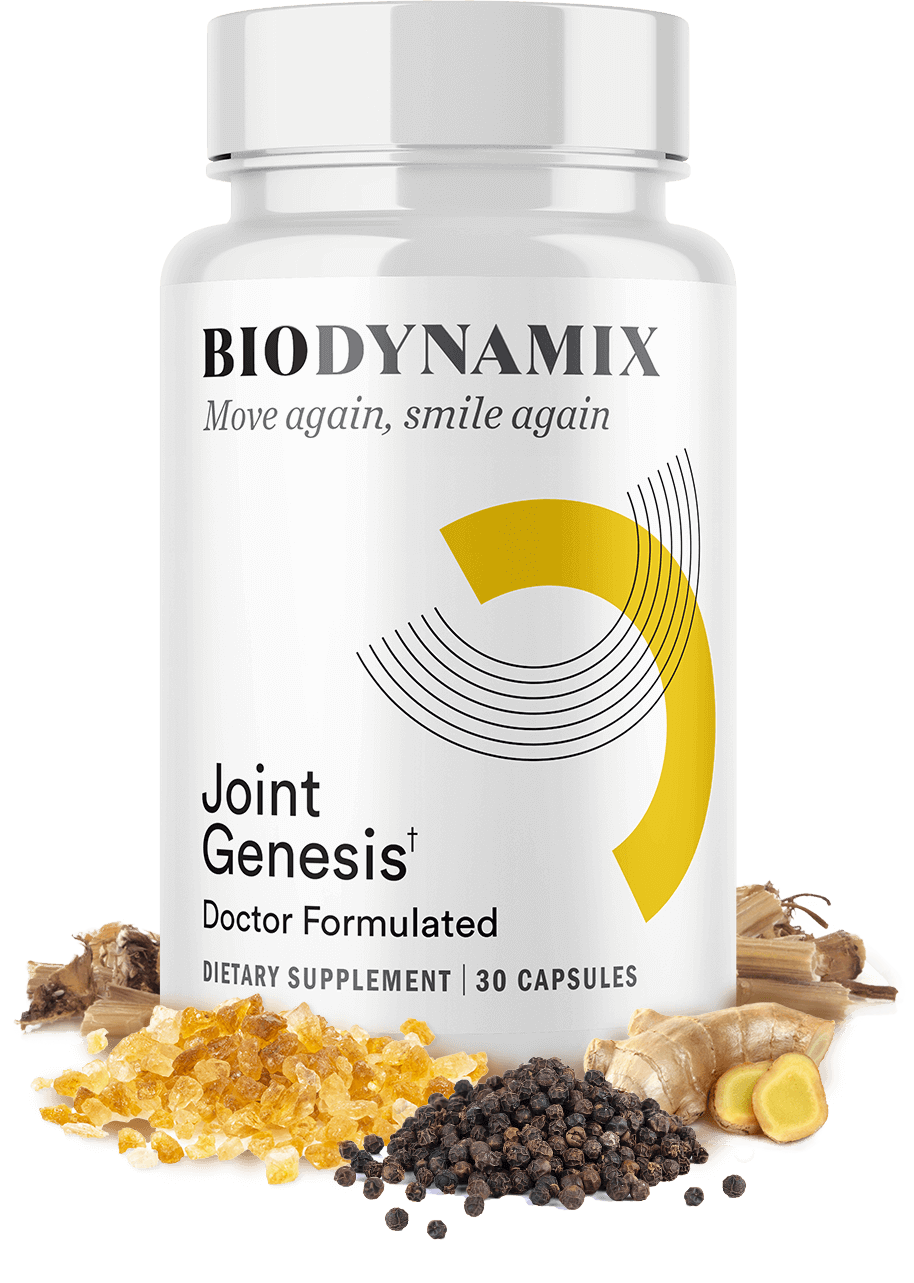
Doctor-formulated joint support, designed for readers who’ve already built a real routine and want to test one more variable on top of it.
Frequently Asked Questions
Q.Is coffee anti-inflammatory?
Coffee has bioactive compounds and has been studied alongside inflammatory markers, but results vary by population, dose, and marker. It’s reasonable to say there’s a signal worth paying attention to — not that coffee “is” anti-inflammatory in a treatment sense.
Q.Can coffee help joint pain?
It may help some people feel more energetic before movement, and movement itself supports joint comfort. But coffee should not be described as a joint-pain treatment. For persistent joint pain, talk to a clinician.
Q.Should I stop coffee if I have arthritis?
Ask your clinician, especially if you notice flares or have other health issues. The research isn’t one-size-fits-all, and the right answer depends on your specific condition and medications.
Q.When does a joint supplement like Joint Genesis make sense?
After the basics are already in place: regular movement, adequate sleep, sufficient protein, hydration, and medical guidance for persistent pain. A supplement is a reasonable experiment on top of that — not a substitute for any of it.
Q.How long before deciding if it works?
Most reasonable evaluations look at 6–8 weeks of consistent use, with daily tracking of stiffness, energy, and movement. Two weeks isn’t long enough to read a real signal. Stop if you notice side effects or anything unexpected.
- PubMed: Coffee / caffeine and inflammatory markers review
- PubMed: Coffee and C-reactive protein meta-analysis
- PubMed: Coffee or tea and rheumatoid arthritis meta-analysis
- NCCIH: Using Dietary Supplements Wisely
- BMJ / PMC: Coffee consumption and health umbrella review
- FDA: Spilling the Beans — How Much Caffeine Is Too Much
