
7 min read
If you’re seeing flashes of purple everywhere—from coffee shop counters to TikTok feeds—you might be looking at 2025’s most vibrant drink trend: the Ube Latte.
Behind the aesthetic appeal and social media stardom, the ube latte has a remarkable story rooted in Filipino heritage and global innovation. Let’s explore what makes this drink so special, why it’s trending hard, and how you can savor its unique flavor at home.
Table of Contents
What Is Ube, Really?
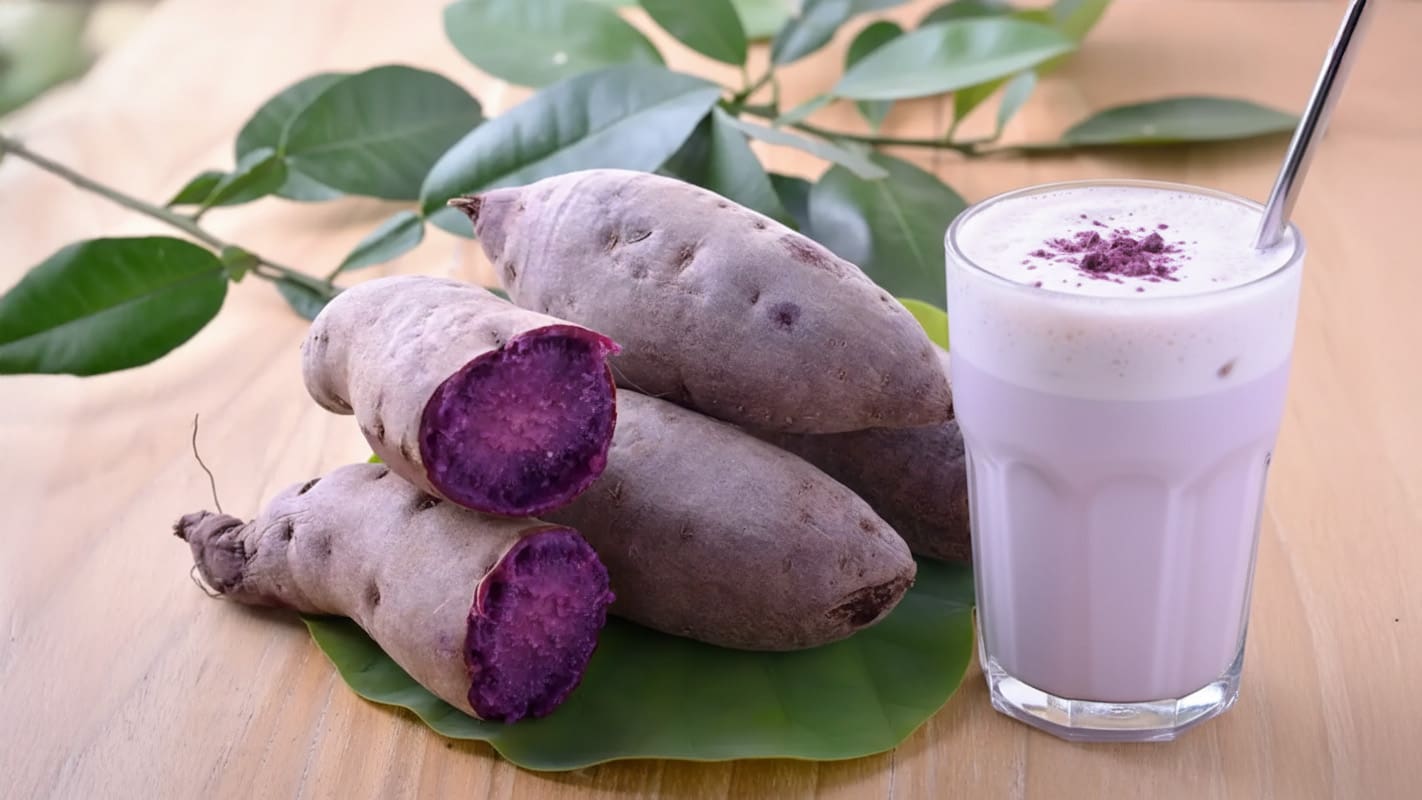
Ube (pronounced “oo-beh”) is a type of purple yam—Dioscorea alata—native to the Philippines, where it’s been cultivated for thousands of years. With an 11,000-year history as a staple food, ube is deeply woven into Filipino culture.
In times of drought and hardship, resilient ube crops sustained entire communities, earning the crop a sacred status and even inspiring rituals of gratitude if a yam was dropped on the ground.

But what most fans around the world actually fall for isn’t plain ube, but ube halaya—an indulgent jam made with mashed ube, butter, sugar, and milk. This jam forms the foundation of a host of beloved Filipino desserts, including cakes, breads, and—now—lattes.
When you taste an ube latte, think subtle vanilla, light nuttiness, and earthy sweetness. The flavors recall pistachio and coconut, wrapped in a creamy, photogenic purple swirl.
From Sacred Crop to Global Star
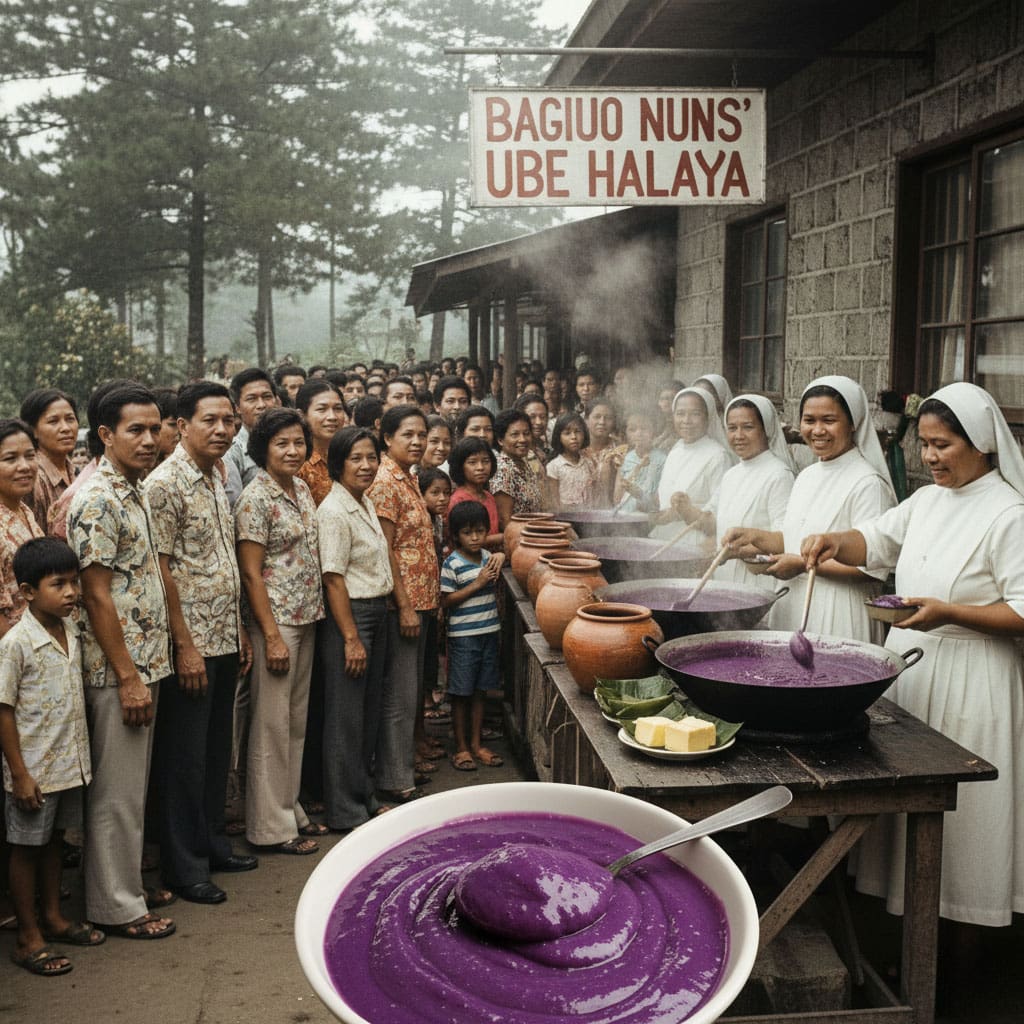
Ube’s journey from regional staple to international phenomenon is as much about community as it is about cuisine. According to LAist, it was in the 1970s that Baguio City nuns in the Philippines perfected ube halaya, pairing traditional roots with carabao (water buffalo) milk and butter.
Lines for this sweet treat would last hours, and the legacy lives on in today’s Filipino food festivals and family gatherings.
But how did a humble yam find its way into global coffee culture? Filipino-American entrepreneurs and chefs helped bridge the gap, introducing their favorite flavors to American menus and beyond, aiming to share—not just assimilate—the essence of their heritage.
The rise of Filipino-owned bakeries and cafes in cities like Los Angeles and New York played a crucial role in giving ube a wider audience. And when social media took note of this bright purple hue, things exploded.
The Social Media Surge
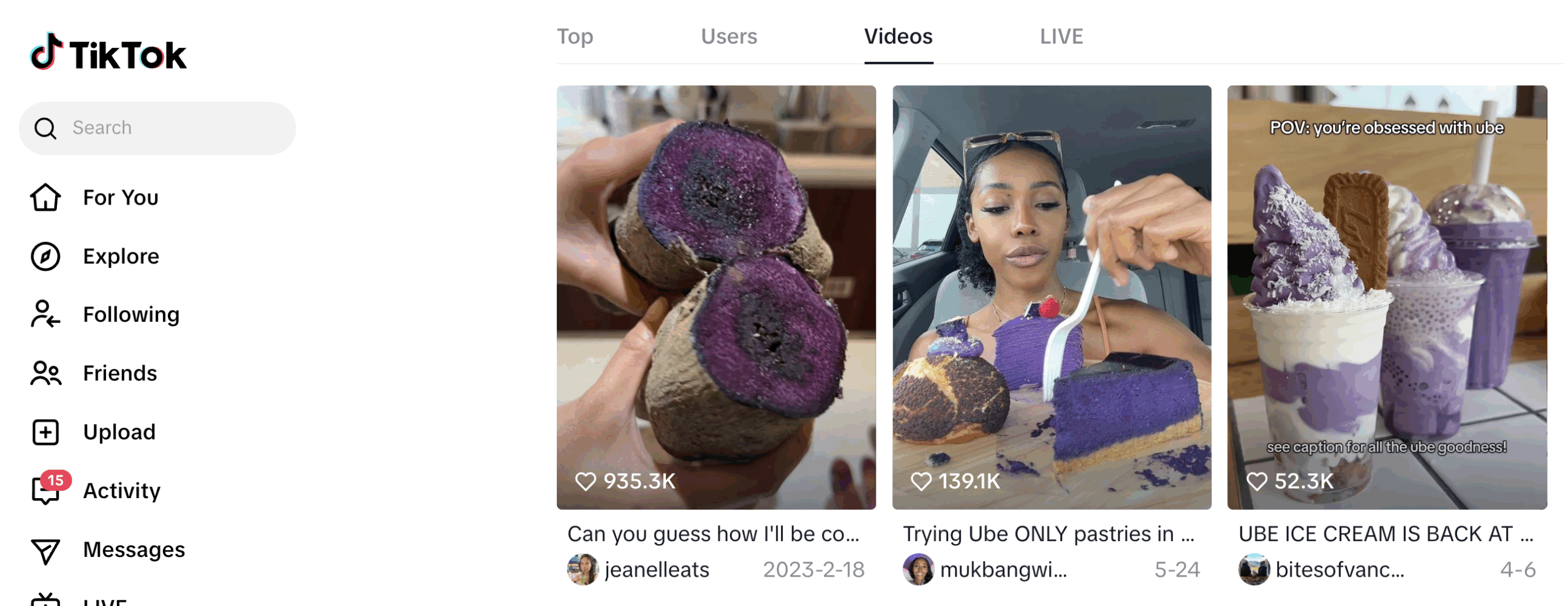
Fast forward to late 2023, when ube went viral on TikTok. By 2025, the hashtag #UbeEverything has garnered over 500 million views, and platforms are filled with reels showcasing ube lattes, pancakes, donuts, ice cream, and cocktails.
Why? Ube’s wild hue is naturally eye-catching (it’s loaded with anthocyanins, the same antioxidants found in blueberries), and its flavor is unique yet approachable: comforting, sweet, and not too strange for new palates.
Craving more ube inspiration? Click below to explore the latest ube videos and recipes on TikTok!
Food & Beverage Magazine notes that major restaurant and café chains spent the first half of 2025 scrambling to add ube options to their menus: milkshakes at burger joints, filled donuts at coffee shops, cheesecakes at casual dining, and lattes everywhere.
The ube latte, in particular, has become a star for its shareability and transformative twist on familiar café flavors.
What Does a Ube Latte Taste Like?
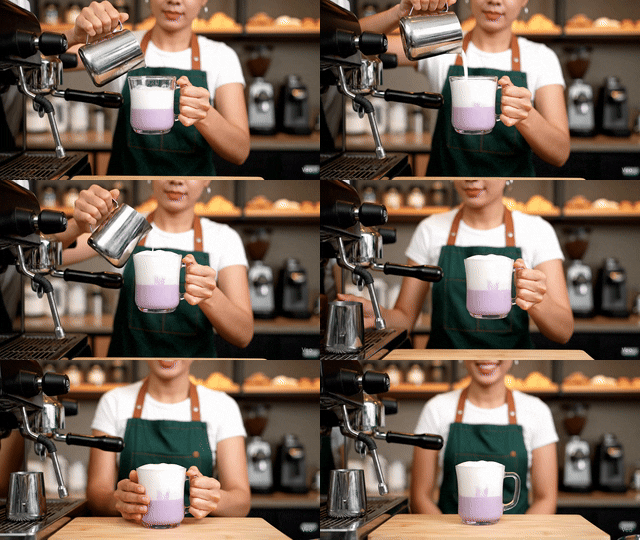
The classic ube latte combines ube extract (or sometimes ube halaya for a more traditional flavor) with espresso and milk—often dairy-free alternatives like oat or almond to let the yams’ character shine.
The result is a layered drink: sweet, earthy, creamy, and caffeinated, often topped with foamed milk or even purple-tinted whipped cream. Some recipes add coconut or vanilla syrup for extra dimension.
Enthusiasts describe the taste as:
- Earthy vanilla: mellow, not overpowering.
- Hints of pistachio and coconut: especially when paired with nut milk.
- Sweet but not heavy: well-balanced with the slight bitterness of coffee.
- Creamy and smooth texture, whether served iced or hot.
Ube Latte Health Benefits
Aside from its beauty and flavor, ube offers some legit health perks. The yam is rich in vitamins A, C, and E, as well as potassium and dietary fiber. Its signature purple color comes from anthocyanins, plant compounds known to support heart health and possibly cognitive function. Some studies even suggest ube’s antioxidants can help protect against DNA damage and inflammation.
Keep in mind, however, that most lattes use ube extract—a concentrated form, sometimes with extra color and flavor—so direct nutritional benefits will depend on the recipe.
Drinks made with actual yams or halaya (the jam/paste) pack a bigger dose of vitamins and fiber, but also contain more sugar and fat compared to traditional recipes.
How To Make an Ube Latte
Want to try making your own? Here’s a barista-style recipe based on popular versions:
Ingredients:
- 1 tsp ube extract (available at Asian or specialty grocers)
- 1 cup ice (for iced version)
- ½ cup almond milk (or any milk)
- 2 shots of espresso (or ½ cup of strong coffee)
- 1 tsp sugar or syrup (optional)
Instructions:
- Add ube extract to a glass. Fill with ice.
- Pour in chilled milk and stir until the mixture is evenly purple.
- Dissolve sugar in hot espresso for a smooth sweetness.
- Pour the sweetened espresso over the ube milk, watching for the swirl.
- Stir gently to combine and enjoy immediately.
Tips:
- For a vegan version, use almond, oat, or coconut milk.
- For a hot latte, heat and froth the milk first, then combine with ube extract and hot espresso.
- Top with coconut whipped cream or a sprinkle of ube powder for extra flair.
Serving, Variations, and Pairings
The iced ube latte is arguably the most popular, but you’ll sometimes see matcha-ube lattes (a blend of matcha and purple yam for two-tone color and grassy notes), boba-topped bubble tea versions, or dessert-style lattes with whipped cream and syrup.
Ube’s adaptability means it pairs beautifully with:
- Savory breakfast foods for a sweet contrast
- Classic Filipino bakery treats (like ensaymada or pan de sal)
- Modern brunch fare, from avocado toast to overnight oats
Cultural Significance and Responsible Enjoyment
As ube rides the social media wave, it’s important to remember its deep roots in Filipino culture. For many Filipinos, ube is more than a trend: it’s about memory, gratitude, sharing, and legacy.
Food & Beverage Magazine and Filipino writers urge fellow enthusiasts to honor that heritage, crediting origin and celebrating ube’s significance—not just its looks.
The Bottom Line
The ube latte is much more than a photogenic fad. It’s a vessel for history, a celebration of diaspora, and a symbol of food’s power to connect cultures. Next time you sip, take a moment to savor not just the flavor—but the generations of story behind the cup.
Whether you’re an adventurous home barista or a café regular, the ube latte is 2025’s must-try drink—both for its taste and for its colorful journey from sacred root to global coffee star.
Sources
- https://laist.com/brief/news/food/ube-this-purple-phenomenon-has-ancient-roots
- https://www.kapwagardens.com/blog/more-than-a-trend-the-history-of-ube
- https://pickyeaterblog.com/ube-latte/
- https://www.fb101.com/from-tiktok-to-table-how-viral-flavors-like-ube-and-pistachio-are-shaping-menus-in-2025/
- https://www.baristamagazine.com/ube-in-your-coffee/
- https://en.wikipedia.org/wiki/Ube_halaya
