
12 min read
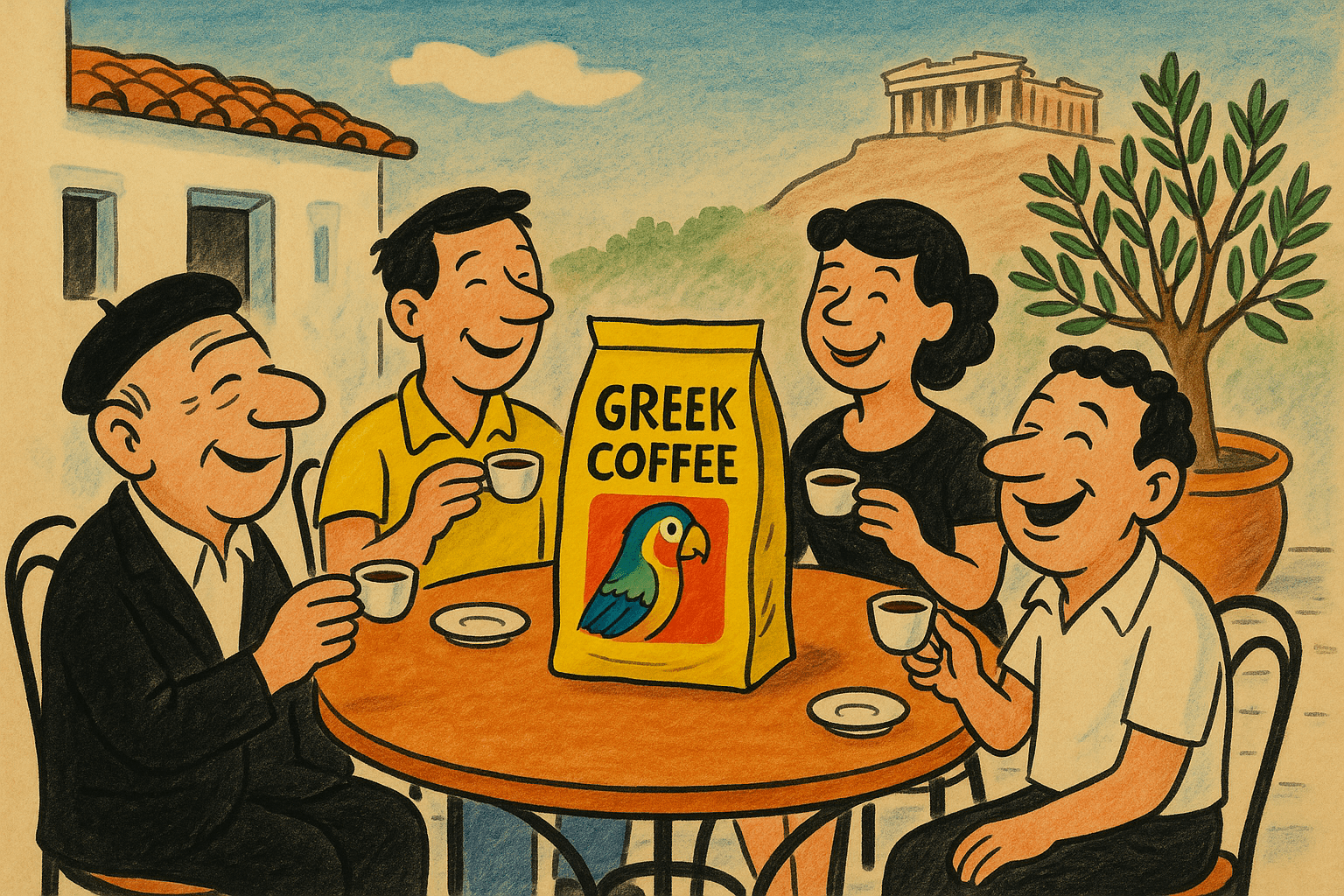
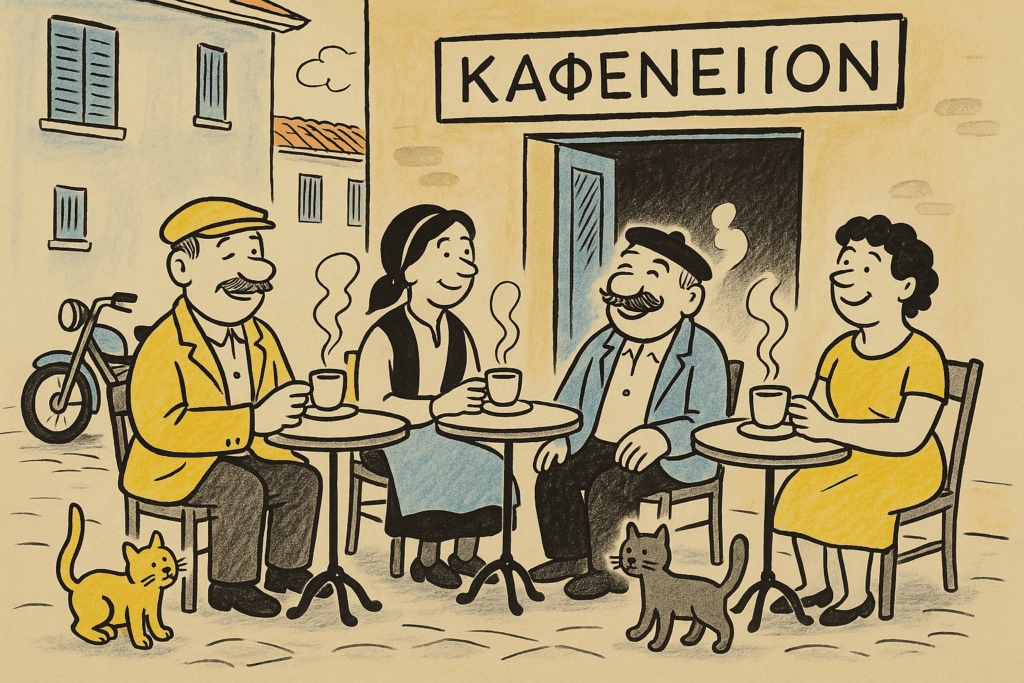
Picture this: You’re walking through the narrow cobblestone streets of Athens, the rich aroma of freshly brewed coffee wafting from every corner café. The sound of animated conversations mingles with the gentle clink of demitasse cups, and you realize you’ve stumbled upon something magical—a coffee culture so deeply rooted in tradition that every sip tells a story spanning centuries.
But here’s the challenge: how do you bring this authentic Greek coffee experience home?

Table of Contents
The Coffee Lover’s Dilemma: Finding Authentic Greek Coffee in a World of Imitations
For coffee enthusiasts seeking to explore beyond their usual brew, Greek coffee presents a tantalizing yet intimidating frontier. Unlike the instant coffee found on grocery store shelves or the familiar espresso drinks at chain coffee shops, authentic Greek coffee requires specific knowledge, preparation methods, and most importantly, the right brands.
The problem facing most coffee lovers is simple yet frustrating: with countless brands claiming to offer “authentic” Greek coffee, how do you separate the genuine article from mere marketing? The stakes are high—choose wrong, and you’ll miss out on one of the world’s most distinctive coffee experiences. Choose right, and you’ll unlock a gateway to Greek coffee culture that has captivated Greek people for generations.
Why Greek Coffee Brands Matter More Than You Think
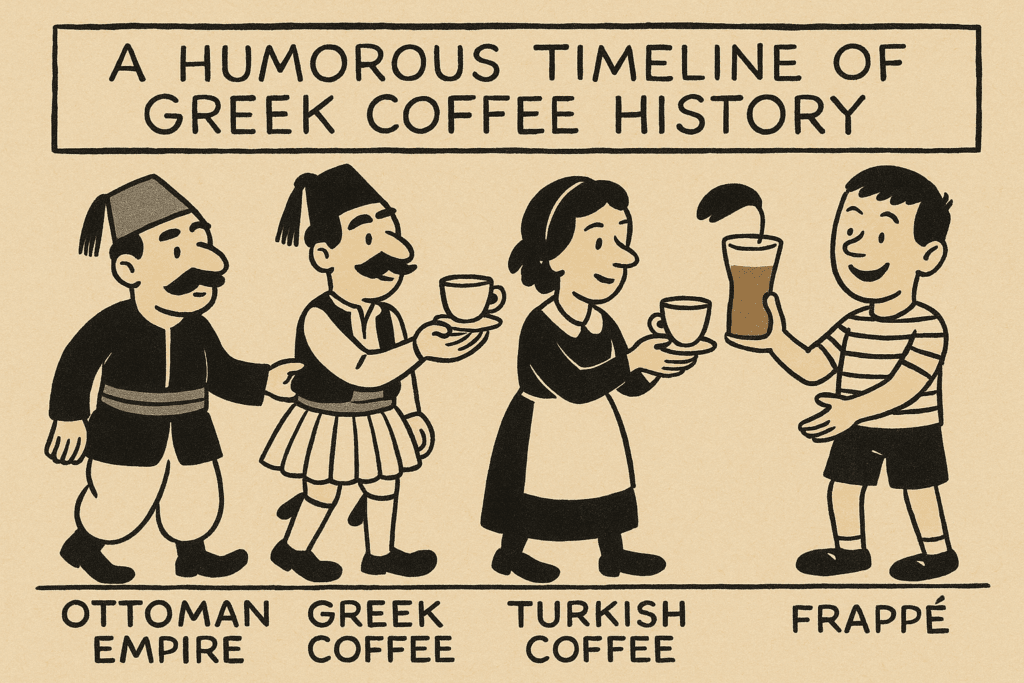
The best Greek coffee brands aren’t just about delivering caffeine—they’re custodians of a cultural tradition that dates back to the Ottoman Empire. Each brand carries the responsibility of preserving the authentic taste profiles, preparation methods, and ritualistic elements that make Greek coffee a cornerstone of Greek culture.
The Definitive Ranking: Best Greek Coffee Brands That Deliver Authentic Excellence
Based on a comprehensive analysis of consumer reviews from Greek coffee communities, expert taste evaluations, cultural authenticity assessments, and historical significance in Greek coffee culture. Sources include specialized Greek food forums, coffee enthusiast discussions, industry awards, and extensive consumer sentiment data.
Traditional Greek Coffee Champions
| Rank | Brand | Founded | Type of Coffee | Key Strengths | Authenticity Score | Availability |
|---|---|---|---|---|---|---|
| 1 | Loumidis Papagalos | 1920s | Traditional Briki | Iconic parrot logo, robust flavor | ★★★★★ | Widely available USA |
| 2 | Bravo Coffee | 1923 | Traditional Briki | Classic taste, innovative packaging | ★★★★★ | International shipping |
| 3 | Nektar Coffee | 1951 | Traditional + Flavored | Award-winning, family-owned | ★★★★★ | Global availability |
| 4 | Rizopoulos Coffee 1901 | 1901 | Multi-format | Century of expertise | ★★★★☆ | Ships to 200+ countries |
| 5 | Archontakis Coffee | 1973 | Traditional Cretan | Island Heritage Recipes | ★★★★☆ | Online retailers |
1. Loumidis Papagalos: The Undisputed King of Traditional Greek Coffee
When Greek coffee aficionados discuss authenticity, one name consistently rises above all others: Loumidis Papagalos. Dating back to the 1920s, this brand, with its instantly recognizable trademark parrot, has earned its place as the #1-selling Greek coffee for nearly a century.
What makes Loumidis Papagalos the most popular traditional Greek coffee? Consumer sentiment analysis from Greek communities worldwide reveals consistent praise for its “robust taste and enticing aroma.” The Loumidis brothers initially established their reputation by opening renowned coffeehouses in the center of Athens during the 1930s, creating a legacy that continues to this day.
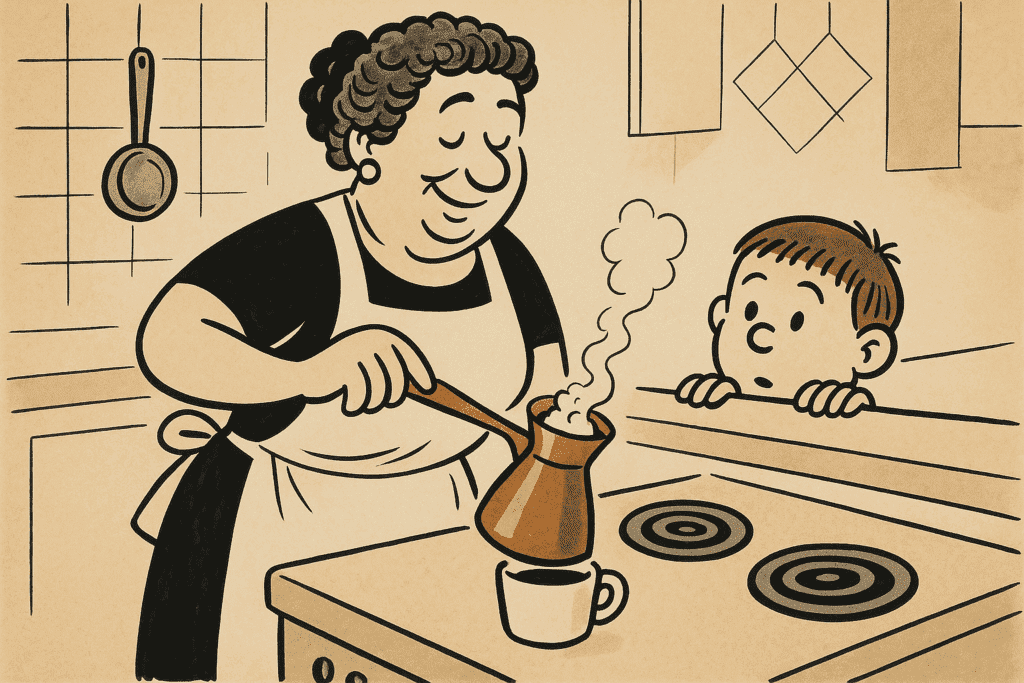
The Papagalos coffee delivers what experts describe as an authentic Greek ground coffee experience, with deep, earthy notes that capture the essence of traditional preparation. Using Yellow Bourbon Arabica beans cultivated at altitudes exceeding 1000 meters, the brand employs a “honey process” that contributes to its distinctive taste profile and ability to create the perfect kaimaki (foam) essential for authentic Greek coffee.
2. Bravo Coffee: The Innovation Pioneer with Traditional Roots
Bravo Coffee has maintained its position as a leading force in the Greek coffee market since 1923, distinguishing itself through groundbreaking packaging innovations while preserving traditional taste. The brand introduced tin packaging in 1953 and foil packaging in 1963, both designed to preserve the fresh ground coffee quality that makes the difference in your perfect cup of coffee.
Consumer reviews consistently describe Bravo as delivering a “richly satisfying cup of flavor” with “strong, rich” characteristics that transport drinkers back to Greece. The slowly roasted beans create a coffee blend featuring specialty Arabica from Guatemala and Brazil, offering nuanced notes of maple syrup sweetness, pecan, milk chocolate, and toffee.
3. Nektar Coffee: Where Tradition Meets Innovation
Nektar Coffee, founded in 1951 and still family-owned, represents the perfect balance between honoring tradition and embracing innovation. This award-winning brand has garnered accolades in both Greek and international competitions, solidifying its reputation for excellence across various levels of sweetness and flavor profiles.
What sets Nektar apart is its unique range that includes traditional Greek-style coffee alongside innovative flavored options featuring scents like Bergamot, mastic, and rose. The conventional Greek coffee delivers a rich kaimaki, a strong aroma, and an aftertaste characterized by notes of nuts, chocolate, and a hint of smokiness. Their blends typically feature Arabica beans from Brazil and Ethiopia, complemented by Robusta from India.
4. Rizopoulos Coffee 1901: Over a Century of Mastery
Rizopoulos Coffee 1901 brings unparalleled experience to the Greek coffee world, with a heritage dating back to 1901, established by Andreas Rizopoulos. This brand exemplifies consistent superior quality through over a century of coffee roasting mastery, utilizing traditional recipes that have remained unchanged across generations.

The brand’s commitment to freshness is evident in its daily roasting process, which utilizes larger machines to fully develop unique flavors and aromas. Beyond traditional Greek ground coffee, they offer specialty espresso blends and an extensive range of filter coffees, including numerous flavored varieties such as vanilla, hazelnut, caramel, chocolate, mastic, amaretto, and Irish cream.
5. Archontakis Coffee: Authentic Cretan Heritage
Archontakis Coffee, rooted in Cretan tradition since 1973, brings the distinctive island heritage to the art of Greek coffee preparation. Based on the island of Crete, this brand prides itself on its commitment to traditional taste and authentic homemade recipes that reveal “aromatic secrets from the very first sip.”
The brand offers a variety of options, including Traditional, Gold, Double, Light (Blonde), Decaffeinated, and Organic varieties, with the Light (Blonde) roast particularly noted for capturing the distinct aroma of the SANTOS variety.
Modern Greek Coffee: The Espresso Revolution
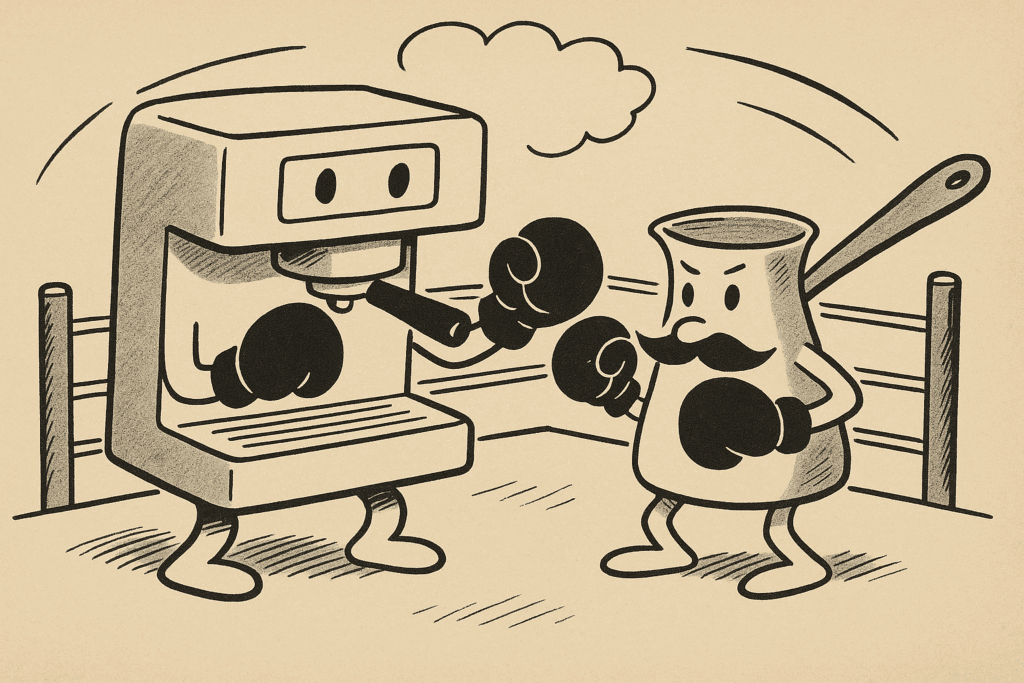
Specialty and Modern Brands Leading the New Wave
| Brand | Focus | Types of Coffee | Key Innovation | Professional Recognition |
|---|---|---|---|---|
| Dimello | Professional Espresso | Espresso, Filter | Renewable energy roasting | 7000+ European cafes |
| Area 51 | Specialty Focus | Microlot Origins | Scientific methodology | High CQI scores |
| Nescafe | Greek Frappe | Instant Coffee | Frappe foundation | Global availability |
Dimello: The Professional Choice
Dimello serves as the flagship brand of Kafea Terra, positioning itself as “the professional espresso coffee choice” within the industry. Their espresso blends are characterized by rich flavor, well-knit body, and intense aroma with notes of chocolate, jasmine, and toasted bread, culminating in dense, velvety crema.
The brand’s extensive presence in over 7000 cafes across Europe underscores its strong professional reputation, making it the go-to choice for freddo espresso and freddo cappuccino preparations in authentic Greek coffee shops.
Area 51: Shaping Specialty Coffee Culture
Area 51 represents the cutting edge of Greek specialty coffee, launched in 2016 with the explicit objective of “shaping the specialty coffee culture.” The brand employs scientific methodology and sources specialty-grade coffee beans from unique geographical origins worldwide, often from microlots or nanolots.
Their “Area 51 Blend” is described as a subtle yet robust, dark roast, full-flavored coffee comprising Colombian Supremo, Kenya AA, and French Roast coffees, perfect for those seeking the most popular coffee experiences with a modern twist.
The Art of Greek Coffee Preparation: Essential Knowledge
Traditional Briki Method
Understanding how to prepare Greek coffee properly is essential for appreciating the best coffee these brands have to offer. The traditional method involves:
| Step | Process | Critical Point |
|---|---|---|
| 1 | Measure hot water using a serving cup | Use a small pot (briki) |
| 2 | Add finely ground coffee powder and sugar | Never stir after heating begins |
| 3 | Heat slowly on medium heat | Watch for foam formation |
| 4 | Remove when the foam reaches the rim | Preserve the kaimaki |
| 5 | Serve in demitasse cups | Allow grounds to settle |
Modern Greek Coffee Variations
Greek frappe preparation requires instant coffee (preferably Nescafé), cold water, ice cubes, and vigorous mixing to create the signature foam. Freddo espresso and freddo cappuccino represent modern innovations, blending espresso with ice to create refreshing cold coffee perfect for hot Greek summers.

Sourcing Authentic Greek Coffee: Where to Find the Best Brands
International Availability and Authenticity
| Retailer Type | Best Greek Coffee Brands Available | Shipping | Authenticity Rating |
|---|---|---|---|
| Nick’s International Foods | Loumidis, Bravo, Venizelos | USA-wide | ★★★★★ |
| Titan Foods | Loumidis Papagalos, Bravo | International | ★★★★★ |
| MyCretanGoods.com | Archontakis | Global | ★★★★☆ |
| Amazon | Multiple brands | Worldwide | ★★★☆☆ |
Ensuring Authenticity and Freshness
When sourcing Greek coffee, prioritize retailers specializing in Greek household imports and Greek cultural products. Look for:
- Ultra-fine grind suitable for briki preparation
- Recent roasting dates (especially important for Rizopoulos coffee)
- Proper packaging preserves aromatic qualities
- Fair Trade or Rainforest Alliance certifications
- Clear preparation instructions for authentic results
Cultural Context: Why These Brands Matter
The History of Greek Coffee and Brand Legacy
The significance of these best Greek coffee brands extends far beyond mere taste. Each brand represents a chapter in the history of Greek coffee, from the Ottoman Empire influences to modern Greek society adaptations. The Loumidis coffee legacy, for instance, directly connects to the immigrant experience and the preservation of cultural identity across generations.
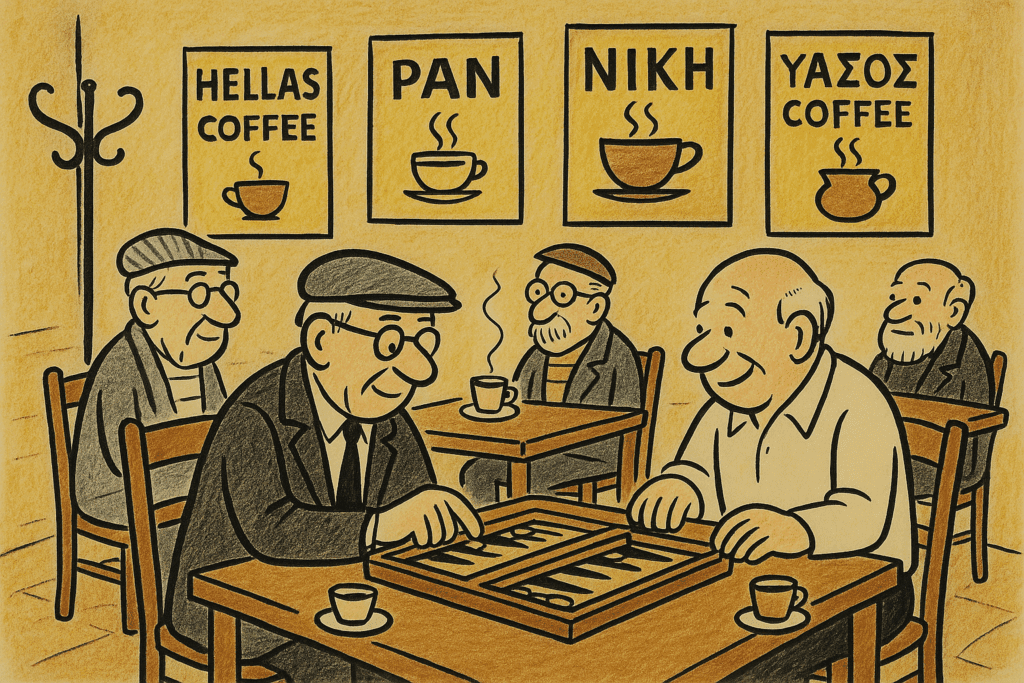
Understanding Greek coffee culture means recognizing that these brands aren’t just products—they’re cultural ambassadors carrying forward traditions that define social interactions, hospitality rituals, and daily life rhythms in Greece and Greek households worldwide.
Making Your Choice: Tailored Recommendations
For the Traditional Purist
Choose Loumidis Papagalos or Bravo Coffee for the most authentic Elliniko experience. These brands deliver the robust, traditional flavors that have defined Greek coffee for generations.
For the Flavor Explorer
Nektar Coffee offers unique aromatic experiences with bergamot, mastic, and rose varieties, perfect for those seeking traditional quality with innovative twists.
For the Modern Coffee Enthusiast
Dimello and Area 51 offer exceptional espresso experiences for preparing freddo espresso and freddo cappuccino.
For the Frappe Fanatic
Nescafe Classic remains the authentic choice for creating the perfect Greek frappé, delivering the characteristic flavor and foaming properties essential for this beloved beverage.
Conclusion: Your Gateway to Greek Coffee Mastery
The journey through Greek coffee is as rich and complex as the culture that gave rise to it. Whether you’re drawn to the traditional ritual of slowly sipping elliniko from demitasse cups or energized by the modern innovation of freddo coffee drinks, the best Greek coffee brands offer authentic pathways to this remarkable coffee culture.
From the iconic trademark parrot of Loumidis Papagalos to the innovative specialty roasts of Area 51, each brand invites you to become part of a tradition that transforms simple coffee grounds and hot water into moments of connection, contemplation, and cultural appreciation.
Next time you prepare your favorite coffee, consider that you’re not just brewing a beverage—you’re participating in a cultural ritual that has brought Greek people together for centuries, one perfectly crafted cup at a time.
Frequently Asked Questions
u003cstrongu003eQ: What’s the difference between Greek coffee and Turkish coffee?u003c/strongu003e
While both use similar ultra-fine grinds and preparation methods in a u003cstrongu003esmall potu003c/strongu003e, Greek coffee (elliniko) has developed its own distinct cultural significance and preparation nuances, separate from those of u003cstrongu003eTurkish coffeeu003c/strongu003e. The main differences lie in cultural context, serving traditions, and specific roasting profiles preferred in each culture.
u003cstrongu003eCan I use regular coffee grounds for Greek coffee?u003c/strongu003e
No, authentic Greek coffee requires an ultra-fine, almost powdery grind that’s much finer than regular coffee grounds. The u003cspan style=u0022box-sizing: border-box; margin: 0px; padding: 0px;u0022u003eu003cstrongu003econsistency of the u003c/strongu003eu003c/spanu003ecoffee powder is essential for proper u003ca class=u0022wpil_keyword_linku0022 href=u0022https://amzn.to/4lOd1Kfu0022 target=u0022_blanku0022 rel=u0022noopener sponsoredu0022 title=u0022brikiu0022 data-wpil-keyword-link=u0022linkedu0022 data-wpil-replace=u0022u0022u003ebrikiu003c/au003e preparation and u003cstrongu003ekaimakiu003c/strongu003e formation.
u003cstrongu003eWhat makes Nescafé so important for Greek frappe?u003c/strongu003e
u003cstrongu003eu003ca class=u0022wpil_keyword_linku0022 href=u0022https://amzn.to/4kFq4Npu0022 target=u0022_blanku0022 rel=u0022noopener sponsoredu0022 title=u0022Nescafeu0022 data-wpil-keyword-link=u0022linkedu0022 data-wpil-replace=u0022u0022u003eNescafeu003c/au003eu003c/strongu003e has specific foaming properties and flavor characteristics that create the authentic frappe experience. u003cspan style=u0022box-sizing: border-box; margin: 0px; padding: 0px;u0022u003eWhile other u003cstrongu003einstant coffeeu003c/strongu003e brands can be used, Nescu003c/spanu003eafé remains the gold standard for achieving the proper foam and taste that defines the Greek frappe.
u003cstrongu003eHow do I know if I’m buying authentic Greek coffee?u003c/strongu003e
Look for established brands like Loumidis, Bravo, or Nektar from reputable Greek food importers. Authentic brands will specify suitability for u003ca class=u0022wpil_keyword_linku0022 href=u0022https://amzn.to/4lOd1Kfu0022 target=u0022_blanku0022 rel=u0022noopener sponsoredu0022 title=u0022brikiu0022 data-wpil-keyword-link=u0022linkedu0022 data-wpil-replace=u0022u0022u003ebrikiu003c/au003e preparation and often include cultural preparation instructions.
u003cstrongu003eWhat’s the proper way to serve Greek coffee?u003c/strongu003e
Traditional Greek coffee is served in u003cstrongu003eu003ca class=u0022wpil_keyword_linku0022 href=u0022https://amzn.to/4lKfy8Zu0022 target=u0022_blanku0022 rel=u0022noopener sponsoredu0022 title=u0022demitasse cupsu0022 data-wpil-keyword-link=u0022linkedu0022 data-wpil-replace=u0022u0022u003edemitasse cupsu003c/au003eu003c/strongu003e (small cups), accompanied by a glass of cold water and often a small sweet treat. The coffee should have a layer of u003cstrongu003ekaimakiu003c/strongu003e (foam) on top, and the u003cstrongu003ecoffee groundsu003c/strongu003e should settle at the u003cstrongu003ebottom of the cupu003c/strongu003e.
