
8 min read
Coffee is more than just a beverage; it’s a ritual for millions worldwide. But what happens after the last drop is savored, and you’re left with a pile of used coffee grounds? Knowing what dissolves coffee grounds is crucial, not just for keeping your coffee maker in top shape but also for maintaining your kitchen plumbing. In this article, we’ll explore what dissolves coffee grounds, from hot water to specialized cleaners, and how to best prevent clogs in your drains.
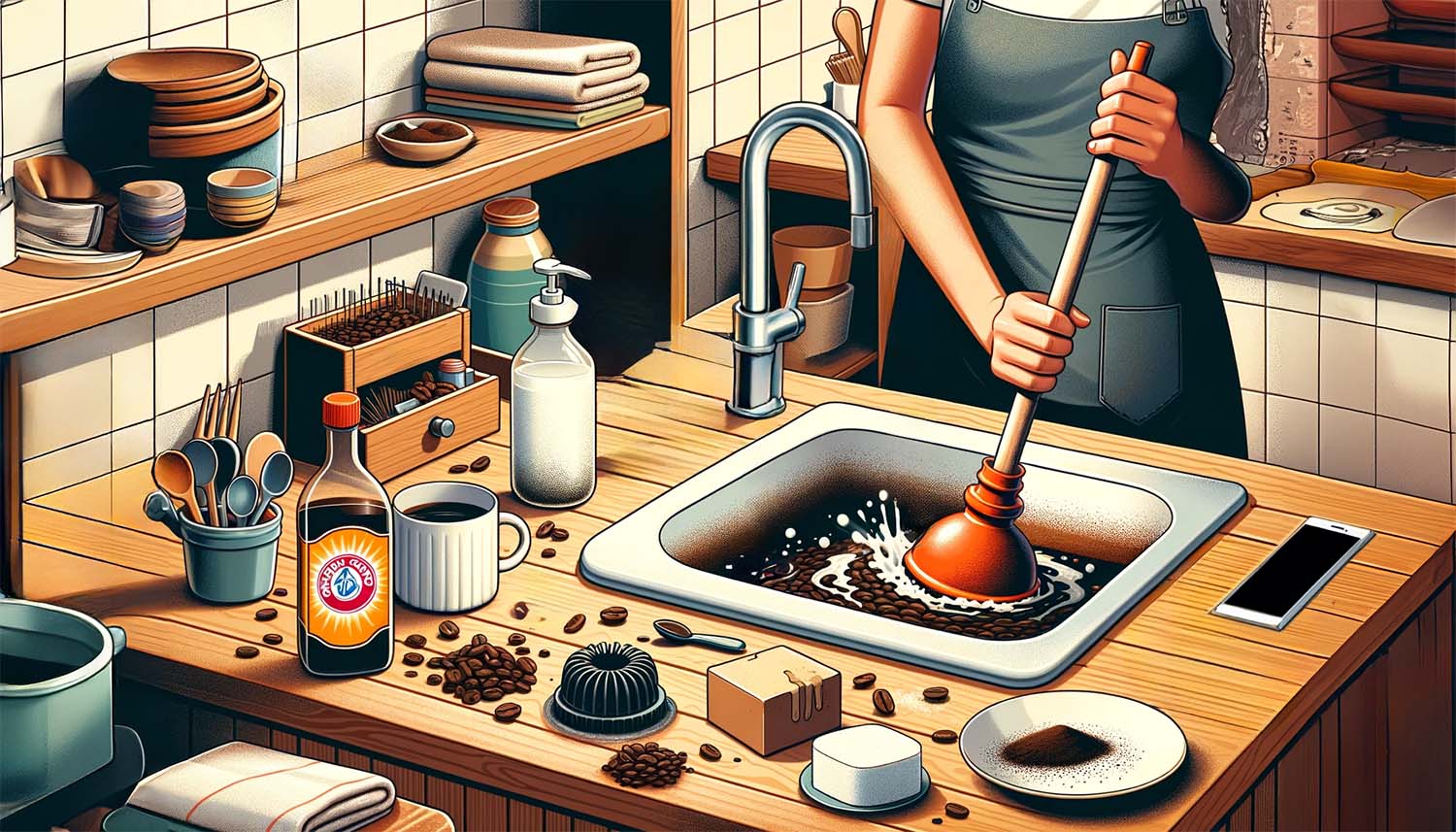
Quick answer: Coffee grounds do not truly dissolve in normal kitchen conditions. Hot water can move a small amount of residue, but it will not dissolve a pile of grounds in a drain. For a clog, remove what you can, flush with hot water only if the drain is still moving, then use a plunger or drain snake before considering chemicals.
| Situation | Best first step | Avoid |
|---|---|---|
| Grounds in a sink or filter basket | Scoop or wipe them into the trash or compost | Pushing them down the drain |
| Slow drain after dumping grounds | Flush with hot water, then plunge | Mixing drain chemicals |
| Standing water or repeated clog | Use a hand snake or call a plumber | More coffee grounds, grease, or harsh chemical combos |
Table of Contents
The Basics of Coffee Grounds and Plumbing
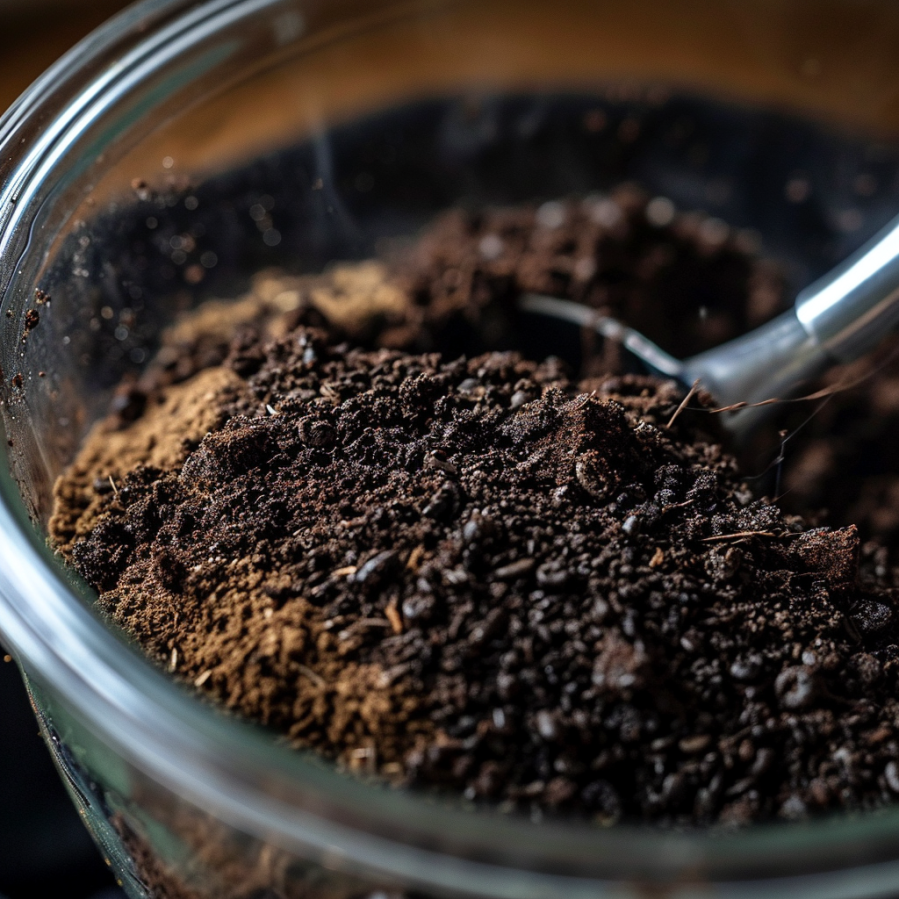
Before diving into dissolution, let’s understand what we’re dealing with. Coffee grounds are a mixture of organic compounds, including oils, that can bind together, especially when wet, forming a dense, sticky mass. When this mass ends up in your kitchen sink or coffee maker, it can lead to clogs and other issues. It’s not just an old wives’ tale; coffee grounds can be a real nuisance.
Safe Ways to Clear Coffee Grounds
1. Hot Water: Your First Line of Defense
The simplest solution is often the best place to start. Hot water can help dissolve some of the soluble parts of coffee grounds, making them easier to flush through your coffee machine or kitchen drain. However, while this method is convenient, it’s not a cure-all. Some grounds will remain, and over time, they can build up.
2. Drain Cleaners: Use Only as a Last Resort
Drain cleaners can damage pipes, splash back, and react dangerously if mixed with another product. If the drain is fully blocked, if you already used one chemical, or if water is backing up, stop and use a plunger, a hand snake, or a plumber instead. If you do use a drain cleaner, follow the label exactly and never combine products.
For coffee-ground clogs, mechanical removal is usually the safer first choice. Chemical options should be treated as backup tools, not the main fix.
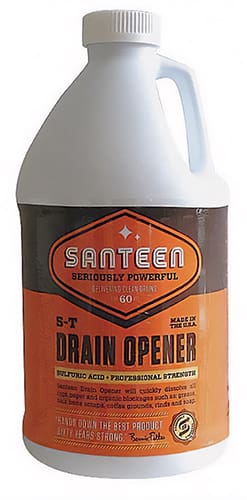
1. Santeen Sulfuric Acid Drain Opener
This is the most potent drain cleaner on the market, capable of dissolving hair, grease, paper products, and even some tree roots. However, it’s extremely dangerous and should only be used as a last resort by experienced professionals. Sulfuric acid can cause severe burns and even death if not handled properly.
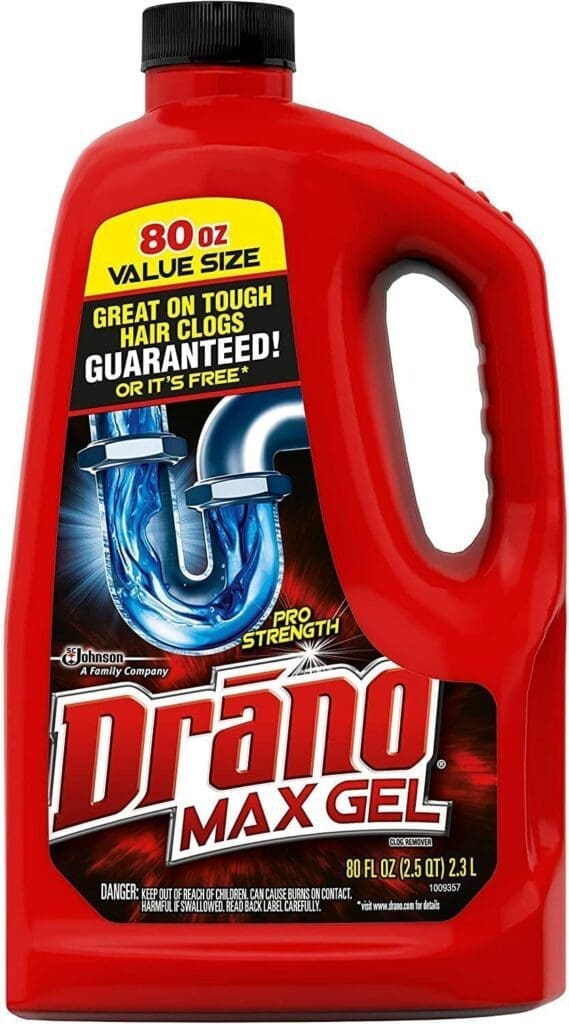
2. Drano Max Gel Drain Clog Remover
This is a popular and effective chemical drain cleaner that can handle most clogs, including hair, grease, and soap scum. It’s important to follow the instructions carefully and avoid using it on aluminum or galvanized pipes.
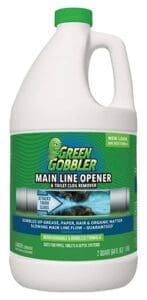
3. Green Gobbler Main Line Opener
This heavy-duty drain cleaner is designed for tougher clogs, like those in main sewer lines. It’s a blend of lye and aluminum flakes that can generate heat and melt through even the most stubborn blockages. However, it can also be dangerous to use and should only be used as a last resort.
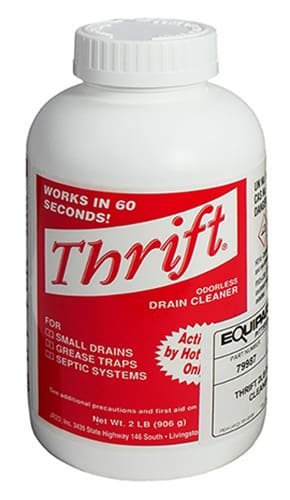
4. Thrift Marketing T-200 Drain Cleaner
This crystal drain cleaner is a fast-acting option that can dissolve hair, grease, and soap scum in as little as 60 seconds. It’s safe for most pipes and septic systems, but it’s important to avoid using it in toilets or garbage disposals.
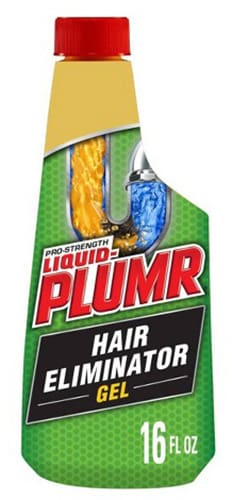
5. Liquid-Plumr Hair Clog Eliminator
This gel drain cleaner is specifically designed to target hair clogs. It’s effective and easy to use, but it’s not as powerful as some of the other options on this list.
3. Baking Soda and Vinegar: A Natural Alternative
For those looking for a gentler approach, a mixture of baking soda (an alkaline powder) and vinegar (acetic acid) can create a fizzy reaction that helps break down and dislodge coffee grounds. This method is safer for your pipes and the environment but might require a few repetitions for significant clogs.
4. Mechanical Methods: Plungers, Drain Snakes, and More
Sometimes, you need to get physical. A sink plunger or drain snake can be effective at dislodging coffee clogs, especially when combined with other methods. These tools can reach deeper into your plumbing than chemical solutions and provide immediate relief from clogs.
5. Prevention
I know, I know. This isn’t why you’re here. But, the best method for dealing with coffee grounds is to prevent clogs before they start. Instead of sending them down the drain, consider alternative methods like adding them to a compost bin, using them in your garden as fertilizer, or even as a natural deodorizer. For coffee machines, regular descaling and cleaning with appropriate solutions can prevent buildup.

Professional Help: When to Call a Plumber
Sometimes, despite your best efforts, a clog will persist, indicating a deeper issue. In these cases, it’s best to call professional plumbers. They have the tools and expertise to safely and effectively remove clogs without damaging your plumbing.
Alternative Uses for Spent Coffee Grounds
There are numerous creative and practical ways for consumers to repurpose used coffee grounds, turning what would be waste into valuable products for home and personal use. Here’s a comprehensive list of consumer solutions:
Fertilizer and Compost:
- Plant Fertilizer: Coffee grounds contain nutrients beneficial to plants, including nitrogen, potassium, and phosphorus, making them an excellent addition to your garden as fertilizer.
- Compost: Adding coffee grounds to your compost bin is an easy way to reduce waste. They add essential nitrogen to the compost, helping to break down organic materials into rich, nutrient-dense fertilizers.
🪴 Note: I recently wrote a post about which houseplants like coffee grounds. So, if you’re looking to make a fertilizer out of your spent grounds, be sure to check out my guide!
Skin Care and Beauty Products:
- Exfoliants: The abrasive texture of coffee grounds makes them perfect for skin scrubs. You can mix coffee grounds with ingredients like sugar and coconut oil to create a nourishing and natural exfoliant.
DIY Home Products:
- Homemade Candles: Incorporate used coffee grounds into candle-making for a delightful coffee scent. This not only recycles the grounds but also enhances your home’s ambiance.
- Cleaning Scrub: Coffee grounds can be used as a scrubbing agent due to their abrasive texture. They can help remove residue and buildup on hard-to-clean surfaces.
Odor Neutralizer:
- Deodorizing Agent: The nitrogen in coffee grounds helps eliminate odors. You can use them in your refrigerator, freezer, or other areas to absorb and neutralize unpleasant smells.
Craft and Art Supplies:
- Natural Dye: Coffee grounds can be used as a natural dye for fabric, paper, or even Easter eggs. The rich brown color can provide an antique or vintage look to your materials.
- Monochrome Paint: Mix coffee grounds with water to create a paint-like solution for monochrome artwork. This can be a fun and eco-friendly way to engage in art projects.
These methods not only give a second life to the coffee grounds but also offer an eco-friendly alternative to traditional products and methods, aligning with a more sustainable lifestyle. By adopting these practices, consumers can contribute to waste reduction and enjoy the benefits of their coffee beyond just the beverage.
FAQ: What Dissolves Coffee Grounds?
Can I just flush coffee grounds down the sink with water?
Flushing coffee grounds down the sink can lead to clogs over time. While a little running water and hot water can reduce residue, it’s generally better to dispose of grounds in a compost bin or trash.
Are there any coffee makers that can dissolve grounds themselves?
Most coffee makers are not designed to dissolve grounds. Regular cleaning and maintenance are the best ways to prevent clogs and buildup in your machine.
What’s the best way to prevent coffee grounds from clogging my sink?
The best method is to avoid putting them down the sink altogether. Use a compost bin, trash them, or find creative ways to reuse them in your home or garden.
The Bottom Line
This article is crafted to provide you with a comprehensive understanding of what dissolves coffee grounds and how to prevent related issues. From everyday solutions to professional advice, you’re now equipped with the knowledge to keep your coffee routine smooth and your drains clear. Whether you’re a home barista or a professional in a busy coffee shop, these insights will help ensure that your love for coffee doesn’t turn into a plumbing nightmare.
