
4 min read
Table of Contents

Inside the Bean: Where Flavor Begins
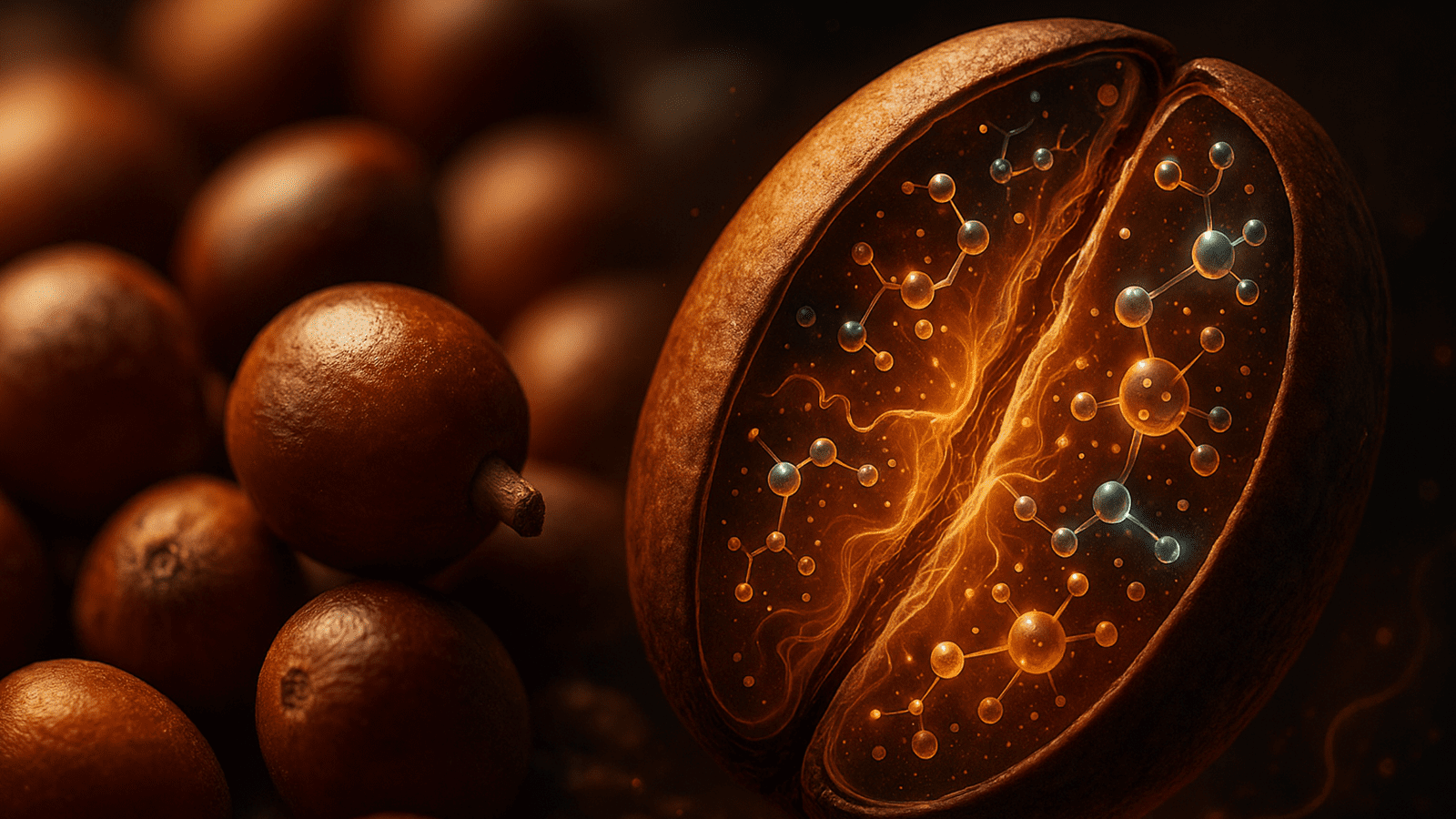
Coffee beans are seeds packed with carbohydrates, proteins, lipids, and acids.
During coffee fermentation, these compounds interact with microbial metabolites—especially ethanol, lactic acid, and acetic acid—produced by yeasts and bacteria.
The combined effects of heat, moisture, and acid stress trigger enzymatic reactions within the bean. These reactions generate flavor precursors that, when roasted later, transform into recognizable notes such as caramel, chocolate, fruit, or spice.
Enzyme Activation and Seed Death
When fermentation starts, oxygen exposure and rising temperature cause the seed embryo to die.
This “bean death” activates endogenous enzymes such as:
- Proteases — break down storage proteins into amino acids.
- Invertases and amylases — convert polysaccharides and sucrose into simple sugars.
- Polyphenol oxidases — oxidize phenolic compounds, reducing bitterness and forming brown pigments.
These changes turn a living seed into a flavor reservoir. Without fermentation-induced enzyme activity, coffee would roast flat and grassy instead of complex and aromatic.
Organic Acids: The Backbone of Coffee’s Taste
Microbial metabolism produces a variety of organic acids that migrate into the bean:
| Acid | Produced By | Flavor Impact |
|---|---|---|
| Lactic acid | Lactic acid bacteria | Smooth, creamy body |
| Acetic acid | Acetic acid bacteria | Sharp, bright acidity |
| Citric acid | Naturally present in pulp | Fruity, citrus-like |
| Malic acid | Derived from sugars | Apple-like tartness |
| Succinic acid | Yeast metabolism | Savory, umami depth |
These acids influence the sensory balance between sweetness, brightness, and bitterness. The ratios vary depending on fermentation time, aeration, and the composition of the microbial community.
Sugar and Amino Acid Chemistry
Sugars and amino acids formed during fermentation are essential for the Maillard reactions that occur during roasting.
This non-enzymatic browning process generates hundreds of volatile aroma compounds.
Key flavor pathways include:
- Amino acids + reducing sugars → melanoidins, which create body and color.
- Phenolic precursors → chlorogenic acid derivatives, responsible for bitterness and aroma.
- Sulfur-containing amino acids → thiols and pyrazines, contributing nutty or roasted notes.
The more balanced and complete the fermentation, the richer and more layered these flavor precursors become.
Temperature, pH, and Time: The Chemical Controls
The biochemistry of coffee fermentation depends on a few controllable variables:
- Temperature:
- Below 30°C → slower enzyme activity, cleaner acidity.
- 40–50°C → faster reactions, risk of over-fermentation.
- pH:
- Gradually drops from 6.5 to 4.0, influencing enzyme efficiency and acid diffusion.
- Time:
- Too short: underdeveloped flavor.
- Too long: excessive acetic acid and undesirable sourness.
Producers use these factors to fine-tune flavor outcomes—adjusting tank size, airflow, and turning frequency to manage heat and acidity.
Fermentation’s Aftermath: Roasting the Precursors
Once fermentation and drying are complete, coffee beans contain the raw chemical blueprint of flavor.
Roasting then accelerates thermal reactions that convert those precursors into complex aroma compounds such as:
- Furans — caramel and toffee notes
- Aldehydes — nutty, bread-like aromas
- Ketones and esters — fruity sweetness
- Pyrazines — roasted or chocolate tones
The intensity and balance of these compounds depend heavily on how well the fermentation stage prepares the bean.
Why Controlled Fermentation Enhances Biochemistry
Traditional, spontaneous fermentations vary widely, but controlled methods—using selected microbial starters and defined conditions—produce more consistent biochemistry:
- Stable acid production → predictable pH drop.
- Targeted enzyme activity → optimal sugar–amino acid ratio.
- Reduced spoilage → fewer off-flavor compounds.
The result is better repeatability, cleaner cup profiles, and higher quality for specialty markets.
Key Takeaways
- Coffee flavor precursors form inside the bean during fermentation.
- Enzymes break down proteins and sugars into compounds that later react during roasting.
- Acids, heat, and microbial metabolites shape flavor balance and aroma potential.
- Controlled fermentation helps optimize these biochemical reactions for consistency and quality.
