
9 min read
Coffee Basics · Comparison
Cappuccino
vs Mocha
Flavor, chocolate, and which to order.
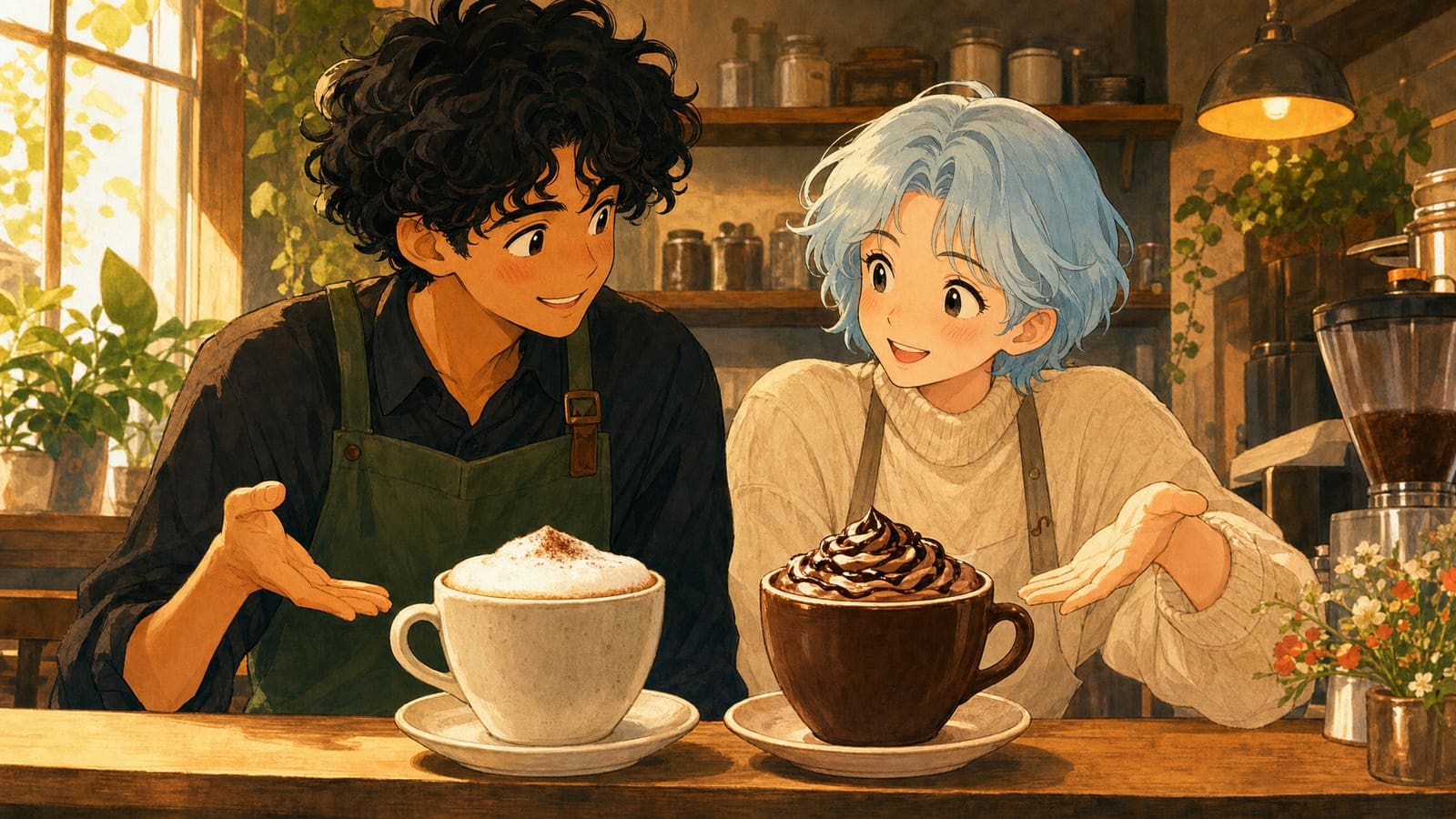
Both drinks use espresso and milk, but mocha adds chocolate and usually more milk. This guide compares flavor, sweetness, calories, and caffeine so you can order the one that fits you best.
A cappuccino and a mocha can start with the same espresso base, but they land very differently in the cup.
The biggest differences are chocolate, sweetness, and milk volume. A cappuccino is drier and more coffee-forward. A mocha is softer, sweeter, and closer to a dessert drink. For the base drink definitions, see the cappuccino and latte guides.
A cappuccino is equal parts espresso, steamed milk, and foam — bolder, smaller, and typically lower in sugar. A mocha is espresso and steamed milk with chocolate added — sweeter, richer, and usually more calorie-dense. Caffeine is similar if the shot count is the same. The real decision: do you want chocolate in your coffee?
- Cappuccino — the base definition and classic ratio
- Latte — the core milk-drink glossary page
- Breve latte — how half-and-half changes the drink
- Café au lait — another milk-forward coffee drink with a different base
What Is a Cappuccino?

The most classic ratio in espresso — and the one most people approximate wrong.
A cappuccino is built on one rule: equal parts espresso, steamed milk, and milk foam, served in a 5–6 oz cup. That ratio gives it its distinctive texture — dense and velvety on top, with foam that holds its shape. Most baristas pull a single or double shot as the base, then steam whole milk to create both the liquid layer and the airy cap on top.
A cappuccino contains no added sugar or flavoring by default. The flavor is clean, slightly bitter, and creamy — the espresso comes through clearly, unsoftened.
- Dry cappuccino — more foam, less steamed milk; stronger flavor, lighter texture
- Wet cappuccino — more steamed milk, less foam; closer to a small latte
- Bone dry — foam only, no steamed milk at all
What Is a Mocha?

Essentially a latte with chocolate built in — and the chocolate changes everything.
A mocha — sometimes called a café mocha or mocha latte — is espresso and steamed milk with chocolate added. The chocolate is usually syrup, occasionally cocoa powder or melted chocolate. Whatever the form, it transforms the flavor entirely: sweeter, heavier, richer. A standard mocha comes in a larger cup, uses more steamed milk, and often gets a whipped cream finish.
Some shops offer a white chocolate mocha, which swaps in white chocolate syrup — sweeter still, with a more vanilla-forward flavor. Both versions use the same espresso base; it’s the chocolate that defines the drink.
On the name: Mocha beans are a real variety of coffee from the port city of Mocha in Yemen, historically known for a natural chocolatey flavor. Modern café mochas don’t necessarily use those beans — the chocolate in your drink comes from added ingredients, not the coffee itself.
Get the 21-Day Coffee Glow-Up Recipe Book
Make your morning coffee feel like a treat again: 21 coffee-shop-style recipes you can make at home, with hot, iced, creamy, cozy, and Java Burn-friendly options.
- 21 craveable coffee recipes
- Simple flavor formulas and shopping list
- 7-day coffee glow-up plan
You are in. Grab the recipe book, then check your inbox to confirm the coffee newsletter.
Download the free recipe bookAlready subscribed? Open the recipe book here.
Why readers save it: It gives them recipes first, not hype first. Java Burn stays optional and label-directed, while the download gives them a better coffee routine they can use right away.
What happens next: MailPoet adds them to the Golden Lamb Coffee Newsletter, sends the welcome email, and includes them in the weekly coffee tips nurture sequence.
Educational download. Not medical advice. Java Burn is a dietary supplement; read the label and ask a qualified professional if you use supplements, take medication, or manage a health condition.
Key Differences at a Glance
The same espresso base — different everything else.
| Category | Cappuccino | Mocha |
|---|---|---|
| Base | Espresso + steamed milk + foam | Espresso + steamed milk + chocolate |
| Flavor | Bold, slightly bitter, creamy | Rich, sweet, chocolatey |
| Sweetness | None — unsweetened | Moderate to high |
| Milk ratio | Equal thirds | More milk, less foam |
| Typical size | 5–6 oz | 8–12 oz |
| Calories | Lower (~80 kcal) | Higher (~290 kcal) |
| Caffeine | 60–120 mg (1–2 shots) | 60–120 mg + trace from chocolate |
Caffeine is essentially the same in both drinks. The difference is sweetness, chocolate, and milk weight — not the espresso underneath.
The Espresso Spectrum
A mocha sits between a latte and hot chocolate in sweetness. A cappuccino sits between a macchiato and a latte in milk weight.
More steamed milk, minimal foam, no chocolate. Smoother and milder than both.
Espresso with just a splash of foam or milk. Stronger and less milky than a cappuccino.
A small concentrated latte with microfoam instead of thick foam. No chocolate.
No espresso at all. If you want the chocolate without the coffee, this is the call.
Which One Should You Order?
Neither is better — they’re built for different moods and different palates.
Order a Cappuccino if…
- You want to taste the espresso clearly
- You prefer drinks that aren’t sweet
- You like a smaller, concentrated coffee experience
- You’re watching calories or added sugar
Order a Mocha if…

- You love chocolate and want it central to the drink
- You find straight espresso too harsh or bitter
- You’re in the mood for something closer to a dessert drink
- You’re easing into espresso drinks and want something familiar
A chocolate lover who finds black coffee too harsh will reach for a mocha every time. A coffee drinker who wants the beans to do the talking will almost always prefer a cappuccino.
Questions Worth Answering
Not significantly. Both drinks are typically built on one or two shots of espresso — usually 60–120 mg per shot depending on the beans and the pull. The mocha’s added chocolate contributes a negligible trace of additional caffeine. If you’re choosing between them for caffeine reasons, the shot count matters far more than the chocolate.
In terms of coffee flavor, yes. A cappuccino has no sweetener to mask the espresso, so it tastes bolder and more intense. A mocha uses the same espresso base but the chocolate and extra milk soften the coffee’s edge considerably — to the point where it can read more like a chocolate drink than a coffee drink.
They’re usually the same drink. “Mocha latte” is sometimes used to emphasize the latte-style milk ratio, but most coffee shops use “mocha” and “café mocha” interchangeably. If you order a mocha anywhere, you’re getting espresso + steamed milk + chocolate.
A proper cappuccino requires an espresso machine for the shot and ideally a steam wand for the milk. You can approximate one at home using a stovetop moka pot and a milk frother. A mocha is more forgiving — strong brewed coffee, chocolate syrup, and hot milk frothed with a handheld frother gets you reasonably close.
Mocha, without question. The chocolate smooths out the bitterness and adds sweetness. A cappuccino is deliberately bold and unsweetened — that’s exactly what makes it appealing to espresso drinkers, and less ideal for those who find coffee too sharp or intense on its own.
One Question.
One Answer.
Do you want chocolate in your coffee? If yes — mocha. If no — if you want the espresso front and center with just enough milk to round it out — cappuccino is the cleaner, bolder choice. Both are excellent. Now you know exactly what you’re getting either way.
