
4 min read
Arabica coffee is the backbone of specialty brews, known for its depth, balance, and smooth sweetness. If you’re wondering what Arabica is or how it affects your daily cup, this guide breaks it down—from its Ethiopian origins to practical tips for choosing and brewing. It explains why Arabica dominates global production and how to get the most from it at home.
Defining Arabica: Core Elements
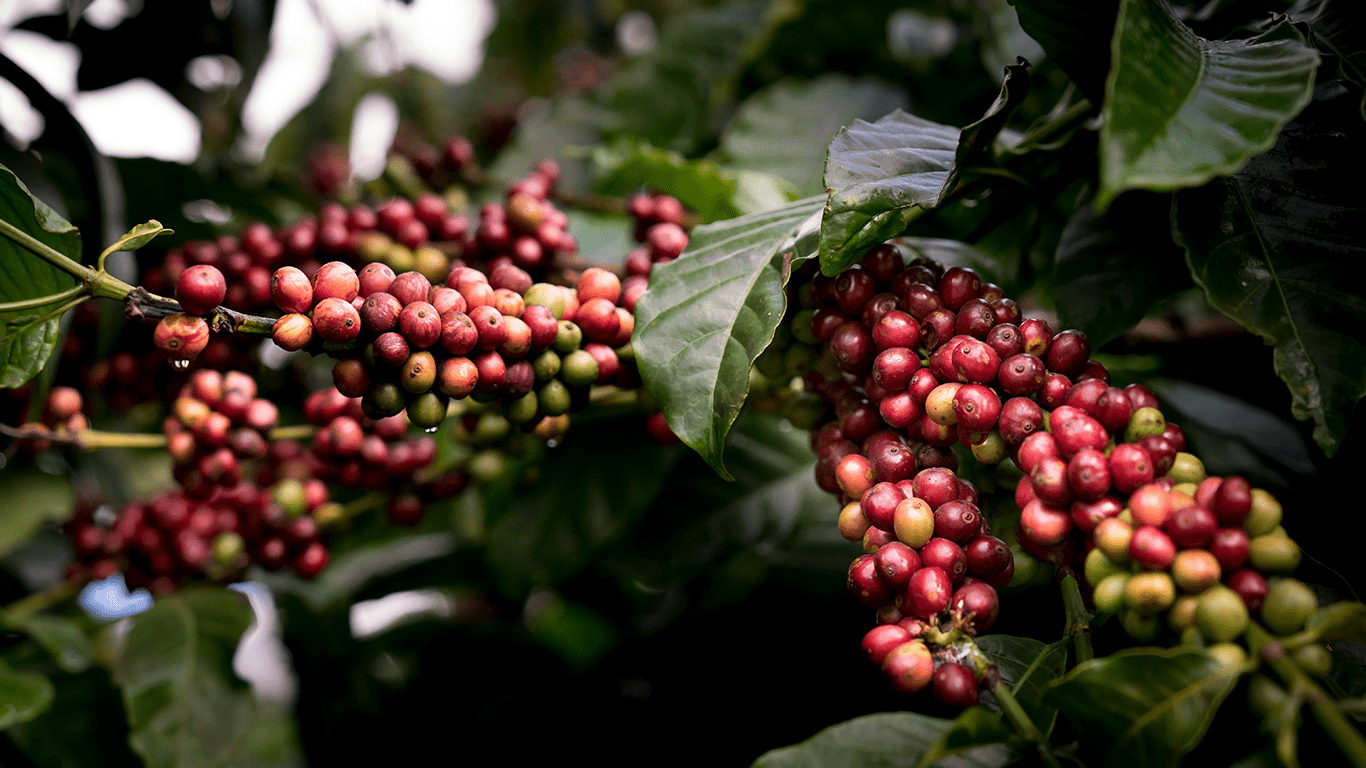
Arabica coffee comes from the Coffea arabica plant, which makes up about 70% of the world’s coffee supply. These oval-shaped beans grow best at high elevations—typically 600 to 2,000 meters—where cooler climates encourage slower development and better flavor.
Compared to Robusta, Arabica tends to be:
- Less bitter
- Lower in caffeine (around 1.2–1.5%)
- Higher in acidity, with cleaner and fruitier notes
Because of its smoother profile, Arabica appears in premium single-origin coffees, espresso blends, and light-to-medium roasts that highlight origin flavors.
The Origin of Arabica: A Short History
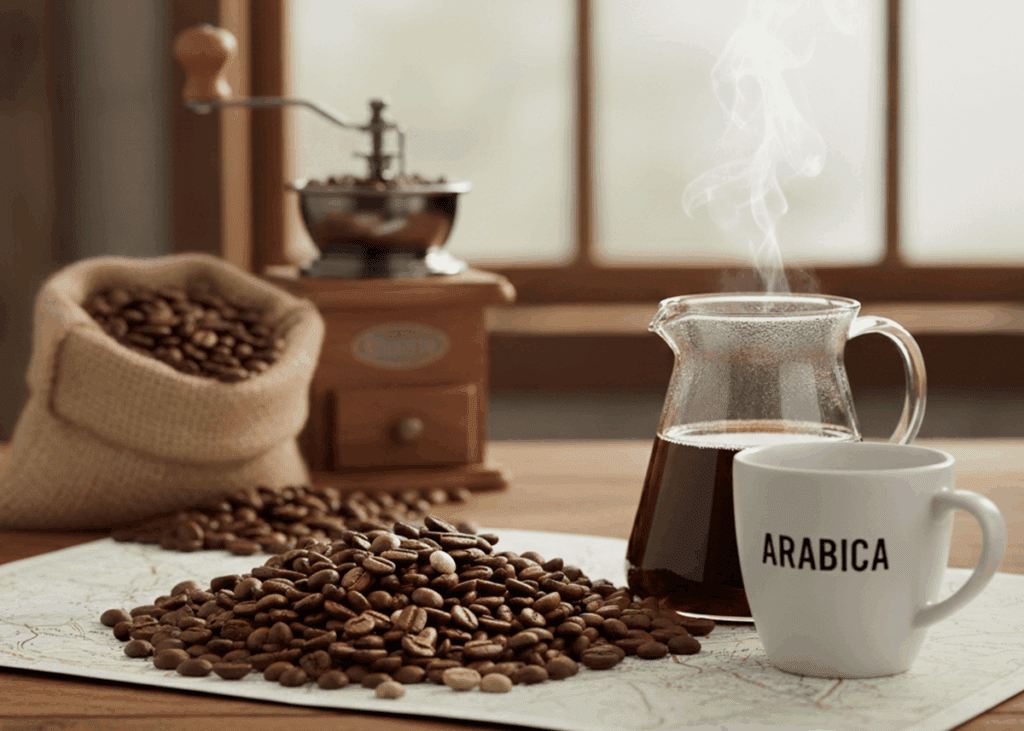
Arabica originated in Ethiopia’s highland forests around the 9th century. The well-known story of Kaldi the goatherd comes from this region, though the tale is more legend than record.
From Ethiopia, Arabica traveled to Yemen, where coffee cultivation became established. Yemen’s ports spread the beans across the Middle East and into Europe—giving Arabica its name. By the 17th century, it had taken hold across the globe.
Today, major Arabica-growing regions include:
- Ethiopia
- Colombia
- Brazil
- Guatemala
- Costa Rica
High elevation, volcanic soil, and shade-growing practices continue to shape the best Arabica coffees.
Key Features of Arabica
Arabica is known for its refined balance and aromatic complexity. A few core traits define it:
Shape and Size
Oval, slightly larger beans with a curved center crease.
Flavor Profile
Sweet, bright, and layered—ranging from floral and citrusy to chocolatey or berry-forward.
Growing Conditions
Prefers cooler temperatures (15–24°C), steady rainfall, and higher altitudes.
Yield
Lower-producing than Robusta and more susceptible to pests, which contributes to its higher price.
These features make Arabica a favorite for coffee drinkers who want depth and clarity in flavor.
How to Choose and Brew Arabica: Basic Guide
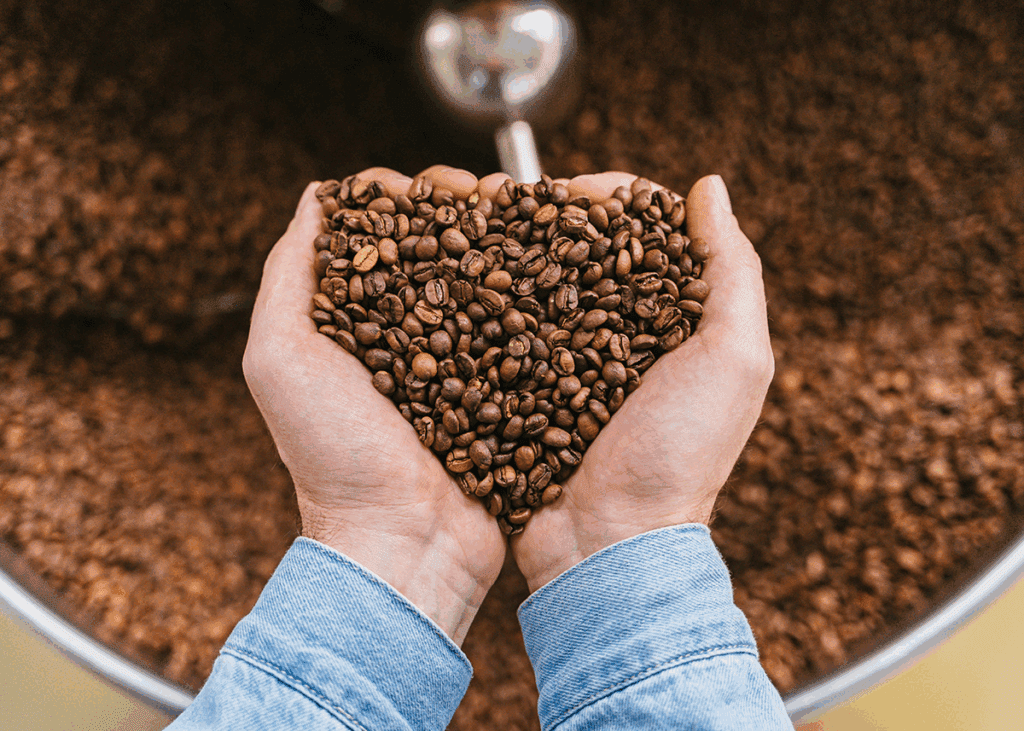
Selecting good Arabica starts with checking the origin, roast date, and roaster reputation. Single-origin bags are helpful when you want distinct regional character.
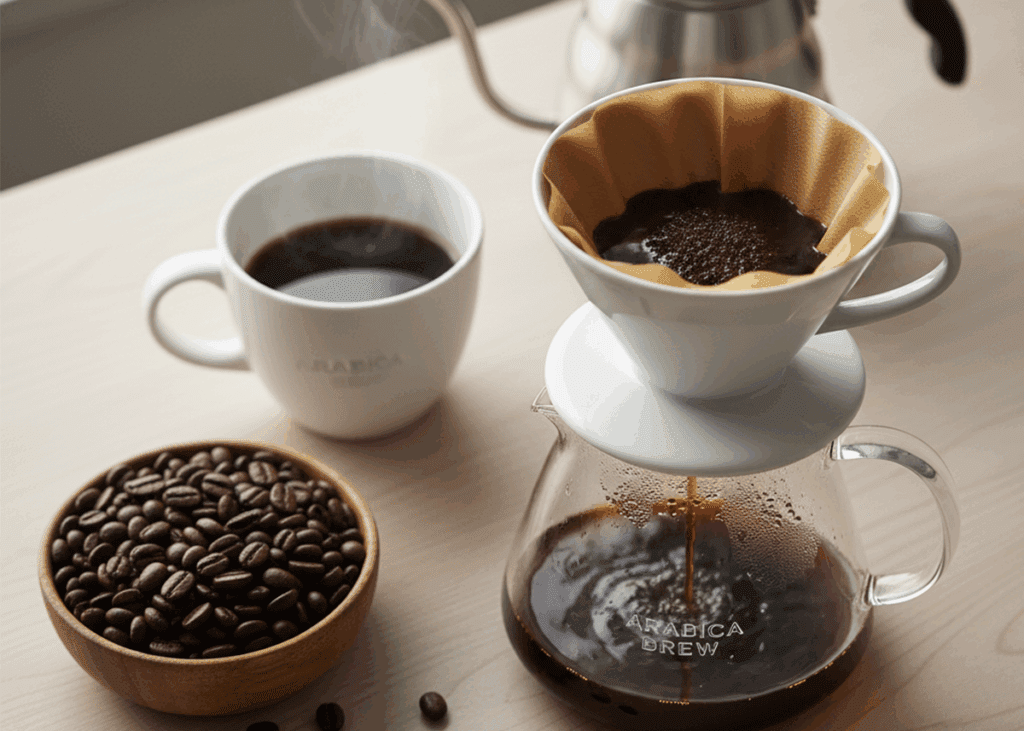
Below is a simple pour-over method for one cup.
Essentials
- 15 g medium-ground Arabica beans
- 250 ml filtered water at 92–96°C
- Pour-over dripper and filter
Steps
- Grind Fresh
Use a medium grind to match the slower extraction of a pour-over. - Bloom
Pour about 30 ml of hot water over the grounds. Let them bloom for 30 seconds. - Brew
Add the remaining water in slow circles over 2–3 minutes. - Enjoy
Drink it black to get the clearest expression of origin and roast.
Store beans in an airtight container away from heat and light. For expanded comparisons, see this comparison guide.
Variations on Arabica
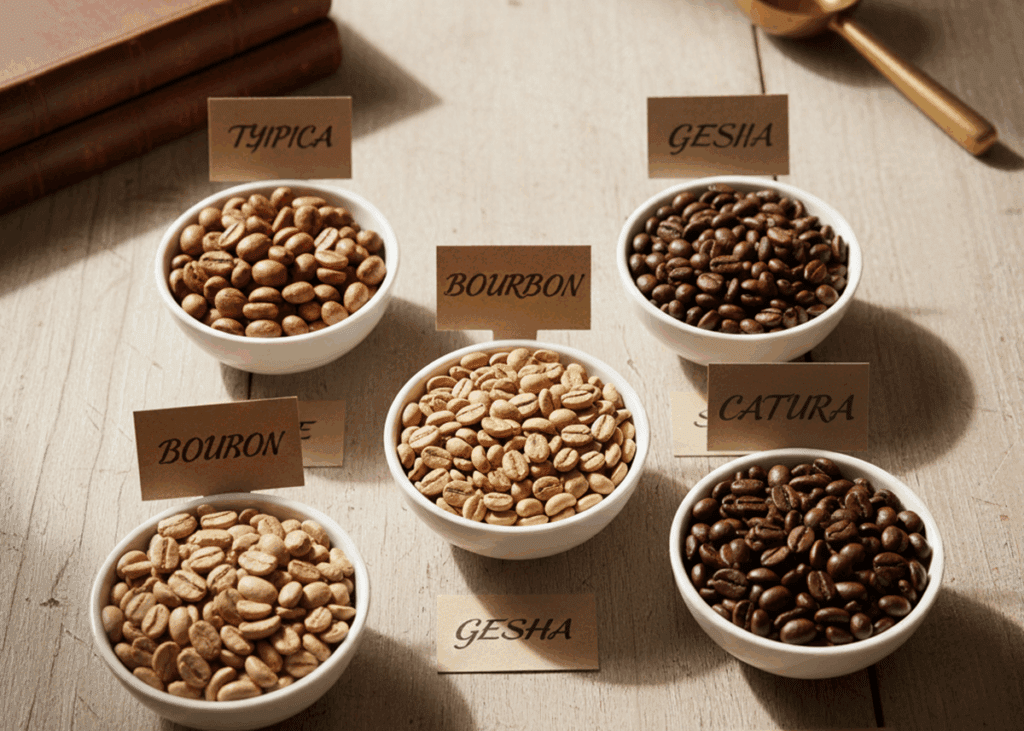
Arabica includes many subvarieties, each with its own character:
- Typica: Clean, balanced, with gentle citrus.
- Bourbon: Sweeter and rounder, often with caramel or fruit notes.
- Gesha: Highly aromatic, floral, and tea-like.
- Caturra: A mutation of Bourbon with lively acidity.
- SL34: A Kenyan variety known for vivid, wine-like intensity.
These types respond differently to climate and soil, which explains the wide range of Arabica flavor profiles.
Pairings and Benefits
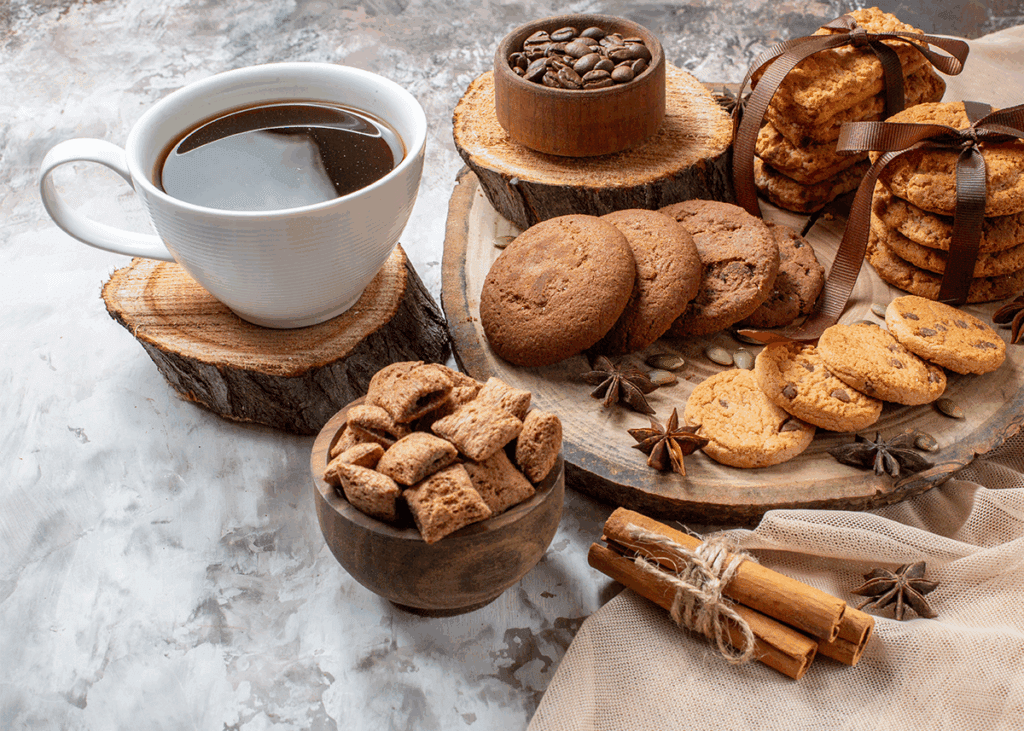
Arabica pairs well with pastries, dark chocolate, or simple butter cookies. Its moderate caffeine content offers a steady lift without overwhelming intensity.
Arabica farming—especially when shade-grown—can support biodiversity, which is why many specialty roasters highlight sustainable sourcing.
Conclusion: Adding Arabica to Your Routine
Arabica has shaped coffee culture for centuries and continues to set the standard for quality. Whether you’re exploring new origins or refining your brewing setup, Arabica offers clarity, aroma, and flavor depth in every cup.
