

4 min read
The Chemex makes a very specific kind of coffee.
Its thick bonded paper filter removes most oils and fine particles. What’s left is a light-bodied cup where acidity, sweetness, and origin character are easy to taste. If a bean tastes dull in a Chemex, the problem usually isn’t the brewer. It’s the coffee choice or the grind.
So the goal isn’t “strong coffee.”
It’s clarity.
After years of brewing pour-over in both home and café settings, the coffees that consistently work best share three traits:
• clean processing (washed or carefully processed naturals)
• lighter roast levels
• distinct origin character
If you normally prefer heavy, chocolatey coffee, a French press will suit you better. A Chemex highlights brightness and structure instead.
If you want the broader framework first, start with our guide to coffee roast levels. For Chemex specifically, light to light-medium roasts usually give the cleanest payoff.
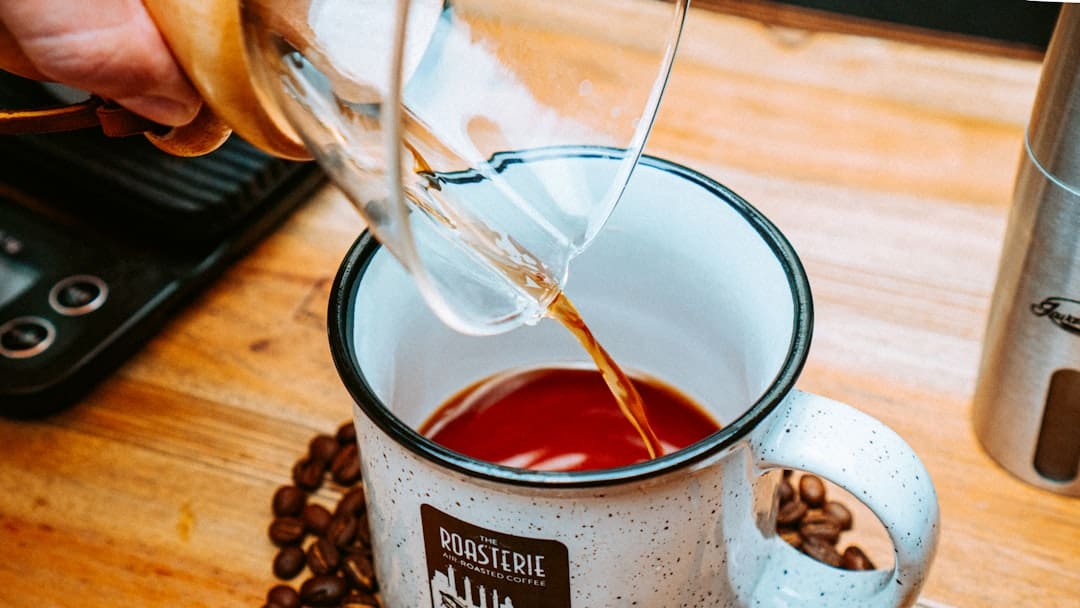
Chemex Pour Over Coffee (Clarity Method)
Ingredients
Coffee
- 25 g fresh whole bean coffee Light to medium roast recommended
- 400 g filtered water 195–205°F
Instructions Cook Mode
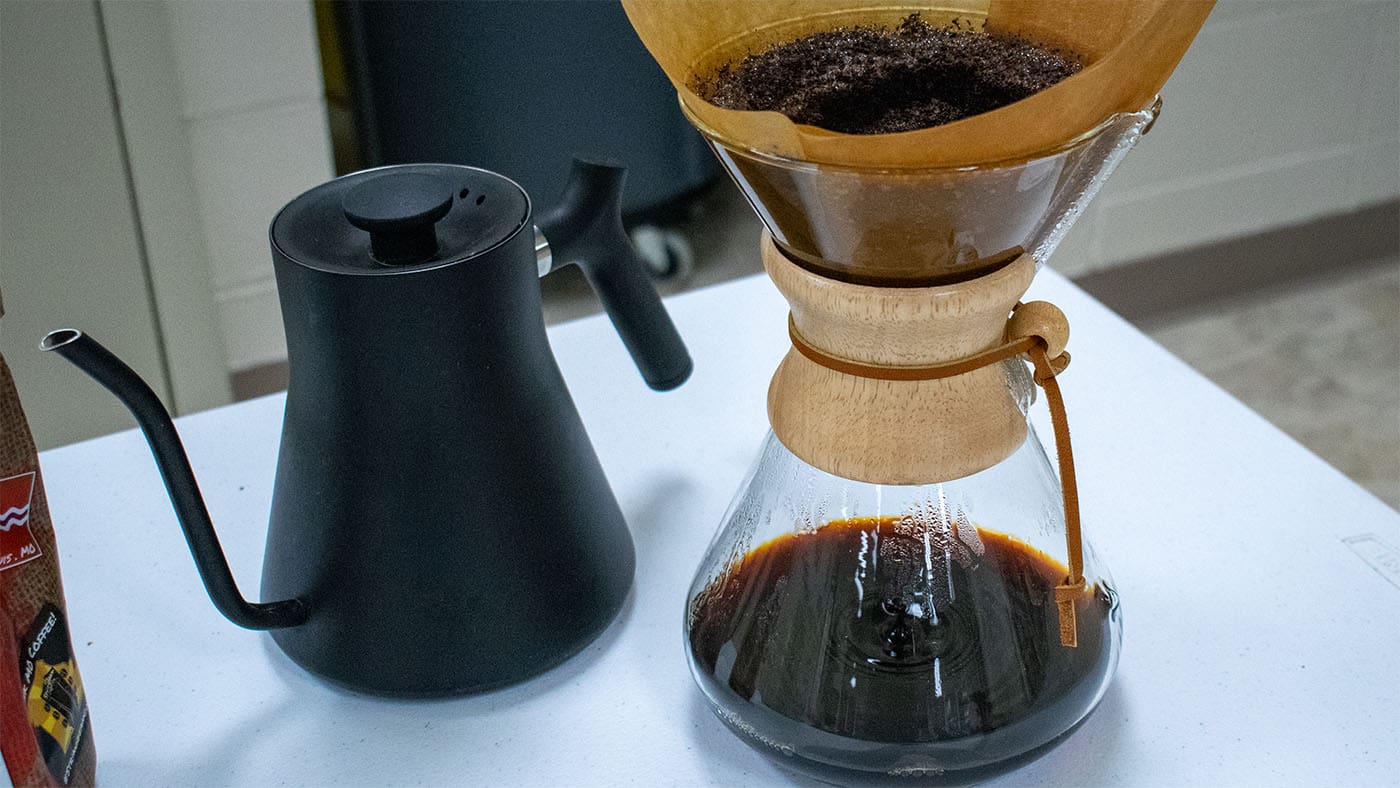
- Rinse filter. Rinse the Chemex filter thoroughly with hot water and discard the rinse water.

- Add coffee. Grind coffee medium-coarse (like coarse sand) and level the bed.
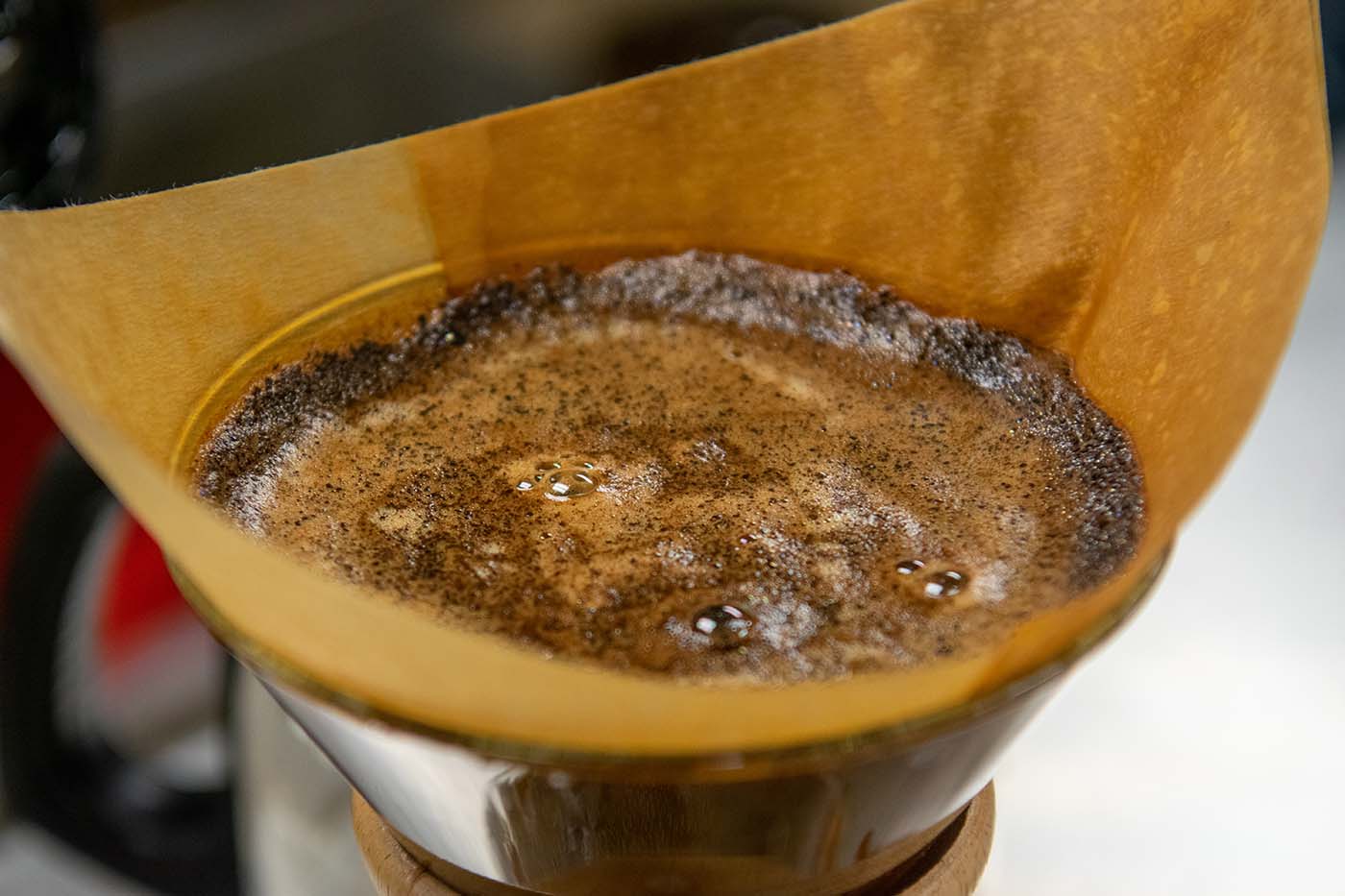
- Bloom. Pour about 2x the coffee weight in water and wait 30–40 seconds.
- Main pours. Continue pouring slowly in pulses until 400 g total water is reached.
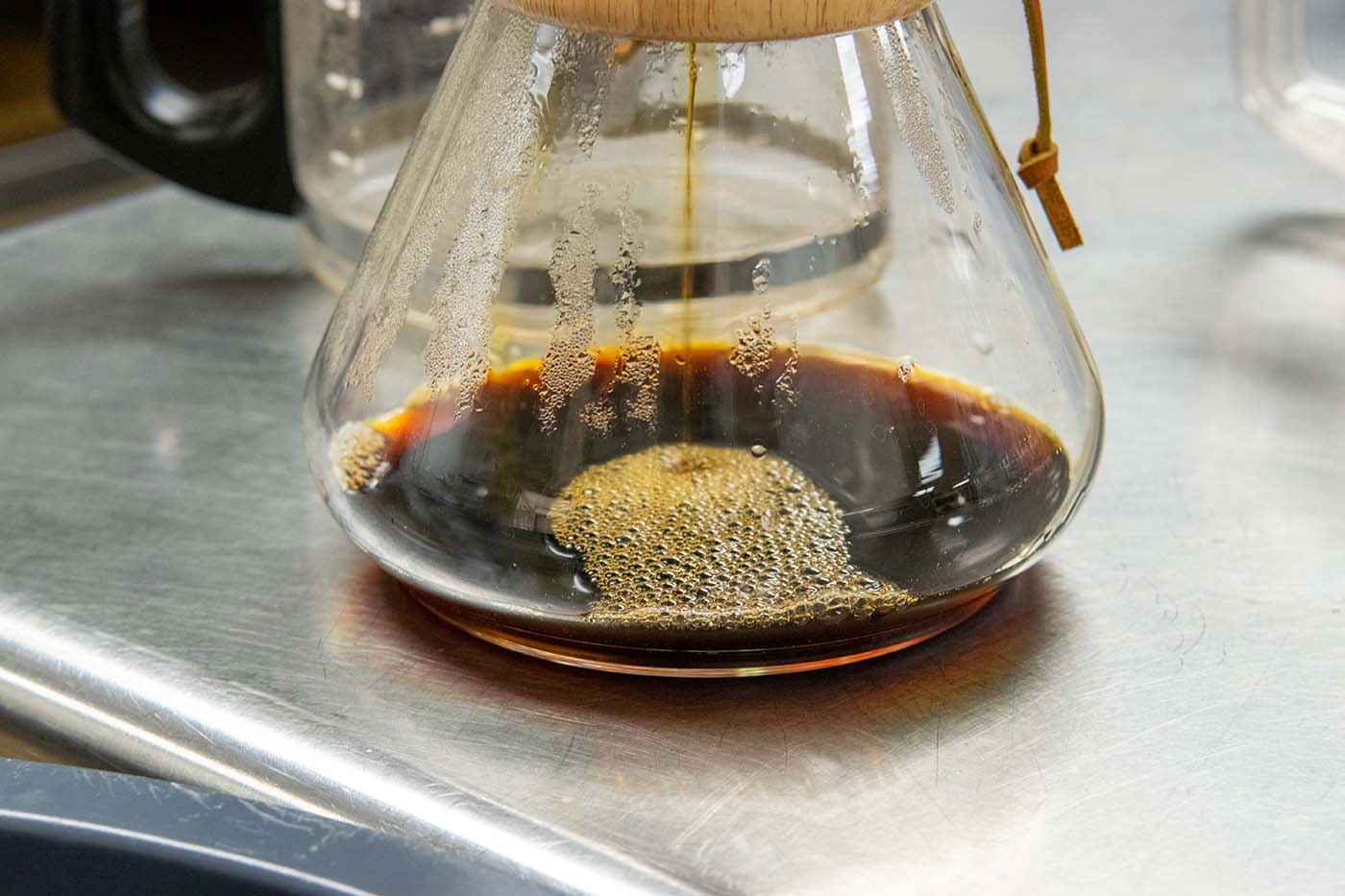
- Drawdown. Allow the coffee to drain naturally. Do not force it.
Notes
Sour → grind finer
Bitter → grind coarser
Watery → use more coffee
Harsh → slightly lower water temperature Best coffee types: washed Ethiopia, Kenya, Guatemala, high-altitude Colombia Tips: Brew within 2–4 weeks of roast date, rinse filters, and use filtered water.
Nutrition
What Kind of Coffee Works Best
Origin matters more than brand
Because the filter removes oils, the cup exposes the bean’s natural acidity. Coffees with defined flavor structure shine:
Reliable Chemex choices
- Washed Ethiopia (citrus, florals)
- Kenya (berry acidity, sweetness)
- Guatemala (balanced fruit and cocoa)
- Colombia high-altitude lots (caramel, apple)
Less ideal
- Very dark roasts
- Low-grade blends designed for drip machines
- Oily supermarket beans
Those tend to taste flat or papery because the filter removes the texture they rely on.
Why the Chemex Tastes Different
The filter is about 20–30% thicker than most paper filters. That changes extraction:
- fewer suspended solids
- less bitterness
- clearer acids
- lighter mouthfeel
You are essentially trading body for the separation of flavors.
That’s why grind size and ratio matter more here than in immersion brewers. Small mistakes become noticeable.
Basic Brew Method (Consistent Starting Point)
Ratio: 1:16
(25 g coffee → 400 g water)
Grind: medium-coarse, like coarse sand
Water temp: 195–205°F
Total time: ~4 minutes
Steps
- Rinse the filter thoroughly with hot water and discard rinse water.
- Add coffee and level the bed.
- Bloom with about 2x coffee weight in water for 30–40 seconds.
- Pour slowly in pulses until total weight is reached.
- Allow drawdown to finish naturally. Do not force it.
This method prioritizes even extraction rather than speed.
Adjusting Taste (Simple Fixes)
Sour or sharp → grind finer
Bitter or dry → grind coarser
Watery → use more coffee
Harsh → lower water temperature slightly
Only change one variable at a time. Otherwise you won’t know what fixed it.
Roast Level Guidance
Light roast
Best overall clarity. This is the Chemex sweet spot when you want citrus, florals, and origin detail.
Light-medium to medium roast
Balanced and forgiving. This is the easiest daily-driver zone if you want sweetness without losing definition.
Dark roast
Usually the weakest fit. The Chemex filter removes the oils that help dark roasts feel full, so the cup can end up thin, smoky, or papery instead of rich.
If you want the full roast-level framework across brew methods, see coffee roast levels explained. If you usually prefer heavier body, compare this with French press roast guidance.
Small Practices That Make a Big Difference
- Always rinse the filter. Paper taste is real.
- Use filtered water if your tap water smells strongly of chlorine.
- Brew within 2–4 weeks of roast date.
- Store beans sealed, not in the freezer unless long-term.
None of these are complicated, but together they matter more than buying expensive gear.
Bottom Line
The Chemex doesn’t make coffee better by default.
It makes differences more noticeable.
Choose a clean, lighter roasted coffee and control grind and ratio. Once dialed in, it produces one of the most transparent cups you can brew at home.
Related next steps: coffee roast levels explained and why French press leans more medium roast.
