
17 min read
Coffee Guide · Brewing Method
Cold Brew
Coffee
How to make it. What ratio to use. How long to steep. And why it tastes different.
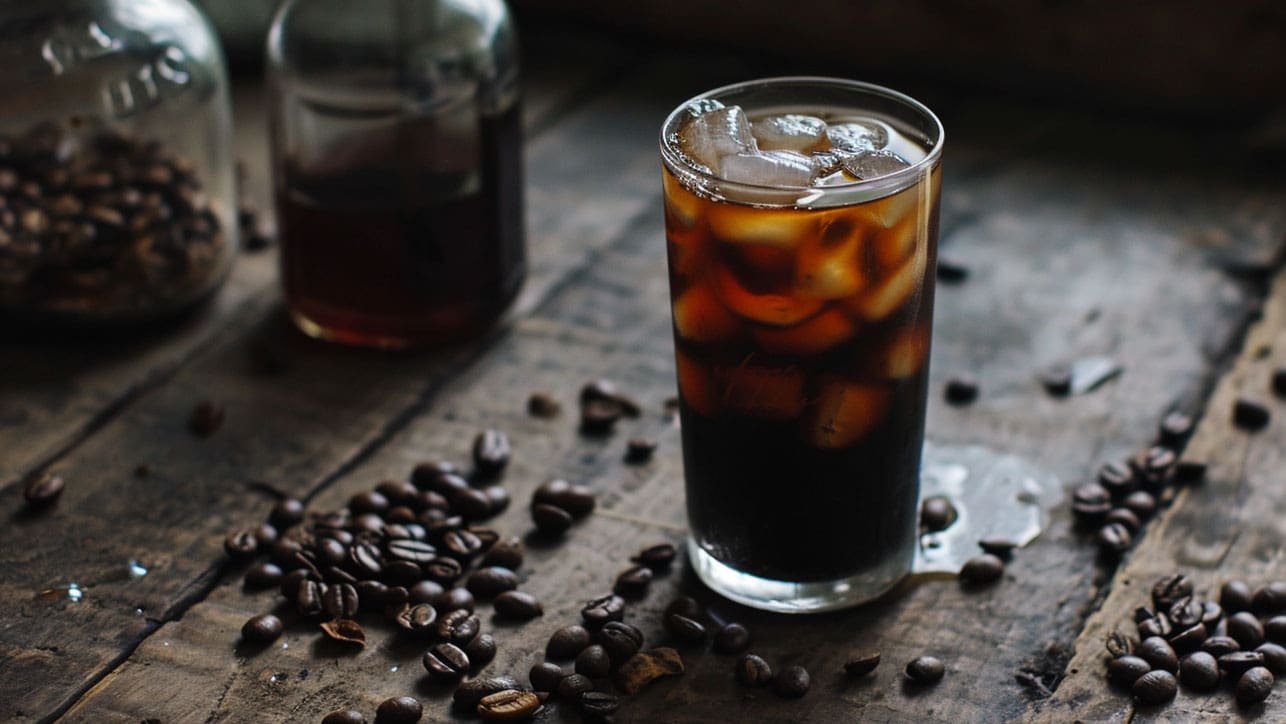
Cold brew is not iced coffee. It is never brewed hot. That one distinction changes almost everything about how it tastes.
Cold brew coffee is one of the most practical things you can make at home — and one of the most misunderstood. You don’t need special gear, a barista background, or an expensive coffee subscription. You need coarse-ground coffee, cold water, time, and a clean container to steep it in.
This guide covers the full picture: what cold brew actually is, which ratio to use for concentrate versus ready-to-drink batches, how long to steep, what equipment helps and what doesn’t, common mistakes that make it taste worse, and how to store it so it keeps well through the week.
If you’ve ever ended up with muddy, bitter, or flat-tasting cold brew at home, this is where that gets fixed.
Get the 21-Day Coffee Glow-Up Recipe Book
Make your morning coffee feel like a treat again: 21 coffee-shop-style recipes you can make at home, with hot, iced, creamy, cozy, and Java Burn-friendly options.
- 21 craveable coffee recipes
- Simple flavor formulas and shopping list
- 7-day coffee glow-up plan
You are in. Grab the recipe book, then check your inbox to confirm the coffee newsletter.
Download the free recipe bookAlready subscribed? Open the recipe book here.
Why readers save it: It gives them recipes first, not hype first. Java Burn stays optional and label-directed, while the download gives them a better coffee routine they can use right away.
What happens next: MailPoet adds them to the Golden Lamb Coffee Newsletter, sends the welcome email, and includes them in the weekly coffee tips nurture sequence.
Educational download. Not medical advice. Java Burn is a dietary supplement; read the label and ask a qualified professional if you use supplements, take medication, or manage a health condition.
What you need to know before you brew
- Cold brew is made by steeping coarse coffee grounds in cold water — usually for 12 to 24 hours. No heat involved at any point.
- It is not the same as iced coffee. Iced coffee starts hot and gets chilled. Cold brew is never brewed hot at all.
- A 1:5 coffee-to-water ratio by weight gives you a strong concentrate. A 1:8 ratio makes a lighter ready-to-drink batch.
- Coarse grind, thorough saturation, and clean filtration matter more than the equipment you use.
- Stored in a sealed container in the fridge, cold brew tastes freshest within 5 to 7 days.
The Basics
What Cold Brew Coffee Actually Is
Cold brew coffee is coffee extracted without heat. Instead of running hot water through grounds, you let coffee steep slowly in cold water over many hours. That slower, lower-temperature extraction changes the flavor profile significantly — most people describe cold brew as rounder, less sharp, and easier to drink black than hot coffee that has simply been chilled afterward.
The most important distinction: cold brew and iced coffee are not interchangeable terms. Iced coffee is hot-brewed coffee served cold. Cold brew is never brewed hot at all. The difference isn’t just semantic — it affects acidity, body, bitterness, and how well it holds up over time.
Cold brew also comes in two forms: a strong concentrate that you dilute to taste, and a lighter ready-to-drink batch you can pour straight over ice. Which one you make depends on how you like to use it and how quickly you’ll go through it.

The Science
Why Cold Brew Tastes Smoother
Cold water pulls flavor from coffee more slowly and selectively than hot water does. That doesn’t mean cold brew is bland — it means the extraction emphasizes different compounds. You get more of the sweetness, chocolate notes, and body, and less of the sharpness and acidity that make some hot coffees hard to drink black.
Lower Acidity
Cold extraction produces less chlorogenic acid than hot brewing. Many people who find hot coffee hard on their stomach tolerate cold brew more easily.
Muted Bitterness
High temperatures accelerate the extraction of bitter compounds. Cold water slows that process, producing a cup that usually requires less sweetener to taste balanced.
Longer Shelf Life
Because it was never exposed to heat, cold brew oxidizes more slowly after brewing. A well-sealed batch keeps well for up to a week in the fridge.
Cold brew works best when you let time do the job that heat normally does. There are no shortcuts — but there’s very little active work involved either.
What You Need
Equipment That Actually Matters
Cold brew does not require specialized gear. A large glass jar and a fine-mesh strainer are enough to make an excellent batch. That said, the right setup makes the process cleaner and easier to repeat consistently.
A large container
A 32–64 oz mason jar, glass pitcher, or dedicated cold brew maker. Avoid porous materials that hold odors. Glass is ideal. A purpose-built cold brew maker with a built-in filter saves a straining step but isn’t required.
A burr grinder
Cold brew needs a coarse, consistent grind. A burr grinder produces uniform particle size; a blade grinder chops unevenly, which means some particles over-extract while others under-extract. A decent burr grinder makes a real, immediate difference.
A fine-mesh strainer
Your primary filter after steeping. A paper coffee filter layered on top catches fine particles the mesh misses and gives you a cleaner, clearer cup. Cheesecloth works too but can be messy.
Filtered water
Water quality matters more in cold brew than in many other methods because there’s no heat to mask off-flavors. Filtered water gives you a noticeably cleaner final cup, especially if your tap water is heavily mineralized.
A French press is also worth mentioning as a standalone cold brew setup — it holds the grounds, lets you steep directly inside it, and the plunger separates the coffee from the grounds cleanly. Follow up with a paper-filter pass if you want a less gritty result.

Getting the Ratio Right
Concentrate vs. Ready-to-Drink
The ratio you choose determines the strength of your brew and how you’ll use it. This is where a lot of conflicting advice online comes from — because people are brewing for two different goals. There is no single “correct” cold brew ratio, but there is a right starting point for each style.
Roughly 1 cup of grounds to 4 cups of water in typical home kitchen terms. This yields a strong concentrate you dilute with water, milk, or ice before drinking. Concentrates keep slightly better and are more versatile — use them for iced coffee, cold brew lattes, or even warm up a mug.
Roughly 1 cup of grounds to 8 cups of water. The result pours directly over ice without dilution. If you want something you can grab from the fridge and drink immediately, this is the right ratio. For a scaled-up weekly batch, see our 1-gallon cold brew recipe.
Practical measuring tips
- Weighing is more reliable than volume — a kitchen scale takes the guesswork out of ratios.
- 1 cup of coarse coffee grounds weighs roughly 75–90g depending on grind density. If you don’t have a scale, start with 1 cup grounds to 4 cups water for concentrate.
- Grind size affects apparent strength. A coarser grind means a slightly less intense extraction even at the same ratio — keep that in mind when adjusting.
Fast Ratio Chart
Cold Brew Ratios by Use Case
If you only remember one thing, remember this: cold brew advice sounds contradictory because some people are making concentrate and others are making ready-to-drink coffee. Pick the use case first, then choose the ratio.
Cold brew ratio shortcuts
- 1:4 – extra-strong concentrate for milk drinks or dessert coffee.
- 1:5 – standard concentrate; dilute with water, milk, or ice before serving.
- 1:8 – ready-to-drink cold brew that can go straight over ice.
- 1:10 – lighter iced coffee style if you want less body and less caffeine per glass.
For a scaled weekly batch, use the 1-gallon cold brew recipe. For the extraction science behind why cold brew tastes smoother, read The Science Behind Cold Brew Coffee.
The Method
How to Make Cold Brew Step by Step
Six steps. Minimal equipment. The bulk of the time is passive — you’re not doing anything while it steeps. Plan to start your batch the night before you want it ready.
Cold Brew Coffee — Home Method
Coarse-ground coffee, cold water, time. That’s the whole technique.
- 1 cup (75–90g) coarse-ground coffee
- 4 cups cold filtered water (concentrate ratio 1:5)
- Or 8 cups water for ready-to-drink (ratio 1:8)
- Ice, milk, or water for serving (if using concentrate)
- 1 Grind coarse. Aim for the texture of coarse sea salt or raw sugar. Too fine = muddy, bitter brew.
- 2 Combine in your container. Add grounds first, then pour cold water over them.
- 3 Stir thoroughly. Make sure every ground is saturated. Dry pockets make weak, stale-tasting spots in the final cup.
- 4 Steep 12–24 hours. Start at 16–18 hours for balance. Room temp or refrigerator both work — fridge steeps tend to taste slightly cleaner.
- 5 Strain carefully. Pour through a fine-mesh strainer, then a paper coffee filter for a cleaner finish.
- 6 Dilute and serve. Concentrate: cut with water, milk, or ice. Ready-to-drink: pour straight over ice. Refrigerate the rest.

Troubleshooting
Common Cold Brew Mistakes to Avoid
Most bad cold brew comes from one of six avoidable problems. If your batch came out muddy, bitter, weak, or flat, it almost certainly traces back to one of these.
Grinding too fine
Fine coffee grounds create a muddy, over-extracted result that often tastes bitter and silty. Think coarse sea salt, not table salt. This is the single most common source of bad cold brew.
Getting the ratio wrong
Too little coffee makes a flat, weak batch. Too much, and you get a dense concentrate that’s unpleasant if under-diluted. Start at 1:5 for concentrate or 1:8 for ready-to-drink, then adjust from there.
Not stirring the grounds
Dry pockets of grounds that never get saturated produce weak, stale-flavored spots in the final brew. Stir well immediately after combining coffee and water.
Steeping too long
Longer is not always better. Past 24 hours, you tend to extract heavier, more bitter compounds without gaining sweetness or body. Start at 16–18 hours, taste, and adjust.
Using poor-quality water
Cold brew has nowhere to hide water flaws. Filtered water makes a noticeably cleaner cup, especially if your tap water is heavily chlorinated or mineralized.
Under-filtering the finished brew
If your cold brew looks cloudy or has visible sediment, strain it a second time through a paper coffee filter. One pass through mesh alone often leaves too much fine material in the cup.
Keeping It Fresh
How to Store Cold Brew
Cold brew keeps well — better than most coffee — but it doesn’t last forever. Stored properly, a batch tastes best within five to seven days. After that, the flavors start to flatten and the body degrades, even if it’s still technically safe to drink.
Storage essentials
- Refrigerator always. Cold brew should go into the fridge immediately after straining. It shouldn’t sit at room temperature once it’s finished brewing.
- Airtight glass container. A sealed mason jar, glass carafe, or glass bottle protects the flavor and prevents it from picking up fridge odors. Avoid leaving it in an open container.
- Concentrate lasts slightly longer. Undiluted concentrate holds flavor a little better than a ready-to-drink batch. If you’re batch-brewing for the week, keep it concentrated and dilute per cup.
- Label your batch. Write the brew date on a piece of tape stuck to the jar. Easy to forget when it’s buried in the back of the fridge.
- Batch to match your pace. If a single batch sits for more than a week before you finish it, brew a smaller batch or switch to the ready-to-drink ratio so you move through it faster.

Bean Selection
Café Britt Picks for Cold Brew
The roast level you choose shapes the cold brew you end up with. Dark roasts lean into chocolate and caramel — the notes cold extraction handles best. Medium-dark roasts add some brightness and complexity. Light roasts are unconventional but genuinely interesting if you want something fruit-forward. These three Café Britt options cover all three directions.
Whatever roast you choose, freshly ground whole beans make a real difference. Pre-ground coffee loses volatile flavor compounds quickly, and cold brew’s slow extraction can’t compensate for staleness the way a fast hot brew sometimes can. If you’re buying from Café Britt, the whole-bean options will give you the freshest result if you grind at home.
Quick Reference
Cold Brew vs. Iced Coffee
These two drinks are often confused — and they’re genuinely different in preparation, flavor, acidity, and shelf life. Here’s where they diverge.
| Factor | Cold Brew | Iced Coffee |
|---|---|---|
| Brew temperature | Cold or room temperature throughout | Hot-brewed, then chilled |
| Steep time | 12–24 hours | Minutes (standard brewing time) |
| Acidity | Lower — gentler on stomach | Higher — closer to hot coffee |
| Bitterness | Noticeably lower | More present, especially if over-brewed |
| Flavor profile | Smooth, chocolatey, rounded | Brighter, more aromatic, closer to hot coffee |
| Caffeine (concentrate) | Very high per ounce — always dilute | Similar to hot coffee per serving |
| Shelf life (sealed, fridge) | 5–7 days | 1–2 days before flavor degrades |
| Dilution needed | Yes (concentrate) or pour over ice (RTD) | Often served over ice immediately |
| Best for | Batch prep, sensitive stomachs, lower-bitterness preference | Quick prep, brighter flavor, hot-coffee character |
For the health angle — whether iced coffee specifically is good for you — we cover that separately in our iced coffee health guide. This page focuses on brewing.
Frequently Asked Questions
Cold Brew Questions, Answered
More on Cold Coffee
Related Guides
The Bottom Line
Cold brew is not complicated. But it does reward getting the fundamentals right.
Use a coarse grind. This is not optional — fine coffee makes cold brew muddy and unpleasant, and there’s no way to fix it after the fact. Match your ratio to how you’ll use the coffee: 1:5 for concentrate, 1:8 for ready-to-drink. Steep long enough to build body — 16 to 18 hours is a reliable starting point — but don’t assume more time always means better flavor.
Filter it twice if your first pass still looks cloudy. Store it cold in a sealed glass container and finish it within a week. And if you want to batch-brew for a household or a full week of mornings, scale up intentionally rather than trying to stretch one under-strength batch across too many days.
Do those things consistently, and you’ll have a flexible, smooth coffee base that costs far less per cup than anything you’d buy pre-made — and that you can customize all week.
Continue Into the Cold Extraction Hub
This foundational cold brew guide now feeds into the broader cold extraction cluster. Use the next links to move from the basics into flash-chilled technique and nitro-style texture.
- Cold Extraction Coffee: The Masterclass on Cold Brew, Flash-Chilled, and Clarity
- Flash-Chilled vs Cold Brew: Which Preserves More Aroma?
- Nitro Coffee at Home Without a Keg: How to Get a Creamier Mouthfeel
