

9 min read
The Golden Lamb · Buying Guide · Adaptogenic Coffee
The 5 Best Mushroom Coffee Alternatives
For focus, low acidity, and fewer jittersLion’s Mane, Chaga, Cordyceps — five products that actually use them well, and what each one is best for.
Replacing traditional coffee with a mushroom coffee alternative has gained real momentum — and with good reason.
The appeal is specific: a more stable energy curve without the jitters, potential cognitive support from Lion’s Mane, antioxidant density from Chaga, and significantly lower acidity than standard coffee. The challenge is cutting through a crowded market where quality varies enormously — particularly around whether brands use actual mushroom fruiting bodies or cheaper mycelium.
Here are five alternatives that hold up under scrutiny, each better suited to a different kind of drinker.
Best for focus with real coffee: Four Sigmatic — fruiting body extracts, no mycelium, still tastes like coffee.
Best for cutting caffeine dramatically: MUD\WTR — 1/7th the caffeine of coffee, high mushroom dose, chai-cacao flavor.
Best for coffee purists: Laird Superfood — high-altitude Peruvian beans, low acidity, brews exactly like regular ground coffee.

Why These Mushrooms?
The adaptogenic benefits come from specific compounds in specific mushrooms — not just the vague category of “mushroom coffee” in general.
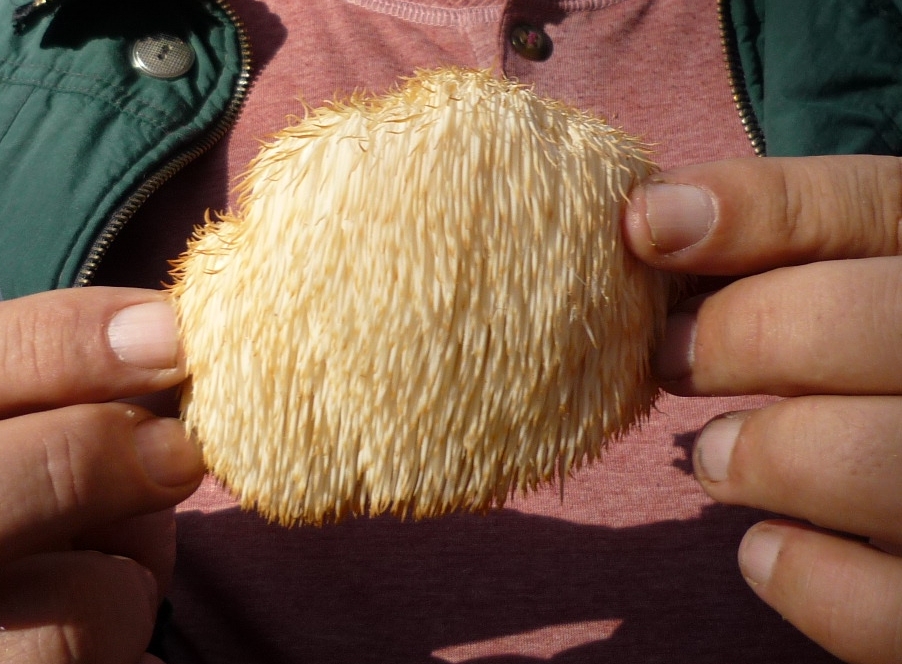
NGF support — may stimulate nerve growth factor, a protein involved in neuron maintenance. Early research, not yet conclusive in humans.
Cognitive function — most commonly cited for potential improvements in memory, focus, and mental clarity.
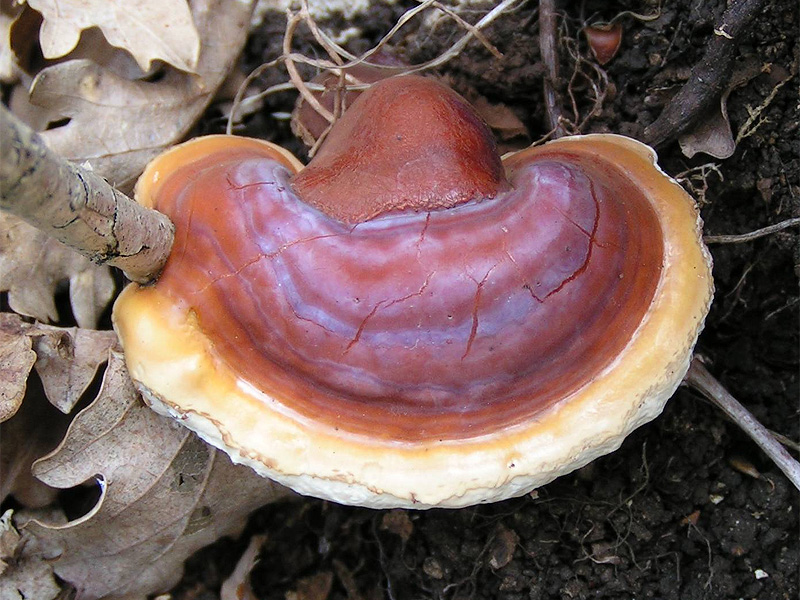
Antioxidant density — one of the most antioxidant-rich foods known; combats oxidative stress and supports cellular health.
Immune support — beta-glucans associated with immune modulation without overstimulation.
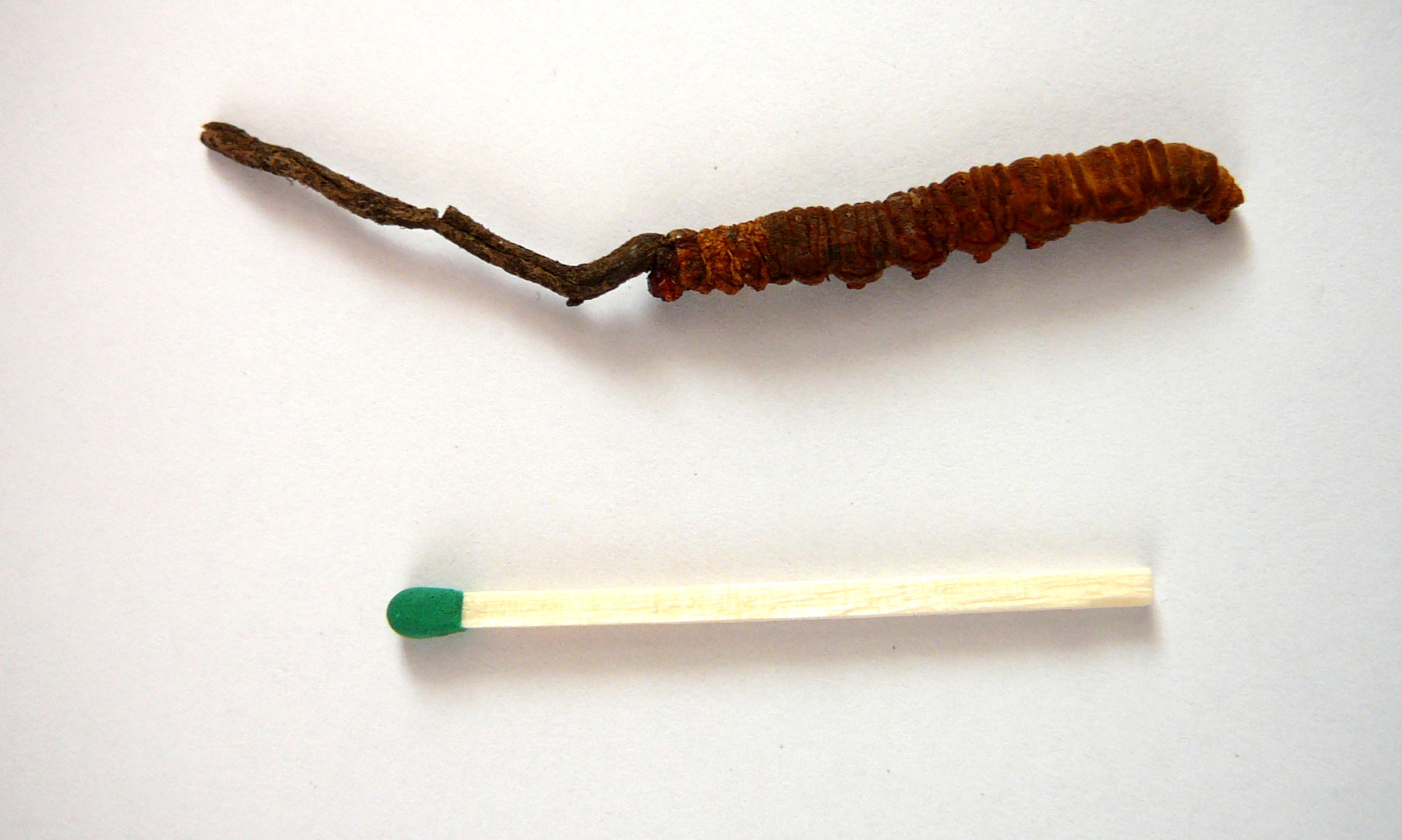
Energy and stamina — associated with improved oxygen utilization and physical endurance; originally used by Tibetan herdsmen at high altitude.
ATP production — some research suggests support for cellular energy metabolism.
Immune modulation — polysaccharides and triterpenoids extensively studied for immune system support.
Calm energy — associated with reduced anxiety and improved sleep quality, complementary to caffeine.
The 5 Best Mushroom Coffee Alternatives
Five picks that each solve a different version of the mushroom coffee problem.
- 250mg Lion’s Mane + 250mg Chaga per serving — fruiting bodies, not mycelium
- Single-origin Honduran beans at 5,500 ft — naturally low acidity
- Available as ground coffee, instant packets, or K-Cups
- USDA Organic · tastes like coffee, not mushrooms
The brand that pioneered functional mushroom coffee. The fruiting body distinction is what sets it apart — many competitors use mycelium grown on grain, dramatically diluting the active compounds. Four Sigmatic uses real mushroom fruiting bodies at functional doses with genuinely good coffee underneath. If you want to add Lion’s Mane to your daily routine without changing anything about how you drink coffee, this is the cleanest path.
- 2,240mg adaptogenic mushrooms per serving — Lion’s Mane, Cordyceps, Chaga, Reishi
- ~35mg caffeine — roughly 1/7th of a regular cup of coffee
- Flavor: masala chai + cacao spices — not coffee. Cinnamon, turmeric, ginger, cardamom.
- USA-grown mushrooms · USDA Organic · Whole30 Approved · 60,000+ five-star reviews
For people who want to genuinely break the coffee habit, not just upgrade it. Critical caveat: this does not taste like coffee. It tastes like a warm spiced chai-chocolate drink. The mushroom dose is the highest in this guide by a significant margin. People who approach it as a new morning ritual tend to love it; people who expect coffee flavor are often disappointed. Know which camp you’re in before buying.
- High-altitude Peruvian beans — grown at altitude for natural low acidity
- Mushrooms: Chaga, Lion’s Mane, Cordyceps, Maitake in each bag
- Brews exactly like ground coffee — drip, pour over, French press, or espresso
- Non-GMO · Gluten-free · Keto · economical (only 1 tbsp per 8 oz needed)
Doesn’t ask you to change anything. Just swap this in for your regular bag and brew the same way. Lower mushroom dose than MUD\WTR, but noticeably better coffee quality than most functional blends. The 1-tablespoon-per-8oz ratio makes a 12oz bag last longer than it looks. Best for coffee drinkers who want adaptogenic benefits without thinking too hard about it.
- Single-serve instant packets — dissolves in hot water, no equipment needed
- Lion’s Mane + Cordyceps — focused on cognitive support and physical energy
- Ideal for travel, office, gym — anywhere without a brewer
The most convenient format in the category: add hot water, stir, done. Targets focus and physical performance specifically through the Lion’s Mane and Cordyceps pairing. Not for coffee quality snobs — instant is instant — but for a functional mushroom dose that travels anywhere in your bag, the case is real.
- Keurig K-Cup compatible — works with all standard pod brewers
- Lion’s Mane + Chaga alongside B1, B5, B6, B9, B12, and D3
- 100% Arabica medium dark roast — vitamins and mushrooms completely undetectable in flavor
- Recyclable pods · Made in the USA
Solves a specific problem: you have a pod brewer and you’re not switching. Each pod delivers Lion’s Mane, Chaga, and a full B-vitamin complex in one cup of completely normal-tasting coffee. The most seamless upgrade in the category for K-Cup households — zero behavior change required.
Frequently Asked Questions
Four Sigmatic Focus Mushroom Coffee — fruiting body extracts of Lion’s Mane and Chaga at functional doses, no mycelium. MUD\WTR is the better choice if you want to cut caffeine significantly while keeping a high mushroom dose.
Lion’s Mane has been studied for neuroprotective effects and potential NGF support. Research is promising but not conclusive — most strong studies are animal-based. Most users report smoother, more sustained energy with fewer jitters than regular coffee. The caffeine reduction in many blends likely contributes to this effect independent of the mushrooms themselves.
Many mushroom coffee products use high-altitude beans that are naturally lower in acidity. Laird Superfood specifically highlights their Peruvian sourcing for this reason. Acidity reduction varies by product — it isn’t guaranteed across the entire category. If low acidity is your primary goal, look for altitude-grown sourcing on the label.
No. Most taste like coffee. MUD\WTR is the exception — it tastes like a spiced chai-cacao blend. The functional mushroom extracts are at doses too small to create a noticeable earthy or mushroom flavor in any of these products. If you’re buying Four Sigmatic, Laird, or VitaCup, the cup will taste like regular coffee.
Fruiting bodies are the actual above-ground mushroom, containing the highest concentration of active compounds like beta-glucans. Mycelium is the root system — less potent and often grown on grain. Brands like Four Sigmatic specifically advertise fruiting body use; it’s worth checking the label because the difference in potency is significant.
Match the blend
to what you actually want.
If you want to keep drinking coffee with added benefits, Four Sigmatic or Laird are the seamless choices. If you’re genuinely trying to reduce caffeine, MUD\WTR is the honest answer. For pod brewers, VitaCup is the path of least resistance. For travel, Mushroom Cups. Focus on fruiting body vs. mycelium, the dose per serving, and whether the flavor profile will actually survive contact with your morning.
