

10 min read
🌹 Coffee Recipes Hub · Floral Edition
Rose Water Latte
A Floral Persian Treat
⚠️ Too much rose water and it’s perfume. Just enough — and it’s heaven.
“Floral coffee is a tightrope walk. The line between enchanting and overwhelming is measured in drops.”
Some drinks announce themselves loudly. The Rose Water Latte arrives like a memory — softly, sideways, in a wave of something you almost recognise. Persian rose water has been used in food and drink for thousands of years, threading its way through confections, teas, and ceremonial sweets from Tehran to Istanbul. Bringing it into coffee is not a novelty act. It’s a homecoming.
The challenge — and the art — is restraint. Rose water is among the most potent flavoring agents in any kitchen. A heavy hand turns your morning cup into a bar of soap. A careful hand turns it into something genuinely transporting: floral, warm, faintly sweet, layered with the roasty depth of espresso in a way that feels both ancient and entirely new.
This guide covers everything: the flavor science behind why floral and coffee work together, the exact technique to get the balance right, and why this drink has quietly earned a cult following among coffee drinkers who want something more than another vanilla syrup.
Section 01
Why It Works: The Delicate Science of Floral Coffee
Floral flavors occupy a specific and powerful lane in the aromatic spectrum. They trigger a different kind of pleasure response than sweet or savory — something closer to atmosphere, to place, to mood. And coffee, it turns out, is one of the best vehicles for transporting those notes precisely because it already carries them.
Coffee Already Has Floral Notes
Specialty and light-roast coffees are naturally rich in floral aromatic compounds — particularly linalool, the same molecule responsible for rose and lavender fragrance. Rose water amplifies what’s already there, rather than fighting against the grain.
Acid Cuts Through Sweetness
Espresso’s bright acidity prevents the floral notes from becoming cloying. Without that sharpness, rose water can read as saccharine. With it, the drink finds balance — complex and elegant rather than perfumey.
Milk as a Mediator
Warm steamed milk softens both the espresso’s intensity and the rose water’s assertiveness simultaneously, creating a neutral canvas on which both flavors bloom together rather than competing for attention.
The Memory Effect
Rose scent activates the limbic system — the brain’s emotional center — more directly than almost any other aromatic. A rose latte doesn’t just taste good; it produces a specific mood. Calm. Warm. Elsewhere.
🏺 Persian Heritage
A Thousand Years of Rose Water
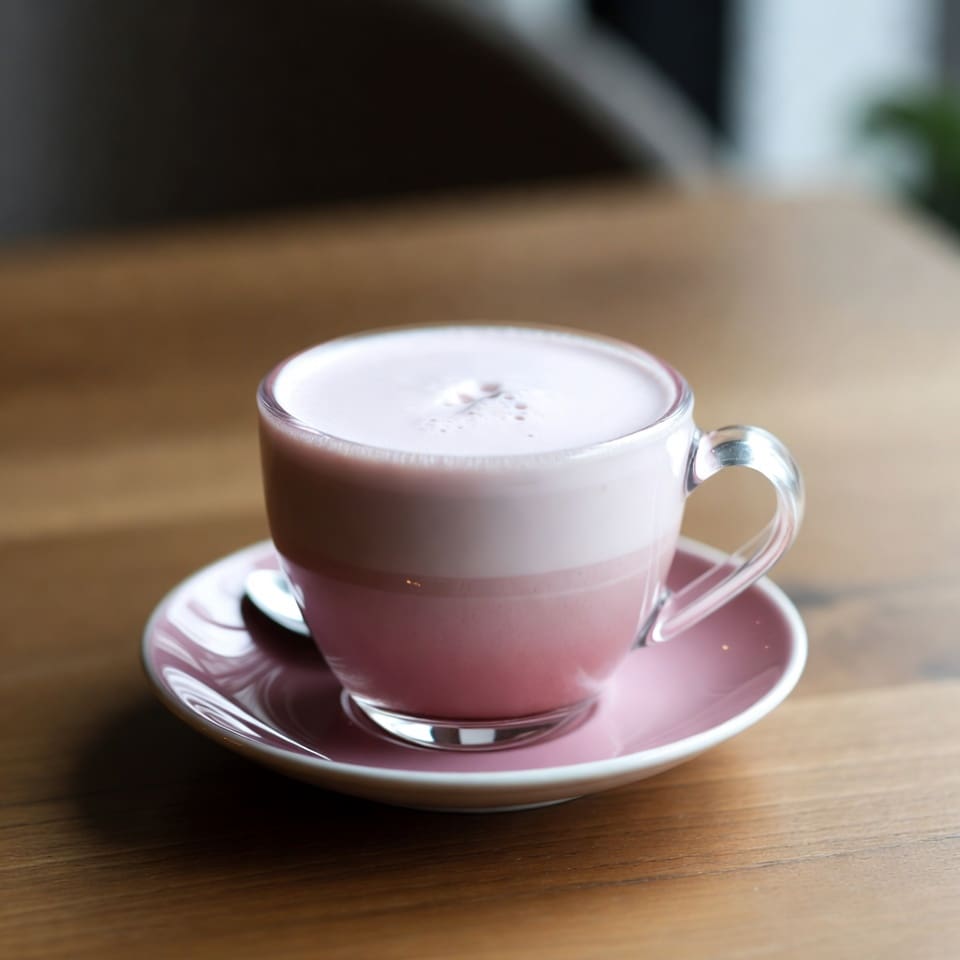
Rose water (golab in Persian) has been produced in Iran since at least the 7th century, originating in the city of Kashan which remains its most celebrated source today. It appears in Persian rice dishes, in baklava, in tea, in rosewater ice cream (bastani), and poured over the hands of guests as a gesture of welcome. Bringing it into coffee is simply the latest chapter in one of the world’s longest-running culinary love stories.
The key insight is that rose water doesn’t overpower a well-made coffee — it completes it. The roasty, slightly bitter base of espresso provides exactly the contrast that makes the floral note feel precious rather than excessive. One without the other is incomplete; together, they create something greater than either alone.
Section 02
The Recipe: Precision in Every Drop
More than almost any other specialty coffee drink, the Rose Water Latte rewards careful measurement. The margin between sublime and overwhelming is genuinely narrow — but once you find it, the recipe becomes second nature within a few attempts.
The Golden Rule
Start with less rose water than you think you need. You can always add more — you cannot remove it. First-timers should begin with half the suggested amount and adjust up from there, tasting as they go.
Rose Water Latte
Persian-inspired · Floral · Elegant
-
1
Prepare your espresso or coffee
Pull a single or double shot of espresso, or brew a strong, concentrated coffee. For a Rose Water Latte, a light-to-medium roast with natural floral or fruity tasting notes will create the most harmonious result — the rose water will amplify those inherent floral characteristics rather than clashing with a heavy, dark roast. Ethiopian single-origins, in particular, pair beautifully.
-
2
Add the Rose Water Latte blend
Add the Rose Water Latte blend to your hot espresso and stir well before adding any milk. Combining the concentrate with the hot coffee first allows the floral and aromatic compounds to bloom and fully integrate with the espresso — the heat acts as a catalyst that rounds the edges and melds the two together. Taste at this stage to calibrate intensity before adding milk.
-
3
Mix, steam your milk, and finish
Top with steamed or frothed milk — whole milk creates the richest, most indulgent result, while oat milk offers a naturally sweet, creamy alternative that complements the florals beautifully. For an iced version, combine the espresso and blend over ice, then pour cold milk over slowly to create a gorgeous layered effect before stirring. Finish with a single dried rose petal or a dusting of culinary-grade rose powder if you want to lean into the occasion.
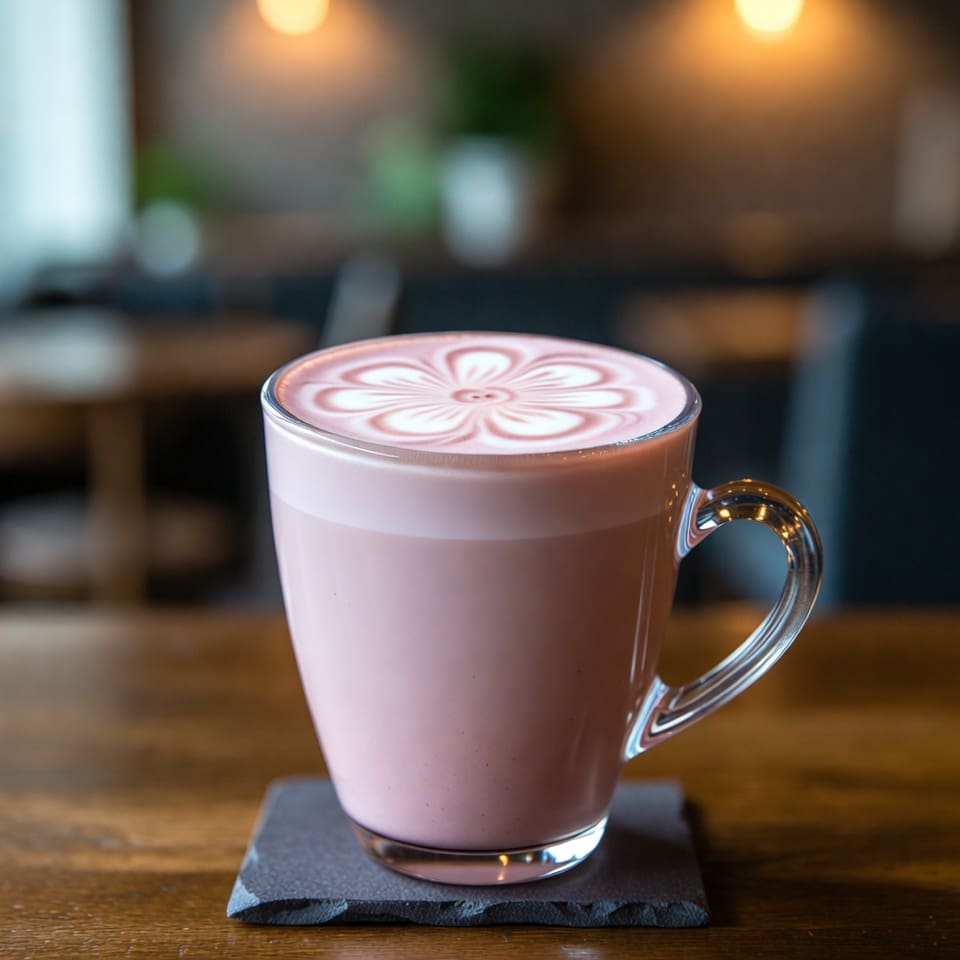
Variations worth trying: Add a small pinch of cardamom to the espresso before mixing — this is a deeply traditional Persian flavor pairing with rose that adds an aromatic warmth and spice dimension. A half-teaspoon of honey also integrates beautifully for those who prefer a touch of natural sweetness, without tipping the drink into dessert territory.
Light Roast
Enhances natural floral notes
Cardamom
Classic Persian companion
Oat Milk
Creamy, neutral, elegant
Honey
Natural sweetness, no sugar
Section 03
From Behind the Bar: Notes on a Secret Favorite
There’s a specific type of coffee drinker who gravitates toward the Rose Water Latte: curious, aesthetic, not easily impressed. They’ve moved through the predictable seasonal specials — pumpkin, peppermint, lavender — and found them wanting. They want something with actual heritage, actual depth, actual story.
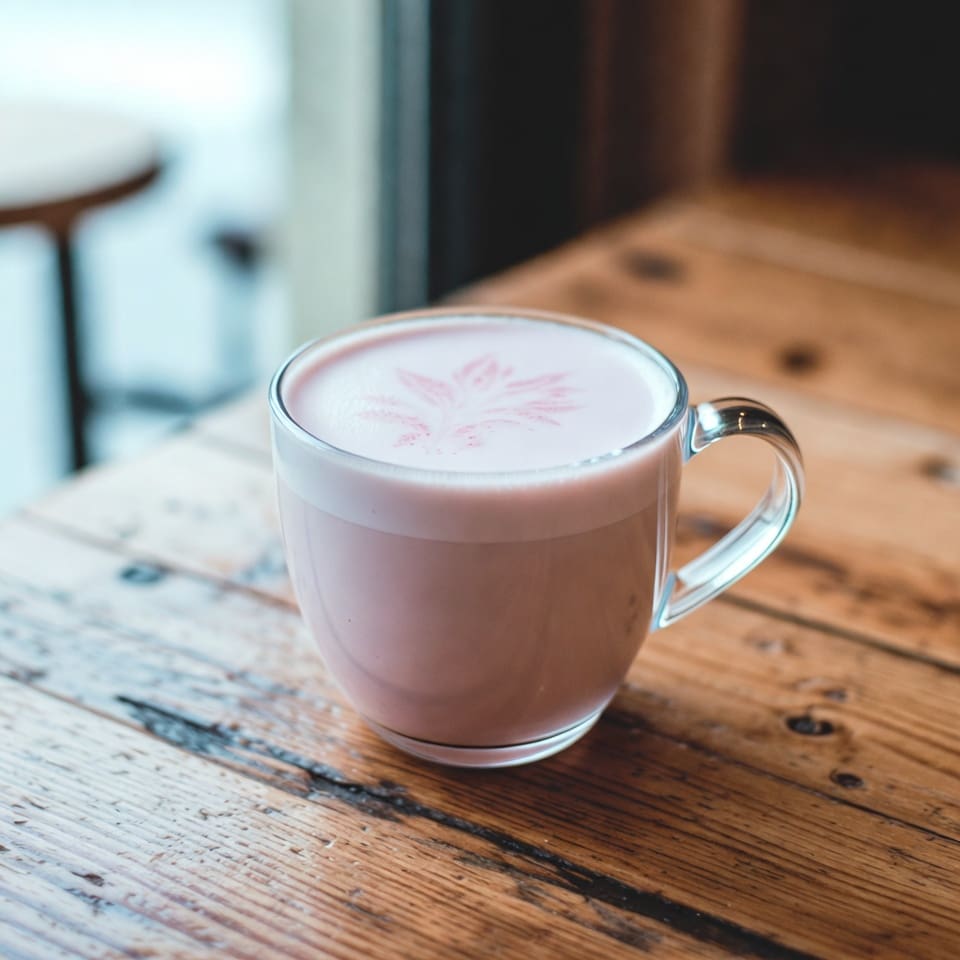
Rose water delivers all three. When you bring a cup of this to the table, you’re not just serving a flavored latte. You’re serving a five-thousand-year-old culinary tradition in a twelve-ounce ceramic mug. That’s a remarkable thing to offer anyone at eight in the morning.
The secret menu status was never really about scarcity. It was about the fact that this drink rewards people who ask for something different. And that reward — that first sip where the floral hits and the espresso grounds it and everything clicks — is something that sticks with people for years.
Section 04
Full Flavor Profile at a Glance
Wondering if this is right for your palate? Here’s an honest, detailed breakdown of what to expect from a well-made Rose Water Latte:
| Flavor Dimension | Character | Intensity |
|---|---|---|
| Florality | Fresh rose, delicate, slightly perfumed — the defining note | High |
| Sweetness | Subtle perceived sweetness; no added sugar in the base blend | Medium |
| Roastiness | Warm espresso backbone — present but softer than a black coffee | Medium |
| Bitterness | Low — the floral note naturally smooths espresso’s sharper edges | Low |
| Creaminess | Depends on milk choice; whole milk gives the richest, most luxurious body | Medium |
| Acidity | Gentle lift from the espresso; supports the floral without clashing | Low–Med |
| Complexity | Layered — floral on top, roasty middle, soft creamy finish | High |
If you enjoy floral teas, Middle Eastern confections, or the more delicate end of specialty coffee’s flavor spectrum, this drink will resonate immediately. If you typically prefer bold, dark, and uncomplicated coffees, start with a smaller amount of the rose blend and treat this as an exploration rather than a replacement.
FAQ
Frequently Asked Questions
Start with 1 teaspoon per drink and adjust to taste. The margin between delicate and overwhelming is narrow — rose water is potent. Most people settle at 1–2 teaspoons. Always add it to the hot espresso before the milk so the heat helps it integrate.
Use culinary-grade (food-grade) rose water only. Look for brands sold in the cooking aisle or at Middle Eastern grocery stores. Avoid rose water from beauty or cosmetics sections — it may contain additives not safe for consumption.
Light to medium roasts with natural floral or fruity notes work best — Ethiopian single-origins are a particularly good match, as the rose water amplifies their inherent floral characteristics. Dark roasts can work but may overpower the delicate florals.
Yes — combine the espresso and rose water over ice, then pour cold milk over slowly to create a layered effect before stirring. Use the same 1–2 tsp rose water ratio as the hot version.
Whole milk creates the richest, most indulgent result. Oat milk is the best non-dairy choice — its natural sweetness and creamy texture complement the floral notes without competing. Avoid strongly flavored milks like coconut, which can clash with the rose.
Rose water itself has been used in Persian and Middle Eastern cuisine for thousands of years. The modern rose water latte is a contemporary adaptation bringing those traditional floral flavors into an espresso format — with deep roots in Persian tea culture where rose water-flavored drinks have long been a staple.
The Final Verdict
Some drinks change how you think about what coffee can be. The Rose Water Latte is one of them.
Floral coffee done well is one of the more quietly extraordinary things you can put in a cup. The Rose Water Latte earns its place in any serious coffee repertoire — not as an occasional novelty, but as a genuine daily ritual option for those who want beauty and complexity alongside their caffeine. The learning curve is minimal. The payoff is significant. And the history you’re sipping through, thousands of years deep, makes every cup feel like something more than just breakfast. Give it a try. Then give it another.
Also on Coffee Recipes Hub
🌿 DIY Lavender Syrup: Stop Buying It3 ingredients · 20 minutes · better than any bottle
