

4 min read
For centuries, the coffee industry has practiced a colossal waste: discarding 50% of the harvest.
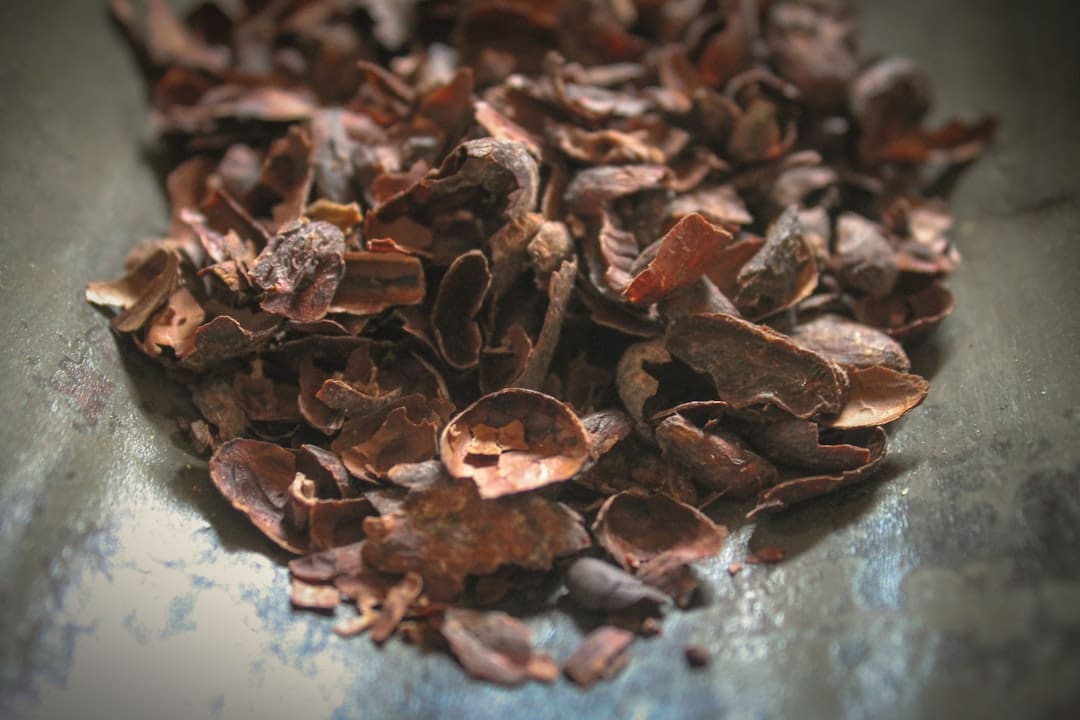
The beans we grind are merely the seeds of a fruit. The flesh—the coffee cherry—has historically been composted or discarded. But a shift is happening. This “waste product,” known as Cascara (Spanish for “husk”), is re-emerging not just as a sustainable tea, but as a nutritional powerhouse that rivals acai and blueberries.
Is it just upcycled marketing, or does the chemistry hold up? We analyzed the antioxidant data and neurotrophic studies to find out.
1. The Antioxidant Data: Off the Charts
In the world of superfoods, the metric of choice is the ORAC (Oxygen Radical Absorbance Capacity) score. It measures a food’s ability to neutralize free radicals.
While blueberries are often championed with an ORAC score of roughly 4,600, air-dried whole coffee fruit has clocked scores upwards of 343,900 µmol TE/100g in laboratory settings [1].
Even when brewed as a tea (where dilution occurs), the concentration of chlorogenic acids and polyphenols remains exceptionally high provided the extraction is sufficient.
2. Brain Health: The BDNF Connection
Perhaps the most compelling argument for Cascara is its potential effect on the brain. Research published in the British Journal of Nutrition examined the effects of whole coffee fruit concentrate on Brain-Derived Neurotrophic Factor (BDNF).
Study Highlight
Subjects who consumed whole coffee fruit concentrate showed a 143% increase in plasma BDNF levels compared to baseline. BDNF is a protein essential for neuronal health, memory, and learning.
Crucially, this effect was not replicated by green coffee bean extract or caffeine alone, suggesting the bioactive compounds in the fruit flesh are the key drivers [2].
3. Flavor Profile: Unlike Any Coffee
If you expect Cascara to taste like a light roast, you will be surprised. It contains no bean, and therefore no “coffee” flavor.
- Taste: Vibrant tartness similar to rosehip, hibiscus, or dried tamarind.
- Sweetness: Natural sugars (fructose) from the fruit create a cider-like cider mouthfeel.
- Caffeine: Much lower than coffee. A typical cup contains about 25-30mg of caffeine, compared to 95mg in a brewed coffee.
4. Brewing the Perfect Cup: Ratios and Techniques
Because Cascara is technically a dried fruit tisane rather than a coffee, the brewing parameters differ significantly from your morning pour-over. Treating it like coffee will result in a weak, disappointing beverage.
The Golden Ratio
We recommend a brewing ratio of 1:15 by weight. For every 1 gram of dried husks, use 15 grams of water. This is slightly tighter than standard tea ratios because the husks are dense and require aggressive extraction.
Temperature and Time
Unlike green tea which burns easily, Cascara thrives near boiling. Use water at 205°F – 212°F (96°C – 100°C). The steep time should be generous—at least 5 to 7 minutes. The liquid should turn a deep, rich amber or ruby red. If it looks pale yellow, you have under-extracted the antioxidants.
Pro Tip: Cascara is incredibly versatile as a cold brew. Steep the husks in cold water in the fridge for 24 hours. The result is a refreshing, naturally sweet iced tea that pairs perfectly with a slice of orange or a sprig of mint.
5. The Sustainability Impact: From Waste to Wealth
The rise of Cascara is more than just a culinary trend; it is an environmental imperative. In traditional processing, coffee pulp is often dumped into rivers, where its decomposition consumes oxygen and kills aquatic life. By turning this “waste” into a commodity, we solve two problems at once.
Farmers can earn up to 30% more income from the same harvest by selling both the seed and the fruit. This economic buffer is crucial as climate change threatens coffee yields globally. When you drink Cascara, you are directly supporting a circular economy that values the entire plant.
Sourcing the Future
Finding high-quality, food-grade Cascara can be difficult. Because it was traditionally a waste product, not all farms handle it with food-safety protocols. It is imperative to source from producers who deliberately process cherry for consumption.
Big Island Coffee Roasters in Hawaii has been a pioneer in this space. They treat their coffee fruit with the same reverence as the bean, creating top-tier teas and antioxidant-rich products that define the category.
Taste the Hawaiian Cherry
Experience the tart, refreshing flavor of 100% Hawaiian coffee fruit. Sustainable, delicious, and verified for quality.
References
- Superfoodly. “Coffee Fruit Antioxidants”. Link.
- Reyes-Izquierdo, T., et al. (2013). “Modulatory effect of coffee fruit extract on… BDNF”. British Journal of Nutrition. Link.
