

5 min read
Coffee & Your
Energy Use
The small, repeatable choices around your daily cup are some of the easiest energy wins in the house.
Affiliate disclosure: this article contains sponsored affiliate links. If you buy through them, The Golden Lamb may earn a commission at no extra cost to you.

Your coffee habit touches electricity, hot water, appliance standby power, filters, packaging, and spent grounds — all before 8 a.m.
You do not need to turn breakfast into a science fair. Small energy choices around coffee are genuinely easy wins, and because coffee is a daily ritual, it is a perfect place to practice a little energy awareness. Improve one repeatable kitchen habit and it gets easier to notice the bigger waste elsewhere in the house.
The biggest coffee-energy waste usually is not the brew itself — it is heating more water than you need and keeping coffee hot for hours. Fix those two, reuse your grounds, and you have captured most of the savings worth chasing.
Why coffee belongs in this conversation
Coffee earns a real place here because it is more than a flavor preference. It carries caffeine plus a long list of bioactive compounds, and it has been studied in relation to alertness, sleep, inflammation, oral health, and long-term outcomes. That does not mean every coffee claim online is true — it means the coffee habit is a legitimate lever to examine.
For a broad baseline, the BMJ umbrella review on coffee and health notes that roasted coffee is chemically complex, with compounds that have antioxidant and anti-inflammatory plausibility. The FDA likewise says caffeine can be part of a healthy diet for most adults, while reminding people that too much can cause side effects. The point for this article: a habit you repeat every single day is exactly the kind of habit worth optimizing.

The evidence worth caring about
A few credible references sit behind everything below — worth a look if you want to go deeper than a single morning habit.
- DOE — appliances
- Kitchen appliances and energy-saving tips from the U.S. Department of Energy.
- DOE — usage math
- Estimating appliance and home electronic energy use — how to put real numbers on what a device draws.
- PubMed — grounds
- Value-added products from coffee waste — research on what spent grounds can become.
The honest framing is also the most useful one: coffee supports the daily behavior at the center of this topic, while any product is a related item to compare after the habit is dialed in. That order keeps a click useful rather than forced.
A simple coffee-first routine
Four habits, none of which ask you to give up your morning cup. Each one trims a little waste you would not otherwise notice.
- Heat only what you need
- Less wasted electricity. Use the fill line on your kettle for one or two cups instead of boiling a full jug every time.
- Avoid hot-plate marathons
- Better flavor, too. Brew into an insulated carafe instead of letting a warming plate slowly cook the coffee for hours.
- Reuse grounds responsibly
- Less waste. Compost where appropriate, or use small amounts in the garden thoughtfully — they are not a magic fertilizer for everything.
- Measure appliance use
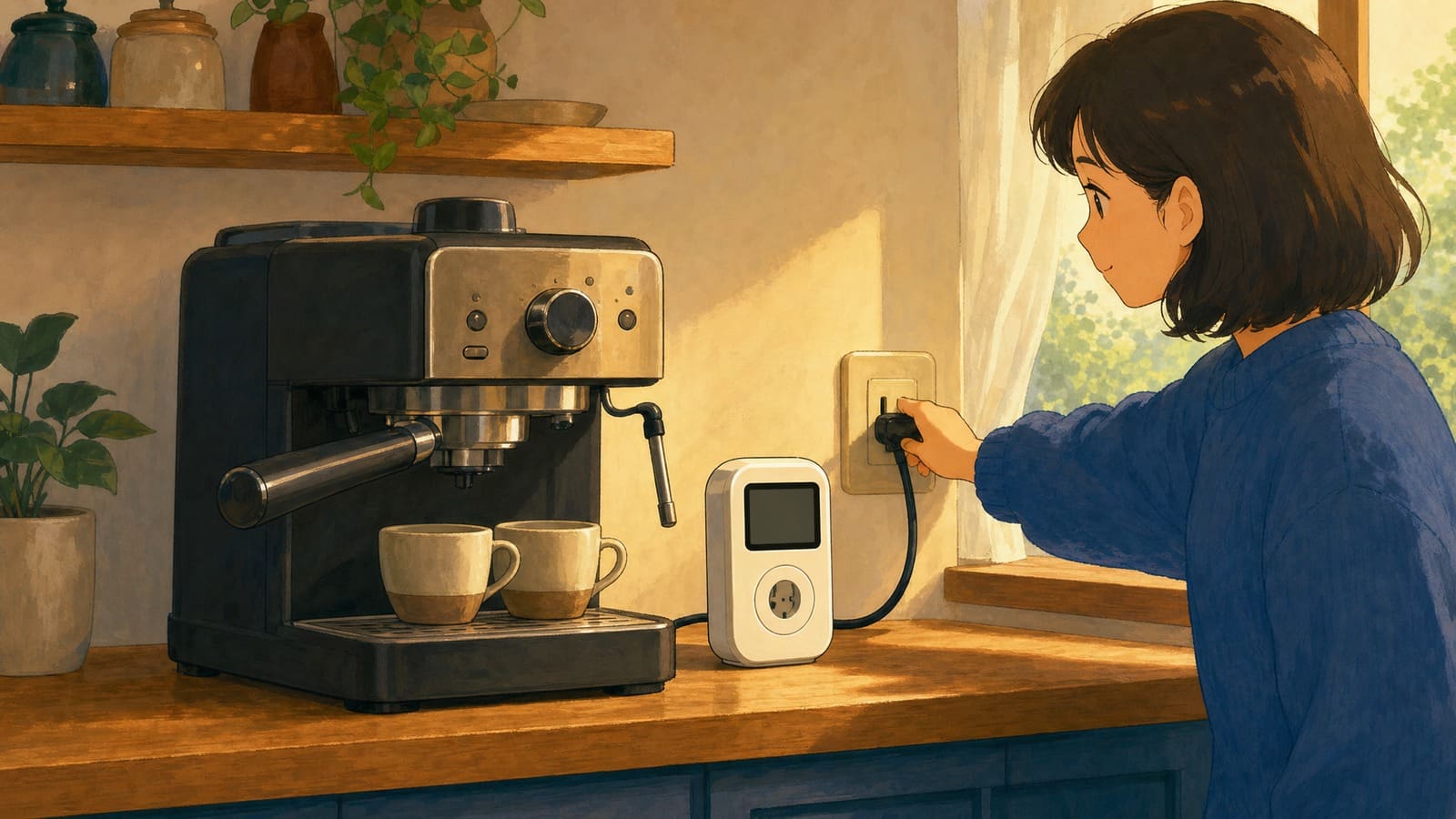
- Find the real savings. A cheap plug-in electricity monitor shows what your coffee setup actually draws, standby included.
My honest take
I would not buy any DIY or self-improvement product just because a sales page sounds dramatic. I click when three things line up: the product fits something I am already trying to improve, the claims are specific enough to check, and the routine around it is realistic.
That is why coffee is the anchor here and the product is the optional experiment. The habit is already part of the morning for most readers; a bigger energy system is only worth it once the free wins are done.
Start with the wins that cost nothing. Then decide whether a bigger system is worth it.
And before any larger project: check your local codes and the manufacturer’s guidance, and bring in a licensed electrician for anything touching wiring or your panel. The easy efficiency steps above are free and low-risk; the big stuff deserves real caution.

Questions worth answering
Does a coffee maker use a lot of electricity?
Usually the biggest waste is not the brew cycle — it is keeping coffee hot too long, or running more appliance than you actually need.
Are spent coffee grounds useful?
Research reviews describe spent grounds as a valuable organic waste stream, but use them thoughtfully. They are not a magic fertilizer for every plant.
Is an alternative-energy guide worth buying?
It depends on your home, budget, and DIY comfort. Start with the easy efficiency wins, then compare larger systems with realistic expectations.
Keep the ritual. Trim the waste.
Heat only what you need, skip the hot-plate marathon, reuse your grounds, and measure what your setup actually draws. Those four free habits capture most of the savings — and they make the bigger energy decisions easier to judge when you get there.
