
14 min read
Cold Coffee · Japanese Method
Kyoto Coffee
at Home
The ancient art of slow-drip cold brew
Patience is the secret ingredient. Learn how to brew the smooth, complex, deeply caffeinated coffee that Kyoto made famous — one slow drop at a time.
Kyoto-style cold drip coffee is the coffee world’s version of a long, slow meditation. It’s not for mornings when you’re running late. It’s for Sunday nights when you want something extraordinary by Monday morning.
This method, introduced to Kyoto by Dutch traders and refined over centuries in Japanese coffee culture, produces a cup unlike anything you’ll get from a standard drip machine or a French press.
Cold water passes through ground coffee one drop at a time, spending hours extracting flavor with no heat involved. The result is smooth, complex, naturally low in acidity, and surprisingly potent.
The gear is a little theatrical — a tall glass tower that looks like it belongs in a chemistry lab. But the process itself is not complicated. Set it up, adjust the drip rate, and let time do the work. Here is everything you need to know to brew it at home.

How do you make Kyoto coffee at home?
Grind 80g of medium or dark roast coffee to a medium-coarse consistency. Load it into your cold brew tower, fill the top chamber with 600ml of cold filtered water and ice, and set the valve to approximately one drop per second. Let it brew for 8 to 16 hours. The result is a smooth, low-acid coffee concentrate that is excellent over ice or gently heated for a hot cup.
The Background
What Is Kyoto-Style Coffee?
Kyoto-style coffee goes by several names — Kyoto drip, Kyoto black, slow-drip coffee, or cold tower brew. All of them describe the same thing: a brewing method where cold water is fed through coffee grounds one drop at a time using gravity, over the course of 8 to 16 hours.
Despite the name and the Japanese aesthetic, the technique was actually introduced to Japan by Dutch traders during the Edo period, when the Dutch held exclusive trading rights in Nagasaki. Dutch sailors brewed coffee with cold water on long voyages to preserve it.
Japanese coffee culture adopted and refined the method over generations, particularly in Kyoto and Osaka. Dedicated slow-drip equipment became a symbol of serious craft brewing, and the elaborate glass towers that define the look today grew directly out of that tradition.
The flavor profile is markedly different from hot-brewed coffee or standard cold brew. Because no heat is involved, you get a naturally smooth, less acidic cup. The slow drip extracts aromatic compounds at a different rate than immersion or hot brewing — the bright, floral, and naturally sweet notes come forward.
Harsh bitterness stays mostly absent. The trade-off is time. You cannot rush a Kyoto drip, and you would not want to.
There is also a practical upside: the finished product is a concentrate you can refrigerate for up to a week. Dilute it to taste, serve it over ice, or warm it up. It is genuinely versatile once you have a carafe on hand.
What You Need
Equipment & Ingredients
The main investment here is the cold brew tower. Everything else you may already own. Here is what you need and why each item matters.
Cold Brew Tower
The tower — also called a Kyoto tower or glass tower brewer — has three chambers: a top water reservoir, a middle coffee bed, and a bottom carafe. The valve controls the drip rate. You cannot brew true Kyoto-style coffee without one, though a slow manual pour-over setup can get you close.
See tower options →
Medium or Dark Roast Beans
Medium and dark roasts hold up best to cold extraction. Light roasts can taste thin or grassy when cold-brewed. Single-origin beans with fruit, chocolate, or caramel notes shine here. Spirit Animal Coffee’s Espresso Roast (dark) and Bourbon Blend (medium) both work beautifully.
Shop Spirit Animal Coffee →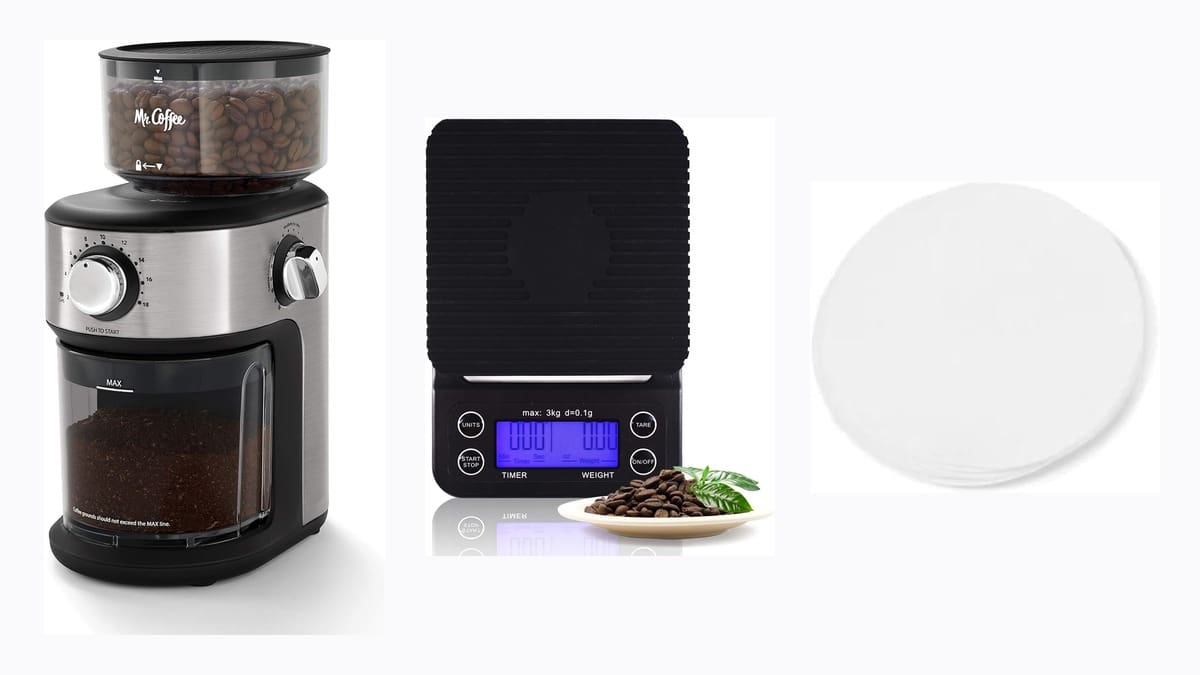
Grinder, Scale & Filters
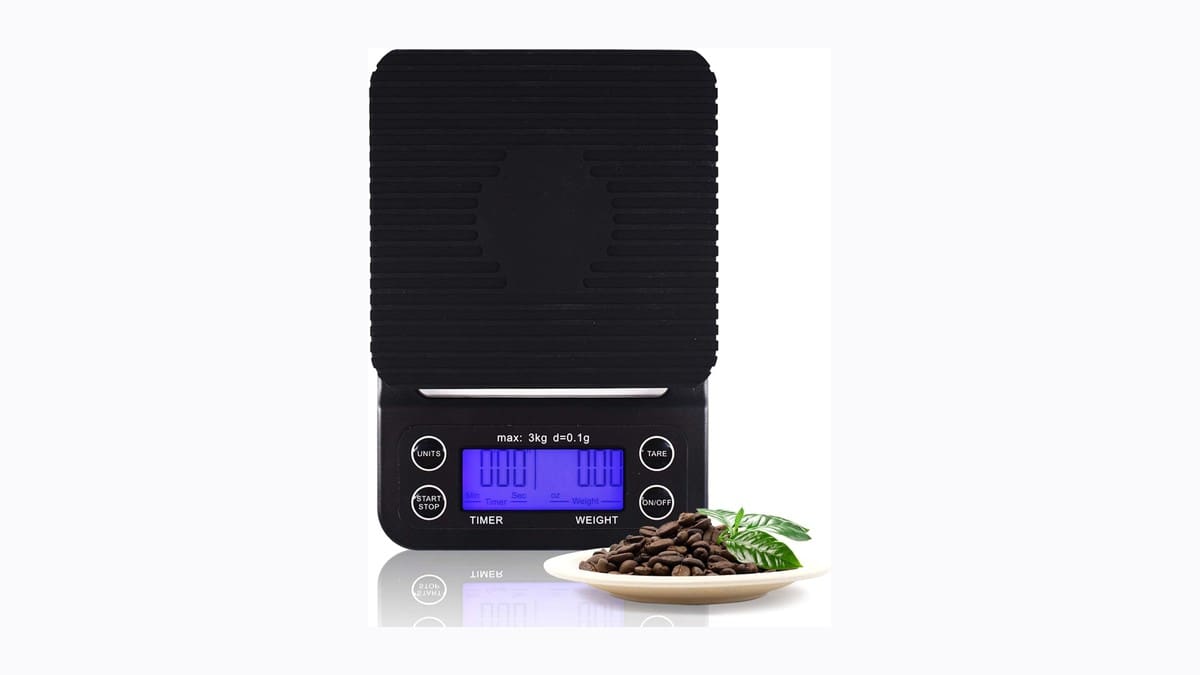
A burr grinder lets you dial in the medium-coarse grind cold drip requires. A digital scale removes the guesswork on both coffee and water. Paper filters in the coffee chamber keep grounds out of the carafe. The right grind and ratio separate a good batch from a flat one.
Burr grinder on Amazon →For accessories, here are reliable affordable options: paper filters (~$12 for 20), a digital scale (~$14), and the Mr. Coffee burr grinder (~$49). You do not need to spend heavily on accessories. The tower is where your budget goes.
If you want a deeper look at the beans before ordering, I have written a full review: read the Spirit Animal Coffee review here.
Get the 21-Day Coffee Glow-Up Recipe Book
Make your morning coffee feel like a treat again: 21 coffee-shop-style recipes you can make at home, with hot, iced, creamy, cozy, and Java Burn-friendly options.
- 21 craveable coffee recipes
- Simple flavor formulas and shopping list
- 7-day coffee glow-up plan
You are in. Grab the recipe book, then check your inbox to confirm the coffee newsletter.
Download the free recipe bookAlready subscribed? Open the recipe book here.
Why readers save it: It gives them recipes first, not hype first. Java Burn stays optional and label-directed, while the download gives them a better coffee routine they can use right away.
What happens next: MailPoet adds them to the Golden Lamb Coffee Newsletter, sends the welcome email, and includes them in the weekly coffee tips nurture sequence.
Educational download. Not medical advice. Java Burn is a dietary supplement; read the label and ask a qualified professional if you use supplements, take medication, or manage a health condition.
The Method
How to Brew Kyoto-Style Coffee
Once your equipment is assembled, the process is genuinely simple. The long brew time works for you, not against you — set this up before bed and wake up to a carafe of finished coffee.
Cold Drip Recipe
Kyoto-Style Cold Drip Coffee
Ingredients
- 80g medium or dark roast coffee beans
- 600ml cold filtered water
- Handful of ice for the water chamber
- 1 paper coffee filter
Instructions
- 1 Grind the coffee Weigh 80g of beans and grind to a medium-coarse consistency — similar to coarse sea salt. Too fine and the drip slows to a crawl or the coffee over-extracts. Too coarse and the water passes through without enough contact.
- 2 Load the coffee chamber Place a paper filter in the brewing chamber. Add the ground coffee and tamp lightly to create a level, even bed. Wet the grounds with a small splash of cold water and wait 30 seconds to let them bloom.
- 3 Fill the water chamber Add 600ml of cold filtered water to the top reservoir. Drop in a generous handful of ice to keep the temperature down throughout the entire brew.
- 4 Set the drip rate Slowly open the valve until you see approximately one drop per second falling through the coffee. Too fast and the brew will be weak and watery. Too slow and it can turn astringent.
- 5 Brew overnight Leave the tower undisturbed for 8 to 16 hours. Overnight is ideal. Avoid adjusting the drip rate mid-brew if you can — consistency matters here.
- 6 Serve or store Once complete, serve over ice or heat gently. Store any remainder in a sealed glass container in the fridge. It keeps fresh for up to one week.

Watch Brew Guide | Yama Cold Coffee Tower by Prima Coffee Equipment on YouTube
Dialing It In
Fine-Tuning Your Cold Drip
A few variables make the biggest difference between a mediocre batch and an exceptional one. Here are the ones worth paying close attention to.

Medium-Coarse Is Your Target
Too fine and the water struggles to pass through, slowing the drip or extracting a bitter, harsh cup. Too coarse and the water rushes through without enough contact. Coarse sea salt is a reliable visual reference to aim for.

One Drop Per Second
This is the reliable starting point. For a lighter, brighter cup, speed it up slightly. For a richer concentrate, slow it down and extend the brew time. Slower drip means a longer wait — plan accordingly.

Stay Cold Throughout
The whole point is cold extraction. Use filtered water and keep ice in the top chamber for the full brew. If the water warms significantly during extraction, you lose the smoothness and low acidity that make the method worthwhile.
Start at 1:7.5 and Adjust
80g coffee to 600ml water is a solid starting ratio, producing a concentrate that drinks well over ice or diluted one-to-one with water or milk. If it tastes too strong, add water. If thin, reduce water or slow the drip.

Your Options
Which Tower Should You Buy?
The cold brew tower is the one piece of equipment you cannot substitute. Here are three solid options at three price points. All three will produce genuine Kyoto-style cold drip coffee.
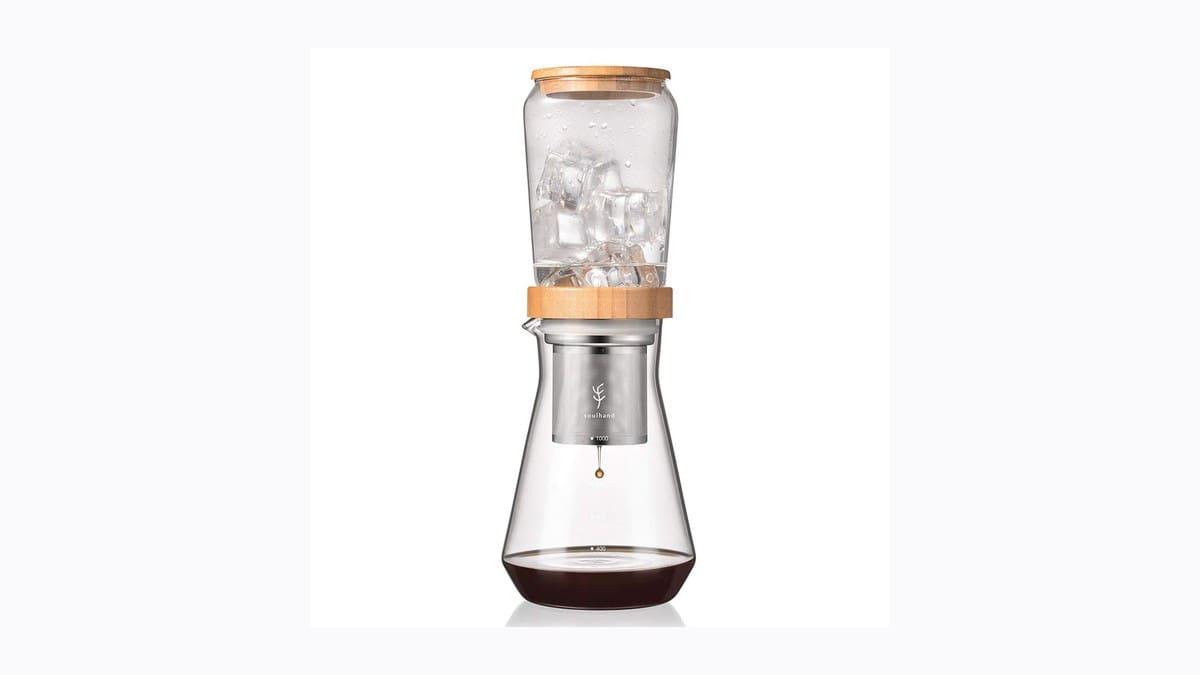
Soulhand Iced Coffee Maker
$48.99
- Best entry-level option
- Compact footprint
- Easy to clean
- Smaller capacity
- Basic valve control
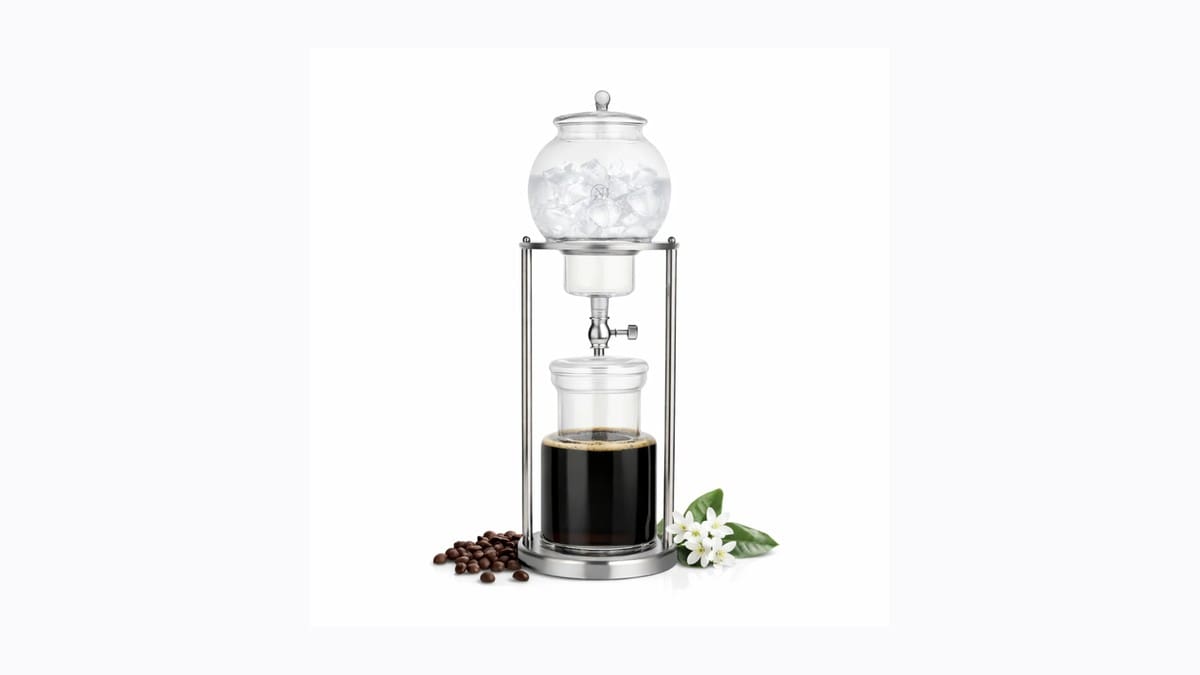
Nispira Cold Brew Coffee Maker
$89.99
- Better drip rate control
- Quality glass construction
- Good mid-range capacity
- Slightly tricky assembly
- Not quite professional grade
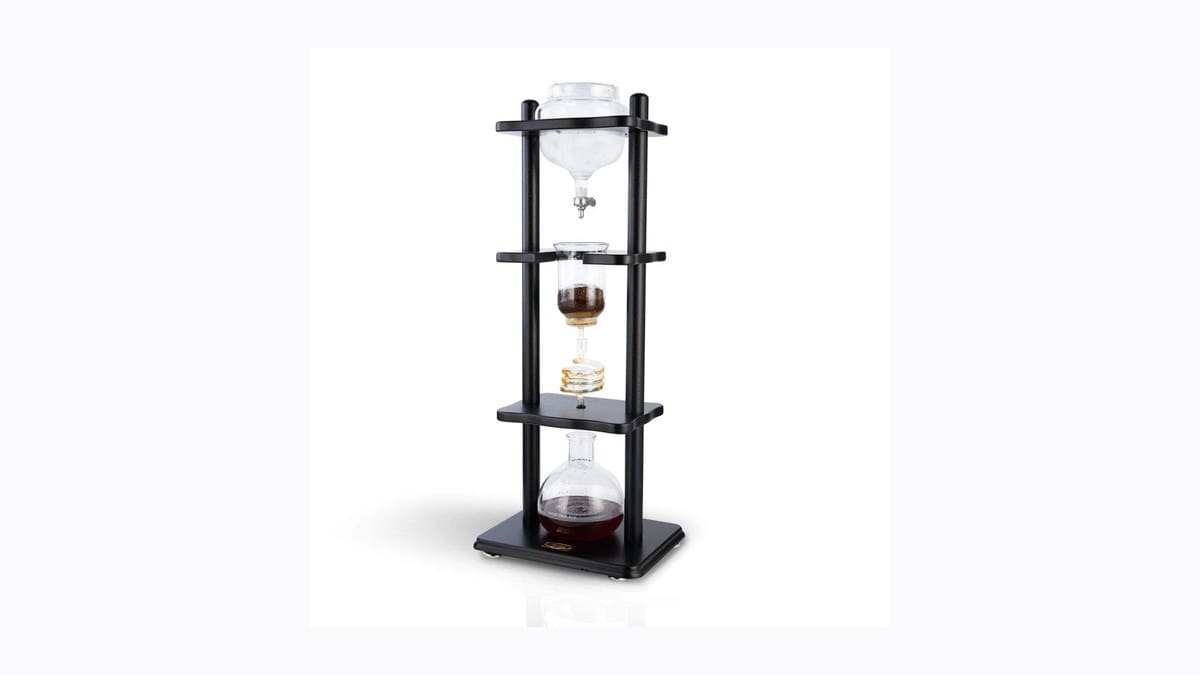
Yama Glass Cold Brew Maker
$280
- Professional-grade build quality
- Precise valve control
- Striking visual centerpiece
- Significant investment
- Heavier and less portable
Honest note: the Nispira hits the sweet spot for most home brewers. The Soulhand is genuinely fine if you want to try the method before committing more money. The Yama is for people who want to go all-in and enjoy looking at it on the counter every day — it is a beautiful object as much as a brewing tool.
How to Enjoy It
Serving Ideas
One of the underrated advantages of cold drip coffee is how versatile the finished concentrate turns out to be. Here are the ways I actually reach for it.

Straight Over Ice
The most common and often the best approach. A tall glass, a few large ice cubes, and 120–150ml of cold drip. Pour right before drinking so the ice chills without diluting too fast.
Gently Heated
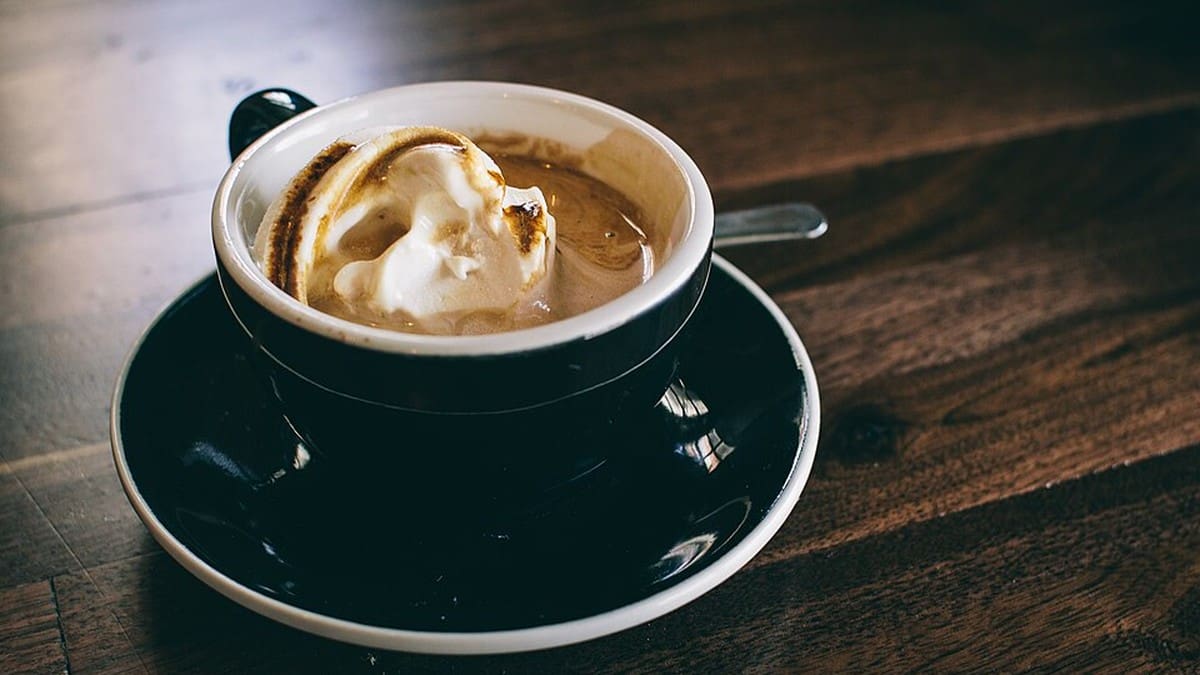
Cold drip can be heated without losing its character. Warm it slowly on the stove — never boil. It makes an unusually smooth hot cup, noticeably cleaner than standard brewed coffee.
With Milk or Cream
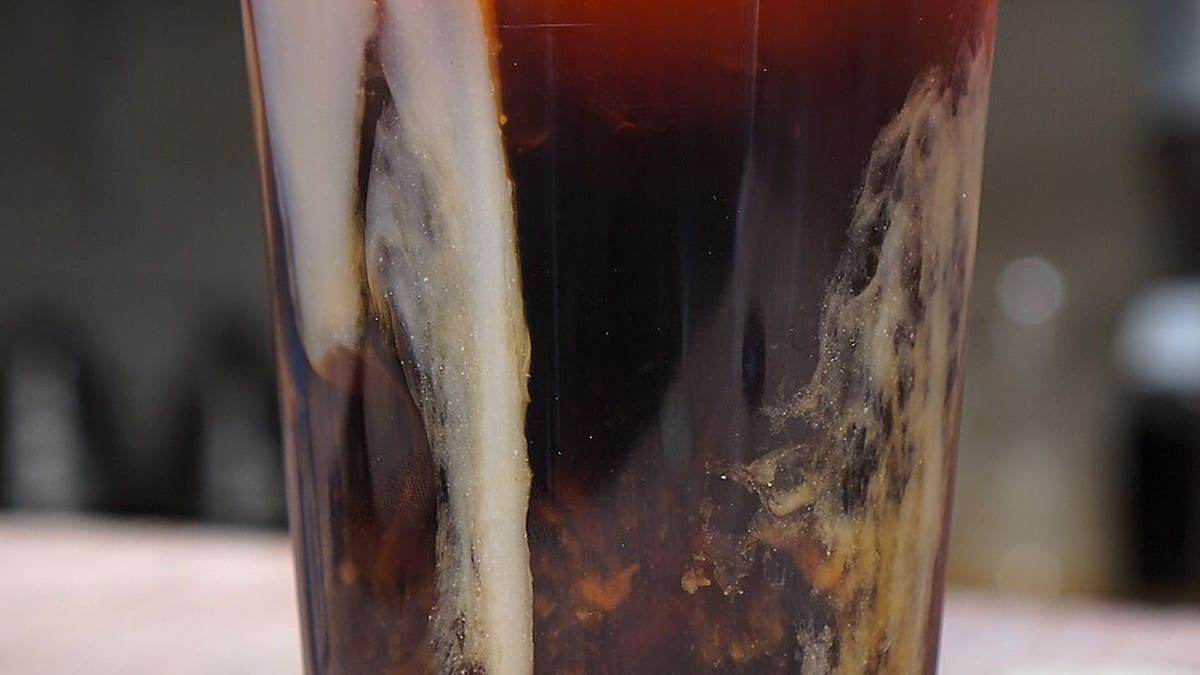
The low acidity makes it especially good with dairy or plant milk. An oat milk Kyoto iced latte is genuinely excellent and requires no sweetener in the cup.
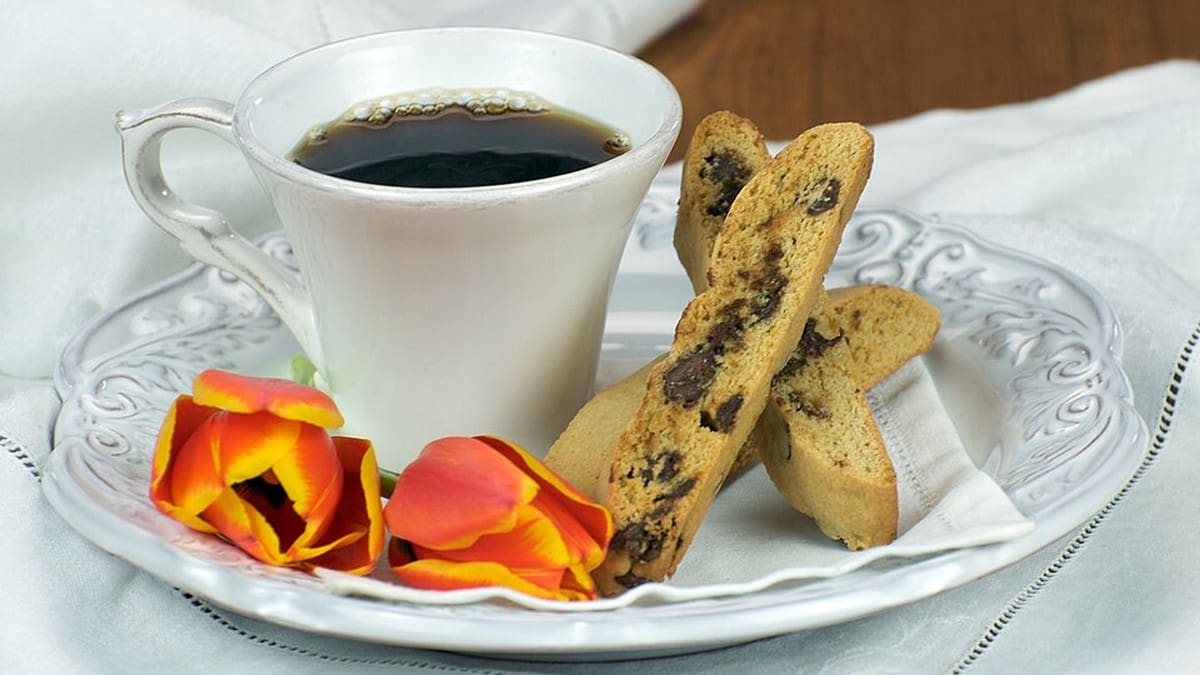
With Pastry or Dark Chocolate
The slightly sweet, floral notes in a well-brewed Kyoto drip pair naturally with buttery pastries and dark chocolate. The coffee holds its own without competing with the food.
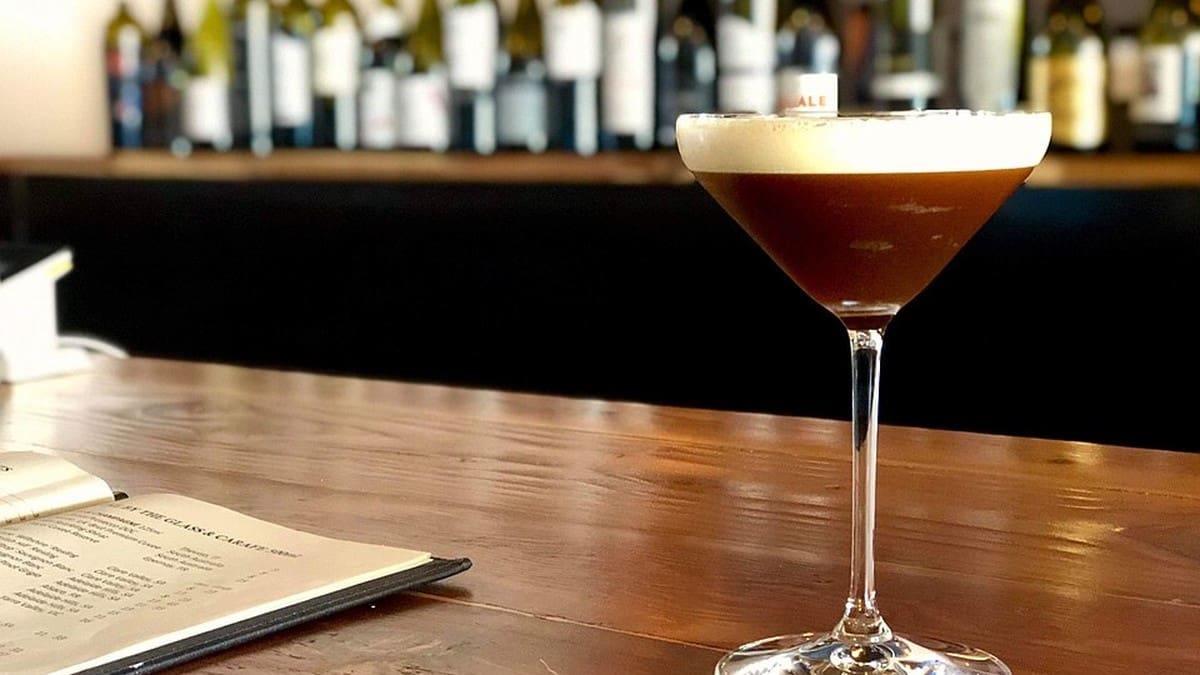
As a Cocktail Base
Cold drip concentrate makes an outstanding base for coffee cocktails. The smooth flavor carries through spirits without turning harsh — especially good in an espresso martini or a coffee old fashioned.
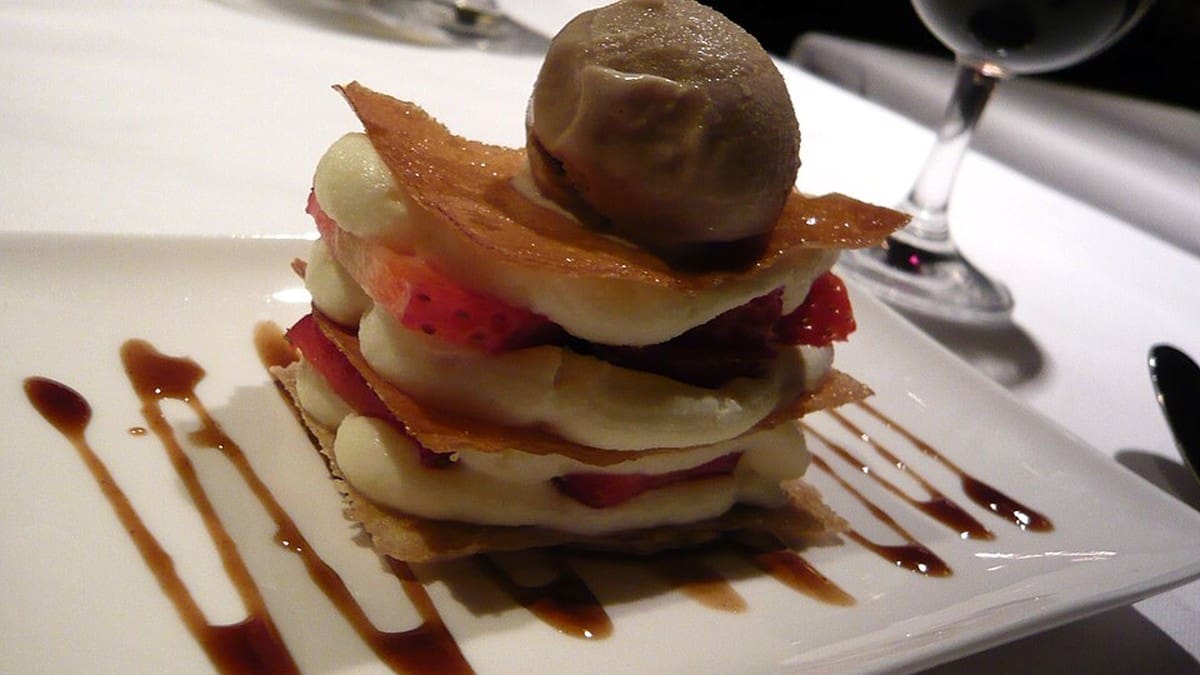
In Desserts
Use cold drip concentrate in tiramisu or affogato instead of hot espresso. The cold extraction keeps the flavor clean and distinct, and the dessert texture stays lighter for it.
Questions Answered
FAQ
Is Kyoto-style coffee the same as regular cold brew?
Not quite. Regular cold brew steeps ground coffee in cold water for 12 to 24 hours, then strains it. Kyoto drip feeds cold water through the grounds one drop at a time using gravity — no steeping, no soaking. The drip method produces a cleaner, more refined cup with more defined aromatic notes. It is closer to a very slow, very cold pour-over than an immersion brew.
Can I make Kyoto coffee without a cold brew tower?
You can approximate it, but it is not quite the same experience. An AeroPress with a very slow, controlled pour gets close. Some people construct DIY towers using two large soda bottles, a small valve, and a drill — genuinely viable if you are curious and handy. But the tower is not expensive at the entry level, and it makes the process consistent and repeatable without improvisation.
How long does Kyoto coffee stay fresh in the fridge?
Up to one week in a sealed glass container. The cold extraction process and the absence of heat mean the concentrate holds up well. The flavor actually mellows and integrates further after a day or two, which many people prefer over the freshly brewed batch.
Can I heat up my Kyoto coffee?
Yes, and it is genuinely good that way. Heat it slowly rather than bringing it to a boil — aggressive heat strips out the delicate aromatic compounds that cold extraction preserved. The story goes that the Toddy cold brew system’s founder first tried cold brew heated up in Peru, and that experience inspired the whole modern cold brew movement.
What coffee-to-water ratio should I use?
A reliable starting point is 1:7.5, which works out to roughly 80g of coffee to 600ml of water. This produces a concentrate that drinks well straight over ice. If you want something closer to regular coffee strength for direct drinking, dilute it one-to-one with water or milk. Adjust from there based on your preference and how strong your beans are.
Final Verdict
Worth Every
Hour of the Wait
Kyoto-style cold drip is genuinely different from every other coffee method. The slow extraction produces a cup that is remarkably smooth, naturally sweet, and low in acidity — with a clarity of flavor that hot brewing and immersion cold brew consistently struggle to match. The glass tower is both conversation piece and functional tool. Set it up tonight, wake up to something exceptional tomorrow, and keep the rest in the fridge for a week of quietly great coffee. It is not fast. It is absolutely worth it.
